The journey from a nascent passion to a full-fledged professional career is often long and arduous, marked by moments of doubt, persistent learning, and serendipitous opportunities. For Victor Soares, a South African-born wildlife photographer now based in the UK, this trajectory spans nearly two decades, culminating in his recent transition to a full-time professional role in 2024. His story, deeply rooted in a lifelong love for nature, offers valuable insights into the dedication, technical mastery, and artistic vision required to thrive in the demanding world of nature photography.
Early Inspirations and Foundational Years in the Wild
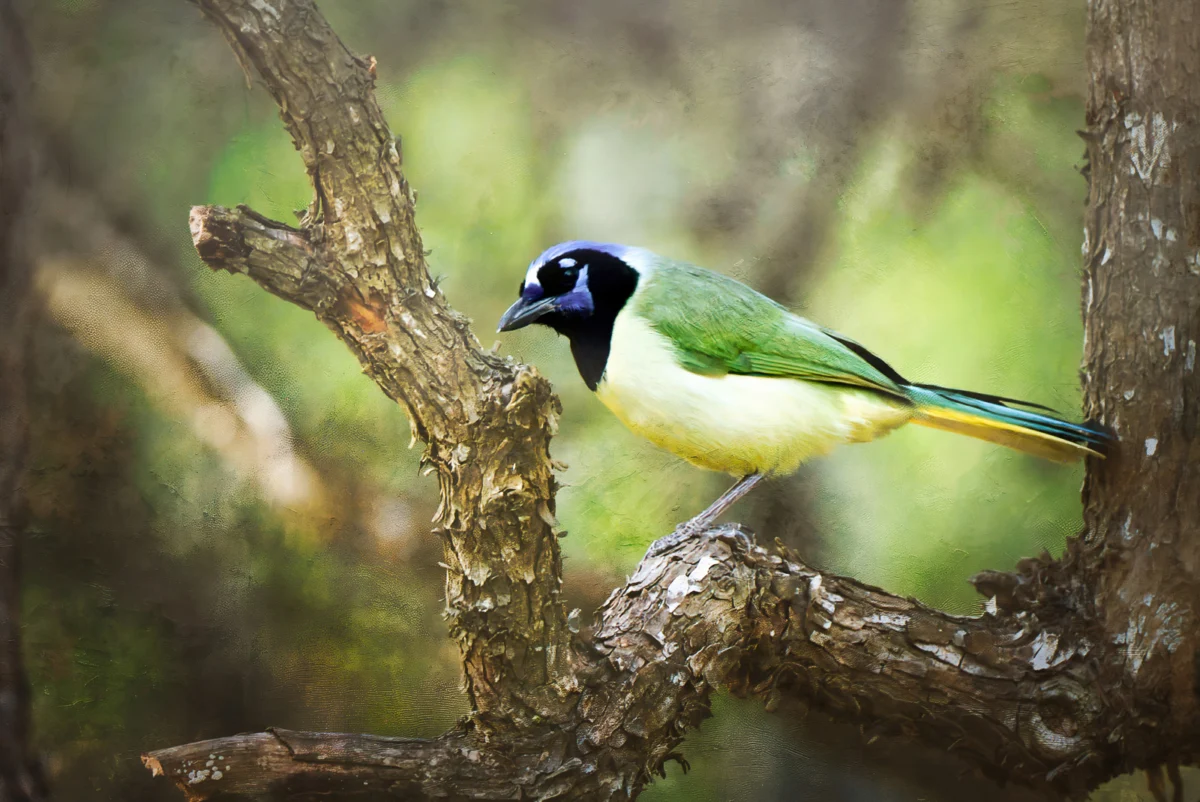
Soares’ profound connection with nature began in his native South Africa, a land renowned for its unparalleled biodiversity. Growing up amidst its rich ecosystems, wildlife served as both a constant source of fascination and a personal sanctuary. "It was my escape from a dramatic world," Soares recalls, highlighting the solace and joy he found in observing the myriad species around him, particularly the vibrant birdlife that abounds across the South African landscape. This early immersion cultivated a deep appreciation and keen observational skills, foundational elements for any aspiring wildlife photographer.
The advent of digital photography in the early 2000s marked a pivotal moment. In 2004, Soares acquired his first DSLR, a Canon 300D. This camera, while basic by today’s standards, was a technological marvel at the time, offering an accessible entry point into serious photography for many enthusiasts. The Canon EOS 300D, also known as the Digital Rebel in North America, was revolutionary as one of the first affordable DSLRs, democratizing advanced photography capabilities previously reserved for professionals. Initially purchased to document holiday memories, a trip to Kruger National Park soon transformed its purpose.
It was after this Kruger Park visit that a chance encounter at a local photo lab ignited Soares’ professional ambitions. Upon seeing the striking wildlife prints displayed by the lab owner, Johan Combrink, Soares voiced his aspiration to capture similar images. Combrink, recognizing a spark of potential, offered mentorship – an act of generosity that Soares credits as instrumental to his beginnings. "Johan showed me so much, both with camera techniques and in post-processing, and even served as a motivational coach, helping me through the ‘dark times’ in my photography," Soares recounts. This mentorship provided not just technical guidance but crucial encouragement, underscoring the invaluable role of community and guidance in a creative field. He spent countless hours in Combrink’s shop and in the field, tirelessly practicing and refining his skills, often producing "numerous poor photos" before seeing significant improvement.
The Evolution of a Craft: From Early Attempts to Acclaimed Masterpieces
Soares’ photographic journey is a testament to persistent evolution. His very first image with the Canon 300D, a blurry, distant Cormorant in flight captured in terrible light, is a stark reminder of where he began. He no longer possesses this image, having intentionally cleared his archives in 2007 when he received a Canon Rebel XT (an updated version of the 300D) as a Christmas gift. This marked a "fresh start" for his photographic collection.
One of the first images he captured with this new camera, during a New Year’s trip to Kruger Park, was of a Steenbok. While he "liked the image" at the time, his current assessment reveals a keen critical eye honed by years of experience. He acknowledges capturing the animal in focus and in "decent light," but quickly points out technical flaws: cropped feet, an inappropriate aperture (f/8), and shooting in Aperture Priority (Av) mode rather than his current preference for Manual. The limitations of early digital cameras also meant a reluctance to push ISO beyond 400 due to noise concerns, a far cry from today’s high-ISO capabilities. This retrospective analysis showcases his deep understanding of photographic principles and the continuous pursuit of perfection.

Contrast this with one of his current favorite images: a yawning fox captured in a small park in Sutton, London. This photograph encapsulates a dramatic leap in skill and artistic intent. Soares, who moved to the UK in 2016 and London in 2018, developed a fascination with the foxes he encountered. This particular image, taken as a friendly fox jumped over a hedge and yawned, perfectly illustrates his evolved vision. He describes the visible "detail of her cold breath," the "glorious autumn colours," the "detail of her teeth," and the "shallow depth of field" that beautifully blurs the background. This image is more than a technical success; it’s a realization of a "childhood fantasy," bridging the gap between African wildlife and the urban fauna of his new home. It speaks to an ability to not only master technical settings but also to anticipate moments and compose shots that evoke emotion and narrative.
Defining Moments and Professional Ascent
While Soares’ progression was a gradual accumulation of skills, certain milestones affirmed his path. A significant "turning point" arrived in 2012 when one of his images reached the final round of the Natural History Museum’s Photography Awards, then known as the Veolia Environmental Awards. Out of over 48,000 entries, his photograph stood among the elite. This recognition was a profound validation, igniting a belief that his work possessed genuine merit. "It was a moment in my photographic career where I felt, ‘Maybe I am good enough… maybe,’" he recounts. Though the image did not advance to be displayed, it remains a source of immense pride and a cherished memory, underscoring the psychological impact of external validation in a creative field.

Despite this success, the transition to professional photography was not immediate. As an engineer by trade, Soares faced the common dilemma of balancing a passion with the financial stability offered by a more conventional career. The often-cited reality that "most photographers don’t earn a great living" meant that photography remained a cherished hobby, albeit one pursued with professional dedication. He participated in competitions and explored various avenues, but his "head and time" were never fully dedicated to it.
The decisive shift came unexpectedly in early 2024. A company-wide redundancy decision, while initially "hard" news, presented an unforeseen opportunity. Rather than seeking another engineering role, Soares chose to fully embrace wildlife photography as his primary profession. This bold move was strongly supported by his wife, whom he credits as "instrumental" in the decision and his "biggest fan and strongest supporter." This pivot illustrates how external circumstances can sometimes align with internal aspirations, transforming a long-held dream into a tangible reality. By 2023, he had already begun leading tours and teaching photography part-time, signaling his readiness for the full transition.
Revisiting Landscapes and Refined Techniques

Soares’ approach to photography has evolved significantly, particularly in how he revisits familiar subjects and locations. His experiences in South African game parks, initially taken for granted, are now approached with a heightened awareness and refined technique. Having learned to photograph from a car and anticipate wildlife behavior in those environments, he now returns with a more critical eye. He meticulously considers the "sun’s direction, the quality of light, what’s in the background, what might spoil the foreground, and the angles to shoot from." This demonstrates a shift from simply capturing subjects to crafting images with intentional composition and lighting, understanding how environmental factors impact the final shot. Each safari now offers new lessons, deepening his understanding of animal behavior and the intricacies of light.
Closer to his UK home, Soares regularly participates in the annual deer rut, a spectacular natural event. Initially drawn by the sheer "spectacle, the bellowing, and the occasional fights" of red deer stags, his focus has broadened. He now actively seeks out specific atmospheric conditions, such as "cold mornings creating ‘bellow steam’," or the interplay of "autumn light breaks through the trees." He also dedicates time to photographing less favored species like fallow deer, recognizing the intense and photographically rich interactions during their rut. This demonstrates a sophisticated approach, moving beyond mere documentation to actively seeking out unique moments and artistic opportunities.
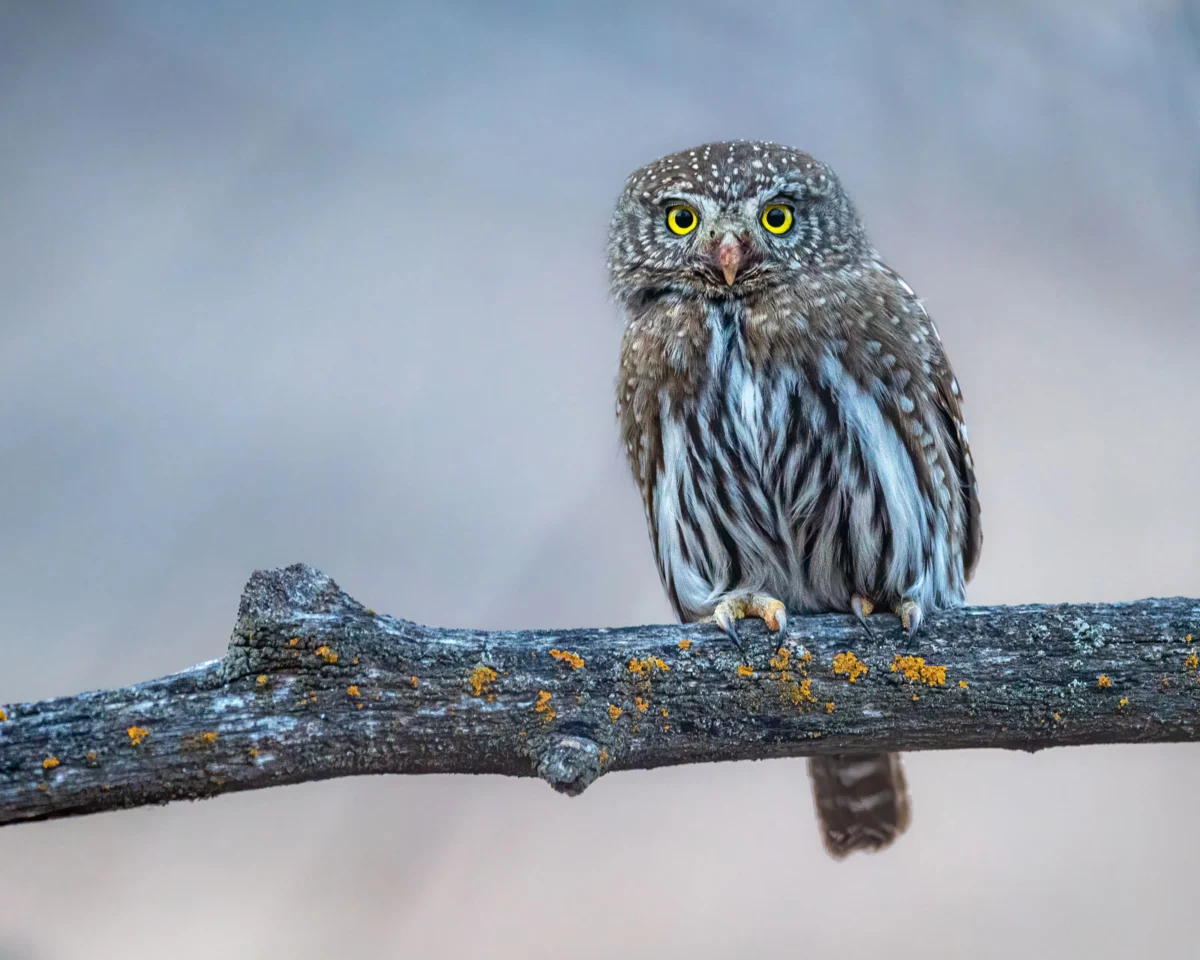
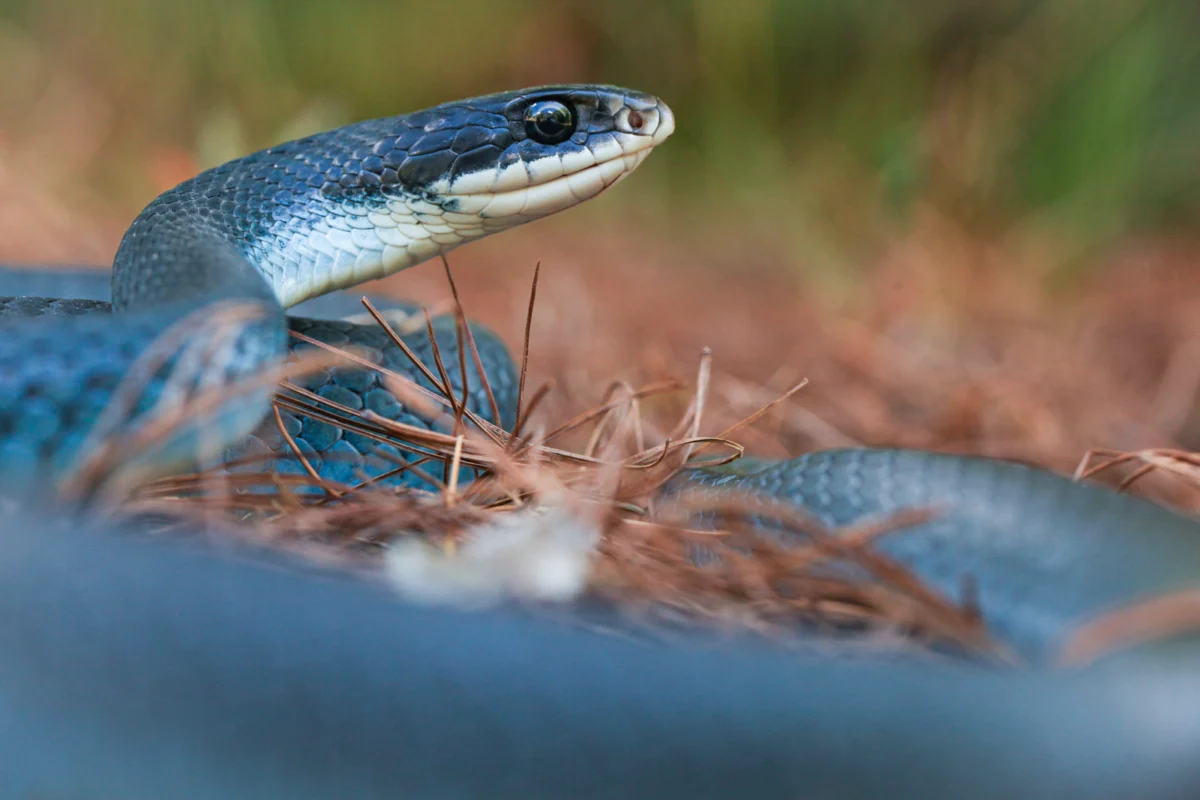
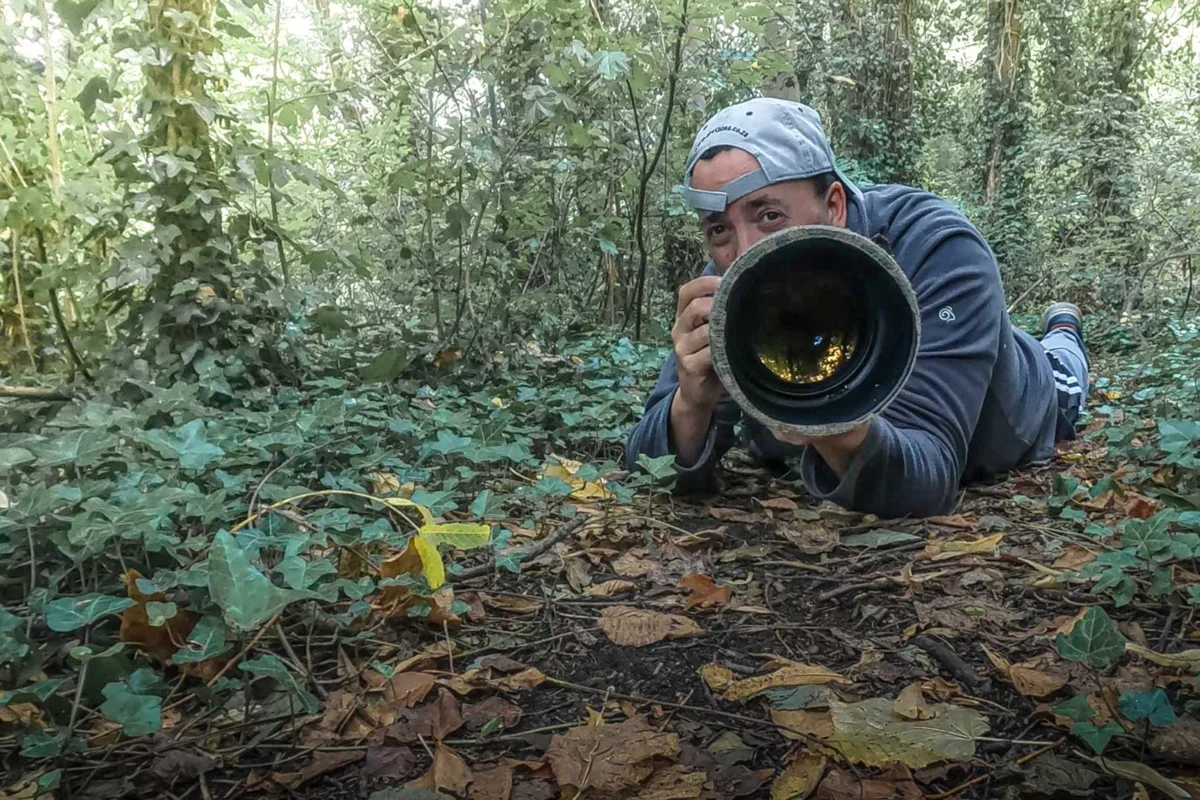
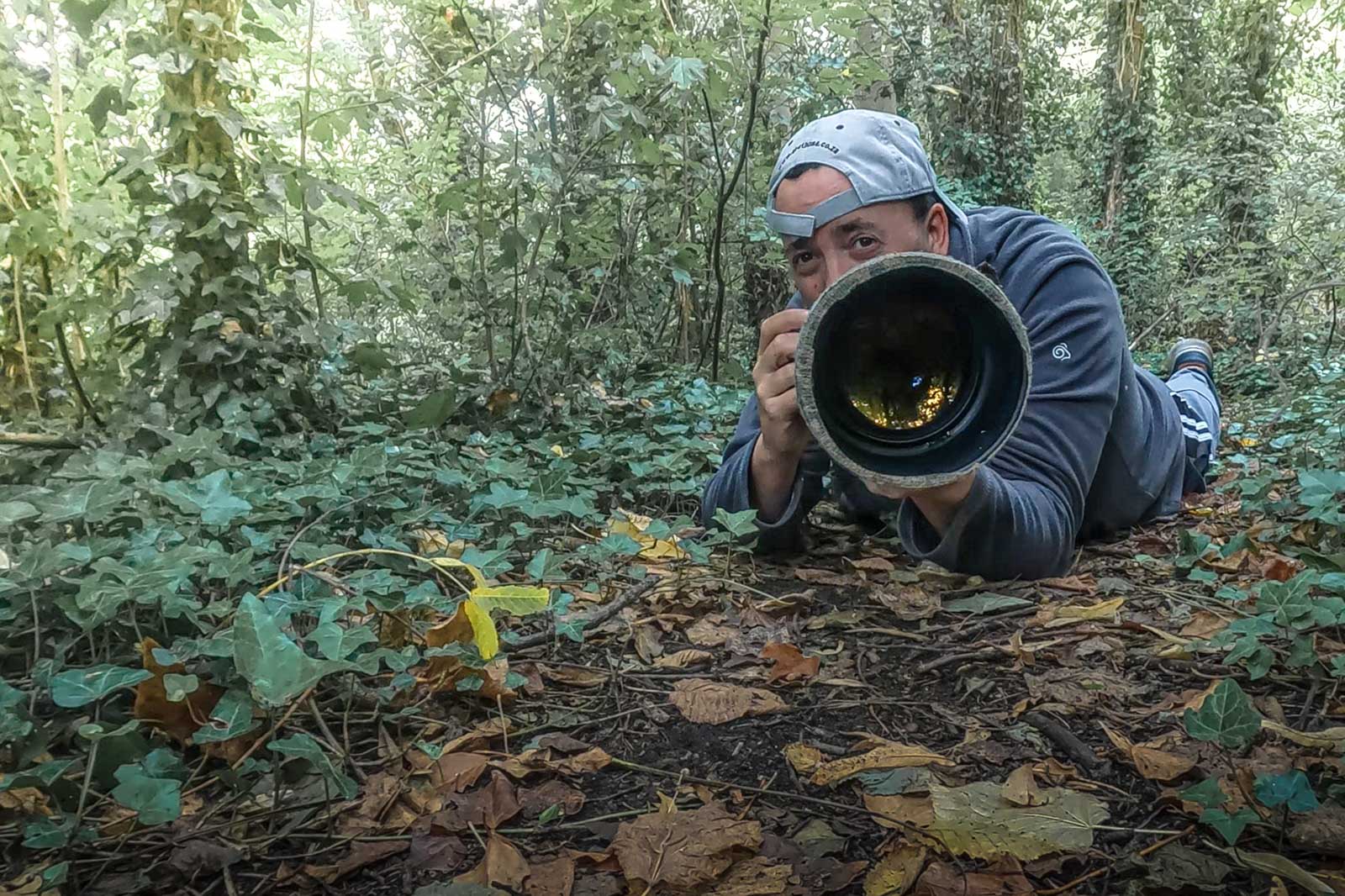
His photographic process itself has undergone "significant change." Soares actively experiments, draws inspiration from other photographers, and adapts modern techniques. A hallmark of his current style is "low-down photography (as low as possible) with a very shallow depth of field." This technique, often requiring "expensive glass" like his favored 300mm f/2.8 lens, creates intimate portraits where the subject is sharply rendered against a beautifully blurred background, making the point of interest truly "stand out." This aesthetic choice enhances the artistic quality of his images, inviting viewers into the animal’s world.

Beyond technical precision, Soares emphasizes the portrayal of emotion in his subjects. He strives to capture "a creature’s emotion," whether it be "calm, anger, fear, cunning, eagerness, desperation, resolve." This focus on anthropomorphizing animal expressions adds a compelling narrative layer to his work, connecting viewers on a deeper, more empathetic level. It reflects a desire to move beyond mere biological representation to communicate the essence and inner life of the animals he photographs.
Navigating Challenges and Embracing Growth
Soares identifies his biggest initial challenge as maintaining "the motivation to keep going." The vast amount of impressive work by other photographers can be daunting, leading to feelings of inadequacy. He acknowledges the natural tendency to place "heroes and role models" on a pedestal, often feeling that one can "never be as good." However, he has learned the crucial lesson that the goal is not to surpass these icons but to "keep going" and "persevere." This perspective shift from competitive comparison to continuous personal growth is vital for long-term sustainability in any creative pursuit. He stresses the importance of not fearing "comments and criticism," but rather using them as opportunities for learning and development.

His current challenge, while not explicitly stated as distinct from his early struggles, can be inferred as the multifaceted demands of running a professional photography business. Beyond taking stunning photos, a professional must master marketing, client relations, logistics for tours, and financial management – a significant shift from the purely artistic pursuits of a hobbyist. However, his enduring commitment to learning and adapting suggests he is well-equipped to face these new hurdles.
The Enduring Value of Patience and Persistence
If Soares could offer one piece of advice to his younger self, it would be "be patient." He reflects on the modern inclination to demand immediate results and to measure progress by new camera features rather than foundational skills. "If a new camera had a higher frames-per-second rate, I thought I was quicker. If it had more focus points, I assumed I could focus better," he admits, recognizing the fallacy of equating gear with skill. True progress, he emphasizes, comes from mastering "the basics, the essentials, the critical things" – the art and fundamentals of photography that "will endure much more than any feature ever will."

Patience, he stresses, is not just about personal growth but is "critical in wildlife photography." The breathtaking "action-filled and impressive images" often seen are the "result of hours spent watching and observing the wild." Waiting for the "best moments" is paramount. This advice resonates with the slow, deliberate nature of wildlife observation, where fleeting opportunities demand both preparedness and a deep understanding of animal behavior.
Soares’ journey, spanning two decades, remains one of continuous learning. He actively seeks knowledge from diverse sources: camera clubs, where he gains insights from peers; articles and magazines, which keep him abreast of new techniques; and fellow photographers, whose approaches he observes and learns from. His final piece of advice encapsulates this philosophy: "don’t be afraid to ‘put yourself out there’." Sharing one’s work and openly receiving "criticism or comments" is crucial. Both positive and negative feedback are invaluable "opportunities to reflect and develop," urging aspiring photographers to "listen to them equally."
Victor Soares’ story is a compelling narrative of how a deep-seated passion, nurtured by mentorship, validated by recognition, and propelled by a strategic pivot, can transform an amateur’s dream into a professional reality. His dedication to ongoing learning, technical refinement, and artistic expression serves as an inspiring blueprint for anyone aspiring to capture the wild beauty of our planet through the lens.