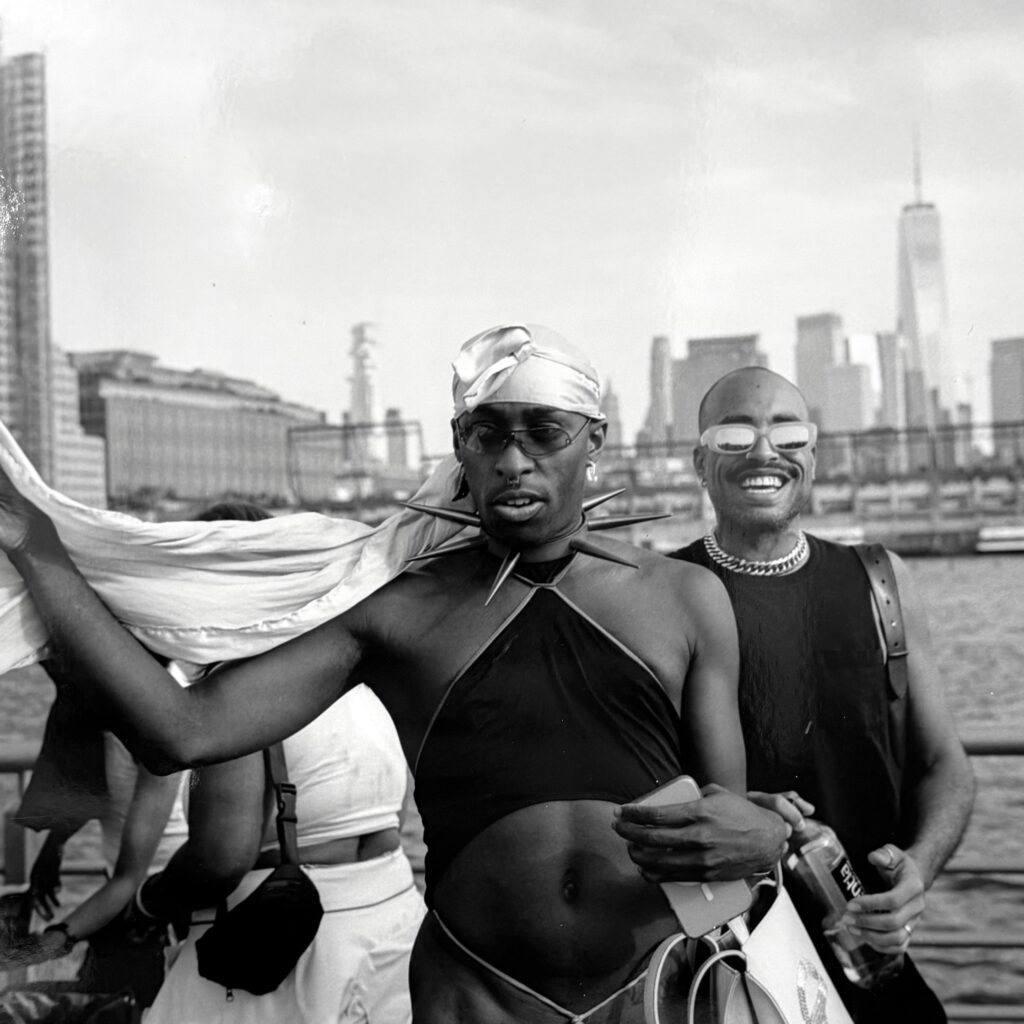
The 2026 New York City Pride March served as a multifaceted tableau of the current state of LGBTQ+ rights, reflecting both the hard-won victories of the past half-century and the emerging challenges of a shifting political landscape. As the event wound through the historic streets of the West Village in late June, it drew an estimated 500,000 participants and spectators into a concentrated square mile, transforming the urban environment into a vibrant center of visibility and advocacy. For long-term observers and participants, the 2026 iteration of the march highlighted a stark contrast between the grassroots, high-stakes activism of the late 20th century and the highly produced, corporate-integrated spectacles of the modern era.
Historical Context and the Shift in Urgency
To understand the significance of the 2026 March, one must examine the historical trajectory of the event. During the period between 1990 and 2007, the New York City Pride March was defined by an atmosphere of immediate crisis and direct confrontation. This era coincided with the height of the HIV/AIDS pandemic, a time when the LGBTQ+ community faced not only a public health catastrophe but also systemic government indifference and overt hostility from religious and social conservative groups.
In those decades, the march route traditionally began at Columbus Circle, a path that necessitated a passage by St. Patrick’s Cathedral. This specific geography frequently resulted in intense standoffs between marchers and counter-protestors. Veteran participants recall the presence of organized opposition on the cathedral steps, where groups often displayed symbols of morbid hostility. One such notable example from the height of the AIDS crisis involved the display of a coffin adorned with crosses and inflammatory slogans, such as “Here Lies a Queer Who Marched Last Year.”
These confrontations provided an underlying urgency to the proceedings. The act of marching was not merely a celebration but a defiant assertion of existence in the face of mortality and marginalization. However, by 2026, the physical and symbolic landscape of the march has undergone a dramatic transformation. The current route has been truncated, beginning significantly further south and bypassing the traditional flashpoints of conflict. While this change reflects a more streamlined logistical approach, some critics argue it has also sanitized the march’s historical role as a site of radical protest.
The Rise of Corporate Branding and the "Super Bowl" Effect
A defining characteristic of the 2026 Pride March, noted by many who returned to the event after a hiatus, is its increasingly corporate character. The presence of large-scale floats sponsored by multinational corporations has become the dominant visual element of the parade. These displays are often the product of sophisticated branding teams, utilizing aesthetic strategies similar to those employed in high-stakes advertising campaigns, such as those seen during the Super Bowl.
This commercialization has sparked an ongoing debate within the community. Proponents argue that corporate sponsorship provides necessary funding for the event’s massive logistical requirements and signals a level of mainstream social acceptance that was unthinkable in the 1990s. Conversely, critics suggest that the "corporate character" of the floats may dilute the political message of the march. The shift from handwritten protest signs to professionally designed corporate banners represents, for some, a transition from a movement-led protest to a consumer-oriented festival.
A Chronology of Progress and the Political Pendulum
The atmosphere of the 2026 March was heavily influenced by the broader socio-political climate of the mid-2020s. The decade leading up to 2026 was marked by what many sociologists describe as a "violently swinging pendulum." Following the landmark legalization of same-sex marriage and the significant expansion of transgender rights in the 2010s, the early 2020s saw a concerted legislative pushback in various jurisdictions across the United States and globally.
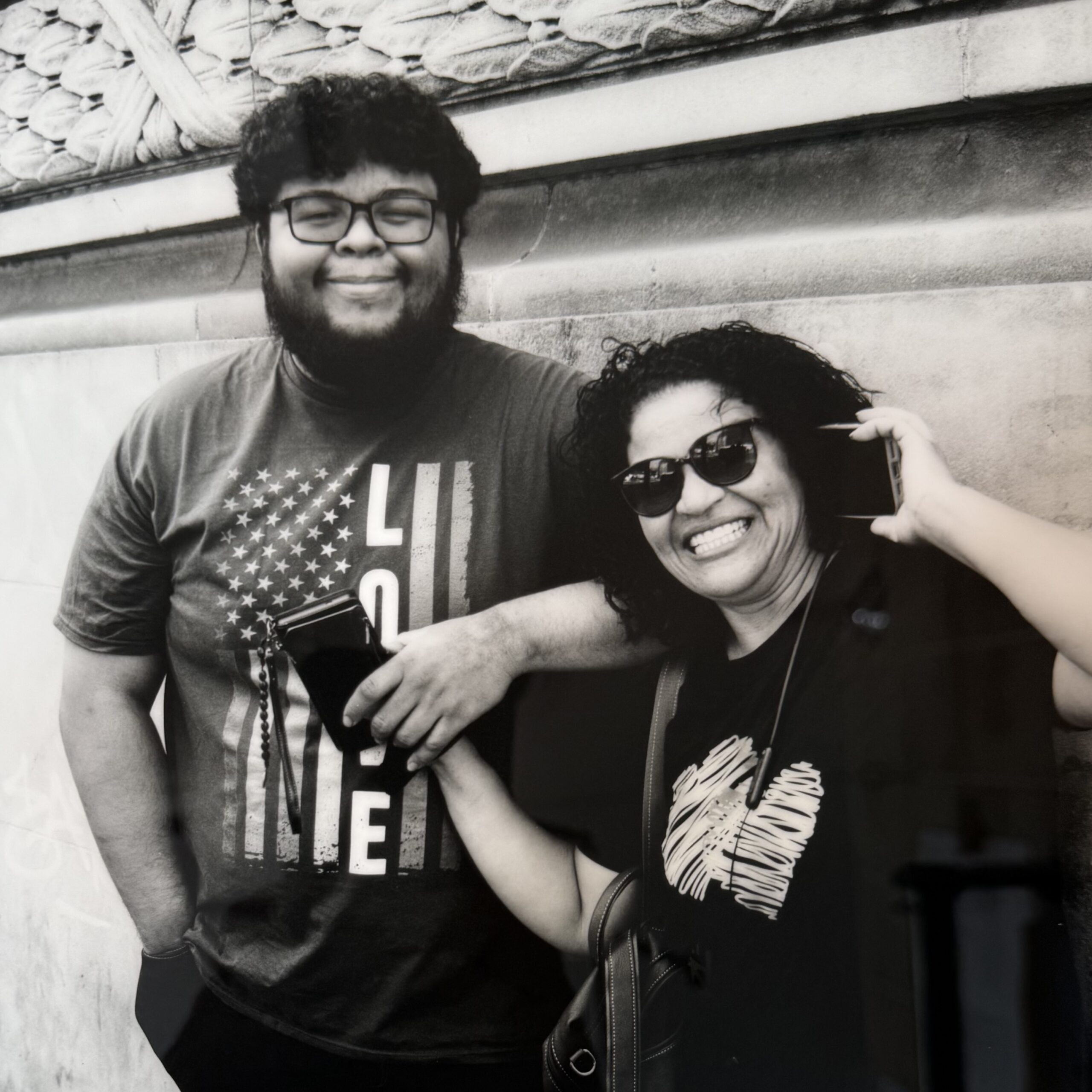
As of 2026, the LGBTQ+ community finds itself in a paradoxical position. While cultural visibility is at an all-time high, legislative challenges regarding gender-affirming care, inclusive education, and basic non-discrimination protections have surged in several regions. This tension was palpable during the 2026 event. The elation observed on the faces of the participants in the West Village was tempered by an awareness of the "fleeting" nature of such moments.
Data from human rights organizations indicates that while major metropolitan areas like New York City remain bastions of safety and celebration, the legal landscape for LGBTQ+ individuals in 2026 remains fragmented. This reality contributed to a renewed sense of purpose among marchers, bridging the gap between the celebratory "after-party" atmosphere and the foundational need for political solidarity.
Sociological Impact: The Power of Collective Visibility
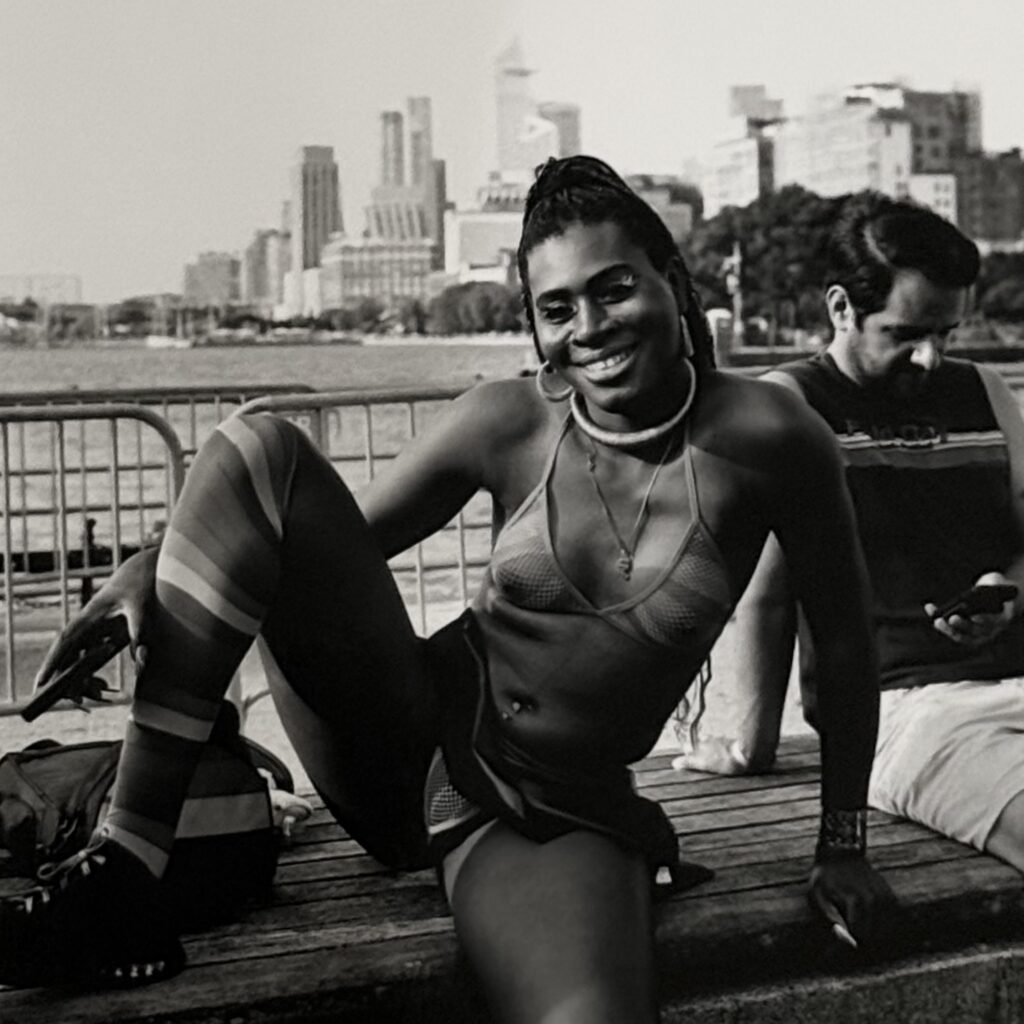
Despite the debates over commercialization and route changes, the 2026 March underscored the enduring power of collective visibility. The psychological impact of 500,000 LGBTQ+ individuals descending on a single square mile cannot be overstated. Sociologists refer to this phenomenon as "collective effervescence," a sense of unity and shared identity that arises when a community gathers for a common purpose.
For many participants, the 2026 event provided a necessary reprieve from the bigotry and violence that still impact the community. In the densest parts of the march, the sheer scale of the gathering creates a temporary reality where the marginalized become the majority. This "wild conviction," as described by attendees, allows for a belief in a world where discrimination has vanished, much like the multicolored confetti that litters the streets of the West Village following the parade.
Documentation and the Role of Visual Narrative
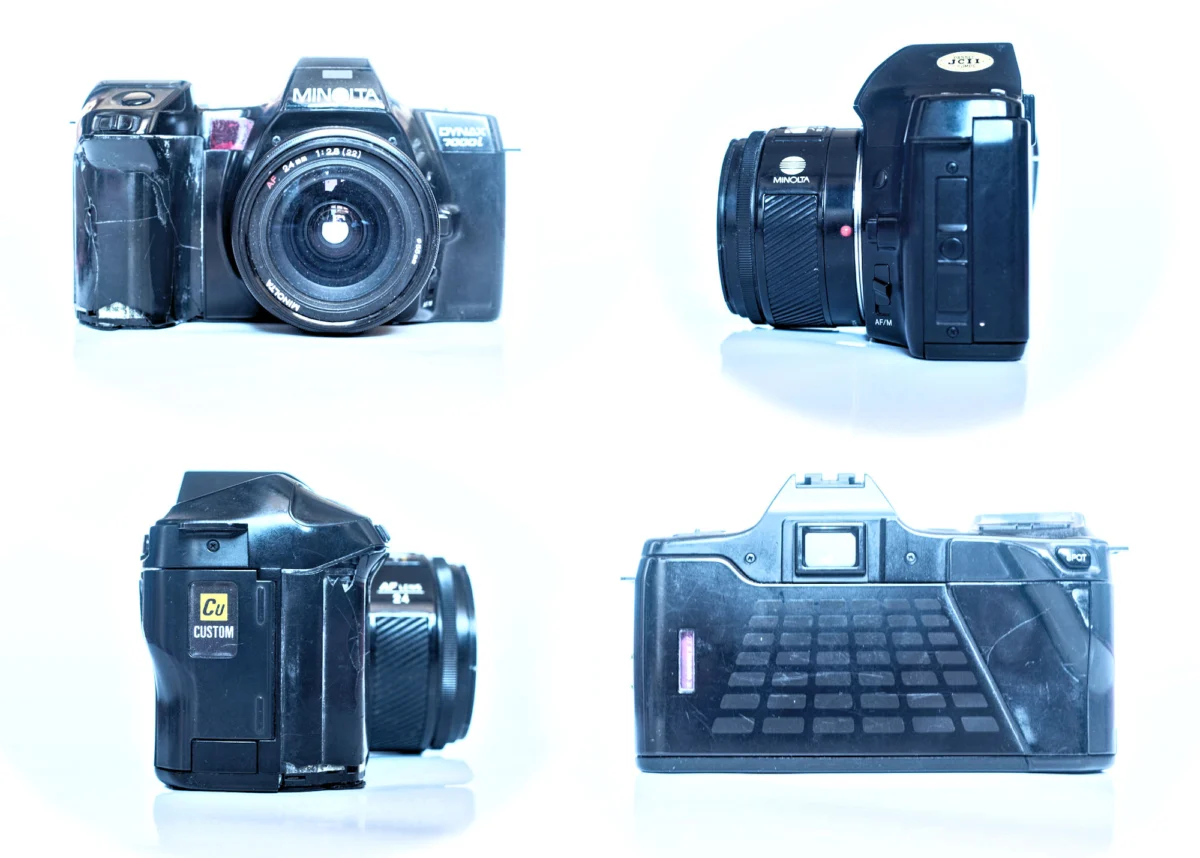
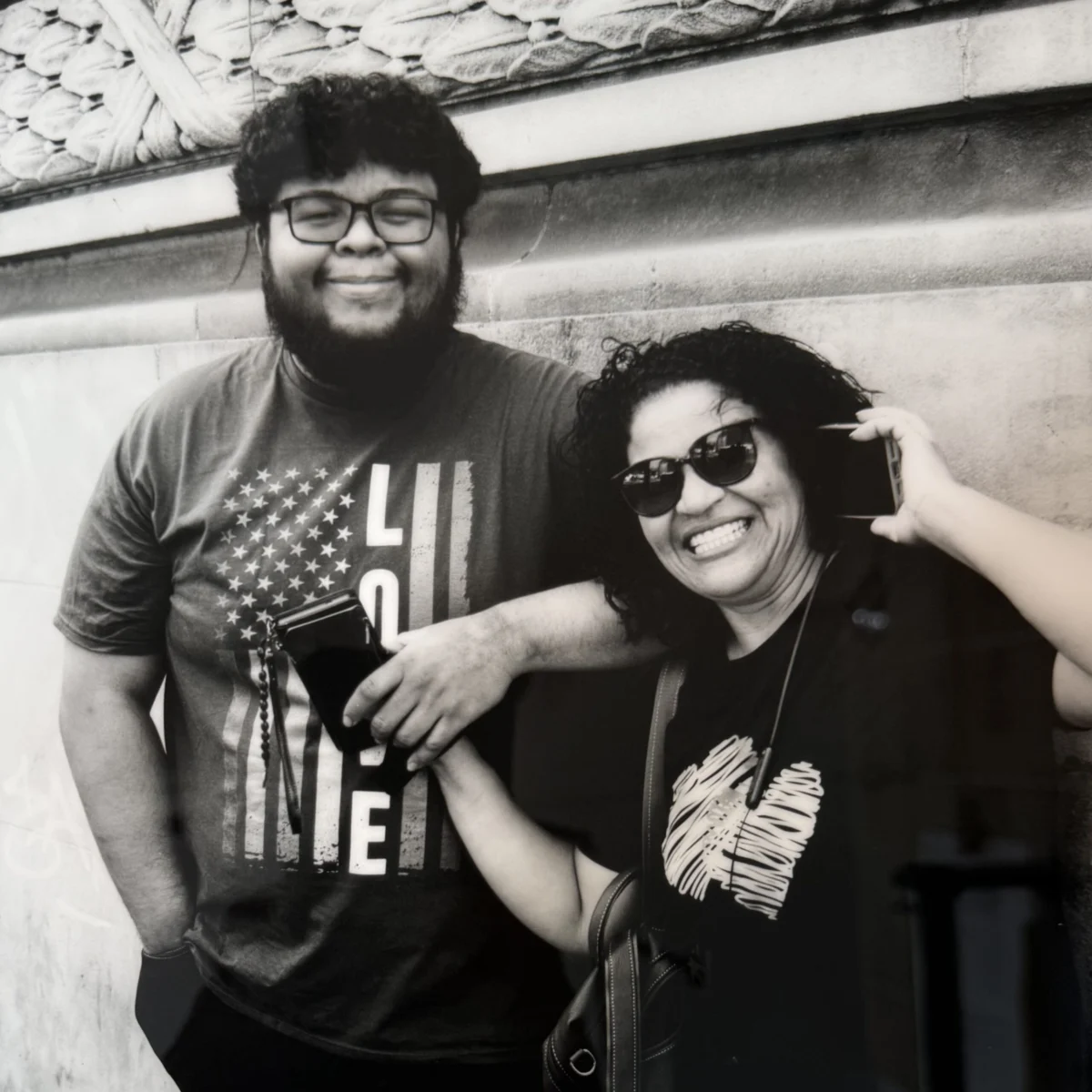
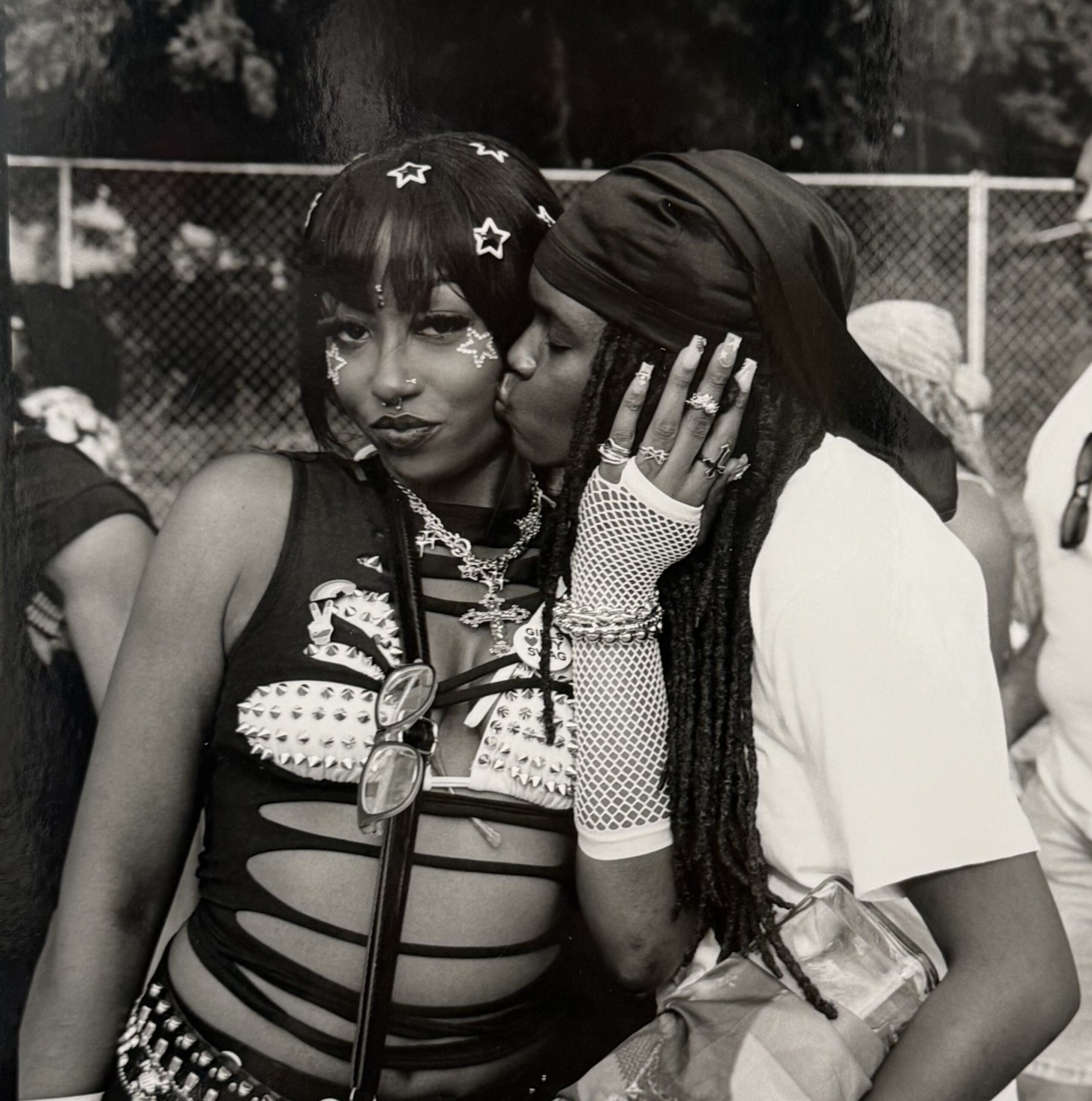
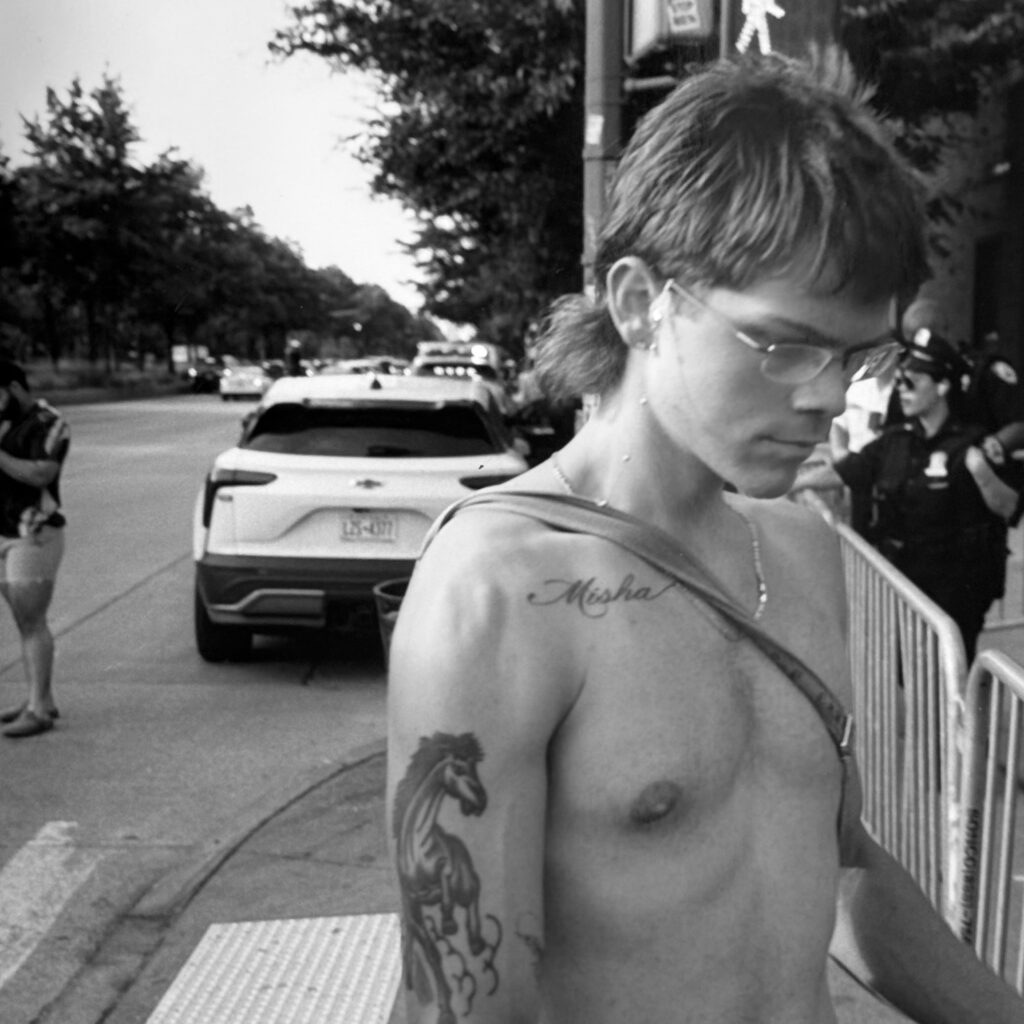
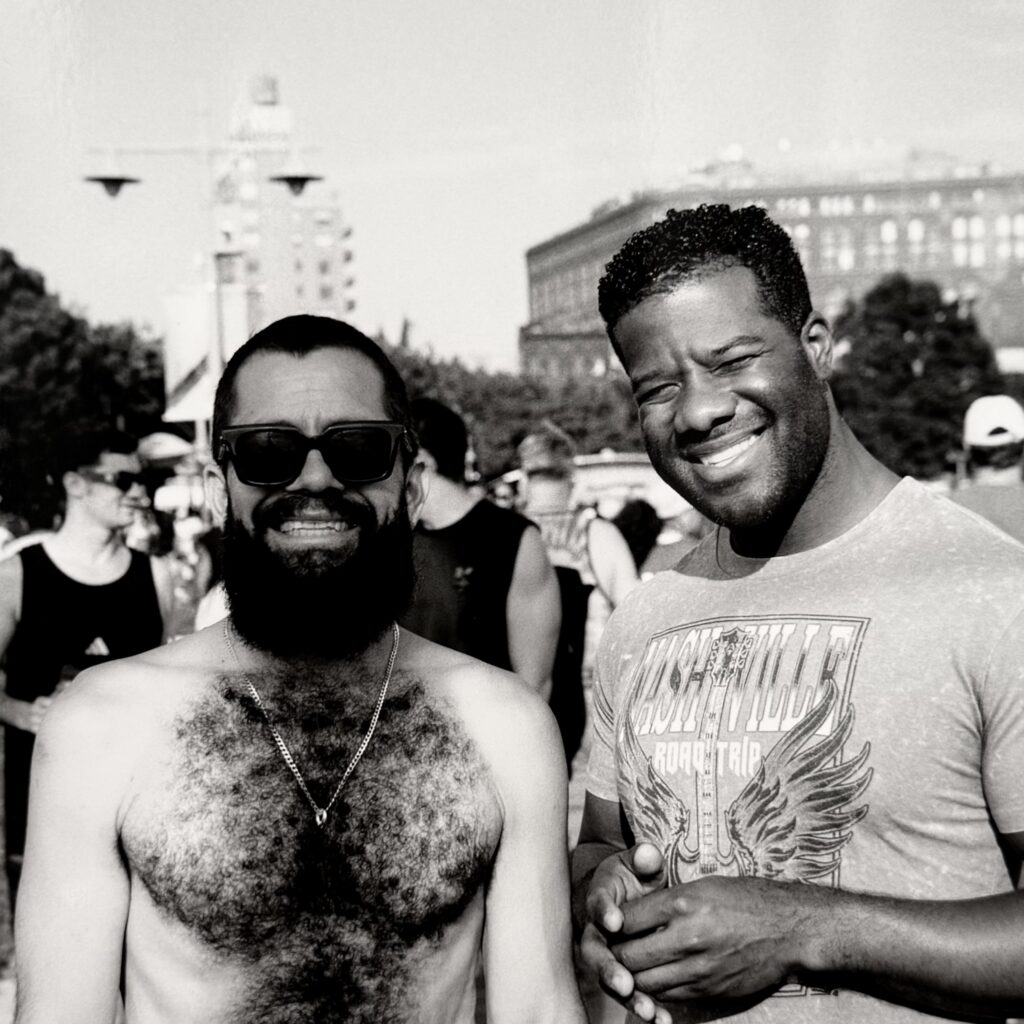
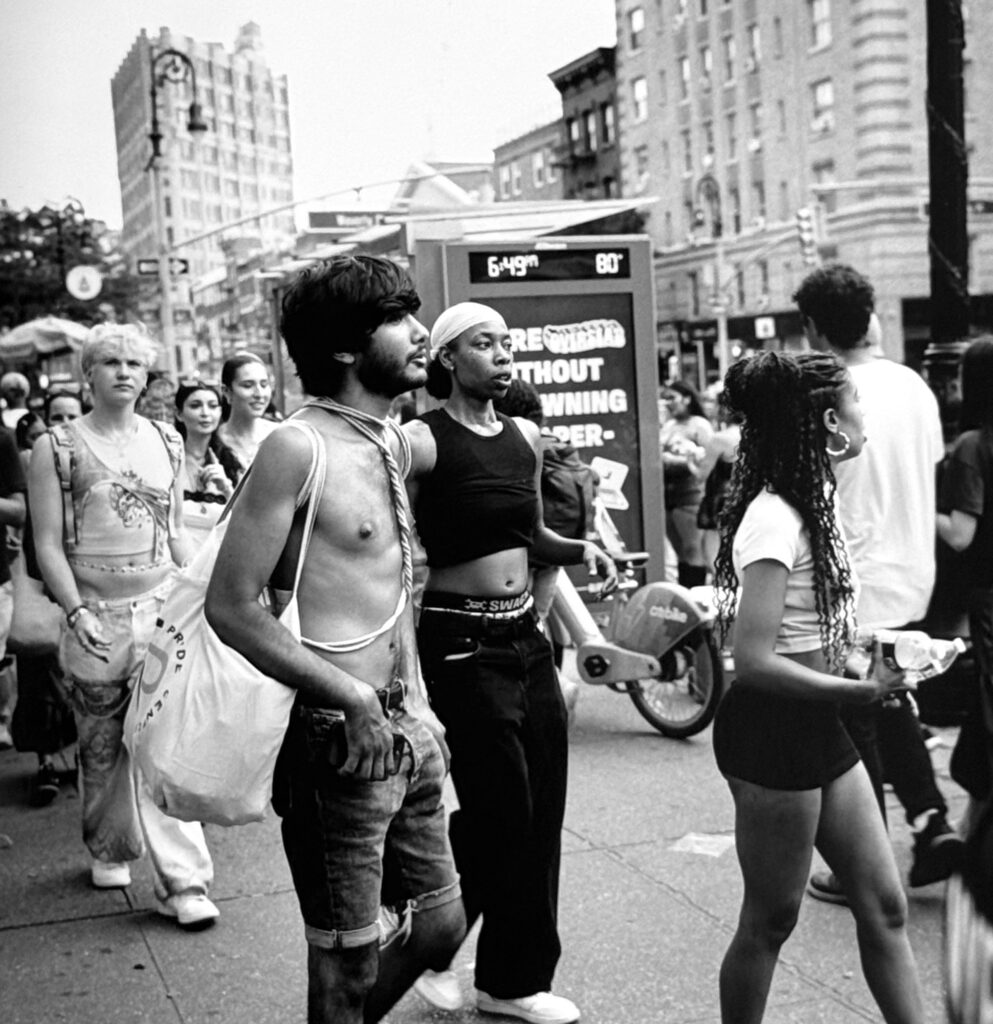
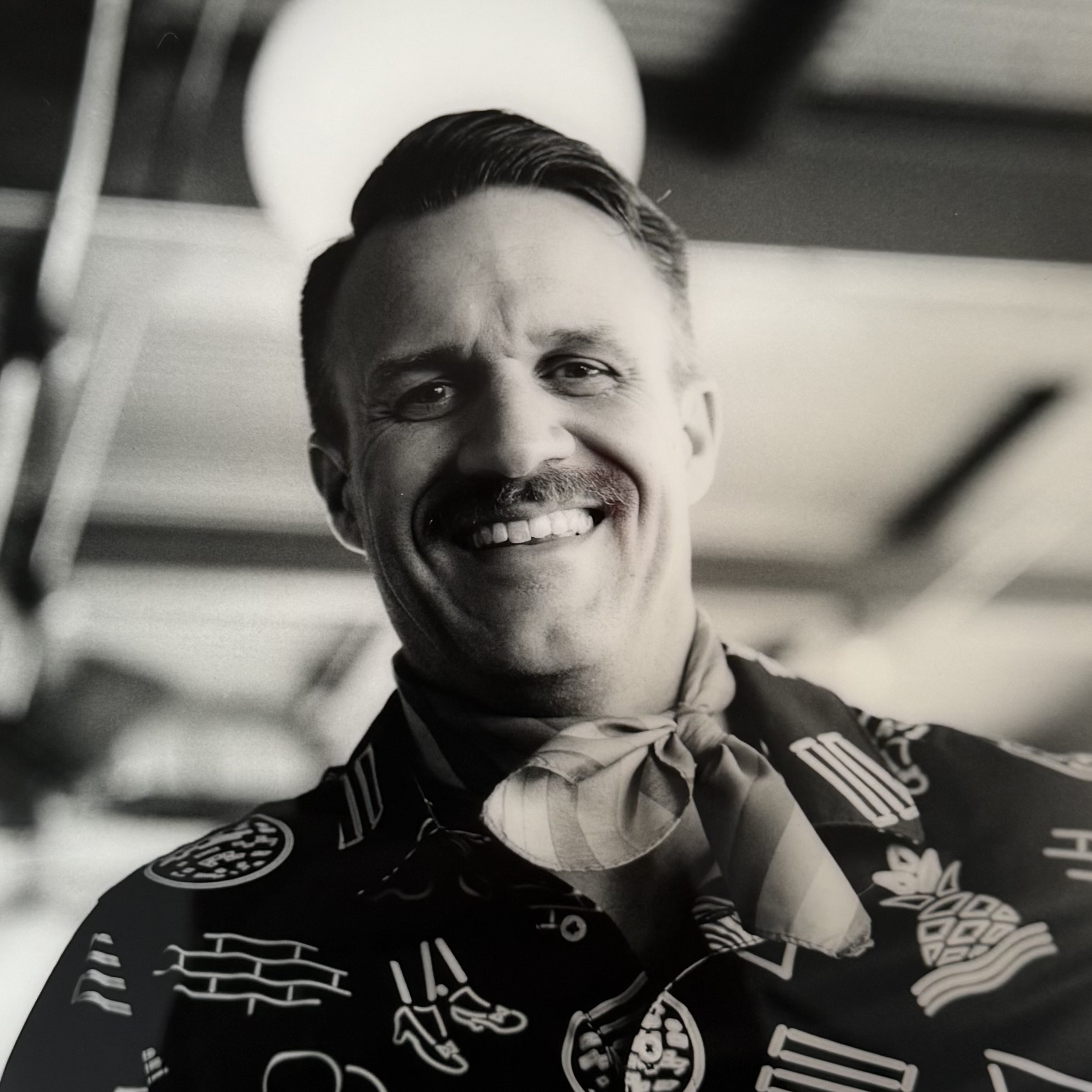
The 2026 March was documented through various lenses, ranging from ubiquitous smartphone photography to high-end digital media. However, a notable trend in 2026 has been a return to analog documentation. Photographers like David Pauley utilized traditional film formats—specifically the Rolleiflex 2.8F Planar camera and Kodak Tri-X 400 film—to capture the event.
This choice of medium serves as a deliberate counterpoint to the ephemeral nature of digital imagery. By using black-and-white film developed in traditional chemistry (such as Kodak HC-110) and printed on silver gelatin paper, photographers are creating a permanent, physical record of the 2026 March. This archival approach mirrors the community’s desire to preserve its history and ensure that the joy and struggle of the present remain accessible to future generations. The technical precision required for such work—from managing the exposure of Tri-X 400 to the delicate process of darkroom printing—reflects a disciplined commitment to storytelling.
Economic Implications for New York City
Beyond its social and political significance, the 2026 Pride March remains a vital economic engine for New York City. Preliminary data suggests that Pride-related activities in June 2026 contributed over $800 million to the local economy. This includes revenue generated by the hospitality sector, retail, and transportation. The West Village, in particular, sees a massive influx of patronage for local businesses, many of which are LGBTQ-owned or have historically served the community.
The city’s infrastructure is put to the test during the event, requiring extensive coordination between the NYPD, the Department of Sanitation, and the MTA. The ability of the city to host such a massive, peaceful gathering is often cited by officials as a testament to New York’s status as a global leader in civil rights and public event management.
Conclusion: The Path Forward from 2026
As the "annual swell of elation" from the 2026 March recedes, the LGBTQ+ community faces an uncertain but determined future. The event served as a reminder that the progress of the last thirty years is not self-sustaining; it requires constant vigilance and active participation. The 2026 March was more than a parade; it was a barometer of the social climate, a celebration of identity, and a stark reminder of the work that remains.
The transition from the confrontational protests of the 1990s to the corporate-sponsored celebrations of 2026 reflects a community that has moved from the margins toward the center of social life. However, as the political pendulum continues to swing, the lessons of the past—the urgency, the solidarity, and the necessity of being seen—remain as relevant as ever. The 2026 New York City Pride March proved that while the methods and the routes may change, the fundamental drive for equality and the joy of collective existence remain the heart of the movement.