Effective manipulation of light stands as a cornerstone in both photography and videography, transforming mere captures into compelling visual narratives. While technological advancements continuously introduce sophisticated equipment, the foundational understanding of light remains paramount. Professionals and aspiring visual artists alike must grasp three core principles—Intensity, Quality, and Direction—to transcend basic image capture and truly craft evocative scenes and subjects. These principles are not confined to the controlled environments of studio strobes or high-powered LEDs; they are equally critical in interpreting and harnessing the ever-shifting nuances of natural light, which constantly alters a scene’s visual dynamics.
The Historical Evolution of Lighting Control
The journey towards mastering light in visual arts is deeply intertwined with technological progress. In the nascent days of photography, artists were entirely reliant on natural sunlight, often necessitating open-air studios or glass-roofed structures to achieve sufficient illumination. The advent of artificial light sources marked a pivotal shift. Early electric arc lamps, followed by incandescent bulbs, provided photographers and filmmakers with unprecedented control over their scenes. This era saw pioneers experimenting with light placement and power, laying the groundwork for the systematic understanding of lighting principles. As film stock sensitivity increased and more refined lighting instruments became available, the deliberate application of intensity, quality, and direction evolved from necessity into a sophisticated art form, allowing for the creation of specific moods, dimensions, and focal points previously unimaginable. This historical trajectory underscores that while tools have changed, the fundamental principles governing light’s interaction with a subject have remained constant.
Intensity of Light: The Volume Control of Illumination
The intensity of light, often conceptualized as the "volume knob" of a light source, refers to the sheer quantity of light reaching a subject. This principle directly dictates the exposure settings required for an image or video, influencing the overall brightness or darkness of the final output. In a studio environment, controlling intensity is typically achieved via physical dials or digital interfaces on strobes and continuous lights, allowing for precise lumen or watt-second adjustments. For natural light scenarios, photographers employ tools such as Neutral Density (ND) filters to reduce incoming light without altering color, or adjust camera settings like ISO (sensitivity), aperture (f-stop), and shutter speed.
While fundamental to achieving correct exposure, intensity is often considered the most straightforward of the three principles to comprehend and manage. Its primary role is technical—ensuring adequate illumination for the camera sensor. However, its artistic implications are not to be underestimated. A high intensity light can create a vibrant, high-key image, suggesting optimism or clarity, whereas deliberately low intensity, or dim lighting, can evoke mystery, intimacy, or drama. Understanding the inverse square law, which states that light intensity diminishes by the square of the distance from the source, is crucial here. Doubling the distance halves the light intensity by a factor of four, a critical consideration for both artificial and natural light setups, impacting not just exposure but also fall-off and contrast.
Quality of Light: Shaping the Character of Illumination
The quality of light delves into the intrinsic characteristics of the light itself, encompassing a broad spectrum of variables that profoundly influence the mood, texture, and visual impact of a scene. This is arguably the most nuanced and complex of the three principles. Key aspects of light quality include its hardness or softness, its color temperature, and its spectral properties.
-
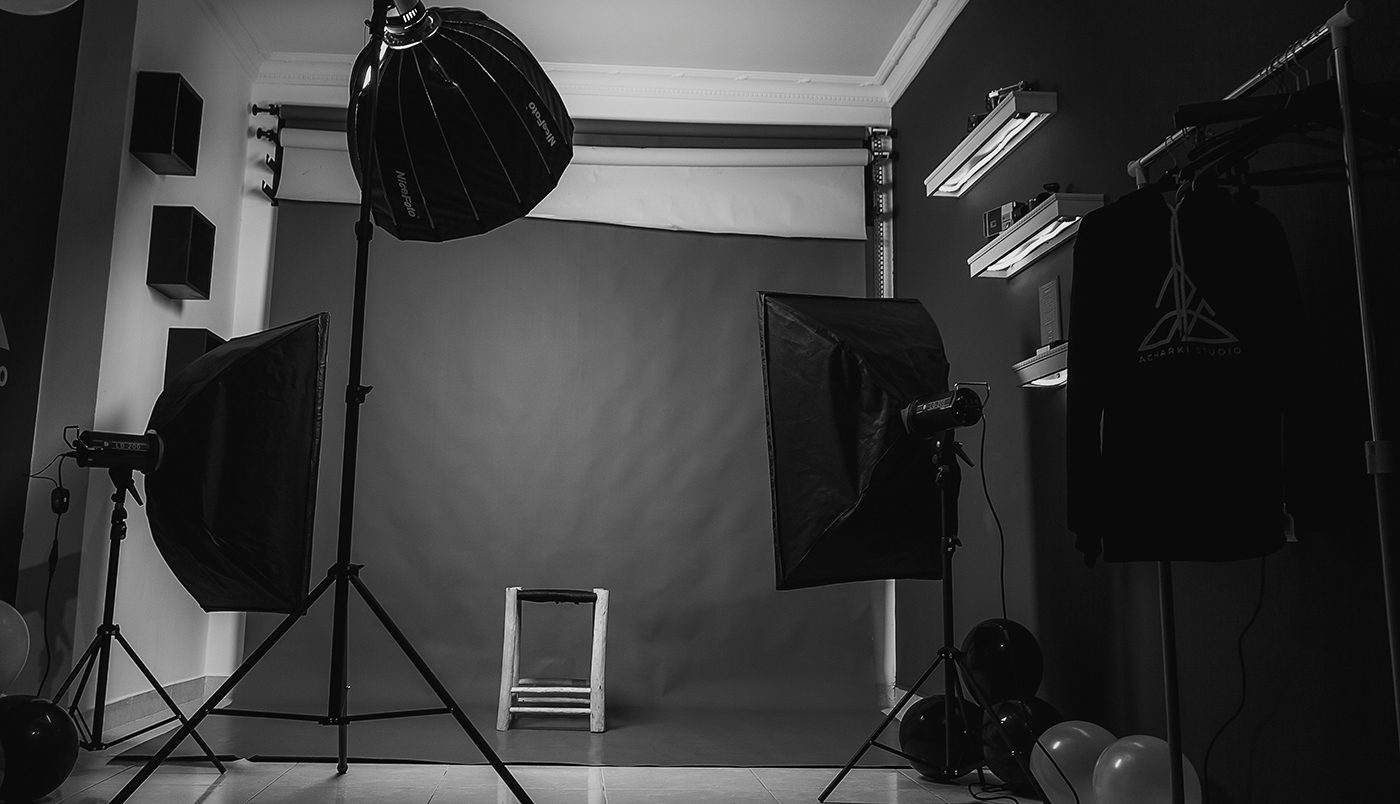
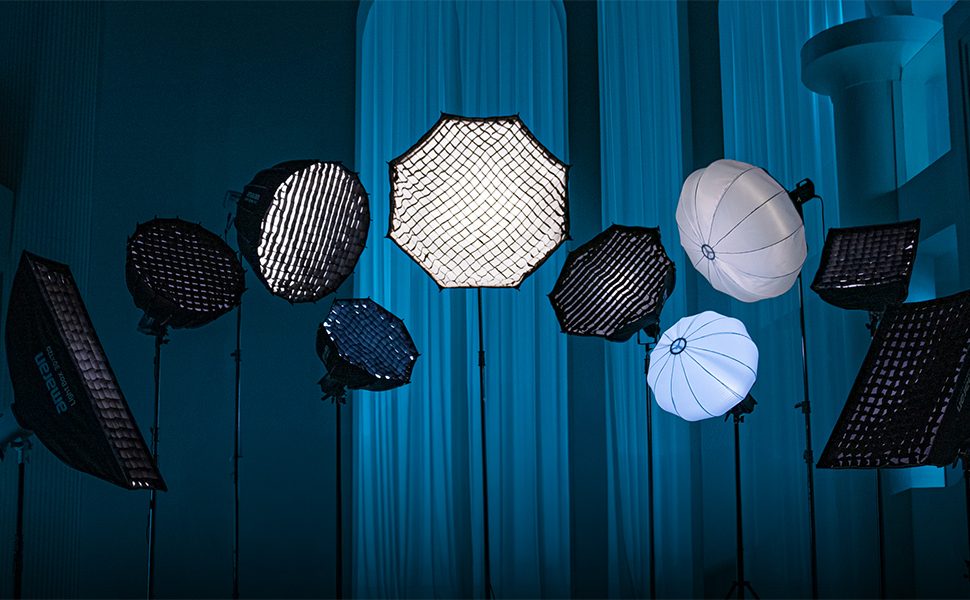
Hard vs. Soft Light: This distinction is determined by the apparent size of the light source relative to the subject. A small light source (like the sun on a clear day or a bare bulb) creates hard light, characterized by sharp, well-defined shadows and high contrast, often emphasizing texture and detail. Conversely, a large light source (such as an overcast sky or a diffused softbox) produces soft light, resulting in gentle, gradual transitions between light and shadow, minimizing contrast and flattering subjects by smoothing skin tones and reducing harsh lines. Modifiers like softboxes, umbrellas, scrims, and diffusers are instrumental in transforming hard light into soft, offering photographers immense creative control. The choice between hard and soft light significantly impacts the perceived mood—hard light can convey drama or tension, while soft light often suggests serenity or romance.
-
Color Temperature: Measured in Kelvin (K), color temperature describes the warmth or coolness of a light source. Daylight typically ranges from 5500K to 6500K (neutral to cool blue), while incandescent bulbs are much warmer, around 2700K to 3200K (yellow-orange). RGB LEDs offer an expansive spectrum of customizable colors, enabling highly stylized and thematic lighting. Accurate color rendition is vital, and tools like color gels are used to adjust the color temperature of artificial lights to match ambient light or create specific artistic effects. The Color Rendering Index (CRI) further evaluates a light source’s ability to accurately reveal the colors of objects compared to natural light, a crucial specification for professional work.
-
Specular vs. Diffused Reflection: The surface quality of light modifiers also falls under light quality. Highly reflective silver umbrellas or parabolic dishes produce more specular light, which is punchy and directional with distinct highlights. In contrast, soft white diffusion materials or bounce cards create more diffused light, spreading it broadly and evenly, reducing specular highlights.
The extensive variables within light quality make it a constant subject of discussion and innovation within the visual arts community. From the unique throw patterns of recessed light heads versus bulb heads to the subtle differences between various softbox designs, every detail contributes to the final image. This explains why professionals often develop a deep affinity for specific modifiers, such as the highly regarded parabolic reflectors known for their unique blend of softness and punch, and why the discontinuation or alteration of a favored product can cause significant concern.
Direction of Light: Sculpting Form and Depth

The direction of light refers to the placement of the light source relative to the camera and the subject. This principle is arguably the most potent tool for creating a sense of depth, volume, and three-dimensionality in a two-dimensional medium. By understanding how light falls on a subject from different angles, artists can sculpt features, define contours, and establish a visual hierarchy within the frame.
-
Naturalistic vs. Stylized Direction: Generally, overhead lighting is considered the most naturalistic, mirroring the sun’s position for much of the day. This produces shadows that fall downwards, which our brains instinctively interpret as normal. Deviating from this natural convention can create striking, often dramatic, effects. For instance, lighting a subject from directly below (often referred to as "monster lighting") can produce distorted, unsettling shadows that evoke menace or an "uncanny valley" effect, deliberately subverting natural perception.
-
Common Lighting Patterns: In practice, light direction is often discussed in terms of specific patterns:
- Key Light: The main light source, typically positioned to one side of the camera, casting the dominant shadows and defining the subject’s form.
- Fill Light: A secondary, softer light source, usually opposite the key light, used to reduce the intensity of shadows created by the key light, thereby controlling contrast.
- Backlight/Hair Light/Rim Light: Placed behind the subject, this light separates the subject from the background, creating a halo effect or emphasizing edges, adding depth and dimension.
- Kicker Light: A light from the side and slightly behind, often used to create a subtle rim or accent.
-
Angles and Degrees: When analyzing lighting breakdowns, the direction of light is frequently described in degrees relative to the subject and camera. For instance, a light at "45 degrees to the subject’s left and 45 degrees above" provides a precise understanding of its placement in three-dimensional space. This systematic approach allows for repeatable results and effective communication among professionals. Specific patterns like Rembrandt lighting (characterized by a triangle of light on the shadowed cheek) or butterfly lighting (a small shadow under the nose, ideal for portraits) are achieved through precise control over light direction.
The Synergy of Light: Integrating the Three Principles
While each principle—Intensity, Quality, and Direction—can be analyzed independently, their true power emerges from their synergistic interplay. A master of light understands that adjusting one variable inevitably impacts the others. For example, changing the direction of a hard light (quality) will create dramatically different shadows than changing the direction of a soft light. Increasing intensity (volume) without considering direction might overexpose part of the subject while leaving another underexposed, unless a fill light is strategically placed.
The deliberate combination of these principles allows for infinite creative possibilities. A high-intensity, hard light directed from a low angle can produce a stark, dramatic image, while a low-intensity, soft light from a high angle might create a dreamy, ethereal feel. The ability to visualize these interactions before even touching a light switch is a hallmark of an experienced visual artist.
Broader Impact and Implications Across Visual Media
The profound implications of mastering these three principles extend far beyond traditional photography and videography. In film, lighting is a primary tool for storytelling, conveying mood, foreshadowing events, and guiding the audience’s gaze. Cinematographers meticulously plan every light setup to support the narrative, from the chiaroscuro of a film noir to the vibrant palettes of a romantic comedy. In theater, stage lighting similarly dictates atmosphere and focus. Even in digital art and 3D rendering, virtual light sources are manipulated using these same fundamental concepts to achieve realistic or stylized results.
Understanding these principles is not merely about technical proficiency; it is about cultivating a visual language. It empowers creators to move beyond simply recording reality to actively shaping perception, evoking emotions, and communicating complex ideas through the nuanced interplay of light and shadow. As digital tools become increasingly sophisticated, the fundamental knowledge of how light behaves and how it can be controlled remains the bedrock upon which all advanced techniques are built.
Conclusion: The Enduring Relevance of Fundamental Illumination
In an era defined by rapid technological advancements, the core principles of light—Intensity, Quality, and Direction—remain immutable and indispensable. They are the grammar of visual communication, allowing artists to speak volumes without uttering a single word. From the initial conceptualization of a scene to its final execution, a deep understanding of these three pillars enables creators to meticulously sculpt light, transforming ordinary subjects into extraordinary visual experiences. Whether working with natural light, modern LED panels, or vintage strobes, mastery of these fundamentals is what elevates a competent technician to a visionary artist, ensuring that the art of illumination continues to evolve while retaining its timeless essence. Aspiring and seasoned visual artists are encouraged to continuously study, experiment, and refine their comprehension of these principles, for they are the keys to unlocking boundless creative potential in the dynamic world of visual media.