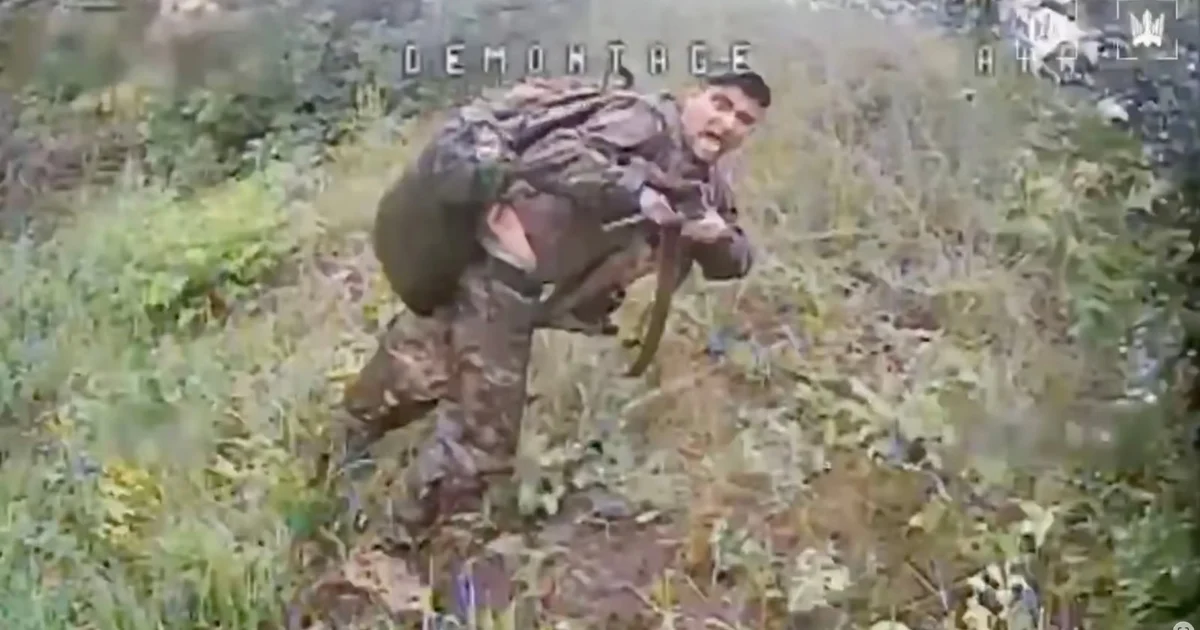
The drone footage that lingers longest in the collective memory is increasingly less likely to be a breathtaking cinematic sweep over a landscape or an innovative sports sequence, and more often a raw, unsettling glimpse into the brutal realities of modern warfare on the Ukrainian frontlines. These are not the curated artistic endeavors of hobbyists or professional cinematographers, but often unvarnished, first-person views of a human being’s final moments, captured by small, commercially available, yet lethally repurposed unmanned aerial vehicles (UAVs). This paradigm shift, first significantly highlighted in 2024, has fundamentally altered the calculus of ground combat and cast a long, complex shadow over the global drone industry, forcing a re-evaluation of technology, ethics, and military doctrine.
The Genesis and Evolution of Drone Combat in Ukraine
When Russia launched its full-scale invasion of Ukraine in February 2022, drones quickly emerged as indispensable tools. Initially, commercially available quadcopters, like those from DJI, were primarily utilized for reconnaissance, artillery spotting, and intelligence gathering. Their ability to provide real-time aerial oversight offered a significant advantage, allowing Ukrainian forces to observe Russian movements, direct fire more accurately, and assess battle damage with unprecedented speed. This early phase demonstrated the utility of readily available civilian technology in a high-intensity conflict, but it was merely a prelude to a far more transformative development.
The true revolution in drone warfare began to accelerate in late 2022 and early 2023 with the widespread adoption of First-Person View (FPV) drones. These devices, originally designed for racing and acrobatic flying by enthusiasts, are characterized by their agility, speed, and the immersive perspective they offer their pilots through goggles. Crucially, they are also remarkably inexpensive, costing hundreds rather than tens of thousands of dollars, making them expendable assets. Ukrainian ingenuity quickly saw their potential as "kamikaze" or "loitering munition" platforms. Modified with improvised explosive devices (IEDs) or anti-tank grenades, these FPV drones transformed from reconnaissance tools into precision strike weapons capable of hitting individual soldiers, vehicles, and even hardened targets with devastating accuracy.
This shift was largely fueled by a grassroots effort. Ukrainian volunteers and crowdfunding initiatives played a critical role in procuring components, assembling drones, and training pilots on an industrial scale. Workshops across the country, often staffed by engineers, tech enthusiasts, and even former hobbyists, began churning out thousands of FPV drones monthly. This decentralized production model, coupled with the relatively low cost per unit, allowed Ukraine to field a vast number of these potent weapons, effectively democratizing precision firepower. The implications for traditional military procurement, which often involves multi-year contracts for vastly more expensive and complex systems, were profound.
A Dystopian Battlefield: Tactics and Psychological Warfare
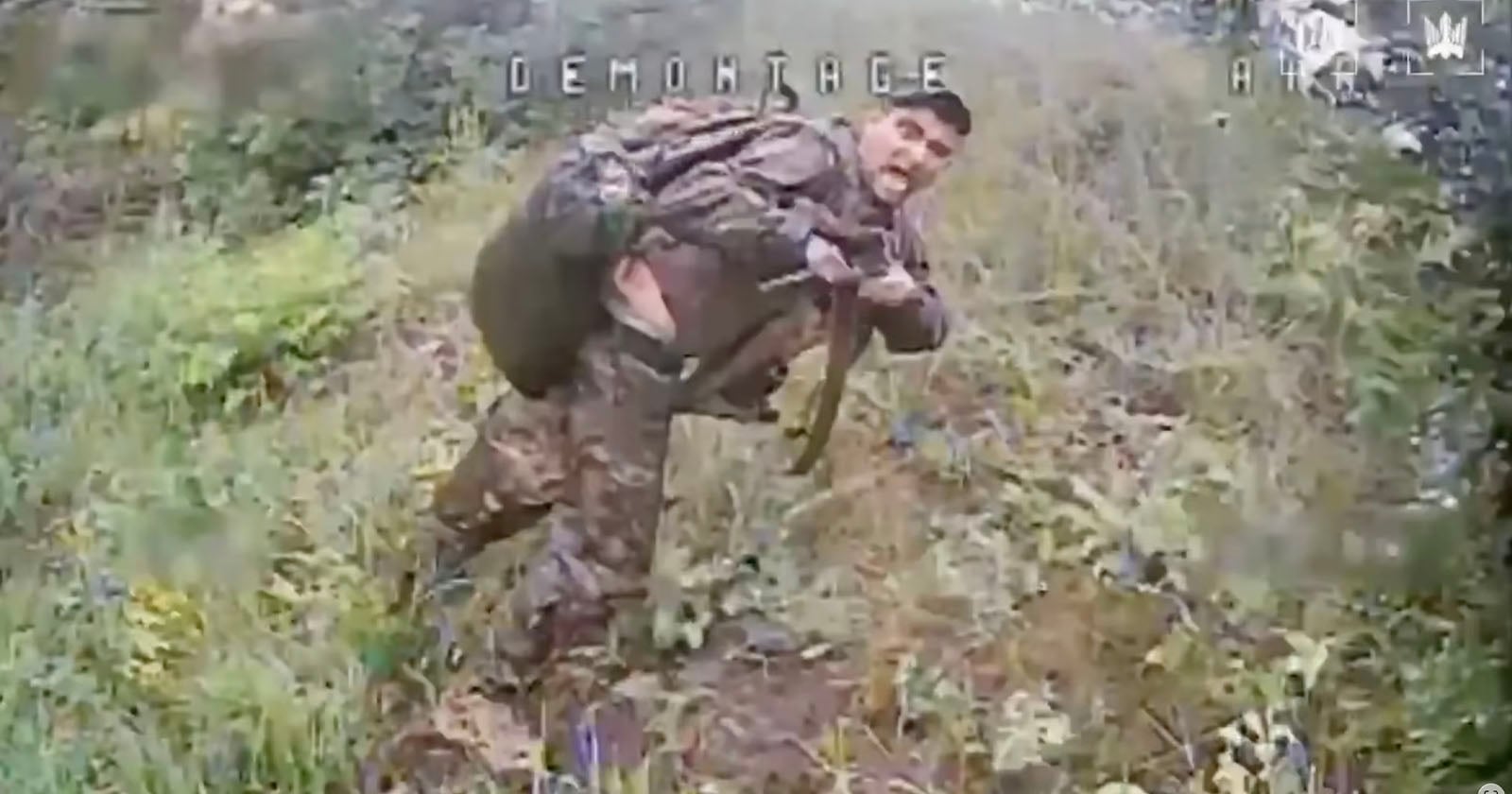
The integration of FPV kamikaze drones has ushered in a truly dystopian reality on the Ukrainian front. What was once a battlefield where soldiers could congregate for briefings, rest, or coordinated movements has become a perpetual "kill zone." The constant threat of an aerial attack from a small, often silent, and highly maneuverable drone has compelled Russian troops to radically alter their operational tactics. Large troop formations are now exceedingly rare, as they present an irresistible target. Instead, soldiers are forced to traverse open terrain in small groups of two or three, or often, entirely alone, minimizing their target profile but magnifying their isolation and vulnerability.
The operational cycle is relentless. Ukrainian surveillance drones, flying at higher altitudes, continually scan the landscape for enemy movement. Once a target is identified, coordinates are relayed to FPV drone units. These kill drones, often rigged with explosives, are then launched, guided by pilots who are themselves often concealed underground or within buildings, sometimes even within the broader kill zone, as reported by Reuters. The control mechanisms vary, from radio signals – susceptible to electronic warfare but offering greater range – to remarkably long, ultra-fine fiber-optic cables that trail behind the drones, providing a secure, unjammable connection for close-range precision strikes. This "wired" approach ensures command and control even in heavily contested electromagnetic environments.
The psychological toll on soldiers is immense. The skies are no longer neutral territory but a source of omnipresent danger. The whirring of rotors, or even just the knowledge of unseen eyes above, creates a pervasive sense of dread and vulnerability. Footage widely shared by Ukrainian regiments on platforms like Telegram, though graphic, serves as both a grim testament to the effectiveness of these drones and a tool of psychological warfare. These haunting videos frequently capture the final moments of Russian soldiers: some frantically attempt to shoot down the approaching UAV, a desperate, often futile gesture against a swift and agile adversary; others fall to the ground, hands clasped in prayer, a stark image of abject terror and helplessness. Russian soldiers are advised to seek cover, to place objects between themselves and the drone, or lie still in the hope of evading detection. However, with increasingly high-resolution cameras and advanced thermal imaging on surveillance drones, such measures are often ineffective in open landscapes, rendering soldiers extremely vulnerable.
The Human Cost: Unprecedented Attrition Rates
The proliferation of these FPV drone videos over the past six months, coinciding with the war entering its fifth year (as of the article’s assumed 2026 context), paints a grim picture of escalating casualties. Close observers of the conflict suggest an unprecedented rate of attrition, with estimates indicating that as many as 30,000 Russian troops are being killed every month. This staggering figure, if accurate, surpasses the rate at which new recruits and mobilized soldiers can be effectively deployed to the frontline, creating a constant deficit in manpower despite Russia’s larger population reserves. Such high casualty rates are unsustainable for any military in the long term and reflect the grinding nature of the conflict and the effectiveness of Ukrainian defensive and offensive technologies.
Despite these immense losses, Russia continues its strategy of attrition, relying on its demographic advantage to incrementally push forward. President Putin is reportedly preparing for a new, significant mass mobilization of troops for September, aiming to replenish depleted ranks and sustain the offensive. This indicates a recognition within the Russian leadership of the severe human cost, yet a determination to press on, underscoring the brutal calculus of the conflict. The constant rotation of inexperienced or poorly trained soldiers into such a lethal environment perpetuates the cycle of high casualties, exacerbating the psychological and logistical challenges for the invading forces.
Broader Implications for the Drone Industry
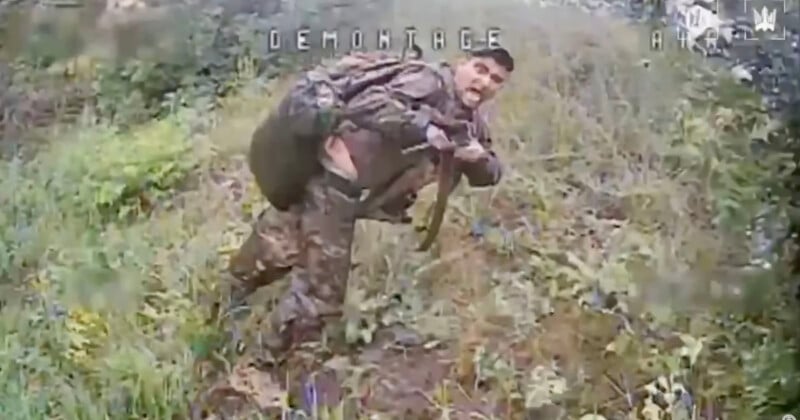
Beyond the immediate battlefield, this new era of drone warfare carries profound implications for the global drone industry. For years, drones have been championed as tools for creativity, innovation, and efficiency – capturing stunning landscapes, assisting in infrastructure inspection, enabling rapid delivery services, and facilitating search and rescue operations. However, the dominant imagery emerging from Ukraine is rapidly reshaping public perception, transforming the drone from a versatile creative tool into a potent killing machine. This shift in public consciousness could have far-reaching consequences.
Manufacturers, particularly those producing consumer-grade drones like DJI, have found themselves in an unenviable position, navigating complex ethical, regulatory, and commercial challenges. DJI, the world’s largest drone maker, has already faced significant scrutiny, export controls, and sanctions due to concerns over how its commercially available aircraft can be repurposed for military use. The company has publicly stated its opposition to the use of its products in combat and has implemented geo-fencing and software restrictions in war zones, but the adaptability of these technologies often outpaces such countermeasures.
The future regulatory landscape is almost certainly headed towards greater scrutiny. Governments worldwide are likely to impose more stringent controls on who can purchase drones, the types of drones that can be sold, and how they are used. This could include mandatory registration, stricter licensing requirements, limitations on advanced features for civilian models, and more rigorous export controls. The "dual-use" nature of drone technology – its capacity for both civilian and military application – will remain a central challenge for policymakers and industry alike. The economic impact could be twofold: a surge in investment and development for military-grade drone technology, potentially at the expense of a consumer market struggling with negative public perception and increased regulatory burdens.
Technological Acceleration and Future Warfare Doctrines
The pressures of modern warfare in Ukraine have become an unlikely crucible for technological advancement in drone capabilities. Features once primarily valued by filmmakers and industrial operators – such as superior obstacle avoidance, lower latency in control signals, extended flight times, and more reliable communications – are now being refined and pushed to their limits under combat conditions. The demand for resilience against electronic warfare (EW), enhanced battery life for longer missions, and advanced sensor fusion for better target acquisition is accelerating innovation at an unprecedented pace.
Furthermore, the effectiveness of Ukrainian drone teams is already influencing military doctrines globally. In recent NATO exercises, small, agile Ukrainian drone units have reportedly demonstrated superior tactical performance against allied forces, highlighting deficiencies in conventional military approaches to this new form of warfare. This outcome, deemed "unsurprising" by some analysts, underscores the need for Western militaries to adapt quickly, integrating similar drone capabilities and developing robust counter-drone strategies. Training programs are being redesigned to incorporate drone operation and defense, recognizing that future conflicts will invariably involve an aerial layer populated by swarms of both sophisticated and improvised UAVs. The development of artificial intelligence for autonomous target recognition, swarm coordination, and independent decision-making in drones further looms on the horizon, raising profound ethical questions about the future of warfare and accountability.
Ethical Quandaries and the Public Gaze

The widespread dissemination of raw combat footage, particularly the "final moments" videos, presents a complex ethical quandary. While they offer an unfiltered, albeit brutal, view of the realities of war, they also contribute to the normalization of extreme violence and raise questions about privacy, dignity, and the potential for desensitization among viewers. For the pilots, the act of remotely guiding a weapon to its target, witnessing the impact in first-person, introduces a new dimension of psychological stress and moral injury.
Ultimately, the drone’s legacy is being written on the battlefields of Ukraine. Will future generations primarily associate drones with the breathtaking cinematic fly-throughs of a bowling alley, the serene beauty of the Icelandic highlands, or the chilling, grainy footage of soldiers hunted from the sky? The answer will depend not only on how the conflict evolves but also on how the drone industry, governments, and society grapple with the profound ethical, technological, and perceptual shifts catalyzed by this brutal new chapter in military history.
Conclusion: An Unfolding Reality
The war in Ukraine has irrevocably transformed the landscape of modern conflict, elevating the drone from a niche military asset and civilian curiosity to a central, defining element of warfare. The inexpensive, adaptable FPV drone has democratized lethal precision, forcing radical tactical adjustments and inflicting a staggering human cost. Simultaneously, it has accelerated technological innovation while plunging the drone industry into an existential crisis of perception and regulation. As the conflict grinds on, the images of soldiers facing an unseen, airborne threat will continue to proliferate, challenging our understanding of combat, technology, and humanity itself. The shadow cast by the drone over the battlefield is long and complex, and its full implications for the future of both war and peace are only just beginning to unfold.