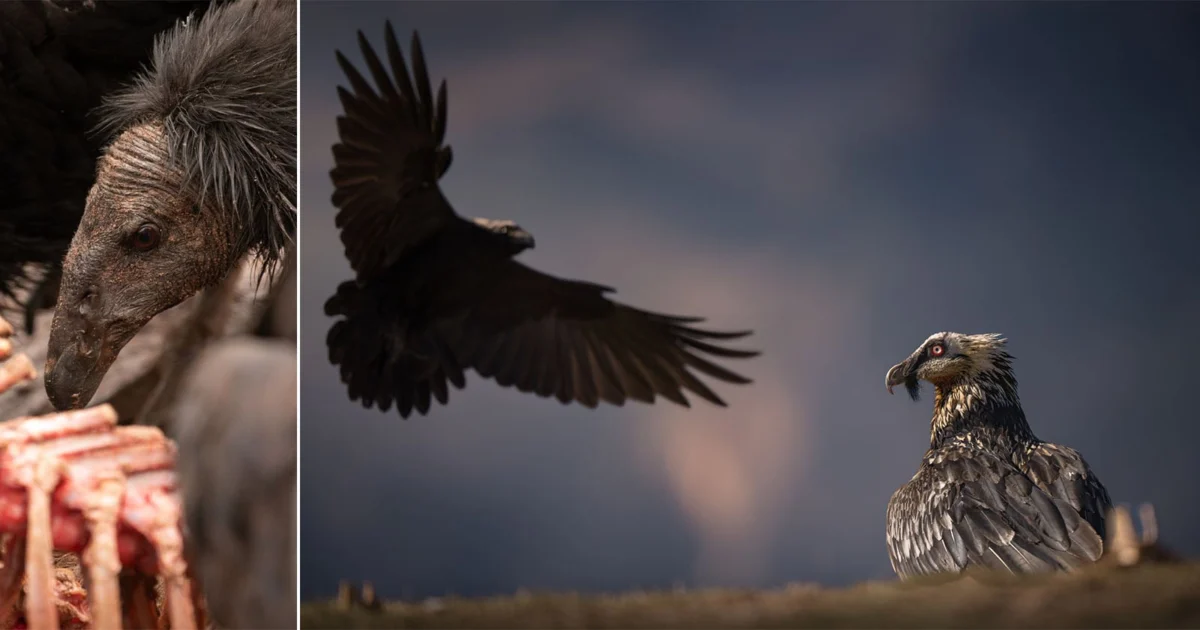
International Vulture Awareness Day (IVAD) has once again shone a spotlight on the often-misunderstood and critically important role of vultures in global ecosystems, recently announcing the winners of its annual Vulture Interactions Photography Contest. This year’s competition, designed to illuminate the complex relationships vultures forge within their habitats and with other species, culminated in Thomas Remmits receiving the overall victory for his striking image, "Young Bearded Vulture and Raven, Spain (2025)." The contest serves as a powerful testament to the organization’s dedication to global vulture conservation, leveraging the evocative power of photography to educate the public about these essential avian scavengers and the delicate ecological balance they maintain.
A Captivating Glimpse into Avian Dynamics: The Winning Image
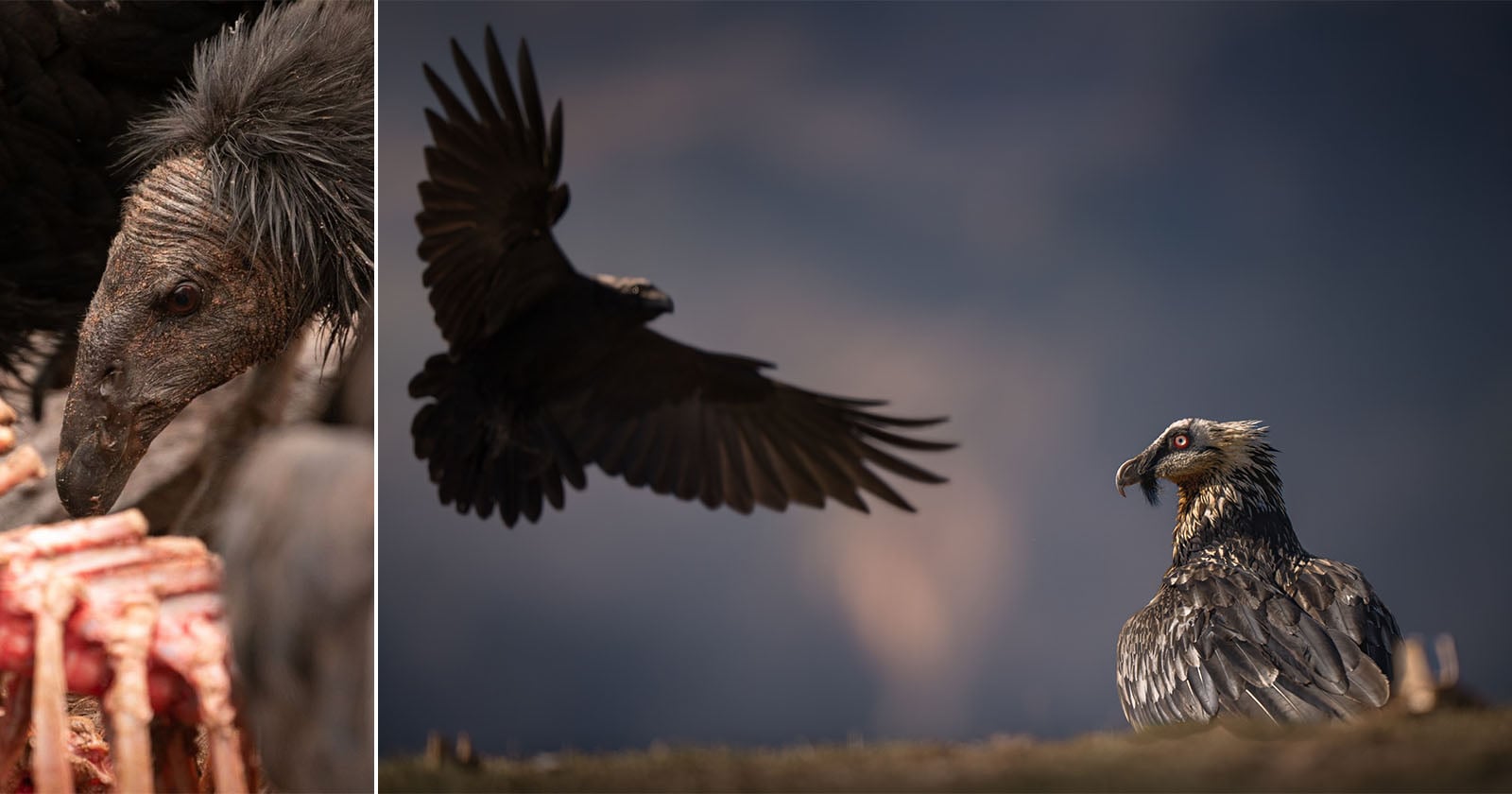
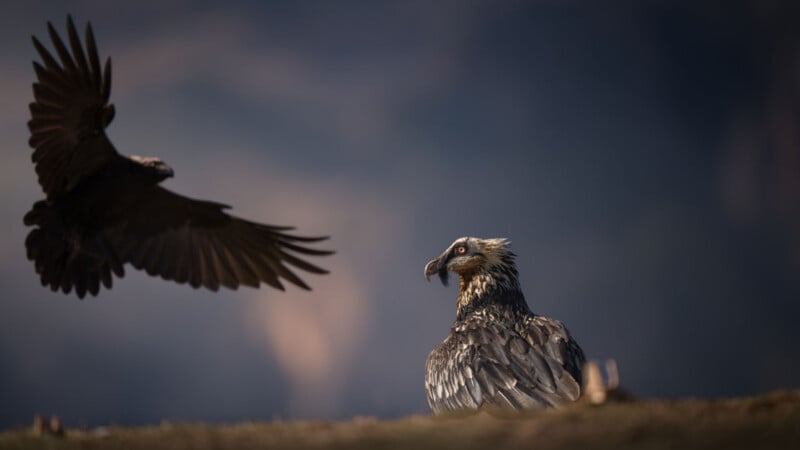
Remmits’ award-winning photograph captures a poignant moment of natural interaction in the Spanish landscape. It features a young Bearded Vulture (scientific name: Gypaetus barbatus), also known as the Lammergeier, perched with an alert posture on a rugged ridge. Its gaze is fixed, seemingly in response to the dynamic approach of a Common Raven (Corvus corax), captured mid-flight against a moody, dramatic background. The image masterfully conveys a sense of tension and vigilance, encapsulating the intricate dance of coexistence in the wild. As IVAD astutely observes, encounters between ravens and vultures are frequent occurrences in shared territories, often stemming from their common foraging interests in carrion. These interactions are a nuanced blend of "caution, opportunism, and rivalry," where each species navigates the delicate balance of asserting dominance while seizing opportunities for sustenance. IVAD praised Remmits’ photograph for perfectly embodying the contest’s theme, highlighting the "dynamic relationships that define life in the world." The image not only showcases the physical beauty of these birds but also provides a window into their behavioral ecology, challenging preconceived notions about their solitary nature and revealing the intricate social dynamics at play.
International Vulture Awareness Day (IVAD): A Catalyst for Conservation
Established with the explicit mission of promoting the conservation of vulture species globally, International Vulture Awareness Day has grown into a pivotal platform for advocacy and education. The organization works tirelessly to dispel myths and misconceptions surrounding vultures, which are often unfairly maligned as symbols of death and decay. Instead, IVAD emphasizes their indispensable role as nature’s clean-up crew, preventing the spread of disease and maintaining ecosystem health. Photography contests, such as the Vulture Interactions Photography Contest, are a cornerstone of IVAD’s educational outreach. By inviting photographers to capture the beauty and complexity of vulture life, the organization generates compelling visual narratives that resonate with a global audience. These images transcend linguistic and cultural barriers, fostering empathy and understanding for species that are often overlooked or actively feared. The annual themes of these contests are carefully chosen to highlight specific aspects of vulture biology, behavior, or conservation challenges, ensuring a continuous stream of fresh insights and perspectives.
Unveiling Regional Excellence: A Global Tapestry of Vulture Life
Beyond Remmits’ overall triumph, IVAD recognized the exceptional talent of photographers across various continents, selecting Regional Runners-Up from Africa, the Americas, Asia, and Europe. These regional awards underscore the global distribution of vulture species and the diverse challenges and interactions they face across different biomes. While only three of these regional winners are showcased directly, their collective impact reinforces the contest’s core message. For instance, the Africa Runner-Up captured a dramatic mid-air confrontation between a Lappet-faced Vulture and a Secretary Bird over a grassy savanna in Kenya, with an antelope visible in the distance. This image vividly portrays the competition for resources in rich African wildlife landscapes, where various scavengers and predators interact at carrion sites. Such photographs are invaluable for illustrating the complex food webs and competitive dynamics that characterize natural ecosystems. The Americas and Europe regional winners, though not fully detailed in the provided content, would undoubtedly contribute similarly compelling narratives, perhaps showcasing species like the California Condor, Andean Condor, or various European griffon vultures in their unique environmental contexts. The fourth regional winner, Narendra Shrivastava’s captivating entry from the Asia region, is accessible via IVAD’s official website, completing the global representation and demonstrating the wide array of interactions and habitats that vultures inhabit. Each regional winning image, therefore, contributes a vital piece to the global mosaic of vulture conservation, showcasing their resilience and adaptability across different continents.
The Ecological Imperative: Why Vultures Matter
Vultures are not merely scavengers; they are foundational components of healthy ecosystems, providing an array of indispensable ecological services that are often undervalued. Their primary role is the rapid consumption of carrion, preventing the accumulation of decaying carcasses that could otherwise become breeding grounds for pathogens and disease-carrying vectors. Without vultures, the decomposition process would slow significantly, leading to increased populations of disease-carrying insects and mammals like rats and feral dogs. This unchecked proliferation poses substantial risks to both wildlife and human health, potentially leading to outbreaks of deadly diseases such as anthrax, rabies, botulism, and tuberculosis.
Consider the devastating impact of vulture declines in India during the 1990s and early 2000s. The widespread use of the veterinary drug diclofenac, toxic to vultures, led to a catastrophic population crash of several species, notably the Oriental White-backed, Long-billed, and Slender-billed Vultures. This ecological vacuum resulted in a dramatic increase in feral dog populations, which took over the scavenging niche. Consequently, reported cases of rabies, a zoonotic disease with a nearly 100% fatality rate in humans if untreated, soared, leading to significant human mortality and substantial public health costs. This tragic episode serves as a stark, real-world example of the profound and far-reaching implications of losing vulture populations.
Beyond disease prevention, vultures play a crucial role in nutrient cycling, returning essential elements from dead organic matter back into the ecosystem, thereby supporting plant growth and overall biodiversity. They also act as natural indicators of environmental health; their decline often signals broader ecological problems, such as habitat degradation, poisoning, or shifts in prey populations. Their efficient scavenging also reduces greenhouse gas emissions that would otherwise be released during the slower decomposition of carcasses.
Threats on the Horizon: The Plight of Vultures
Despite their critical ecological contributions, vultures are among the most threatened avian groups globally. Conservation organizations report that over 70% of the world’s approximately 23 vulture species are currently listed as endangered or critically endangered by the IUCN Red List. The threats they face are multifaceted and complex:
- Poisoning: This is arguably the most significant threat. Vultures often fall victim to intentional or unintentional poisoning. Farmers or poachers sometimes lace carcasses with pesticides to target predators of livestock or to deter scavengers from poaching sites. Vultures, with their communal feeding habits, can consume these poisoned carcasses in large numbers, leading to mass mortality events.
- Habitat Loss and Degradation: As human populations expand, natural habitats are converted for agriculture, urbanization, and infrastructure development. This reduces the availability of suitable nesting sites, roosting areas, and foraging grounds.
- Lack of Food: Changes in agricultural practices, improved veterinary care for livestock, and declining wild ungulate populations can lead to a scarcity of carrion, forcing vultures to forage over wider areas and increasing their exposure to risks.
- Electrocution and Collision: Power lines and wind turbines pose significant threats, especially to large-bodied birds like vultures, leading to fatal electrocutions or collisions.
- Persecution and Cultural Misconceptions: In some regions, vultures are killed for traditional medicine, perceived as bad omens, or simply because of a general misunderstanding of their ecological role.
- Climate Change: Shifting weather patterns can impact prey availability, alter migration routes, and increase the frequency of extreme weather events, all of which can negatively affect vulture populations.
Conservation in Action: A Global Commitment
Recognizing the dire situation, conservationists, governments, and NGOs worldwide have mobilized to protect these vital birds. Efforts are multi-pronged and include:
- Anti-Poisoning Campaigns: Educating communities about the dangers of poisoning, promoting alternative methods for predator control, and implementing rapid response protocols to poisoned carcasses are crucial. In South Asia, the successful ban of diclofenac for veterinary use and the promotion of safe alternatives like meloxicam have been monumental steps in allowing vulture populations to slowly recover.
- Safe Feeding Sites (Vulture Restaurants): Establishing monitored feeding stations where safe, uncontaminated carrion is provided helps ensure a reliable food source and reduces the risk of poisoning.
- Captive Breeding Programs: For critically endangered species like the California Condor, captive breeding and reintroduction programs have been instrumental in preventing extinction and slowly rebuilding wild populations.
- Habitat Protection and Restoration: Conserving and restoring key breeding, roosting, and foraging habitats is essential for long-term survival.
- Policy and Legislation: Advocating for stronger legal protections for vultures and stricter regulations on harmful chemicals is vital.
- Public Awareness and Education: Campaigns like IVAD are paramount in changing public perception, fostering appreciation, and garnering support for conservation efforts.
Photography as a Conservation Tool: Telling the Vulture Story
The Vulture Interactions Photography Contest exemplifies the profound impact that visual storytelling can have on conservation. As IVAD states, the winning images "help tell the story of vultures beyond their reputation as scavengers, showing the remarkable behaviors, relationships and ecological importance of these incredible birds." Each photograph serves as a powerful ambassador, transforming abstract conservation messages into tangible, emotionally resonant experiences.
Heather Morris’s photo, mentioned in the original text, likely depicts the quintessential feeding behavior of vultures, highlighting their role in the food chain. Anastasov’s portrait, conversely, might reveal the more "regal, pretty side" of vultures, emphasizing their inherent beauty and unique features, thereby challenging the common perception of them as unsightly. Both perspectives are equally important. By presenting vultures in diverse lights—from their vital scavenging duties to their majestic presence—photography helps to cultivate a more holistic and accurate understanding of these birds. It encourages viewers to look beyond superficial appearances and appreciate the intricate adaptations and behaviors that make vultures such a special and indispensable part of our planet’s biodiversity.
Looking Forward: The Future of Vulture Conservation
The journey to secure the future of vultures is ongoing and demands sustained global effort. The success of initiatives like the International Vulture Awareness Day Photography Contest underscores the power of combining scientific conservation strategies with compelling public engagement. By celebrating the beauty and ecological significance of vultures through the lens of talented photographers, IVAD continues to build a global community of advocates dedicated to protecting these "antiheroes of our ecosystems." As PetaPixel rightly highlighted over a decade ago, the critical word defining vultures is "heroes." They are silent guardians of public health and environmental integrity, working tirelessly behind the scenes to keep our world clean and safe. Continued investment in research, habitat protection, anti-poisoning measures, and, crucially, public education, will be essential to ensure that these magnificent birds continue to soar across our skies, performing their vital services for generations to come. The Vulture Interactions Photography Contest is not just about beautiful pictures; it is a call to action, reminding humanity of its shared responsibility to protect all forms of life, especially those that tirelessly protect us.
Image credits: International Vulture Awareness Day. Individual photographers are credited in the image captions.