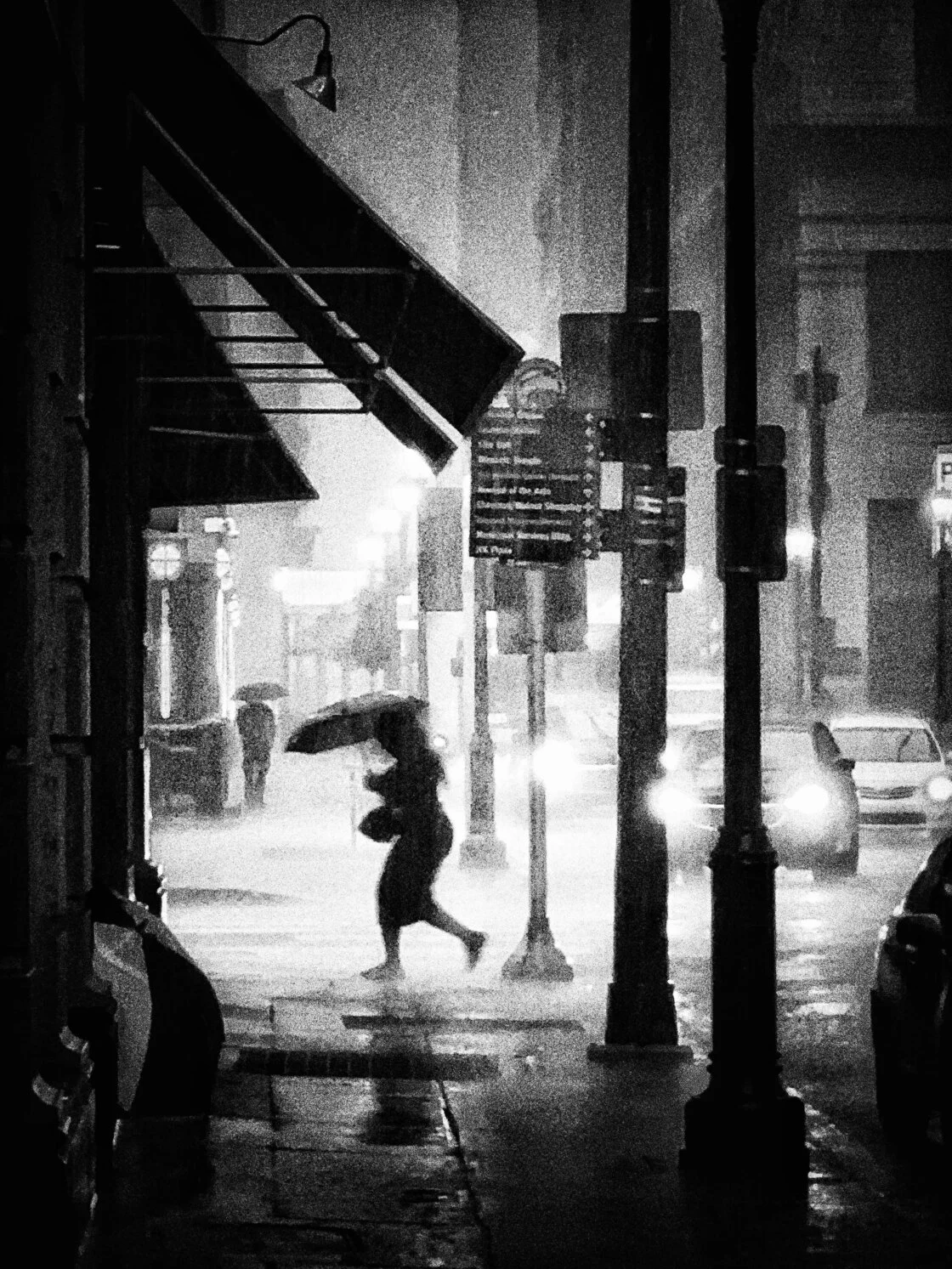
The landscape of contemporary street photography has undergone a significant transformation with the advent of sophisticated mobile imaging technology. While traditional photographers often retreated during periods of precipitation or atmospheric instability, the modern mobile artist—equipped with water-resistant devices and advanced computational photography—now views "bad" weather as a premier opportunity for creative expression. This shift is particularly evident in the work of fine art street photographers like Andrew Gimblet, whose Philadelphia-based portfolio highlights the evocative power of rain, snow, and fog. By leveraging the unique optical properties of adverse weather, photographers can capture scenes characterized by heightened mood, dramatic reflections, and a sense of cinematic mystery that is often unattainable under clear skies.
The Evolution of Mobile Street Photography in Adverse Conditions
Historically, street photography was a discipline bound by the limitations of film sensitivity and the vulnerability of mechanical camera components to moisture. However, the current technological era has democratized high-end photography. With the introduction of IP68-rated smartphones, such as the iPhone 12 through the iPhone 15 Pro series, devices are now capable of withstanding submersion in water for up to 30 minutes at depths of six meters. This hardware resilience has catalyzed a new movement in urban documentation, where the "weather-sealed" nature of the equipment allows for a closer, more intimate engagement with the elements.
Industry data suggests that mobile photography now accounts for over 90% of all digital photos taken globally. Within this massive output, the sub-genre of "moody" or "atmospheric" street photography has seen a 40% increase in engagement on platforms like Instagram and Flickr over the last three years. This trend underscores a growing public appetite for imagery that deviates from the high-saturation, sun-drenched aesthetic in favor of more nuanced, textured, and emotionally resonant compositions.
Strategic Positioning: Braving the Rain Without Compromising Equipment
The primary challenge of rainy-day photography is maintaining visibility and stability while navigating wet urban environments. Professional street photographers emphasize the importance of "covered vantage points." By utilizing city infrastructure such as awnings, bus stops, archways, and doorways, a photographer can remain dry while observing the kinetic energy of the street.
One of the most effective storytelling elements in rain photography is the umbrella. From a compositional standpoint, umbrellas serve as bold focal points, offering vibrant splashes of color against the typically gray backdrop of a storm. They also provide a narrative layer, signaling the subject’s interaction with their environment. The presence of an umbrella can obscure a subject’s face, adding a layer of anonymity and universality to the image, which is a hallmark of the fine art street aesthetic.
Optical Creativity: Shooting Through Aqueous Barriers
Beyond capturing subjects in the rain, the rain itself can be used as a creative filter. Shooting through windows—whether in a café, on a bus, or at a transit shelter—allows for the capture of raindrops in the foreground. This technique utilizes a shallow depth of field to create a layered effect. By tapping the iPhone screen to set the focus on the water droplets clinging to the glass, the background scene becomes beautifully blurred, or "bokeh."
This approach transforms a literal street scene into an abstract work of art. The physics of light refraction through water droplets creates miniature, inverted versions of the world within each drop, providing a level of detail that draws the viewer into a more complex visual experience. Experts recommend keeping the lens as close to the glass as possible to minimize glare and maximize the clarity of the foreground droplets.
The Geometry of Water: Puddle Reflections and Perspective
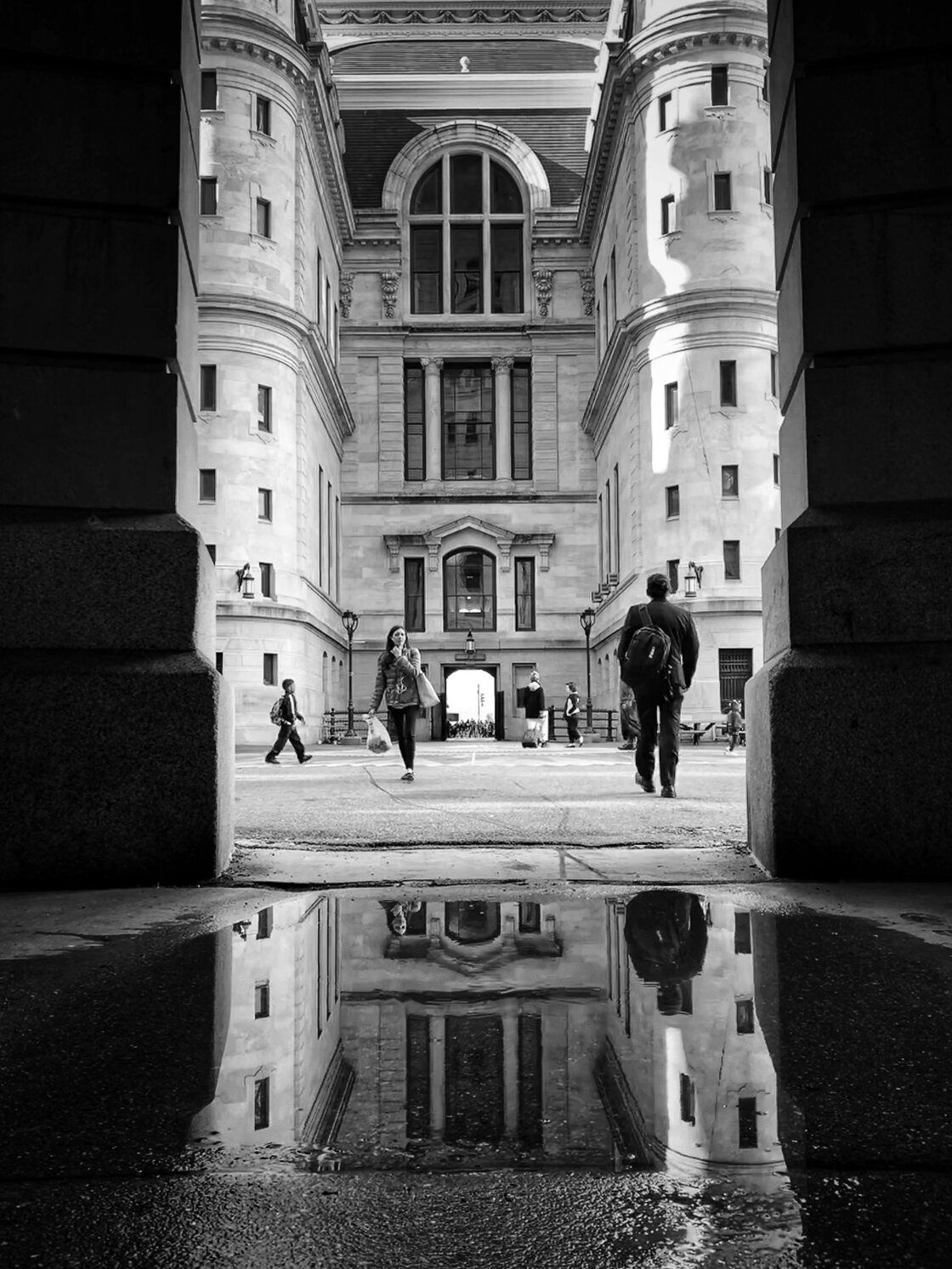
Once the rain subsides, the urban landscape is littered with "temporary mirrors" in the form of puddles. Puddle reflection photography requires a departure from standard eye-level shooting. To achieve a striking reflection, the photographer must adopt a low-angle perspective, often crouching or placing the device near the ground.
A common professional technique involves flipping the iPhone upside down. Because the camera lenses are located at the top of the device, inverting the phone places the lens mere millimeters from the water’s surface, significantly expanding the field of view of the reflection. This perspective allows for the inclusion of towering architecture and the sky within the frame of a small puddle.
To capture the perfect moment of a pedestrian entering the frame, the use of "Burst Mode" is essential. On modern iPhones, this is achieved by dragging the shutter button to the left (in vertical orientation). This allows the camera to capture a rapid sequence of images, ensuring the photographer can select the frame where the subject’s gait and position are most aesthetically pleasing.
Post-Processing Narratives: The Inversion Technique
The impact of reflection photography can be further enhanced during the editing phase. A popular trend in fine art street photography is the 180-degree inversion of the final image. By flipping the photo so the reflection appears at the top and the physical ground at the bottom, the artist creates a surreal, disorienting effect. This technique forces the viewer to linger on the image to decipher the reality of the scene, thereby increasing the "dwell time" and engagement with the piece.
Symmetry also plays a vital role here. A 50-50 composition—where the horizon line bisects the frame perfectly—creates a Rorschach-like balance that is highly effective in black and white. Conversely, a composition that focuses almost entirely on the reflection, perhaps only showing the feet of a passerby, can tell a more minimalist and intriguing story.
Winter Dynamics: The Transformation of the Urban Grid
Snow is perhaps the most transformative of all weather conditions. It acts as a natural "simplifier," covering the visual clutter of the city with a uniform white coat. This allows for high-contrast compositions and a focus on silhouette and form.
Photographers often refer to "fishing holes"—pre-scouted locations with strong architectural lines, such as bridges, crosswalks, or historical buildings. When it snows, these locations are revisited. The strategy is to set the composition and wait for a "character" to enter the scene. A person’s body language in the cold—huddled shoulders, heavy coats, or the struggle against the wind—provides a ready-made narrative of human endurance.
Technical Calibration: Managing Exposure in Snow
Snow photography presents a unique technical challenge for the iPhone’s light meter. Because the camera is calibrated to "middle gray," a frame filled with bright white snow can trick the sensor into underexposing the image, resulting in gray, dull-looking snow.
To counteract this, manual exposure compensation is required. By tapping the subject on the screen and swiping up on the sun icon, the photographer can increase the exposure, ensuring the snow remains bright and crisp. This manual override is crucial for maintaining the "high-key" look that makes winter photography so appealing. Conversely, reducing the exposure can create a dark, "low-key" mood, suitable for more somber urban stories.
The Fog Factor: Depth and Aerial Perspective
Fog and mist provide a natural soft-focus filter that creates a sense of "aerial perspective." In these conditions, objects closer to the camera appear dark and sharp, while those further away gradually fade into the gray void. This creates an immense sense of depth and three-dimensionality.
The key to successful fog photography is the inclusion of a strong foreground subject to act as an anchor. A lone figure emerging from or disappearing into the mist is a classic trope of the genre, evoking themes of isolation and the unknown. Architectural elements like leading lines—roads, fences, or bridges—are particularly effective in fog, as they provide a visual path that eventually vanishes into the atmosphere.
The Monochromatic Standard: Why Black and White Excels
While color photography can be effective in bad weather, many professionals, including Andrew Gimblet, prefer black and white. Adverse weather often results in "muddy" or desaturated colors that can distract from the composition. Converting to black and white strips away these distractions, focusing the viewer’s attention on texture, contrast, and light.
Black and white photography thrives on contrast. In rainy or foggy conditions, light sources like street lamps, car headlights, and glowing shop windows become more pronounced. These highlights, contrasted against the deep shadows of wet alleys or dark coats, create a classic "noir" aesthetic.
Software Ecosystems and the Professional Workflow
The final stage of the bad-weather street photography workflow involves sophisticated post-processing. While the built-in iOS Photos app offers robust filters, many photographers migrate their work to professional-grade apps like Adobe Lightroom Mobile, Snapseed, or Blackie.
Lightroom, in particular, allows for selective editing, enabling the photographer to brighten only the subject or increase the clarity of the raindrops without affecting the rest of the image. Apps like Blackie are specifically designed for monochromatic work, emulating the grain and tonal response of classic film stocks like Kodak Tri-X or Ilford HP5. This digital emulation of analog textures adds a layer of timelessness to modern mobile shots.
Broader Impact and Industry Implications
The rise of high-quality mobile photography in adverse weather has significant implications for the art world. It has lowered the barrier to entry for fine art photography, allowing anyone with a smartphone to capture museum-quality images. Furthermore, it has changed the way cities are documented. We are no longer limited to "postcard-perfect" views; the grit, the dampness, and the atmospheric struggle of urban life are now being preserved with unprecedented detail.
As climate patterns become more volatile, the ability to document these shifts through the lens of street photography offers a valuable cultural record. The "bad weather" photographer does more than just take a picture; they capture the mood of an era that is increasingly defined by its relationship with a changing environment. By following these nine tips, mobile photographers can move beyond the limitations of "fair-weather" snapshots and contribute to a more profound and artistic documentation of the modern world.