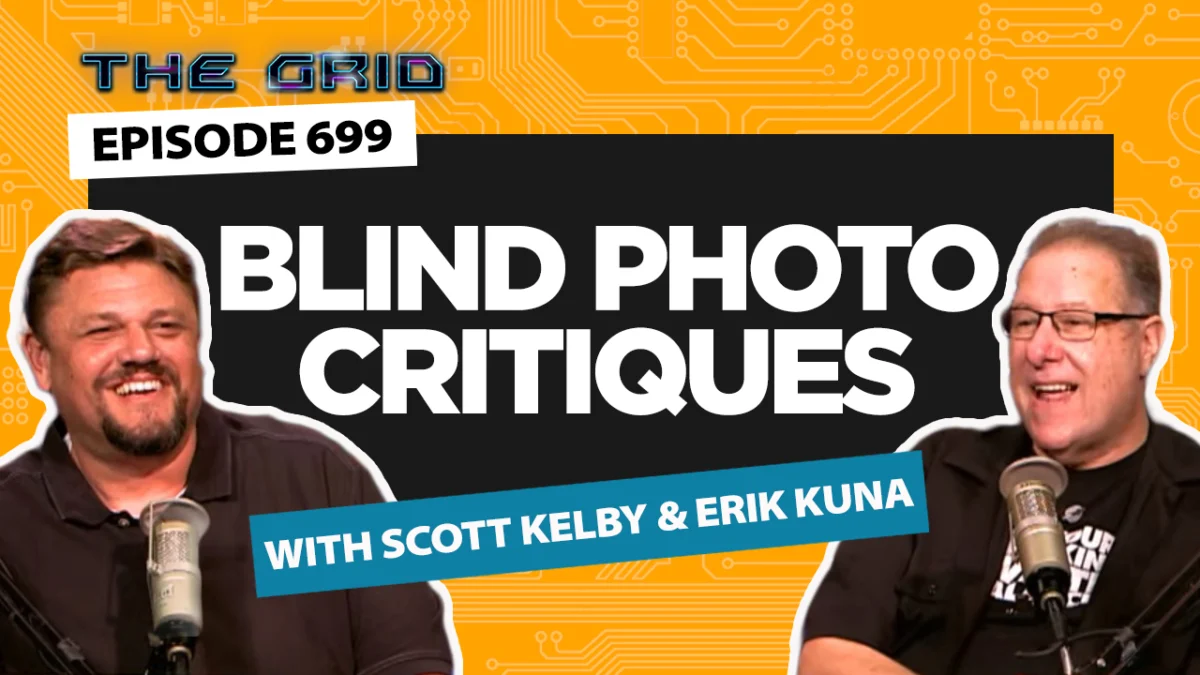
The latest installment of The Grid, Episode 699, once again captivated its global audience with another highly anticipated round of Blind Photo Critiques, featuring esteemed photography educators Scott Kelby and Erik Kuna. This recurring segment, a cornerstone of the popular online show, provides an unparalleled platform for photographers to receive anonymous, constructive feedback on their work, fostering significant growth and refinement within the creative community. The recent episode showcased an extraordinarily diverse collection of viewer-submitted images, spanning the full spectrum of photographic genres and demonstrating the widespread passion and varied interests of the show’s dedicated viewership.
The Anatomy of a Blind Critique: Format and Philosophy
At its core, the Blind Photo Critique format employed by The Grid is designed to strip away biases and focus solely on the visual merits and technical execution of a photograph. Submissions are presented to Kelby and Kuna without any accompanying information about the photographer, their equipment, or the context beyond what is visible in the image itself. This deliberate anonymity ensures that the critique remains objective, concentrating purely on the photograph’s strengths and areas for improvement. This pedagogical approach has been lauded by the photography community for its fairness and effectiveness, allowing the educators to assess composition, lighting, subject matter, and post-processing decisions without external influence. The inherent value lies in teaching viewers to see images with a critical eye, independent of personal connections or the prestige of the creator.
The recent session exemplified this commitment to comprehensive evaluation, featuring images from high-octane air show action and explosive fireworks displays, to the ethereal beauty of Milky Way landscapes and intimate portraiture. Wedding photography, travel vignettes, architectural studies, and even challenging underwater captures were among the impressive mix reviewed. This expansive thematic range is not merely for entertainment; it serves as a powerful educational tool, demonstrating how universal principles of photography — such as light, composition, and storytelling — apply across vastly different scenarios and technical demands. For aspiring photographers, witnessing critiques across such varied disciplines offers a holistic view of the craft, highlighting adaptable strategies and common pitfalls.
Meet the Maestros: Scott Kelby and Erik Kuna
At the helm of these insightful critiques are two of the most recognizable and respected figures in contemporary photography education: Scott Kelby and Erik Kuna. Scott Kelby, widely recognized as one of the world’s leading photography authors, educators, and the Editor-in-Chief of Photoshop User magazine, brings decades of experience and a knack for demystifying complex photographic concepts. His teaching style is characterized by practical, actionable advice, often delivered with a keen eye for detail and an engaging demeanor. Kelby’s extensive background in graphic design and digital imaging, coupled with his prolific writing and public speaking, has made him a pivotal figure in shaping how photographers learn and interact with digital tools. His foundational work with the National Association of Photoshop Professionals (NAPP) and KelbyOne has created vast educational ecosystems for creative professionals worldwide.
Erik Kuna, a prominent educator, photographer, and technology expert, complements Kelby’s insights with his deep technical knowledge and enthusiasm for innovative photographic techniques. As the Vice President of Operations for KelbyOne and a respected instructor in his own right, Kuna often provides detailed explanations of camera settings, workflow optimizations, and advanced post-processing methods. His contributions frequently delve into the specifics of gear and software, making complex technical jargon accessible to a broad audience. Together, their dynamic interaction and complementary expertise provide a balanced and thorough critical perspective, addressing both the artistic and technical dimensions of each photograph. Their rapport not only makes the critiques informative but also highly engaging, fostering a learning environment that feels both professional and approachable.
Unpacking the Core Curriculum: Techniques and Tools
The critiques during Episode 699 were not merely about pointing out flaws; they were meticulously framed to offer practical, actionable advice for improvement. Scott and Erik delved into a range of critical aspects, including camera settings, composition, posing techniques for subjects, timing strategies, and various editing techniques utilizing industry-standard software like Camera Raw and Photoshop.
-
Beyond Technicalities: The Art of Visual Storytelling
One of the most profound messages reiterated throughout the episode, a recurring theme in Kelby’s philosophy, was that technical camera settings alone do not define a memorable photograph. While essential for proper exposure and image quality, the true power of an image often stems from its ability to tell a compelling visual story. This involves several critical elements:- Directing Your Subject: Particularly in portraiture or event photography, effective communication and direction can transform a static image into one imbued with emotion and narrative. This includes guiding poses, expressions, and interactions to convey a specific feeling or message.
- Simplifying the Composition: Clutter can detract from a photograph’s impact. The educators emphasized the importance of eliminating distractions, utilizing negative space effectively, and employing principles like the rule of thirds, leading lines, and framing to guide the viewer’s eye to the main subject. A simplified composition often leads to a more powerful and unambiguous visual statement.
- Telling a Stronger Visual Story: This overarching principle ties together technical prowess with artistic intent. It’s about creating an emotional connection, conveying context, or evoking a sense of wonder. Whether through a perfectly timed candid shot, a meticulously arranged landscape, or a poignant portrait, the ability to narrate through imagery elevates a photograph from a mere record to a work of art. This emphasis aligns with the broader understanding in visual arts that while technique is foundational, it serves the higher purpose of communication and expression.
-
Leveraging Modern Post-Processing: From Camera Raw to Generative AI
The episode also provided valuable insights into contemporary post-processing workflows. Discussions included fundamental adjustments in Camera Raw, such as white balance, exposure, contrast, and color grading, which are crucial for establishing a baseline for image quality. Furthermore, the hosts demonstrated advanced techniques within Photoshop, highlighting the software’s capabilities for intricate retouching and creative manipulation. A notable segment included a demonstration of Adobe’s groundbreaking Generative Expand feature. This AI-powered tool allows photographers to intelligently extend the canvas of an image, filling in surrounding areas with contextually relevant content. This technology represents a significant leap in post-processing efficiency and creative freedom, enabling photographers to adjust compositions after the fact, or even rescue poorly framed shots by expanding the scene. The implications for commercial photography, fine art, and personal projects are vast, offering unprecedented flexibility in image manipulation, while also raising discussions around authenticity and ethical usage within the photographic community.Another highlight was the intricate process of blending a beautiful blue hour Milky Way photograph. This technique often involves combining multiple exposures—one for the foreground and another for the sky—to overcome the dynamic range limitations of a single shot. The demonstration likely covered masking, layering, and precise blending modes in Photoshop to create a seamless and breathtaking final image, underscoring the technical mastery required for advanced astrophotography. Such detailed demonstrations not only educate but also inspire viewers to explore complex techniques, pushing the boundaries of their own creative endeavors.
The Broader Educational Landscape: KelbyOne and Beyond
The episode served as a reminder of the continuous learning opportunities available through platforms like KelbyOne. Scott Kelby highlighted upcoming workshops, signaling his ongoing commitment to immersive, hands-on education. These workshops, often conducted in inspiring locations, provide photographers with an opportunity to learn directly from Kelby and other industry experts, applying theoretical knowledge in practical, real-world scenarios. Such events are invaluable for skill development, offering personalized feedback and networking opportunities that are difficult to replicate in an online-only format.
Furthermore, Kelby provided a brief update on a new astrophotography tracker he has been actively testing. This detail not only keeps the audience informed about the latest gear and technological advancements but also reflects Kelby’s personal passion for various photographic genres and his dedication to exploring new tools that can enhance photographic capabilities. This practical, real-world testing and sharing of experiences is a hallmark of his educational approach, providing authentic insights into what truly works in the field.
For those inspired by the critique format and keen to further refine their photographic eye, the episode reiterated the extensive resources available at KelbyOne. The platform offers a comprehensive library of photography classes covering every facet of the craft, from foundational principles like composition and lighting to advanced techniques in post-processing and visual storytelling. These courses are designed to build upon the lessons learned during the critiques, providing structured pathways for continuous improvement. The emphasis on visual storytelling, in particular, aligns perfectly with the core message of the episode, reinforcing the idea that photography is ultimately about communication and expression.
Industry Insights: Workshops, Technology, and Community Engagement
The sustained popularity of "The Grid" and its Blind Photo Critiques, reaching Episode 699, underscores several significant trends within the photography industry. Firstly, the demand for accessible, high-quality online education remains robust. In an increasingly digital world, platforms that offer expert instruction and community interaction thrive. Secondly, the integration of cutting-edge technology, such as AI tools like Generative Expand, signifies a pivotal shift in photographic workflows. While traditional skills remain paramount, embracing these new tools can unlock unprecedented creative potential and efficiency. The discussions around such technologies serve to educate the audience on their capabilities and potential impact, helping photographers navigate the evolving digital landscape.
Thirdly, the consistent engagement from viewers, evidenced by the volume and diversity of submitted images, highlights the enduring desire within the photography community for constructive feedback and peer learning. This interactive model, where viewers actively participate by submitting their work, fosters a strong sense of community and collective growth. The anonymous nature of the critiques encourages submission by lowering the barrier of perceived judgment, making the process less intimidating for emerging photographers. This reciprocal relationship between educators and learners is a powerful driver for continuous improvement in the field.
Looking Ahead: The Enduring Value of Constructive Feedback
As the photography landscape continues to evolve with new technologies and artistic trends, the fundamental principles discussed in episodes like this one remain timeless. The ability to direct a subject effectively, simplify a composition, and tell a compelling visual story will always differentiate a truly memorable photograph from a merely technically proficient one. The Blind Photo Critiques on The Grid consistently reinforce these core tenets, providing a valuable service to a global audience of photographers.
The episode concluded, as always, with an invitation for viewers to watch the replay and apply the lessons learned to their own photography. This active encouragement for self-reflection and practical application is central to the show’s educational mission. By dissecting a wide array of images and offering targeted advice, Scott Kelby and Erik Kuna continue to empower photographers at all levels to refine their craft, push their creative boundaries, and ultimately, tell stronger, more impactful stories through their lenses. The continued success of The Grid stands as a testament to the enduring power of mentorship and community in the pursuit of photographic excellence.