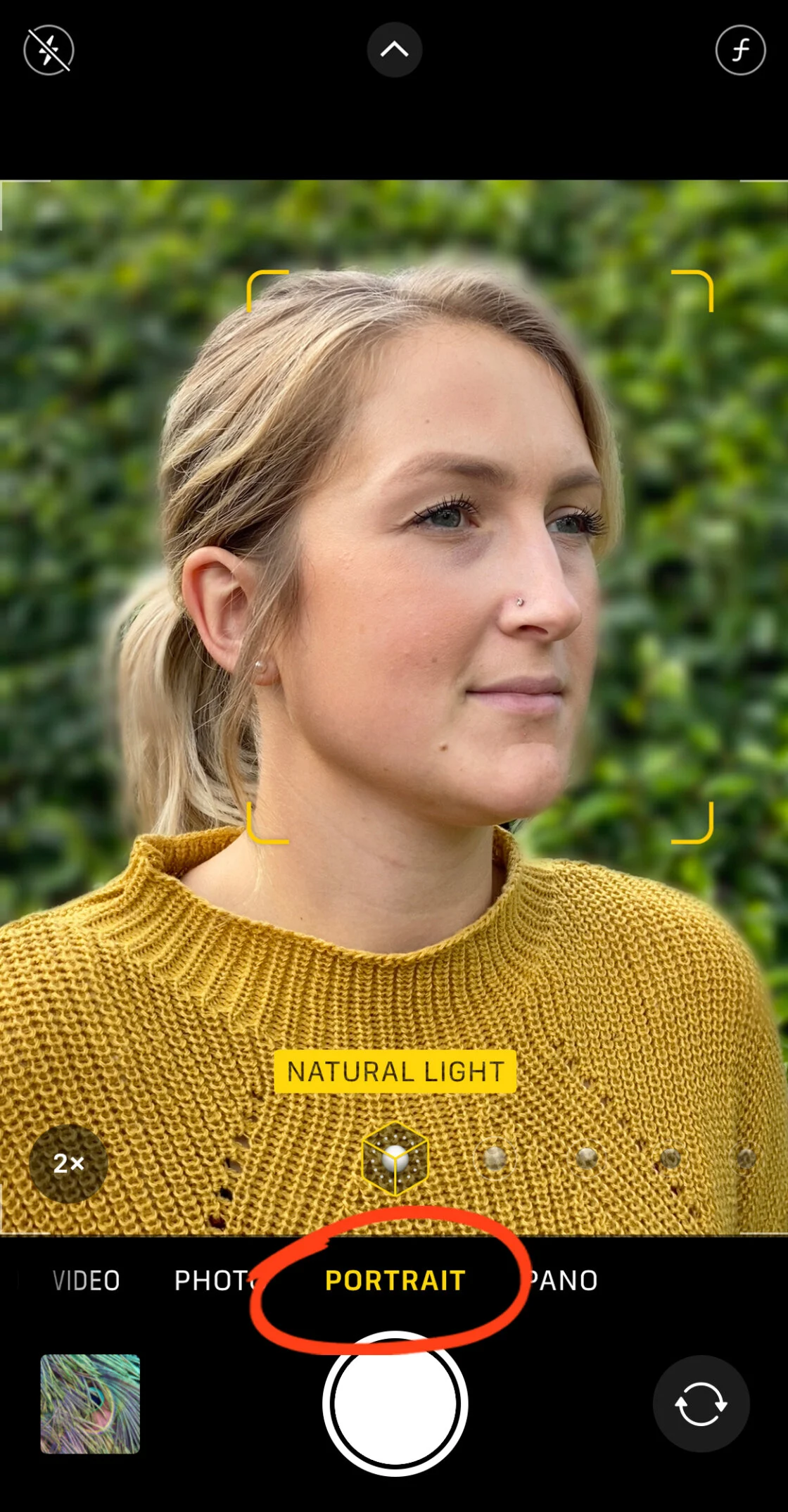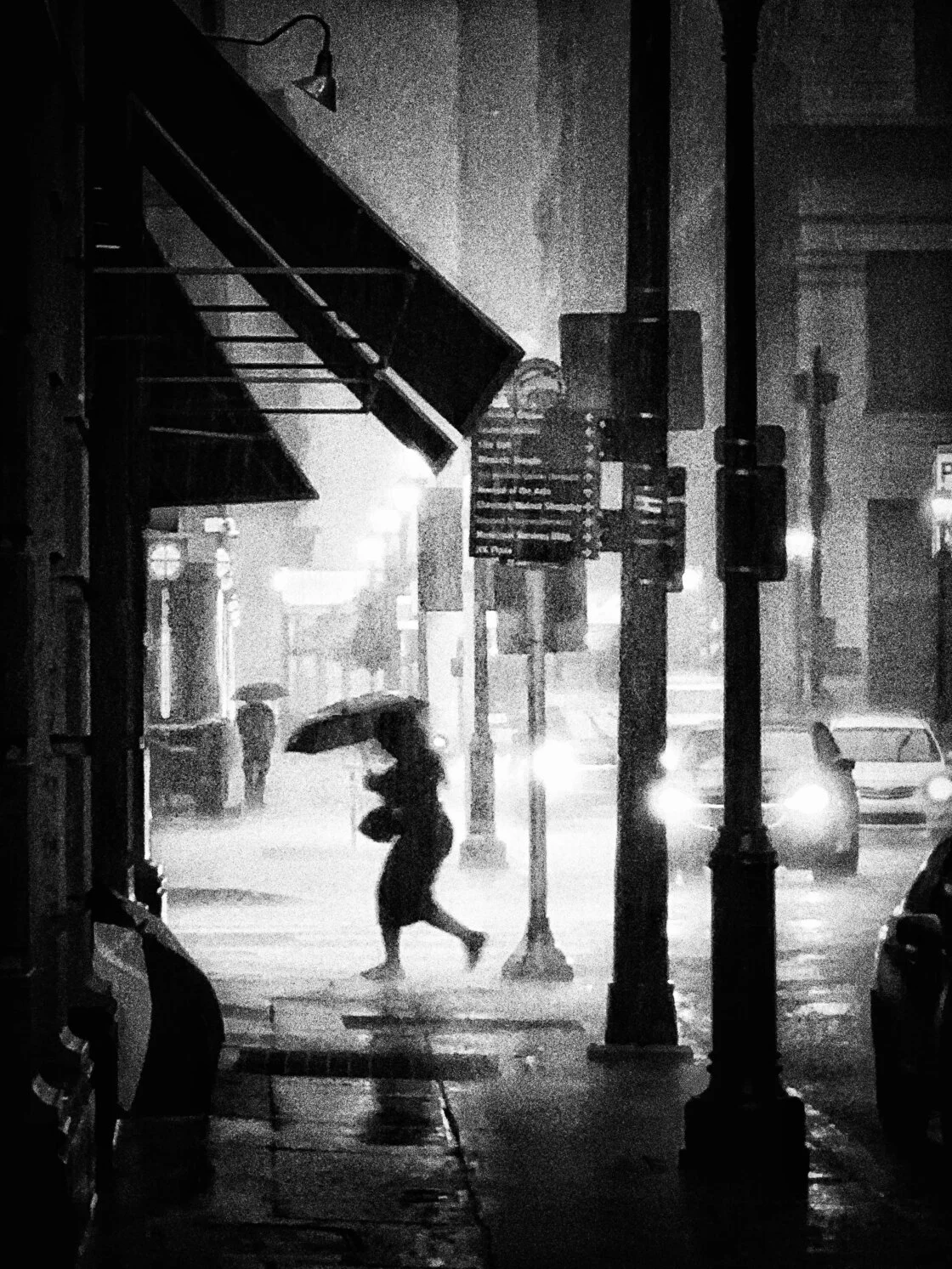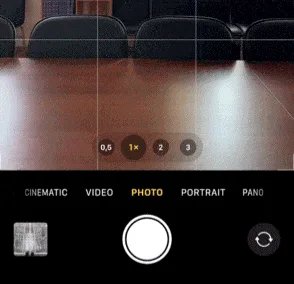
The rise of mobile photography has fundamentally altered the landscape of street documentation, shifting the medium from heavy, specialized equipment to the high-powered sensors found within the modern smartphone. As urban environments become increasingly complex, photographers are returning to the classic aesthetic of black and white imagery to distill the chaos of the city into structured, evocative art. The iPhone, characterized by its portability and advanced computational photography capabilities, has emerged as a primary tool for this resurgence. By leveraging specific technical settings and classical compositional theories, practitioners can transform everyday street scenes into timeless monochromatic narratives. This report outlines the essential methodologies for mastering black and white street photography using the iPhone, supported by technical data and historical context.
The Technological Shift: From Film to Computational Monochrome
The history of street photography is deeply rooted in black and white film, utilized by pioneers such as Henri Cartier-Bresson and Vivian Maier. For decades, the "decisive moment" was captured on 35mm film, where the absence of color forced the viewer to focus on form, contrast, and emotion. In the current digital era, the iPhone’s transition from a simple communication device to a sophisticated imaging system has democratized this art form. According to industry data, mobile devices now account for over 90% of all consumer photos taken globally, with street photography being one of the most popular sub-genres on platforms like Instagram and Flickr.
The iPhone’s "Noir" filter and its underlying ProRAW capabilities allow for a level of dynamic range that previously required a darkroom or high-end DSLR. Modern iPhone sensors utilize "Deep Fusion" and the "Photonic Engine"—computational processes that analyze pixels at various exposures to optimize detail in both shadows and highlights. This technology is particularly beneficial for black and white photography, where the interplay of light and dark is the primary subject.
1. Intentionality in Vision: Shooting in Native Black and White
A critical departure from standard digital workflows is the recommendation to shoot in black and white natively rather than converting color images during post-processing. While the iPhone’s Camera app allows for non-destructive filtering, seeing the world in monochrome through the viewfinder changes the photographer’s psychological approach.
When the color is removed, the brain is forced to prioritize light, shadows, patterns, and lines. The "Noir" filter on the iPhone provides a high-contrast preview that highlights these structural elements instantly. Because these filters are non-destructive, the original color data is preserved in the HEIF or RAW file, allowing for a return to color if necessary. However, the primary benefit remains the ability to "see" the graphic potential of a scene without the distraction of competing hues.
2. Minimalism and the Psychology of Negative Space
The urban landscape is often cluttered with visual "noise"—vibrant advertisements, colorful vehicles, and dense crowds. Black and white photography excels at simplifying these environments. To achieve a striking minimalist composition, photographers must seek out "negative space"—areas of a photo that are intentionally left empty or uniform.
In a city, negative space can be found in large concrete squares, expansive walls, or the open sky. Data from visual perception studies suggest that the human eye is naturally drawn to the area of highest contrast or the only detailed subject in an otherwise empty frame. By waiting for a single human subject to enter a large, open space, the photographer creates a powerful focal point. This technique emphasizes the scale of the architecture relative to the human condition, a recurring theme in professional street photography.
3. Structural Integrity Through Leading Lines
Leading lines are a fundamental compositional tool used to direct the viewer’s gaze toward the intended subject. In the absence of color, these lines become the "skeleton" of the photograph. Urban environments are inherently geometric, providing an abundance of straight and curved lines in the form of roads, bridges, tunnels, and architectural facades.
For maximum impact, professional photographers often position themselves so that leading lines originate from the corners of the frame. This creates a sense of three-dimensional depth on a two-dimensional screen. A notable trend in mobile photography is the documentation of spiral staircases. Shooting from a high vantage point looking down (the "bird’s eye view") creates a rhythmic, circular leading line that is particularly effective in monochrome, where the light fall-off on the steps creates a gradient of grey tones.
4. Pattern Recognition in Modern Architecture
Repetition and patterns are inherently satisfying to the human brain, a concept known in psychology as Gestalt principles. Modern urban design frequently utilizes repetitive elements—rows of windows, pillars, arches, or textured cladding. When captured in black and white, these patterns become abstract art.
The shift in architectural trends over the last decade toward glass and steel facades has provided street photographers with a "grid-like" canvas. To capture these effectively, symmetry is key. Using the iPhone’s built-in grid tool (accessible via Settings > Camera > Grid) allows photographers to align their shots with mathematical precision. Placing a human subject within a massive, repeating pattern provides a "break" in the sequence, which serves as a secondary focal point and adds a narrative element to the abstract background.
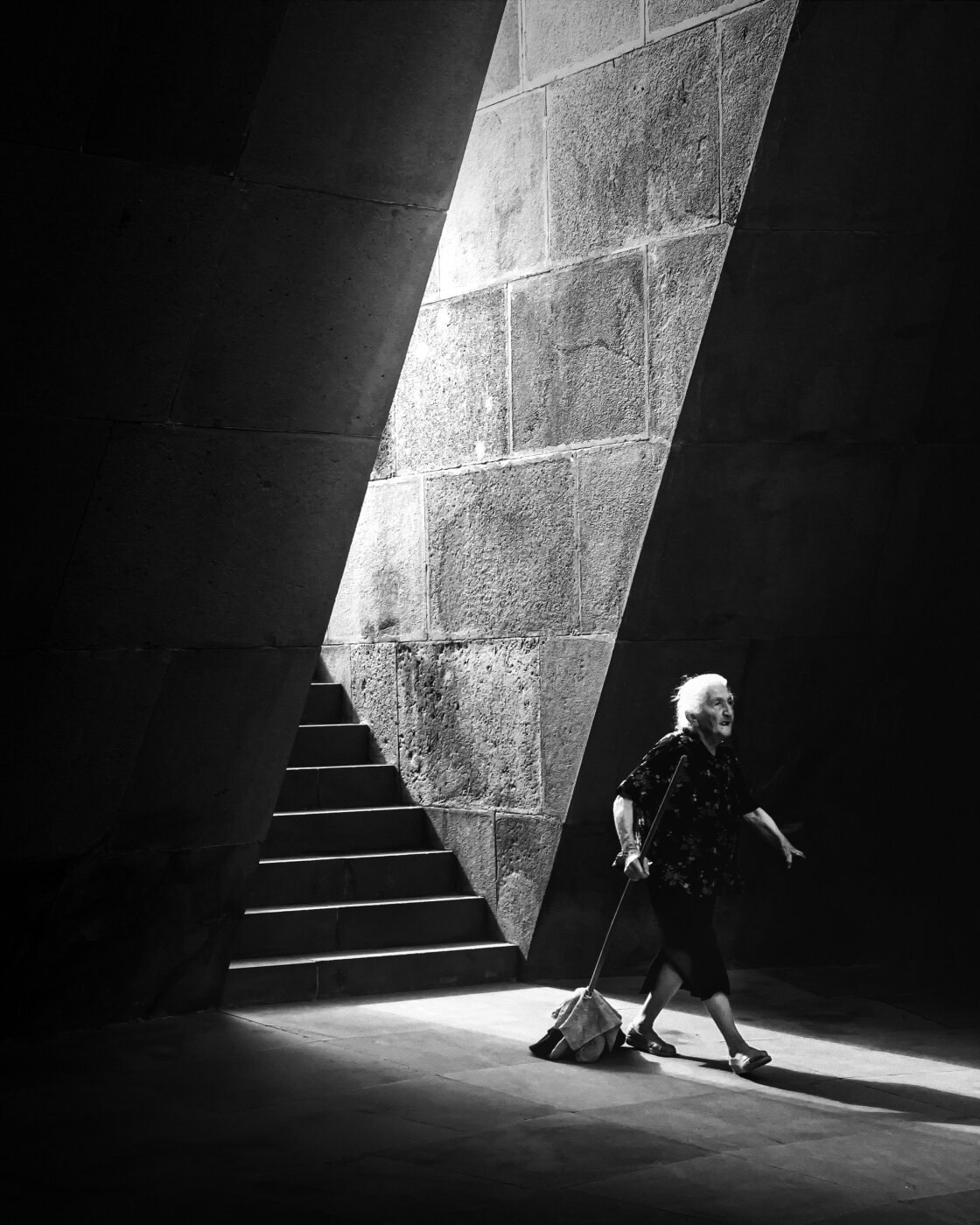
5. Architectural Framing and the Decisive Moment
Framing involves using elements within the scene—such as archways, doorways, or windows—to create a "frame within a frame." This technique serves to isolate the subject and provide context. In black and white, the frame often becomes a dark, silhouetted border that pushes the viewer’s eye toward the brightly lit center.
To capture the "decisive moment" within these frames, the use of "Burst Mode" is essential. By dragging the shutter button to the left (on newer models) or holding the volume-up button, the iPhone captures a rapid sequence of images. This allows the photographer to select the frame where the subject’s gait or posture is most aesthetically pleasing. Industry analysts note that the iPhone’s zero-shutter lag is a key factor in its success as a street photography tool, as it allows for the near-instantaneous capture of fleeting movements.
6. High-Contrast Silhouettes and Light Sources
Silhouettes are perhaps the most dramatic application of black and white photography. They rely entirely on shape and form, stripping away the subject’s identity to create a sense of mystery. Achieving a perfect silhouette requires backlighting—the light source must be behind the subject and facing the camera.
The "Golden Hour"—the period shortly after sunrise or before sunset—is the optimal time for this technique. During these windows, the sun is low, providing a strong, directional light source. To ensure the subject is completely dark, photographers must manually reduce the exposure. On the iPhone, this is achieved by tapping the screen and sliding the sun icon downward, or by using the Exposure Value (EV) slider to set a permanent negative value (e.g., -1.0 or -2.0).
7. The Drama of Long Shadows
While silhouettes focus on the subject, shadow photography focuses on the subject’s projection. Long shadows, created by the low angle of the sun during early morning or late afternoon, add a layer of drama and complexity to the pavement. In many cases, the shadow itself becomes more interesting than the physical subject.
This technique is highly effective in black and white because it emphasizes the contrast between the sun-drenched concrete and the deep black of the shadow. Photographers often look for "rim lighting," where the edges of the subject are highlighted by the sun, creating a thin white line that separates the dark subject from the dark shadow.
8. Digital Curation and Post-Processing Workflows
The final stage of incredible street photography occurs after the shutter is pressed. While the iPhone’s native "Photos" app provides robust editing tools, many professionals migrate to Adobe Lightroom Mobile for more granular control.
Key adjustments in a black and white workflow include:
- Contrast Enhancement: Increasing contrast to make the blacks deeper and the whites brighter.
- Highlight and Shadow Recovery: Using HDR sliders to ensure detail is not lost in the brightest or darkest areas.
- Cropping and Straightening: Correcting tilted horizons or removing distracting elements at the edges of the frame.
- The Healing Tool: Using AI-powered tools to remove visual clutter, such as trash cans or distracting signs, to maintain a minimalist aesthetic.
Broader Impact and Industry Implications
The democratization of high-quality street photography via the iPhone has significant implications for the art world and journalism. It has lowered the barrier to entry, allowing a diverse range of voices to document the urban experience. However, it has also led to an oversaturation of imagery, making the mastery of classical composition and lighting more important than ever for those seeking to stand out.
Critics and professional organizations, such as the International Center of Photography, have increasingly recognized mobile work in galleries and competitions. This validation marks a transition for the iPhone from a casual snapshot tool to a respected instrument of artistic expression. As AI and sensor technology continue to evolve, the distinction between mobile and traditional photography will continue to blur, leaving the "eye" of the photographer as the final arbiter of quality.
Chronology of iPhone Photography Evolution
- 2007: Original iPhone launch; 2-megapixel camera with no focus control.
- 2010: iPhone 4 introduces a 5-megapixel sensor and the first significant "Shot on iPhone" community.
- 2016: iPhone 7 Plus introduces the dual-lens system and "Portrait Mode," simulating depth of field.
- 2019: iPhone 11 Pro introduces "Night Mode," revolutionizing low-light street photography.
- 2020: Apple ProRAW is introduced, giving mobile photographers the same editing flexibility as DSLR users.
- 2023-2024: Introduction of the 48-megapixel Main camera and advanced Photonic Engine, allowing for high-resolution black and white crops without loss of detail.
In conclusion, taking incredible black and white street photos with an iPhone is a marriage of technical proficiency and artistic vision. By utilizing the device’s native filters, mastering the nuances of urban light, and applying rigorous compositional standards, any user can capture the timeless essence of the city in monochrome.