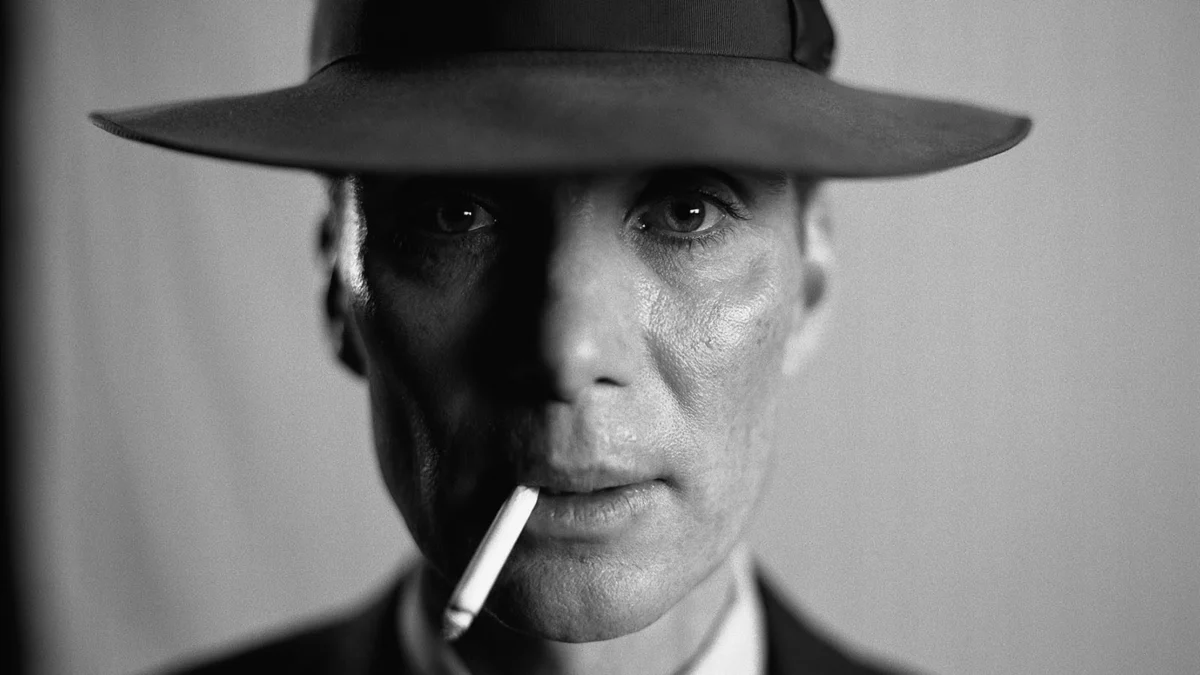
For years, the discourse around photographic lighting has predominantly centered on the meticulous illumination of the subject. From foundational principles governing light placement to innovative experimental setups, the focus has consistently been on sculpting the primary subject with flattering and impactful light. However, a significant paradigm shift is occurring, with leading professionals increasingly advocating for a holistic approach that integrates the background as an active, narrative-contributing element. This evolving philosophy recognizes that the principles applied to subject lighting—Intensity, Direction, and Quality—are equally potent when strategically deployed on the backdrop, serving to enhance visual depth, define mood, and ultimately, draw the viewer’s eye more effectively to the main focus.

While often demonstrated in controlled studio environments, these fundamental principles are universally applicable, extending their transformative power to outdoor shoots and diverse environmental locations. The studio merely offers an optimal setting for precise control and experimental exploration, allowing photographers to isolate variables and observe their direct impact. By dissecting each of these core lighting tenets, photographers can unlock new dimensions of creative control, transitioning from merely illuminating a scene to crafting a cohesive visual narrative where every element, including the background, plays a vital role.
The Evolving Landscape of Photographic Lighting: From Subject to Scene
Historically, photographic lighting, particularly in portraiture and product photography, prioritized the subject above all else. Early studios, often reliant on large windows and later, nascent flash technology, aimed for sufficient illumination to render details clearly. The background was frequently a simple, unobtrusive canvas, designed to recede and avoid distraction. The advent of sophisticated strobes, continuous lights, and a myriad of modifiers in the mid-20th century further empowered photographers to sculpt light around their subjects with unprecedented precision.

However, as photography evolved into a more sophisticated art form, influenced by cinematic aesthetics and the demands of high-end editorial and advertising work, the role of the background began to receive greater attention. Modern photographers, armed with advanced digital tools and a deeper understanding of visual psychology, recognize that the background is not merely empty space but an integral component that can reinforce the subject’s story, establish mood, or even introduce abstract artistic elements. This shift reflects a broader understanding that a photograph’s impact is derived from the interplay of all its elements, not just the central figure. Consequently, a comprehensive lighting strategy now demands that the background be considered with the same level of deliberate intent as the subject.
Intensity of Light: Sculpting Depth and Emotion
The intensity of light, fundamentally defined as its brightness relative to the scene, is arguably the most intuitive of the three principles. Its mastery is critical for controlling the perceived brightness and saturation of a background, and by extension, the overall mood of an image. A cornerstone of this understanding is the Inverse Square Law, a principle that dictates light intensity diminishes rapidly as the distance from the light source increases. Specifically, doubling the distance from a light source reduces its intensity by a factor of four. This scientific underpinning is not merely theoretical; it is a practical tool that allows photographers to precisely control background exposure relative to the subject, even when working with a single light source or a uniformly colored backdrop.

In a studio setting, this principle enables a white backdrop to appear various shades of grey or even black, simply by adjusting the light’s power or distance. This flexibility extends to any colored background. For instance, an experiment involving an apple box as a subject against a series of seamless paper rolls—Pure White, Deep Yellow, True Blue, Plum, Pecan, Orange, and Flamingo—demonstrates the profound impact of intensity control. By isolating the subject’s lighting and independently adjusting the power of the background lights, a photographer can generate a broad spectrum of perceived colors and saturations from a single physical backdrop.
Illustrative Data: Consider a scenario where a background light is positioned 10 feet from a backdrop. Reducing its power by one stop (halving the light output) or moving it to 14 feet (a factor of approximately √2 increase in distance for a 1-stop reduction in intensity) will significantly darken the background. Conversely, increasing power or moving the light closer will brighten it. This precise control allows for subtle or dramatic shifts in background brightness, influencing the viewer’s perception of the image. For example, a brightly lit background can evoke feelings of optimism and openness, while a darker, underexposed background can create a sense of drama, mystery, or intimacy. The ability to manipulate intensity effectively broadens the creative palette, enabling photographers to achieve diverse aesthetic outcomes without needing an extensive collection of physical backdrops.

Beyond mere brightness, intensity also profoundly impacts color saturation. As light intensity decreases, colors tend to appear less vibrant and more muted. Conversely, increasing intensity can make colors pop, appearing richer and more saturated. This interplay allows photographers to fine-tune the emotional impact of their background, from subtle washes of color to bold, impactful statements. The practical implication is significant: mastering background intensity allows a photographer to achieve a wider array of visual narratives from a limited set of resources, enhancing both creative output and cost-efficiency.
Direction: Crafting Gradients and Guiding the Eye
While the directional possibilities for illuminating a flat studio backdrop might seem confined, understanding light falloff transforms this apparent limitation into a powerful creative advantage. By strategically positioning a single light source off-center or angling it, photographers can introduce gradients to the background, adding visual interest and depth that a uniformly lit surface cannot provide.

The most effective application involves placing a background light to one side, rather than directly centered. This technique leverages the Inverse Square Law to create a natural light falloff across the backdrop, resulting in a gradient that transitions from brighter to darker, or from one saturation level to another. This gradient can serve multiple purposes: it can subtly highlight specific areas of the background, create a sense of depth and dimension, or even act as a subtle leading line, guiding the viewer’s eye towards the main subject.
Analysis of Impact: Psychologically, gradients are perceived as more dynamic and aesthetically pleasing than flat, uniform surfaces. They can introduce a sense of movement or atmosphere that enhances the overall composition. For instance, a gradient that brightens towards the subject can create a subtle halo effect, further isolating and emphasizing the primary focus. Conversely, a darker gradient can frame the subject, drawing attention inward.

Beyond the studio, the principle of direction is even more critical. In environmental portraiture or outdoor shoots, understanding the direction of ambient light (sun, sky, artificial sources) allows photographers to anticipate and manipulate background illumination. Using reflectors to bounce light onto a background, or flags to block unwanted light, can create intentional gradients or selective illumination, integrating the subject seamlessly or dramatically separating them from their surroundings. This nuanced control over background direction elevates environmental shots from mere snapshots to thoughtfully composed images.
Quality: Modifying Light for Texture, Color, and Narrative
The quality of light, the most ambiguous yet potentially impactful of the three principles, encompasses all modifications applied to the light source itself. This includes whether the light is hard or soft, focused or broad, and critically, its color properties. Unlike intensity and direction, which primarily deal with the amount and placement of light, quality delves into the character of the light.

Traditionally, an even, unobtrusive background color was the studio ideal, ensuring the subject remained the undisputed focal point. However, pushing against this convention by deliberately manipulating light quality on the background opens up significant creative avenues.
Modifiers and Their Effects:

- Hard vs. Soft Light: A hard light source, often achieved with a bare bulb or a focused reflector, creates sharp shadows and high contrast on the background. This can add texture and drama, making a plain backdrop appear more tactile. Conversely, a soft light source (e.g., a large softbox or umbrella) produces diffuse, gentle illumination, creating a smooth, even background with minimal shadow, often favored for clean, high-key aesthetics.
- Grids and Snoots: These modifiers narrow the light beam, creating a focused circle or beam of light. When used on a background, they can create spotlight effects, vignettes, or dramatic light patterns. This allows photographers to selectively highlight portions of the background or create a dynamic visual element that complements the subject.
- Color Gels: Perhaps the most transformative aspect of light quality for backgrounds, gels introduce a world of color possibilities. Rather than investing in numerous rolls of seamless paper, a photographer can achieve a vast array of background colors and moods by simply placing colored gels over their background lights. This offers a cost-effective and creatively liberating alternative.
Color Theory in Action: Gels allow for the implementation of sophisticated color theory. A background gel can create a complementary color scheme with the subject’s attire, an analogous scheme for harmony, or a monochromatic palette for a sophisticated, unified look. For instance, a blue gel on a background might provide a cool, calm backdrop for a subject wearing warm-toned clothing, creating visual tension and interest. This ability to infuse color directly into the background, independent of the subject’s lighting, allows for a level of artistic expression that transcends simple subject illumination. It enables the background to become an active participant in the image’s narrative, evoking specific emotions or reinforcing thematic elements without physically altering the set.
Advanced Techniques: Gobos and Pattern Projection: Beyond simple color, light quality can be further manipulated using gobos (go-betweens). These are stencils placed in front of a light source to project patterns, textures, or shapes onto the background. This technique can transform a plain wall into a brick texture, a dappled forest, or an abstract geometric design, adding immense depth and visual interest without the need for elaborate physical sets. This is particularly valuable in commercial photography, where creating diverse environments quickly and efficiently is paramount.

Expert Insight (inferred): "Many commercial photographers and cinematographers now consider the strategic use of gels, gobos, and focused light modifiers on backgrounds as indispensable tools," states a leading lighting designer. "They provide unparalleled flexibility, allowing for rapid mood shifts and the creation of rich, immersive environments that would be prohibitively expensive or time-consuming to build physically." This perspective underscores the economic and creative advantages of mastering light quality for backgrounds.
Another powerful application of light quality involves using snoots or flags to create precise beams of light that guide the viewer’s attention. For example, in a beauty shot where intricate eye makeup is the focus, a carefully flagged snoot can project a narrow beam of light onto the background that angles towards the subject’s eyes. This subtle yet powerful technique creates a subconscious visual cue, directing the viewer’s gaze precisely where the photographer intends, enhancing the narrative and impact of the image.

Strategic Integration and Broader Implications
The conscious application of Intensity, Direction, and Quality to background lighting marks a significant evolution in photographic practice. It moves beyond merely documenting a subject to crafting a comprehensive visual experience. Mastering these techniques offers several broader implications for photographers:
- Enhanced Creative Control: Photographers gain a far greater degree of artistic freedom, allowing them to shape mood, narrative, and aesthetic with precision. The background ceases to be a passive element and becomes an active participant in the storytelling.
- Increased Versatility and Value: A photographer adept at manipulating background light can achieve a wider range of looks from a single setup or location. This versatility is highly valued by clients across various genres, from editorial fashion to product advertising, making the photographer more marketable.
- Problem-Solving Prowess: These principles provide powerful solutions to common challenges, such as distracting environments, lack of depth, or the need to convey specific emotions without elaborate props.
- Cost-Effectiveness: Techniques like using gels instead of multiple seamless paper rolls, or projecting patterns instead of building elaborate sets, offer significant economic advantages, allowing photographers to maximize creative output within budget constraints.
- Future-Proofing Skills: As technology advances with RGB LED panels and smart lighting systems, the ability to control background light with precision will become even more critical, allowing for dynamic and interactive backgrounds that respond to the subject or even music.
In conclusion, the meticulous attention traditionally reserved for subject lighting must now extend to the background. By embracing the principles of Intensity, Direction, and Quality, photographers can transform their backdrops from inert backdrops into dynamic, narrative-rich elements. This holistic approach not only elevates the technical prowess of a photographer but also enriches the creative depth and visual impact of their work, ensuring that every element within the frame contributes meaningfully to the final image. The journey to photographic mastery is one of continuous learning and experimentation, and the strategic illumination of the background represents a powerful frontier for creative exploration.