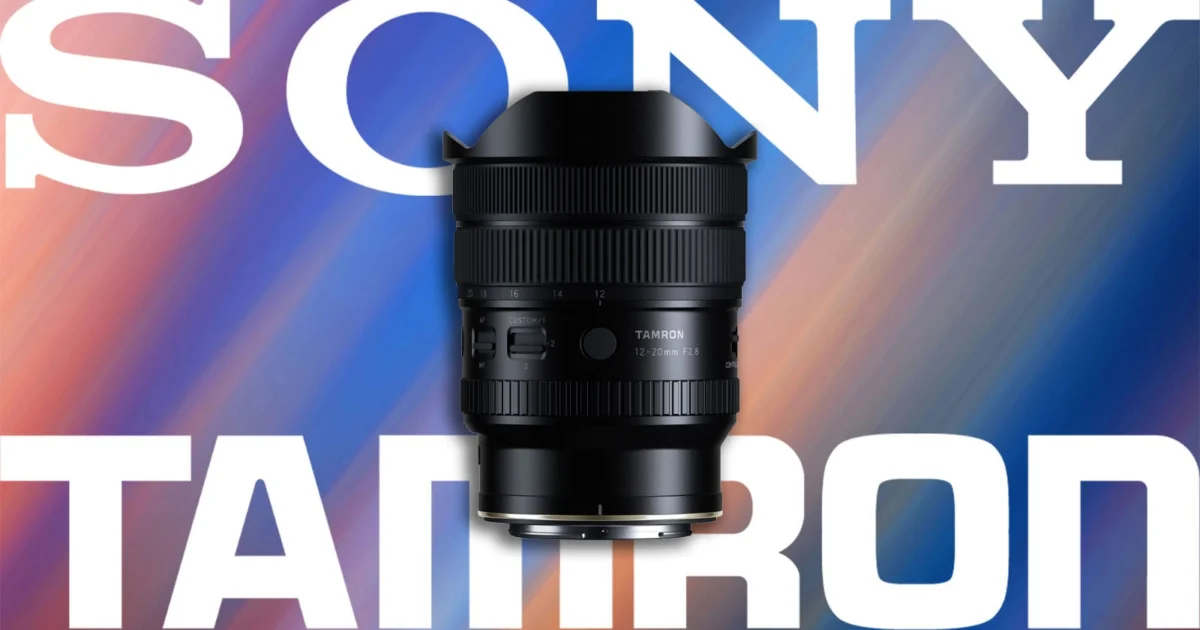
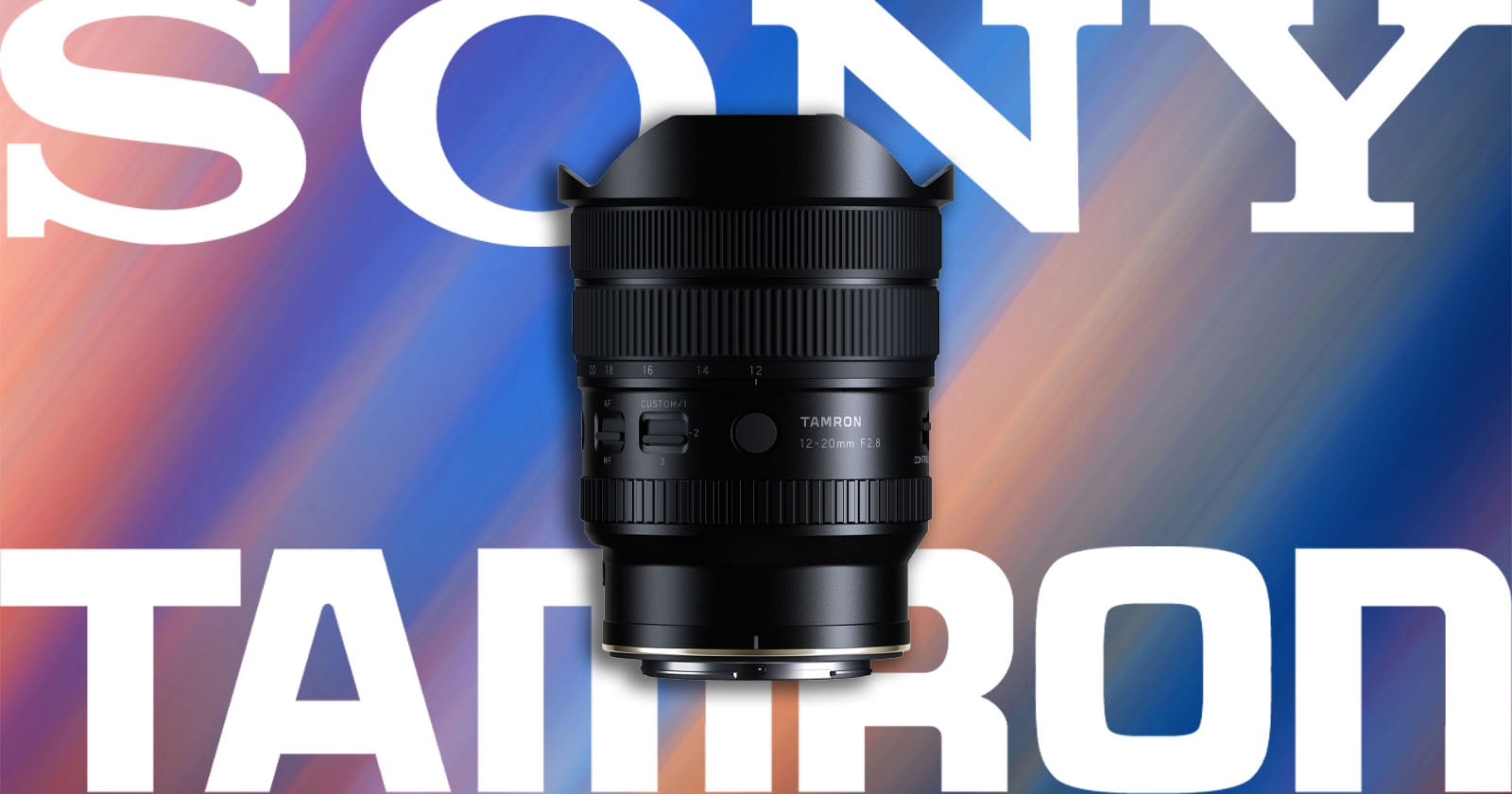
Sony Group Corporation has reportedly launched a significant bid to fully acquire Tamron Co., Ltd., a prominent Japanese optical manufacturer renowned for its extensive range of lenses, including over 20 models specifically designed for Sony E-mount mirrorless cameras. This potential acquisition, valued at approximately 200 billion yen, or $1.22 billion USD at current exchange rates, marks a strategic move by Sony that could profoundly reshape the competitive landscape of the digital imaging industry. The exclusive report, published today by the Japanese outlet Diamond, indicates a decisive maneuver by Sony to consolidate its position in the rapidly evolving camera and lens market.
The reported offer comes at a pivotal time, following recent shifts in Tamron’s ownership structure. Sony has historically been a significant stakeholder in Tamron, holding 15.35% of its total 640 million shares as of late last year, making it the largest single shareholder. This long-standing relationship has fostered a synergistic partnership, with Tamron producing a substantial number of lenses optimized for Sony’s popular E-mount system. However, this dynamic recently changed when Effissimo Capital Management, a Singaporean investment firm with a focus on Japanese equities, aggressively increased its stake in Tamron. Effissimo expanded its ownership from just under 11% to nearly 17.4% last month, thereby surpassing Sony and becoming Tamron’s largest shareholder. This aggressive accumulation by Effissimo could serve as a primary catalyst for Sony’s full acquisition offer, aiming to reclaim and secure its strategic influence over Tamron.
A Shifting Shareholder Landscape and Strategic Imperative
The chronological sequence of events underscores the urgency of Sony’s reported bid. For years, Sony’s substantial, albeit minority, ownership in Tamron allowed it a privileged position, influencing product development and ensuring a steady supply of high-quality, affordable lenses for its burgeoning E-mount system. This partial ownership was a testament to Tamron’s integral role in Sony’s imaging strategy. Tamron’s commitment to the E-mount, often launching lenses for Sony before other mounts, provided a significant competitive advantage. The recent move by Effissimo to become the dominant shareholder, however, potentially threatened this delicate balance. From Sony’s perspective, relinquishing its position as the largest shareholder to an investment firm could introduce uncertainty regarding Tamron’s future strategic direction and its unwavering support for the E-mount. A full acquisition would neutralize this risk, providing Sony complete control and integration of Tamron’s assets and expertise.
Tamron’s Indispensable Value to Sony
Tamron’s strategic value to Sony extends far beyond its existing shareholder relationship. The company is a crucial enabler of the Sony E-mount ecosystem’s success. Since its inception over 15 years ago, the E-mount has distinguished itself by offering a diverse and accessible range of third-party lenses, a factor that has significantly contributed to Sony’s market leadership in the mirrorless segment. Tamron’s lineup, spanning both APS-C and full-frame formats, fills critical gaps in Sony’s native lens offerings, particularly in the mid-range and affordable professional segments.
- Diverse and Affordable Lens Options: Tamron’s lenses provide consumers with high-quality, often more budget-friendly alternatives to Sony’s own premium G and G Master series. This accessibility lowers the barrier to entry for new photographers and offers existing users more flexibility, making the E-mount system inherently more attractive to a wider demographic of photographers and videographers.
- Focus on Flagship Development: By leveraging Tamron’s robust lens development and manufacturing capabilities for consumer and mid-tier professional lenses, Sony can concentrate its internal engineering resources on its high-margin, flagship G Master lenses. This allows Sony to push the boundaries of optical innovation and performance at the high end, solidifying its reputation as a leader in professional imaging solutions, without neglecting the broader market’s needs. This division of labor has been a textbook win-win, driving both market share and profitability for Sony.
- Technological Synergy and Manufacturing Expertise: Beyond finished products, Tamron possesses significant optical engineering talent and advanced manufacturing facilities. Acquiring Tamron would bring these capabilities in-house, potentially accelerating Sony’s own lens development cycles, enhancing supply chain control, and fostering deeper integration of optical technologies across its product lines. This includes expertise in compact designs, advanced coatings, and robust construction, all areas where Tamron excels.
Defensive and Aggressive Strategic Motivations
Sony’s reported acquisition offer appears to be driven by a confluence of defensive and aggressive strategic motivations.
- Defensive Posture: The immediate defensive motivation is clear: to secure Tamron’s strategic alignment with the E-mount and prevent any potential disruption caused by the change in Tamron’s largest shareholder. An investment firm like Effissimo, primarily focused on maximizing shareholder returns, might not prioritize the same long-term strategic partnerships that Sony values. A full takeover ensures that Tamron’s product roadmap remains aligned with Sony’s ecosystem, protecting a vital component of its competitive advantage.
- Aggressive Market Expansion and Dominance: From an aggressive standpoint, owning Tamron outright offers several compelling advantages:
- Strengthening Internal Capabilities: Integrating Tamron’s optical R&D and manufacturing would significantly bolster Sony’s overall lens division. This could lead to more innovative native Sony lenses, better cost control, and faster time-to-market for new products.
- Profit Maximization: Tamron is a profitable company with a strong global presence. A full acquisition would allow Sony to fully capture Tamron’s revenue and profit streams, contributing directly to Sony Group’s financial performance.
- Competitive Disruption: This is perhaps the most significant aggressive play. Tamron is not exclusively an E-mount lens maker; it also produces numerous lenses for Nikon Z-mount, Canon RF-mount, and Fujifilm X-mount cameras, often under its own brand or as OEM (Original Equipment Manufacturer) products for these competitors.
- OEM Partnerships: PetaPixel has previously reported on the extensive OEM work Tamron undertakes, with nearly half of its photographic lenses branded with another company’s name and logo. Examples include Nikon-branded lenses like the Nikkor Z 17-28mm f/2.8, 28-70mm f/2.8, and 70-180mm f/2.8 zooms, which are widely believed to be re-badged Tamron designs.
- Third-Party Market Share: Tamron claims the largest market share among all third-party lens makers by total sales, a testament to its broad appeal and quality. If Sony were to acquire Tamron, it would gain control over a key supplier to its rivals. Sony would then face a strategic decision: whether to continue allowing Tamron to supply lenses to competitors, thereby profiting from them, or to restrict or cease such supplies, potentially weakening its rivals’ ecosystems. While outright cessation might risk alienating a portion of the market and foregoing revenue, a strategic shift could force Nikon, Canon, and Fujifilm to accelerate their own lens development or seek alternative third-party partners, creating a potential competitive bottleneck. The long-term impact on consumer choice and market dynamics for these rival systems could be substantial.
Broader Industry Implications
A Sony-Tamron merger would send ripples across the entire photography industry.
- For Sony and E-Mount Users: The immediate benefit would be even deeper integration between Tamron’s lens roadmap and Sony’s camera technology. This could translate into faster autofocus performance, improved in-camera corrections, and potentially exclusive features for E-mount Tamron lenses. Consumers would likely see continued innovation and competitive pricing within the E-mount ecosystem.
- For Tamron and its Employees: While potentially losing some brand autonomy, Tamron would gain the financial backing and R&D resources of a global technology giant. This could open new avenues for growth, expand its product portfolio into other Sony ecosystems, and stabilize its long-term future. The potential for job security and expanded opportunities within a larger organization could be a positive outcome for Tamron employees.
- For Competitors (Nikon, Canon, Fujifilm, Sigma, Samyang, etc.): This acquisition would represent a significant challenge.
- Nikon and Canon: Both have been slower to open their Z-mount and RF-mount ecosystems to third-party manufacturers compared to Sony. Tamron’s contribution has been vital for Nikon Z users seeking affordable, high-quality zoom lenses. A potential withdrawal of Tamron’s support or a shift in its product strategy would create a void that Nikon and Canon would need to fill rapidly, either through their own accelerated development or by fostering new partnerships. This could increase R&D costs and potentially slow down market adoption for their systems.
- Fujifilm: While less reliant on Tamron for core lenses, any reduction in third-party options impacts the overall health of an ecosystem.
- Other Third-Party Manufacturers (Sigma, Samyang, Viltrox): These companies might see an opportunity to fill any gaps left by a Sony-controlled Tamron, potentially intensifying competition in the third-party lens market. However, they would also be up against a much larger, integrated entity.
- For Consumers: The long-term impact on consumers outside the Sony ecosystem is less certain. While a reduction in Tamron lenses for other mounts might initially limit options, it could also spur innovation from other manufacturers or from Nikon/Canon themselves. The market dynamic would likely shift, leading to new competitive strategies from all players.
Financial Viability and Regulatory Outlook
The reported acquisition value of 200 billion yen ($1.22 billion) is not an unreasonable figure for Sony. In the context of Sony Group Corporation’s vast market capitalization, this represents less than one percent of its total value, making it a relatively low-risk financial maneuver. For comparison, Sony spent approximately three times this amount a few years ago to acquire video game developer Bungie, and Tamron’s established profitability and tangible assets in optical manufacturing likely present a more assured return on investment than a volatile gaming studio.
However, any acquisition of this scale would likely face scrutiny from antitrust regulators in various jurisdictions, particularly if Sony were to significantly restrict Tamron’s offerings to competing camera systems. Regulators would assess whether the merger would substantially lessen competition in the digital imaging market. Sony would need to demonstrate that the acquisition serves to enhance innovation and consumer choice, rather than stifle competition.
The Road Ahead
As of now, no official deal has been confirmed. Acquisitions of this magnitude are complex and can collapse for various reasons, even at advanced stages. While Diamond‘s reporting appears credible and the strategic rationale for Sony is compelling, the situation remains fluid. Sony has not yet responded to inquiries for comment, which is typical for potential pending acquisitions. Any official statement from Sony or Tamron would be a critical development.
Should the acquisition proceed, it would represent a transformative event for the digital imaging industry. It would solidify Sony’s position as a dominant force, not just in camera bodies but across the entire lens ecosystem, and could trigger a wave of strategic realignments among its competitors. The idea of Sony fully integrating Tamron makes profound strategic sense, aiming to protect existing value and unlock new avenues for growth and competitive advantage in a market that continues to evolve at a rapid pace.