Each year, the comprehensive analysis of rental data from America’s premier rental house provides invaluable insights into the evolving landscape of the photography and videography industry. The 2025 report, based on an extensive aggregation of rental transactions, reaffirms established market leaders while highlighting subtle yet significant shifts in professional and prosumer equipment preferences. These findings serve as a bellwether for market trends, influencing manufacturing strategies, retail offerings, and the operational decisions of content creators globally. As the industry continues its rapid evolution, driven by technological advancements, changing content consumption patterns, and the proliferation of digital platforms, understanding these rental dynamics becomes crucial for stakeholders at every level.
The Dominance of Versatility: Top Rental Products of 2025
The aggregate data for 2025 unequivocally points to versatility as the paramount factor in rental demand. Contrary to the oft-repeated industry mantra that "Prime is King" for image quality and low-light performance, the rental figures demonstrate a clear preference for flexible, mid-range zoom lenses. The Canon RF 24-70mm f/2.8L IS USM lens secured the top position as the most rented product, a testament to its adaptability across a vast spectrum of photographic and videographic applications. This lens offers a crucial focal range, constant f/2.8 aperture, and image stabilization, making it an indispensable tool for events, portraits, landscapes, and general-purpose shooting. Following closely was the Canon RF 28-70mm f/2L USM, which, despite its slightly shorter range, captivated users with its exceptionally fast f/2 aperture, blurring the lines between zoom and prime performance.
This sustained demand for versatile zooms is not coincidental; it reflects the practical realities faced by renters. Many clients seek a single, high-performing lens that can adapt to diverse shooting conditions and client requirements without necessitating multiple lens changes or additional rental costs. For a professional covering a wedding, a corporate event, or a documentary shoot, a reliable 24-70mm or 28-70mm zoom minimizes downtime and maximizes creative flexibility. "Rentals often serve as a pragmatic solution for creators tackling varied projects," commented Sarah Jenkins, a senior market analyst specializing in imaging technology. "The emphasis isn’t always on achieving the most specialized look, but rather on ensuring robust performance and adaptability for a wide array of deliverables. A general-purpose zoom provides that assurance." The first prime lens, the highly acclaimed Canon RF 50mm f/1.2L USM, did not appear until the 17th position on the overall most popular rentals list, underscoring the functional priority of zooms in the rental ecosystem.
Camera Wars: Canon’s Unforeseen Triumph and Sony’s Diverse Fleet
Delving deeper into specific product categories, the camera rental data for 2025 presented several intriguing findings. Most notably, the Canon EOS R6 Mark II emerged as the most rented camera of the year, surpassing its more expensive and higher-resolution siblings, the EOS R5 Mark II and the original EOS R5, which ranked 8th and 4th respectively. This outcome suggests a market preference for a balanced blend of performance, features, and cost-effectiveness in a rental context. The R6 Mark II, lauded for its excellent autofocus, robust video capabilities (including 4K 60p oversampled from 6K), and impressive low-light performance, appears to hit a sweet spot for a broad demographic of users, from aspiring professionals to seasoned videographers requiring a reliable workhorse. Its price point, compared to the flagship R5 series, likely makes it a more attractive rental option for projects where outright resolution isn’t the primary concern, but reliability and versatility are.
Sony maintained a formidable presence, with nine different camera models gracing the top twenty camera rentals. This extensive showing highlights Sony’s diverse product portfolio, catering to a wide array of specialized needs. Premium video systems like the Sony FX6 underscore the demand for cinema-grade production tools, while the inclusion of compact point-and-shoot options such as the Sony Cybershot RX100 VII demonstrates the utility of high-quality, portable cameras for vlogging, behind-the-scenes content, or as secondary units. This broad appeal indicates Sony’s successful strategy in segmenting the market and offering compelling solutions across different price and performance tiers.
Conversely, the absence of Fujifilm cameras from the top twenty camera rentals was a notable observation for many industry watchers. While Fujifilm enjoys a dedicated user base known for its unique color science and retro aesthetics, its market share in the rental sector, particularly for high-volume general use, appears limited. Similarly, Nikon, a long-standing titan in the imaging world, secured only one spot in the top twenty with the Nikon Z8. This singular entry, while significant for Nikon, suggests a more concentrated presence compared to the expansive reach of Canon and Sony in the rental market. "The rental market often reflects the momentum of ecosystems," explained Dr. Mark Peterson, an independent industry consultant. "Canon and Sony have heavily invested in their mirrorless systems and lens lineups, creating a broader appeal for general-purpose rentals. While Nikon and Fujifilm offer excellent products, their ecosystems may not yet have the same pervasive reach in the high-volume rental space, particularly for users who frequently switch brands or platforms."
Lens Landscape: The Practicality of Zooms Reigns Supreme
The analysis of popular lens rentals further reinforced the dominance of practical, versatile optics. The top 20 lens list was overwhelmingly populated by offerings from Canon and Sony, mirroring their strong camera presence. Zoom lenses, particularly the standard f/2.8 professional trinity (24-70mm, 70-200mm, 16-35mm equivalents), formed the backbone of the most frequently rented glass. These lenses are considered industry staples, providing the focal length flexibility and consistent aperture necessary for a vast range of professional assignments.
The Sigma 24-70mm f/2.8 DN Art was the sole third-party lens to break into the top 20, demonstrating the increasing credibility and performance of independent lens manufacturers. Sigma’s success highlights a growing acceptance among professionals for high-quality, value-driven alternatives, particularly for essential focal lengths. The general absence of "quirky" or highly specialized prime lenses (beyond the aforementioned Canon RF 50mm f/1.2L) from the high-volume rental list underscores a rental philosophy driven by necessity and broad utility rather than niche artistic expression. Renters, typically operating on tight schedules and budgets, prioritize reliable workhorse lenses that can deliver consistent results across various scenarios. "When I rent gear, I’m looking for tools that will perform flawlessly under pressure and adapt to whatever my client throws at me," stated Elena Rodriguez, a freelance commercial photographer. "That usually means a fast, sharp zoom. The more specialized lenses are often purchased by those who have a very specific, recurring creative vision."
Beyond the Lens: The Essential Role of Accessories
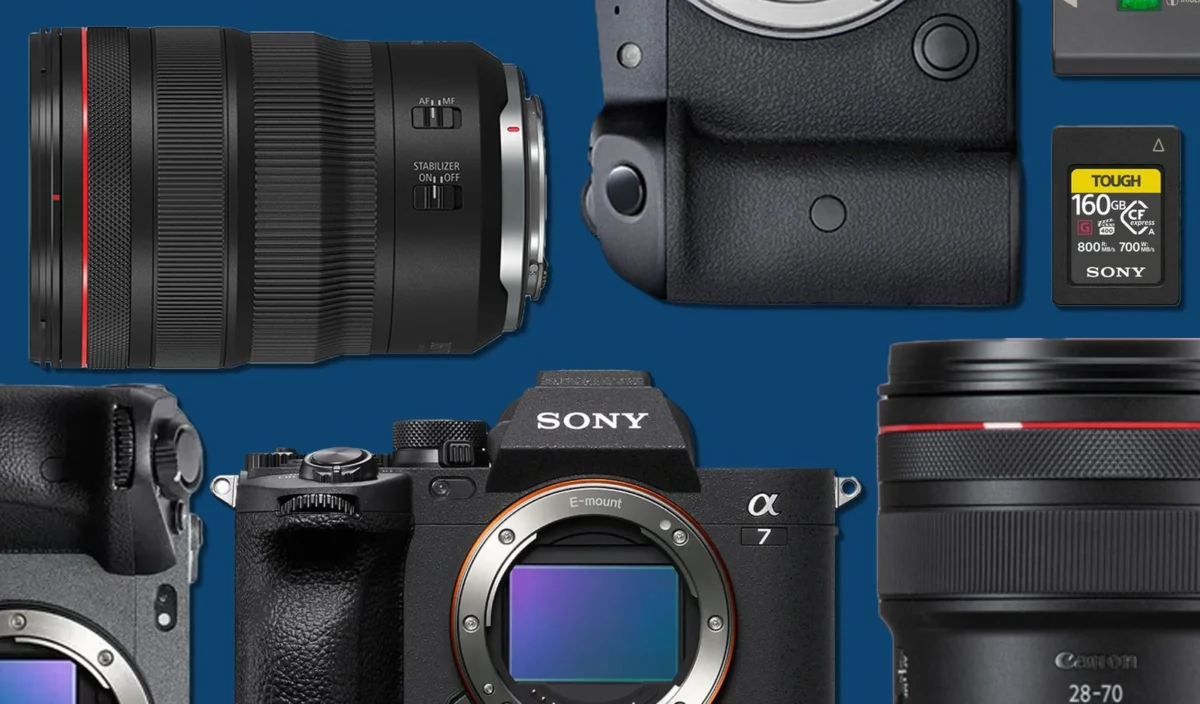
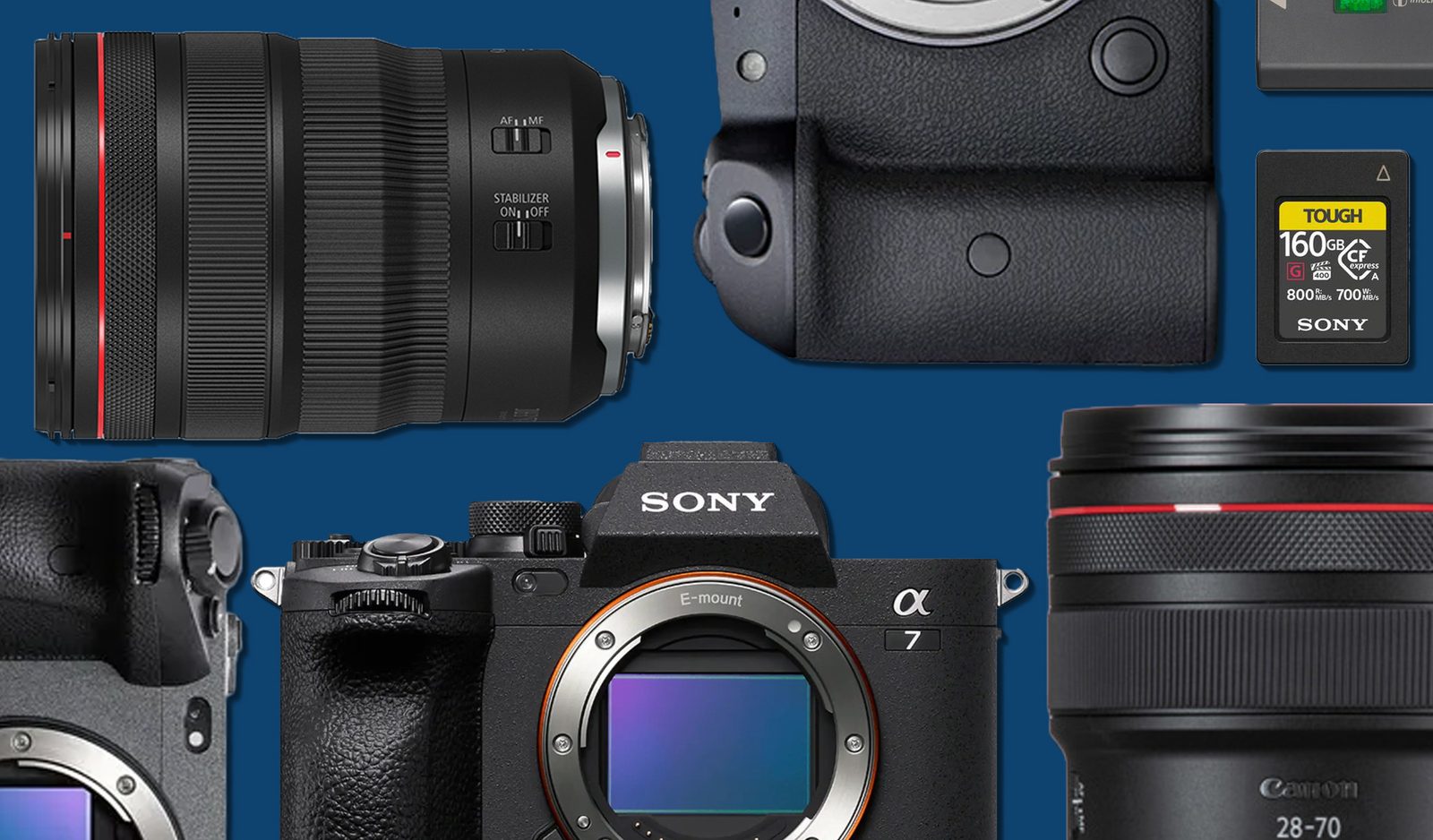
Accessories, encompassing everything from power solutions to data storage and support equipment, represent a critical, albeit often overlooked, segment of the rental market. The 2025 data revealed a strong demand for fundamental necessities: batteries and memory cards. Modern mirrorless cameras, while offering superior performance, are notoriously power-hungry compared to their DSLR predecessors. This necessitates a constant supply of spare batteries, making them a top rental item. Similarly, the increasing resolution and frame rates of contemporary cameras demand high-capacity, high-speed memory cards, such as CFexpress Type B or fast SD cards, to manage the enormous data throughput.
Surprisingly, the top twenty accessory rentals saw no significant presence of dedicated lighting gear or advanced drone equipment, with the exception of the DJI TB50 battery in 18th position. The remaining spots were primarily occupied by essential support gear like light stands and various tripods. This trend suggests that while cameras and lenses are frequently rented for specific projects, many professionals might already own their core lighting and drone kits, or these specialized items are rented on a less frequent, project-specific basis that doesn’t push them into the high-volume top 20. It could also indicate that basic lighting needs are often met with smaller, more portable solutions that are purchased outright rather than rented.
Market Dynamics: A Shifting Landscape by Revenue
The brand market share analysis for 2025, based on revenue generated rather than sheer rental volume, offers a slightly different perspective, favoring higher-priced brands. Canon continued its historical leadership, growing its market share from 23.96% in 2023 to 26.51% in 2025. Sony also demonstrated consistent growth, increasing its share from 19.13% to 21.66% over the same period. This sustained upward trajectory for both brands solidifies their duopoly in the professional imaging market, driven by continuous innovation in their mirrorless ecosystems.
Nikon experienced a slight dip, moving from 5.91% in 2024 to 5.56% in 2025, suggesting that despite strong product releases like the Z8, the brand is still navigating a competitive landscape dominated by its two main rivals. DJI, the drone and stabilization giant, showed healthy growth, increasing its market share from 3.31% in 2023 to 4.29% in 2025. This expansion underscores the increasing integration of drone technology and gimbal stabilizers into professional workflows, particularly in filmmaking and commercial videography.
Other brands like Blackmagic (3.57% to 3.15%), Sigma (3.32% to 3.13%), RED (2.03% to 1.11%), and Sachtler (1.38% to 1.05%) saw slight decreases in their market share. These fluctuations could be attributed to various factors, including intensified competition, specific product cycles, or broader economic pressures that influence rental patterns. For instance, the decline in RED’s share, while still representing significant revenue due to its high-end cinema cameras, might indicate a market where feature-rich, more accessible options from brands like Sony and Blackmagic are gaining traction, or that the purchase cycle for ultra-high-end cinema cameras is lengthening. Fuji, Aputure, Panasonic, and Leica maintained relatively stable or slightly growing shares, reflecting their established niches within the industry. "The revenue-based market share data provides a crucial lens into the financial strength and perceived value of different brands," noted financial analyst David Chen. "While volume might indicate accessibility, revenue often reflects the willingness of professionals to invest in or rent premium solutions, even if less frequently. Canon and Sony’s consistent growth here speaks volumes about their brand power and product portfolios."
Innovation and Iteration: Popular New Gear of 2025
The analysis of the most popular new gear rented in 2025 offers a glimpse into future market directions, albeit with certain caveats. This list prioritizes products newly added to the rental inventory during the year, meaning items released earlier in the year often have an advantage in accumulating rental orders. Furthermore, it can highlight new product categories or market segments that the rental house has recently entered.
Leading the charge for new products was an updated version of the Manfrotto 190 series tripod. This refresh of a perennially popular, video-focused tripod with a long-standing reputation for reliability signifies the continued importance of fundamental, well-engineered support equipment. It suggests that while camera technology evolves rapidly, the demand for robust and dependable accessories remains constant, with users valuing iterative improvements in ergonomics, stability, and durability.
A significant debut in the new gear list came from the lighting sector: the Amaran COB 200x. This 200W bi-color monolight, offering both battery and AC power options, quickly became a popular rental. Its versatility in power delivery, combined with a respectable output and bi-color functionality, makes it an attractive solution for a wide range of productions, from studio shoots to on-location work. This signals a growing trend towards portable, powerful, and adaptable lighting solutions that can integrate seamlessly into diverse shooting environments. The remainder of the popular new gear list consisted largely of refreshes of existing popular items, offering marginal upgrades to already exceptional products. This pattern suggests that 2025 was, in many respects, a transitional year for the industry, characterized by refinement and optimization rather than groundbreaking, revolutionary releases. Manufacturers appear to be consolidating gains, improving existing technologies, and fine-tuning user experiences, reflecting a mature market focused on incremental enhancements and ecosystem development.
Looking Ahead: Implications for the Photography and Videography Industry
The 2025 rental data paints a clear picture of an industry prioritizing versatility, reliability, and cost-effectiveness. Canon and Sony continue to dominate the professional and prosumer segments, driven by their comprehensive mirrorless ecosystems and strategic product development. The consistent demand for mid-range zoom lenses underscores the pragmatic needs of content creators who require adaptable tools for diverse assignments.
The strong performance of the Canon R6 Mark II suggests a sweet spot in the market for cameras that balance high-end features with a more accessible price point, particularly for rental purposes. Sony’s wide-ranging success, from cinema cameras to compacts, highlights the importance of catering to specialized niches while maintaining a strong core offering. The struggles of other brands to break into the high-volume rental lists indicate the competitive pressures and the challenges of building ecosystem momentum against established giants.
The robust demand for essential accessories like batteries and memory cards emphasizes the foundational requirements of modern digital imaging, while the emergence of versatile lighting solutions like the Amaran COB 200x points to evolving production needs. The market share data, particularly the growth of DJI, signals the increasing integration of specialized technologies like drones and stabilization into mainstream workflows.
As the industry moves forward, these trends suggest a continued focus on hybrid shooters who require equipment capable of excelling in both photography and videography. Ecosystem strength, encompassing cameras, lenses, and a wide array of compatible accessories, will remain a critical factor in brand loyalty and market dominance. The rental market, acting as an early indicator of adoption and preference, will continue to provide vital intelligence for manufacturers and content creators alike, guiding investment decisions and shaping the tools of visual storytelling for years to come. The upcoming analysis of purchase data will further illuminate which of these rented tools proved so indispensable that they found a permanent place in creators’ arsenals, offering a comprehensive view of the industry’s trajectory.