Fireworks, long associated with national celebrations and vibrant public spectacles, are increasingly finding a place in the intimate moments of life, particularly at weddings. For photographers, this celestial display presents a unique and breathtaking opportunity to craft truly epic couples portraits. However, orchestrating such a shoot requires a blend of technical skill and creative foresight, extending beyond the already demanding art of capturing romantic portraits. This guide delves into the essential strategies and considerations for photographers aiming to immortalize love against the dazzling backdrop of a fireworks finale.

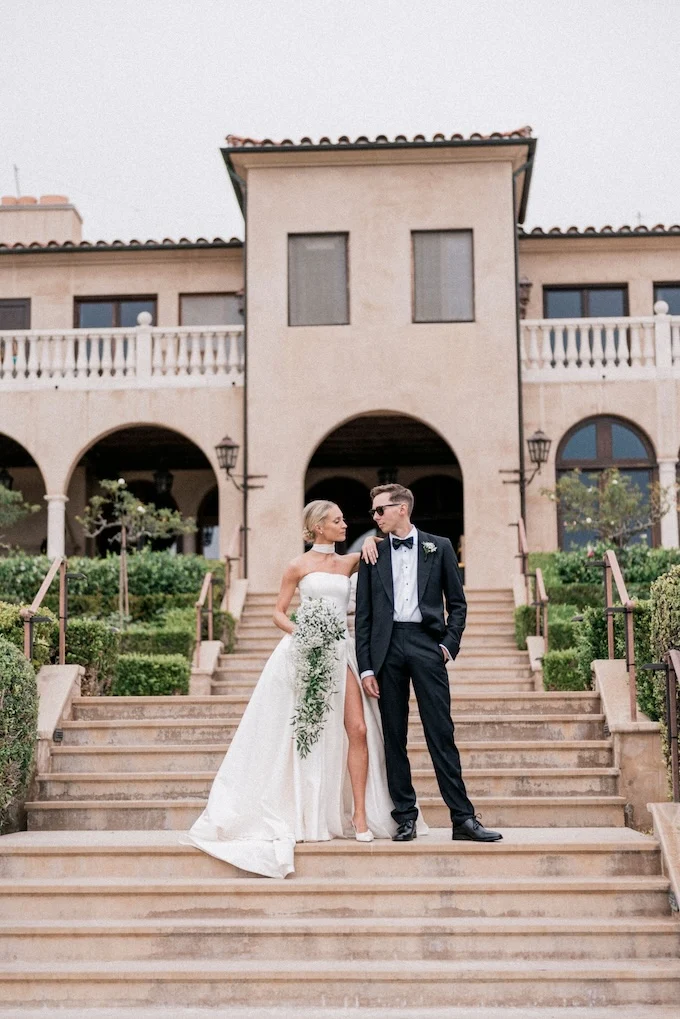
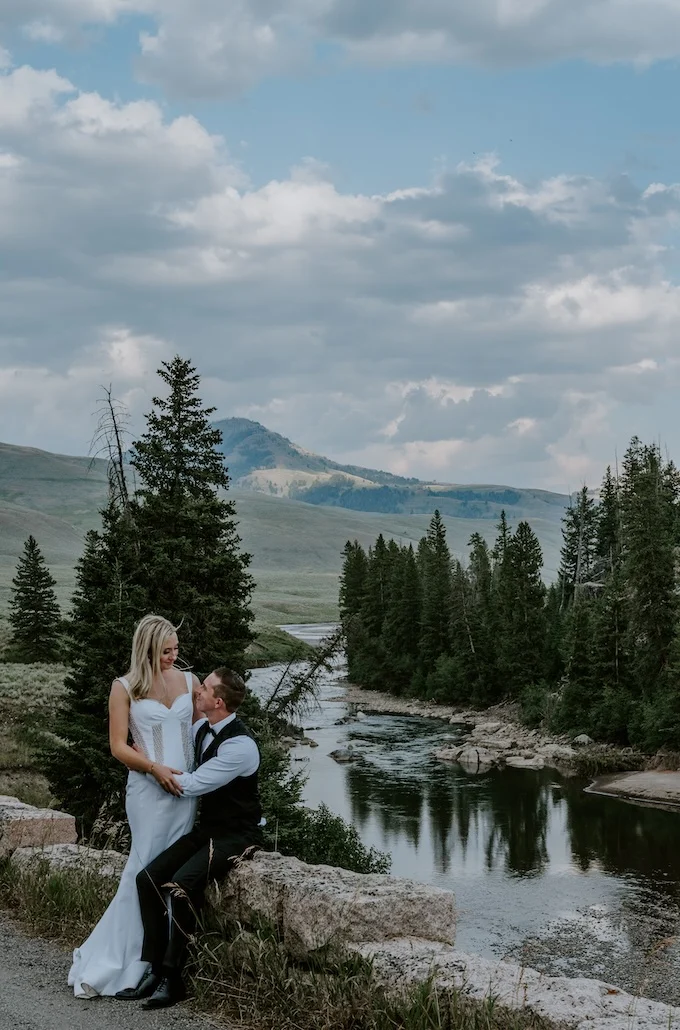
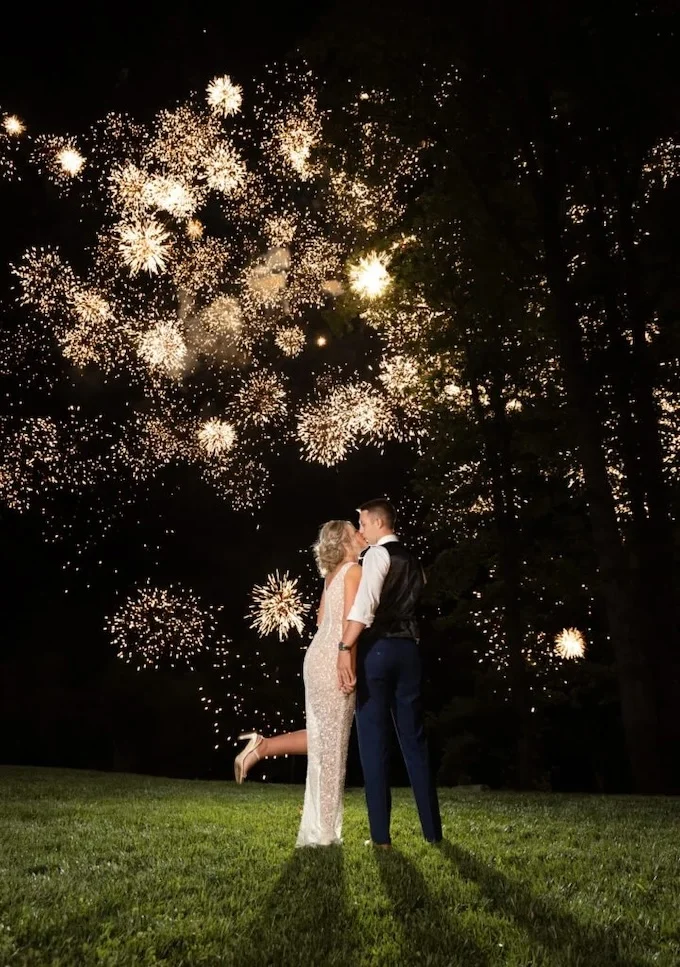
The ephemeral nature of fireworks—often lasting a mere five to eight minutes—demands meticulous planning and efficient execution. Success hinges on anticipating the display, scouting optimal locations, and precisely timing each shot. Photographers must leverage their technical expertise to manage challenging low-light conditions while ensuring the couple remains the focal point, bathed in both natural and artificial light. The images accompanying this article, provided by photographers affiliated with Wedding Maps, serve as inspiration and practical examples of what can be achieved with careful preparation and skilled execution.
Strategic Location Scouting: The Foundation of an Epic Shot
The journey to a stunning fireworks portrait begins long before the first fuse is lit. Identifying the optimal vantage point is paramount. This requires proactive communication with the couple, wedding planners, and venue staff to ascertain the precise location and trajectory of the fireworks display. Understanding where the pyrotechnics will erupt allows photographers to scout for the most compelling angles and compositions.

The "best" angle is subjective and depends on the desired aesthetic. A wide-open area might be ideal for capturing the sheer scale of the fireworks filling the sky, with the couple silhouetted against the spectacle. Alternatively, incorporating foreground elements like trees, architectural features, or even natural landscapes can add depth and context, framing the couple and the fireworks in a more intimate and layered composition. This pre-shoot reconnaissance, or scouting, is a critical step in ensuring that the final image tells a complete story, seamlessly integrating the couple’s love with the celebratory burst of light.
Mastering Dynamic Range: RAW Files and Exposure Settings
Photographing fireworks introduces a significant technical challenge: balancing the deep ambient darkness with the intense, fleeting brightness of the explosions. This extreme contrast, known as dynamic range, can easily lead to blown-out highlights or completely underexposed shadows, losing crucial detail in both the sky and the couple’s features.

To combat this, the use of RAW file formats is non-negotiable. Unlike JPEGs, which are compressed and lose data, RAW files capture a much wider spectrum of information, offering significantly more flexibility during post-processing. This allows photographers to recover details in both the brightest and darkest areas of the image, preserving the nuances of the fireworks and the couple’s expressions.
When it comes to exposure settings, a balanced approach is key. A starting point for many photographers involves setting the camera to manual mode with the following general parameters:

- Aperture: f/8 to f/11. This range provides a good depth of field, ensuring both the couple and a significant portion of the fireworks are in focus, while also controlling the amount of light entering the lens.
- Shutter Speed: 5 to 10 seconds. This longer exposure allows sufficient time for multiple fireworks to appear and create streaks of light, but it necessitates the use of a tripod to prevent camera shake. Shorter exposures (2-5 seconds) will capture individual bursts with more definition but less of the expansive, flowing light trails.
- ISO: 100 to 400. Keeping the ISO as low as possible minimizes digital noise, which is crucial for clean images, especially in low-light conditions.
Crucially, photographers should utilize their camera’s histogram. This real-time graph indicates the distribution of tones in the image. The goal is to avoid "clipping" on the right side of the histogram, which signifies blown-out highlights (lost detail in the bright fireworks). Conversely, the data should not be heavily concentrated on the far left, indicating crushed shadows (lost detail in dark areas). A well-exposed image will have a balanced histogram, with data spread across the tonal range.
Fine-Tuning White Balance and Lens Selection
White balance plays a pivotal role in accurately rendering the colors of the fireworks and ensuring the couple’s skin tones appear natural. A common starting point for fireworks photography is the "Tungsten" white balance setting, which typically provides a cooler tone that can help accentuate the vibrant colors of the explosions. If artificial light is used to illuminate the couple, a CTO (Color Temperature Orange) gel can be applied to the light source, and the camera’s white balance can be set around 3200 Kelvin. This adjustment helps to harmonize the artificial light with the ambient conditions and the fireworks’ hues. Experimentation and adjustment based on the specific color palette of the fireworks and the desired mood are essential.

The choice of lens significantly impacts the composition. For wide, expansive shots that capture the grandeur of the fireworks encompassing the couple, a wide-angle lens is often preferred. This allows for a broader field of view, incorporating more of the sky and the surrounding environment. However, photographers must consider communication with the couple during the shoot. Using a very wide lens can make it difficult to maintain a connection and direct the subjects effectively, especially if the couple is positioned at a distance.
On the other hand, a zoom lens can be advantageous for tighter shots, offering the ability to compress the scene and make the fireworks appear larger and more prominent in the frame. If a wider angle is initially chosen, photographers should be prepared to crop the image during post-processing to refine the composition and bring the focus back to the couple.

The Art of Long Exposure and Subject Illumination
The extended shutter speeds required for fireworks photography necessitate the use of a tripod to ensure image sharpness. To further eliminate any possibility of camera shake when pressing the shutter button, photographers can employ a cable release, a remote control, or the camera’s self-timer function, typically set to a two-second delay. These techniques ensure that the camera remains perfectly still throughout the exposure, resulting in crisp images even with shutter speeds of several seconds.
While fireworks are inherently luminous, they do not illuminate subjects effectively. Therefore, a crucial aspect of couples’ portraits with fireworks is the deliberate and skillful illumination of the couple themselves. Unlike traditional fireworks photography, where subjects are often left in darkness or omitted, wedding portraits require the couple to be well-lit and clearly visible.

The process of lighting the couple should mirror standard portrait lighting techniques. Photographers can set up their flash or continuous light source at a 45-degree angle to the couple and camera, positioned slightly above and facing them. This creates flattering shadows and highlights. A backlight can be added to separate the couple from the background and enhance their definition. Modifiers like snoots or grids can be used to precisely control light spill, ensuring the light falls only on the couple and doesn’t overpower the ambient scene or the fireworks. The key is to achieve a balance between the flash illumination and the ambient light of the fireworks, ensuring both elements are visible and harmonious. This setup can often be dialed in before the fireworks begin, allowing for adjustments to flash power and exposure settings to achieve the desired blend.
Precision in Focus: Embracing Manual Control
Autofocus systems can struggle in low-light conditions and when faced with the rapidly changing light patterns of fireworks. This can lead to missed focus and blurry images. To guarantee sharp portraits, photographers must switch their lenses to manual focus mode. Using the camera’s live view function, photographers can meticulously focus on the couple. Once focus is achieved, it’s vital to ensure the lens remains in manual focus mode for the duration of the shoot, preventing any unintended autofocus adjustments.

The Power of Composites: Layering for Perfection
For photographers seeking ultimate control over the final image, creating a composite is a powerful technique. This method involves capturing separate images of the couple and the fireworks and then combining them in post-production. The process begins with the couple. A well-lit and perfectly posed portrait of the couple is captured using a tripod. This ensures the couple remains static and sharp in their own dedicated image.
Following the portrait session, multiple exposures of the fireworks are captured. The key here is consistency; all images intended for the composite should be taken with the same camera settings and from the same tripod position.

In the editing suite, software like Adobe Lightroom and Photoshop becomes indispensable. In Lightroom, all the selected images—the couple’s portrait and the various fireworks shots—should be edited identically. This ensures a cohesive look and feel across all elements. Applying the edits from the couple’s portrait to the fireworks shots as a batch process is an efficient way to maintain consistency.
The images are then layered in Photoshop. The blend mode for the fireworks layers is typically set to "Lighten." This mode allows only the brighter pixels (the fireworks) from the upper layers to show through, effectively layering the explosive bursts over the couple’s portrait. Layer masks are then used to refine the composite, precisely blending the elements and removing any unwanted areas from each layer. This technique allows for meticulous control over the composition, ensuring the fireworks are perfectly positioned and the couple is impeccably lit, regardless of the unpredictable nature of live fireworks displays.

Beyond Fireworks: Capturing Sparkler Magic
While not technically "fireworks," sparklers are a popular and often incorporated element at weddings, especially for grand exits. Their photographic treatment shares similarities with fireworks but also presents its own unique considerations.
For sparkler photography, recommending larger, 36-inch sparklers over smaller 10-inch ones is a practical tip for photographers. The extended burn time of larger sparklers provides a more generous window for posing the couple and capturing multiple shots, ensuring more opportunities for a perfect image.

The illumination provided by sparklers is minimal. Therefore, photographers need to adjust their camera settings to compensate for the low light. Boosting the ISO and opening the aperture to a wider setting (e.g., f/2.8 to f/4) are common starting points to achieve a brighter exposure. The specific settings will depend on whether the subjects are moving or stationary.
- For Moving Subjects: Faster shutter speeds (e.g., 1/60 to 1/125 second) are necessary to freeze motion, requiring a higher ISO and wider aperture to compensate for the lack of light.
- For Static Subjects: Lower shutter speeds (e.g., 1/15 to 1/30 second or even longer if a tripod is used) can be employed, allowing more light to enter the lens and potentially resulting in cleaner images with lower ISO. Careful adjustment of aperture and ISO will be needed to balance these settings.
Safety is paramount when working with sparklers. Having a bucket of water readily available is essential for safely extinguishing used sparklers. This simple precaution prevents accidents and ensures a smooth and secure shooting experience.

Conclusion: Illuminating Love Stories
Photographing couples under a sky ablaze with fireworks or the twinkling trails of sparklers offers a unique opportunity to imbue wedding photography with an extraordinary sense of celebration and romance. The technical demands are significant, requiring a deep understanding of exposure, focus, and lighting in challenging conditions. However, with thorough planning, strategic execution, and a willingness to embrace creative techniques like compositing, photographers can transform fleeting moments of pyrotechnic artistry into timeless portraits that beautifully capture the essence of a couple’s special day. The inspiration drawn from these techniques and the visual examples provided by talented photographers underscores the potential for truly unforgettable imagery when love meets the brilliance of the night sky.