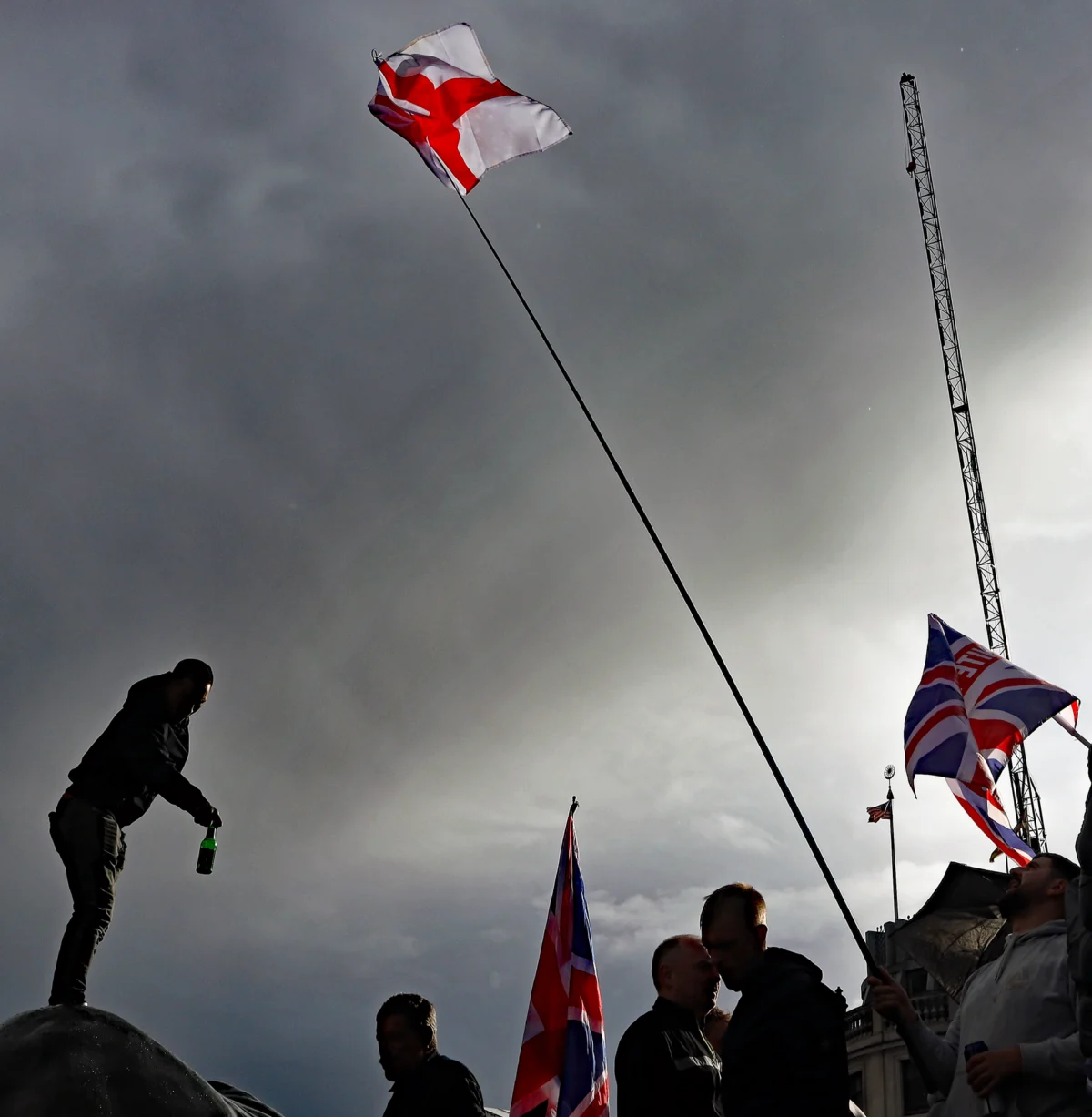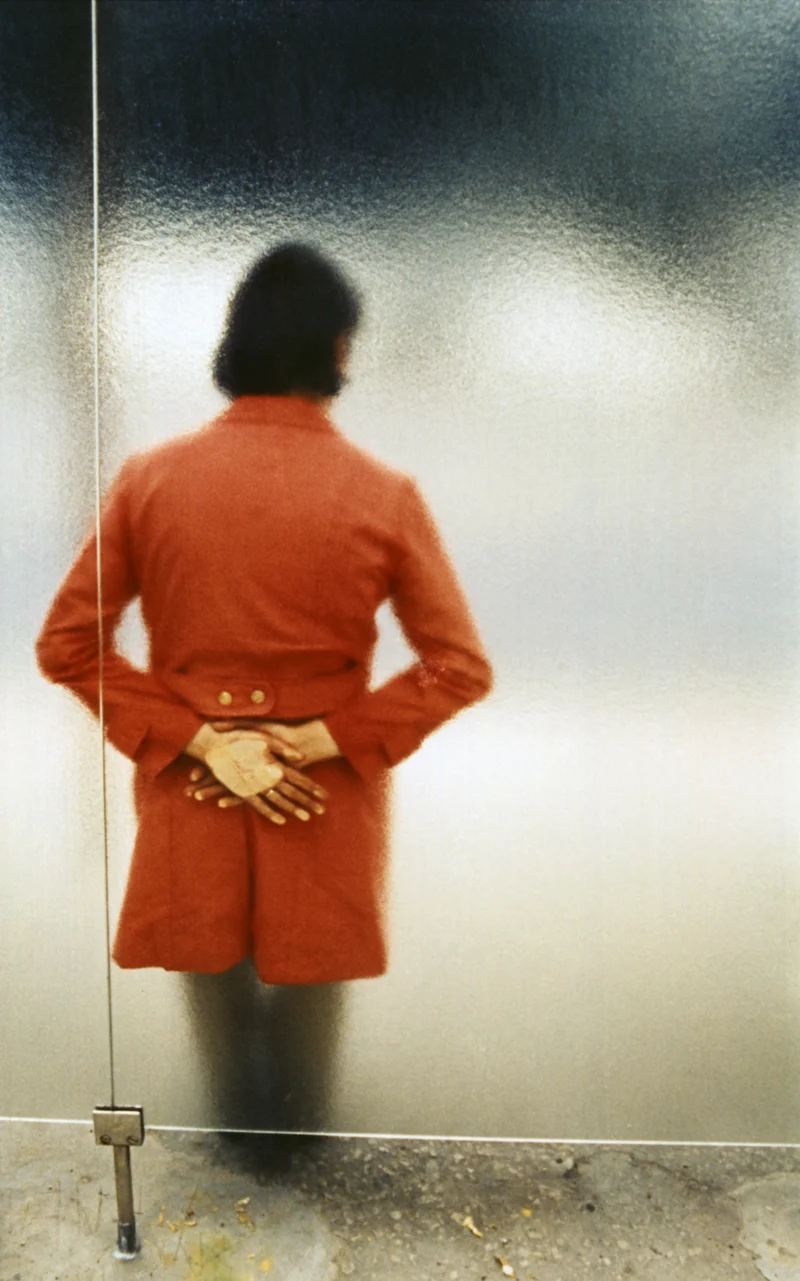
The enduring dialogue between artistic movements often reveals surprising commonalities, bridging seemingly disparate eras and mediums. A closer examination of Impressionism, the revolutionary art movement of the late 19th century, and the burgeoning genre of street photography, uncovers a shared visual language rooted in technological innovation, a redefinition of subject matter, and a profound engagement with light and color. This exploration, initiated by photographer Michiel van Mens through his insightful analysis of artists like Max Liebermann and contemporary street photographers such as William Eggleston and Saul Leiter, suggests that the lessons learned from the Impressionists offer valuable perspectives for modern-day image-makers.
The Catalyst of Innovation: From Paint Tubes to Film Cassettes
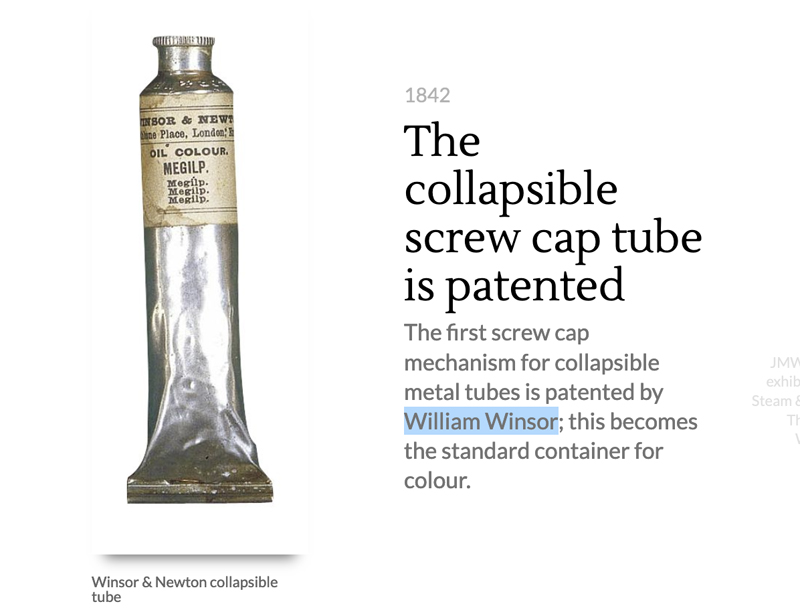
The genesis of Impressionism was inextricably linked to a pivotal technological advancement: the invention of the collapsible paint tube. Patented by American painter John Goffe Rand in 1841, this seemingly simple innovation liberated artists from the laborious process of grinding and mixing their own pigments. Prior to this, painters were largely confined to their studios, their palettes dictated by the availability and preparation of raw materials. The advent of pre-packaged, ready-to-use oil paints, manufactured by companies like Winsor & Newton and Lefranc & Bourgeois, dramatically reduced preparation time. This shift not only expanded the range of available pigments, leading to a richer and more vibrant palette, but also fundamentally altered the artist’s relationship with their environment. Freed from the studio’s confines, painters could venture outdoors, or en plein air, to directly observe and capture the ephemeral qualities of natural light and fleeting moments. This newfound mobility and direct engagement with the world laid the groundwork for Impressionism’s focus on contemporary life and its transient beauty.
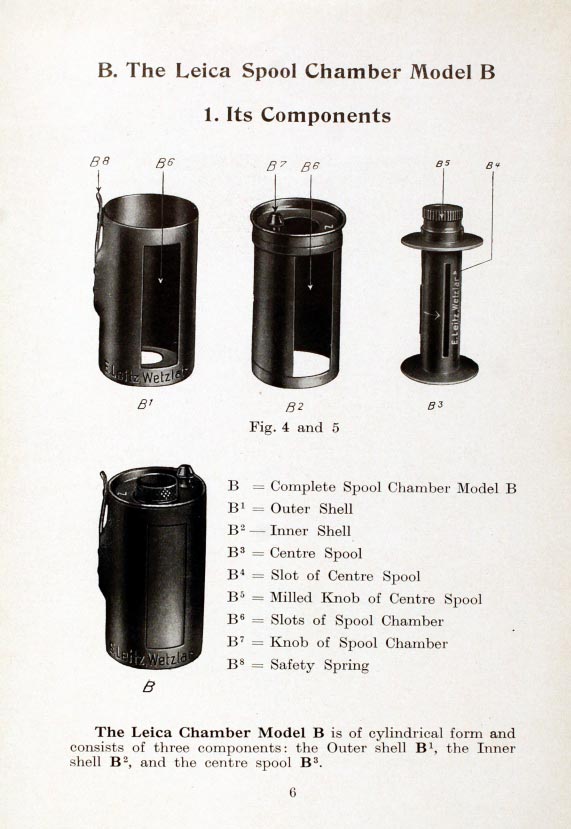
A comparable technological leap occurred in the realm of photography. The early days of photography were characterized by complex and time-consuming processes, such as the wet plate collodion method, which required photographers to prepare light-sensitive emulsions on glass plates immediately before exposure. This necessity tethered photographers to darkrooms situated near their subjects, mirroring the studio-bound existence of pre-tube painters. However, the introduction of ready-made dry plates and, crucially, the development of flexible film, revolutionized photographic practice. The year 1924 marked a significant milestone with Leitz’s introduction of the reloadable film cassette alongside the first practical 35mm camera. This combination democratized photography, making it more portable, efficient, and accessible. This parallel to the paint tube’s liberation of painters underscores how technological progress consistently fuels artistic evolution, enabling creators to move beyond technical limitations and focus on conceptual and aesthetic exploration.
Redefining the Canvas: Everyday Life as Subject Matter
Both Impressionism and street photography share a radical departure from traditional artistic hierarchies of subject matter. Historically, academic art favored grand historical narratives, mythological scenes, religious themes, and portraits of the elite. The Impressionists, however, turned their gaze to the quotidian: bustling city streets, intimate café scenes, verdant parks, and the lives of ordinary people. Their canvases became windows into the vibrant tapestry of modern urban existence, capturing the rhythm and energy of contemporary life. This shift represented a profound reevaluation of what constituted worthy artistic material, imbuing everyday experiences with aesthetic significance.
Street photographers, following in a similar vein, elevated the ordinary to the extraordinary. Photographers like Helen Levitt, Ernst Haas, Fred Herzog, and Luigi Ghirri found artistic resonance in scenes of everyday street life: children at play, candid moments in cafés, the geometry of parked cars, the glow of neon signs, and the mundane details of shop windows. Their work demonstrated that profound visual narratives could be found in the overlooked corners of urban landscapes and the fleeting interactions of anonymous passersby. Stephen Shore, for instance, pushed this concept further, finding artistic merit in subjects as varied as hotel rooms, television sets, and even his own meals, thereby expanding the very definition of photographic subject matter. This shared inclination to find beauty and meaning in the commonplace underscores a fundamental artistic kinship between the two movements.
The Art of Light and Shadow: Capturing the Ephemeral
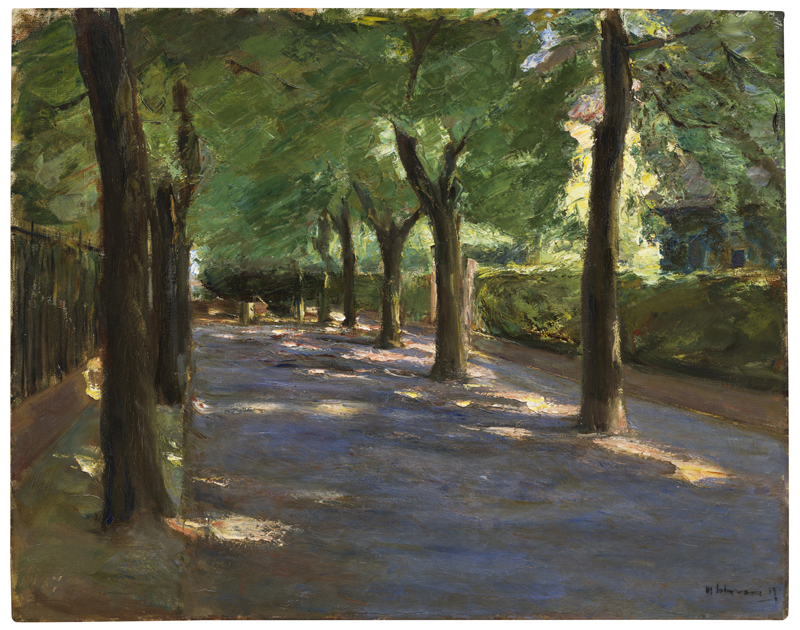
Central to both Impressionism and street photography is a sophisticated engagement with light and shadow. The Impressionists famously made light itself a primary subject of their paintings. Max Liebermann’s 1917 work, "Die Colombierstraße in Wannsee," exemplifies this. While ostensibly depicting a country road, the true subject is the dappled sunlight filtering through the foliage, transforming an ordinary scene into a poetic and luminous experience. The Impressionists understood that light’s visibility is amplified by its opposite: shadow. The interplay between light and dark creates depth, atmosphere, and emotional resonance.
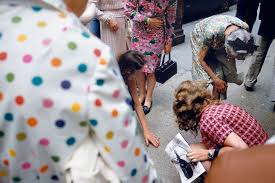
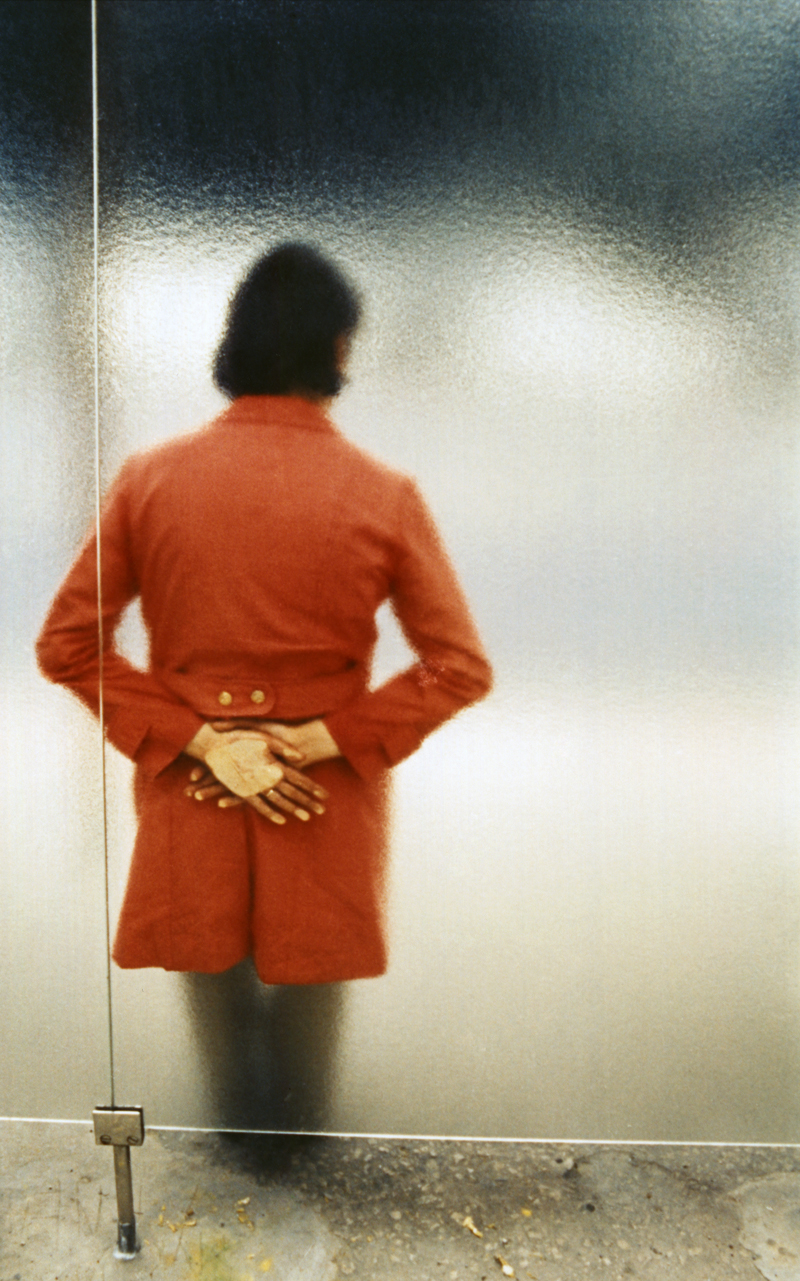
This same fascination with the ephemeral nature of light and the dramatic effect of contrast permeates the work of many street photographers. Photographers like Helen Levitt, Mitch Epstein, Saul Leiter, William Eggleston, and Fred Herzog utilized light and shadow not merely for descriptive purposes, but as powerful tools to evoke mood and emotion. They recognized that a particular quality of light could imbue an ordinary street corner with a compelling visual energy. The contrast between brightly lit areas and deep shadows became a fundamental element in their compositions, shaping the viewer’s perception and emotional response. This approach suggests that the subject is not solely the physical scene but also the atmospheric conditions that define it, a principle that continues to inform contemporary street photography.
Color as Interpretation: Breaking from Tradition
The evolution of color in art provides another significant parallel. For centuries, the palette available to painters was constrained by the natural pigments they could source and prepare. This often resulted in regionally distinct color palettes, such as the earthy tones prevalent in 17th-century Dutch painting. The advent of industrially produced pigments, made widely accessible by the paint tube, offered artists an unprecedented spectrum of colors. The Impressionists eagerly embraced these new possibilities, notably their innovative use of violet to depict light and atmosphere, moving beyond traditional blacks and browns. They understood that color was not simply a means of representation but a potent tool for interpretation, capable of conveying mood and subjective experience.
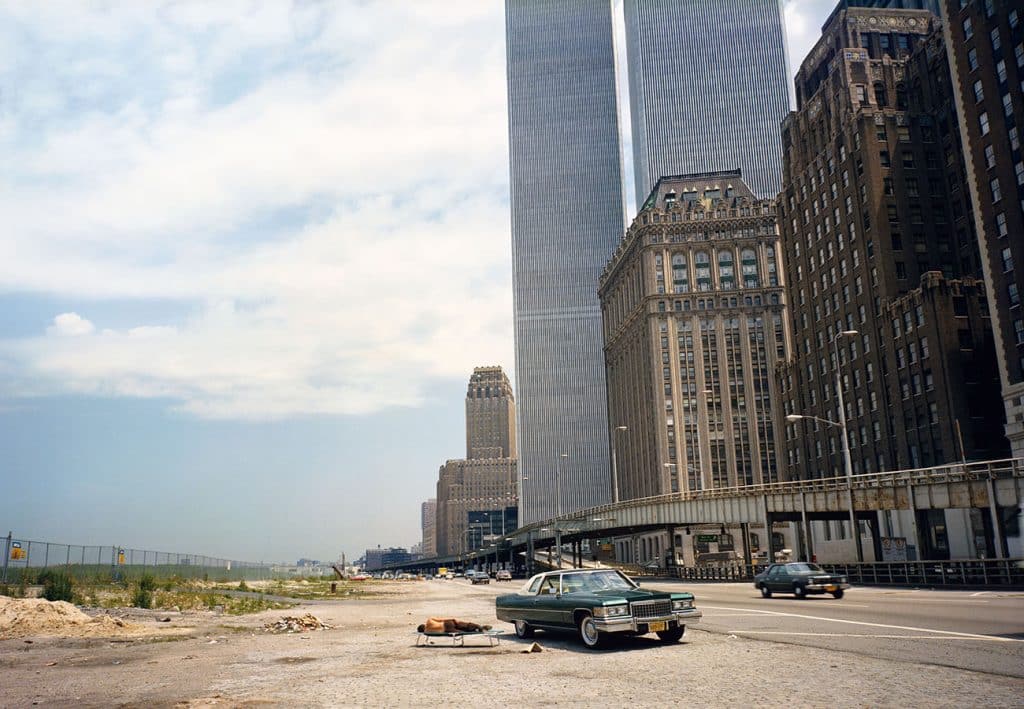
Similarly, the rise of color photography coincided with a period when black-and-white was considered the only serious artistic medium. Photographers such as Helen Levitt, Saul Leiter, Mitch Epstein, William Eggleston, and Fred Herzog deliberately embraced color, often facing skepticism from the art establishment. William Eggleston, in particular, championed color photography, utilizing techniques like the dye-transfer process to achieve rich, saturated hues that challenged prevailing norms. This mirrored the Impressionists’ revolutionary use of color to express their unique vision rather than to merely document reality. For both movements, color became an expressive language, capable of transforming the mundane into the visually compelling and shaping the viewer’s emotional engagement with the image.
The Unconventional Path: Education and Critical Reception
A striking commonality between Impressionism and street photography lies in the educational backgrounds of their pioneers. Many prominent Impressionists, despite receiving some formal training, developed their distinctive styles largely outside the rigid confines of academic art institutions. Figures like Claude Monet and Camille Pissarro forged their paths through observation, experimentation, and collaboration, consciously distancing themselves from established conventions. This trend is mirrored in street photography, where many influential practitioners were largely self-taught. Photographers like Ed van der Elsken honed their skills through practical experience, informal study, and mentorship, rather than solely through academic degrees. Michiel van Mens’s research into the "Photographic Signature of the Street Photographer" identified that only a small fraction of renowned street photographers completed formal photography education, highlighting a pattern where groundbreaking innovation often flourishes outside traditional structures. This suggests that a willingness to question established norms and develop a personal vision is paramount to artistic breakthroughs.
Furthermore, both movements faced significant initial criticism. The term "Impressionist" was coined derisively by critic Louis Leroy, who perceived the artists’ works as unfinished sketches. Similarly, street photographers, particularly those working in color, were often dismissed as producing mere "snapshots" lacking artistic intent. William Eggleston’s 1976 solo exhibition at the Museum of Modern Art, for example, was met with considerable disbelief and criticism. Over time, however, these dismissive labels were reclaimed by the artists themselves and ultimately became synonymous with influential artistic movements. This historical parallel underscores the often-contentious nature of artistic innovation, where pioneering work is frequently misunderstood or undervalued before its eventual recognition and enduring impact.
The Legacy and Contemporary Relevance
The parallels between Impressionism and street photography are not merely historical curiosities; they offer enduring insights for contemporary artists. As Michiel van Mens posits, today’s street photographer functions as a "colorist of everyday life," consciously employing color, light, and shadow to shape viewer perception. The deliberate use of a limited palette, the strategic deployment of contrast to emphasize light, and the embrace of post-processing tools to enhance expressive power are all echoes of Impressionist techniques. Just as Impressionists experimented with newly available pigments, contemporary photographers leverage digital tools to refine their visual language.
The influence of technology continues to be a driving force in art. From the paint tube and the film cassette to the sophisticated digital cameras and editing software of today, technological advancements consistently provide artists with new avenues for expression. The history of art demonstrates that artists who embrace these innovations, rather than resisting them, often lead the way in expanding creative possibilities and challenging existing paradigms. The work of artists like Phil Toledano, through projects exploring emergent forms of visual storytelling, suggests that the future of street photography will continue to be shaped by this dynamic interplay between artistic vision and technological evolution. The journey from the sun-dappled streets of Paris captured by Monet to the vibrant urban landscapes photographed by contemporary artists reveals a continuous artistic lineage, one that celebrates the everyday and finds profound beauty in the transient moments of life.