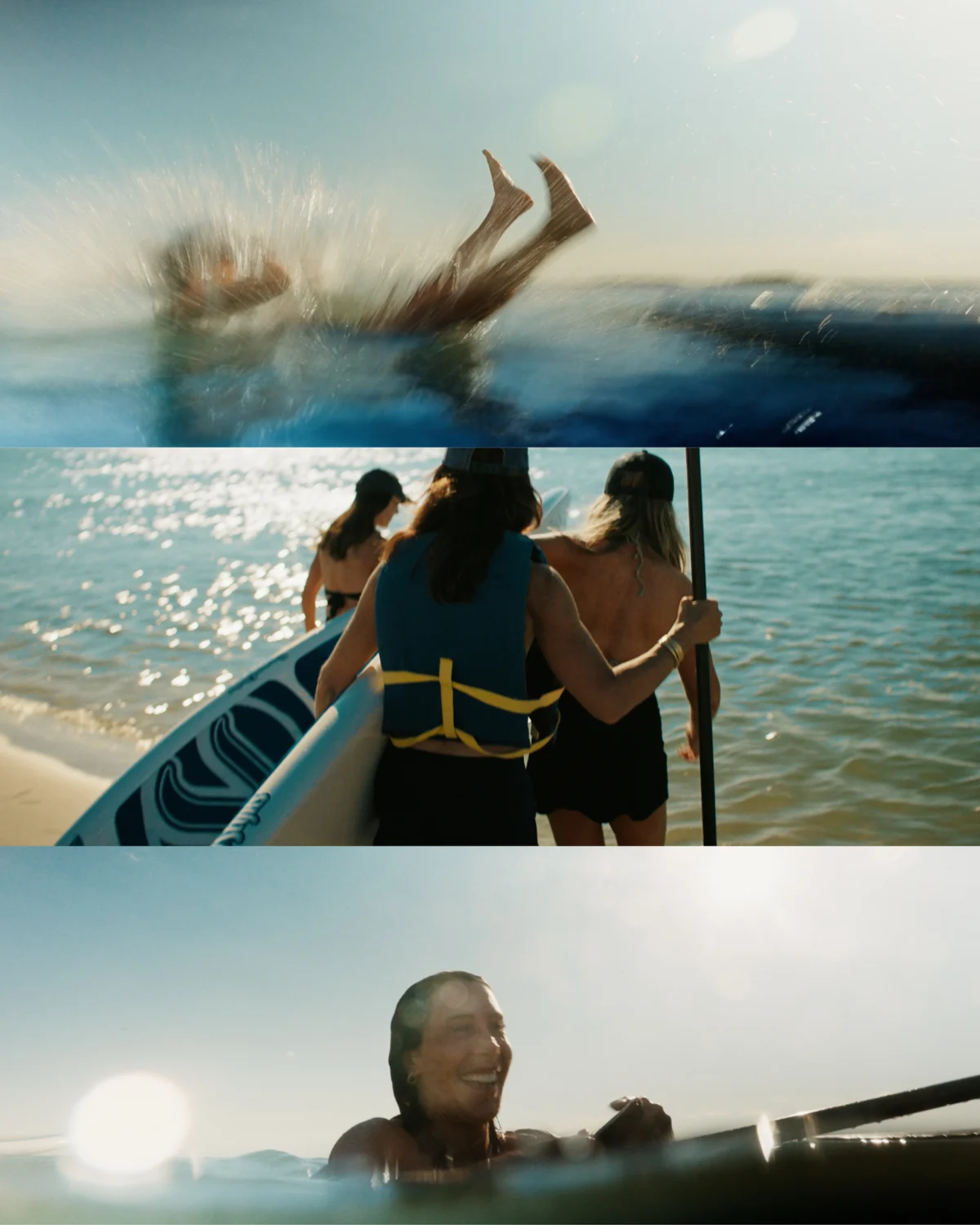
Denver-based commercial director Jill Coats has spent the last decade revolutionizing the advertising landscape, asserting that a truly effective advertisement should never overtly feel like one. Her distinctive approach, encapsulated by her philosophy of creating "short films disguised as ads," prioritizes raw emotion, profound human connection, and deep-seated nostalgia over conventional brand messaging. This innovative methodology has seen her transition from a solo videographer wielding a childhood camcorder to orchestrating large-scale production crews, fundamentally reshaping how audiences engage with commercial content.
The Evolution of a Visionary: From Solo Creator to Orchestrator
Coats’ journey into the upper echelons of commercial directing is a testament to both innate creative talent and a rigorous process of professional evolution. Her early career was characterized by a self-reliant, "one-woman-band" ethos, where she meticulously managed every aspect of production. This period, common among emerging visual artists, allowed her to develop a deeply personal aesthetic and an intuitive understanding of visual storytelling. The immediate feedback loop of operating alone meant that the vivid, internal worlds she envisioned could be translated directly to the screen without intermediate interpretation. This formative experience instilled a profound sense of artistic control and a direct connection to her craft.
However, the ambition to scale her vision and tackle more complex narratives necessitated a significant shift. The commercial directing sphere, particularly for high-profile branded content, demands intricate coordination, specialized expertise, and the synchronized efforts of numerous professionals. This transition, while marking a pivotal growth phase for her production company, One Forty Films, was not without its considerable challenges. Coats candidly describes the most arduous aspect as not merely managing logistics, but rather learning to relinquish direct physical control of the camera and effectively communicate her intricate creative visions to a diverse team. "When you’re working alone, the images, emotions, pacing, and overall feel already exist so clearly in your head that you can simply execute them instinctively," Coats explains. "But when a team becomes involved, you have to translate something deeply internal into language that other people can fully understand and bring to life." This speaks to a universal truth in creative leadership: the ability to articulate an abstract concept into actionable directives for a specialized crew.
Mastering the Art of Collaborative Storytelling and Pre-Production
The imperative to translate her internal vision into a shared language spurred Coats to develop an exceptionally intentional and rigorous pre-production process. Recognizing that her crew could not intuitively access her mental blueprint, she began relying heavily on comprehensive reference images, detailed mood boards, and the cultivation of a precise, evocative vocabulary. This lexicon allowed her to articulate nuanced concepts related to tone, movement, texture, and emotional resonance to her cinematographers, production designers, and other department heads. For instance, instead of simply asking for "a warm shot," she might specify "a golden hour glow reminiscent of faded photographs, with a soft, slightly diffused texture that evokes childhood memories." This level of specificity is crucial in large-scale productions, ensuring alignment across all creative departments and minimizing misinterpretations.
A cornerstone of Coats’ collaborative philosophy is her strategic approach to team building. She champions the principle of "hiring people who are better than her in their specific roles." This seemingly humble assertion is, in fact, a hallmark of effective leadership in any creative or technical field. By entrusting specialized tasks to individuals whose expertise surpasses her own in those specific domains, Coats empowers her crew, fosters a sense of shared ownership, and ultimately elevates the collective output. This strategy not only streamlines the production process but also ensures that each component of the film—from lighting to sound design—receives the highest level of professional attention. As she puts it, "When I know the people around me are incredibly talented, it becomes much easier to let go of control and allow them to elevate the vision beyond what I could have achieved on my own." This collaborative synergy is a critical factor in her ability to produce content that consistently transcends typical commercial aesthetics.
The Emotional Language of Optics: Tailoring Gear to Narrative
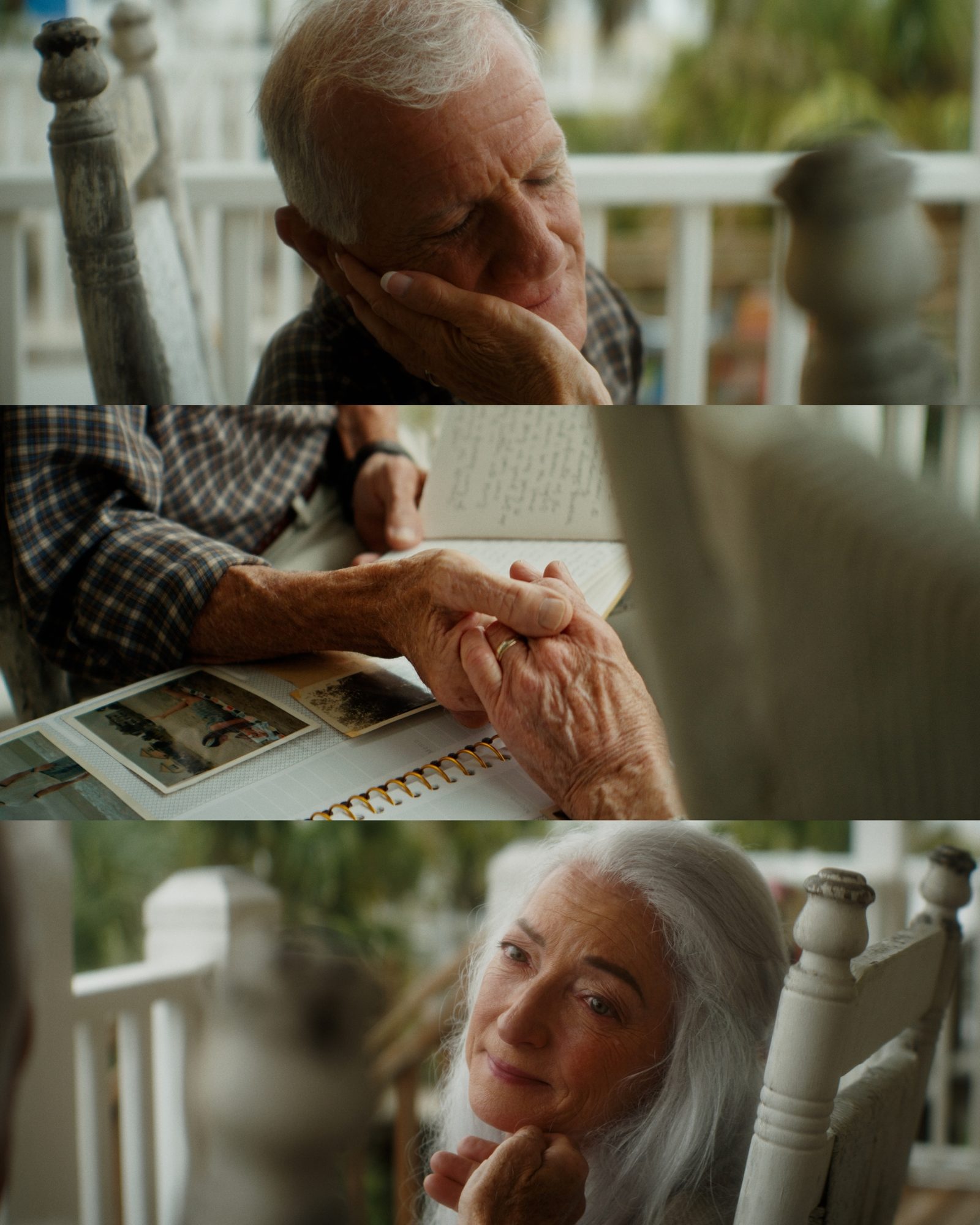
Perhaps one of the most distinctive aspects of Coats’ filmmaking philosophy lies in her meticulous approach to gear selection, particularly her choice of lenses—colloquially known as "glass." For Coats, the technical setup is never a predetermined constraint but rather a blank canvas, meticulously tailored to the specific emotional and narrative demands of each story. This stands in stark contrast to production models where projects are often forced to adapt to the limitations of available in-house equipment.
"I’ve realized just how much glass can shape emotion, and every project calls for something different," Coats asserts. This understanding underscores a sophisticated appreciation for the subtle yet profound impact that optical characteristics have on the viewer’s experience. Different lenses possess unique signatures: some are surgically sharp and contrasty, ideal for contemporary, high-fidelity visuals, while others exhibit softer rendering, distinctive flare patterns, or a particular quality of bokeh (the aesthetic blur of out-of-focus areas). These "imperfections" and "characteristics" are not flaws but rather deliberate artistic choices that can transform the emotional language of a film, evoking nostalgia, intimacy, or a sense of ethereal dreaminess.
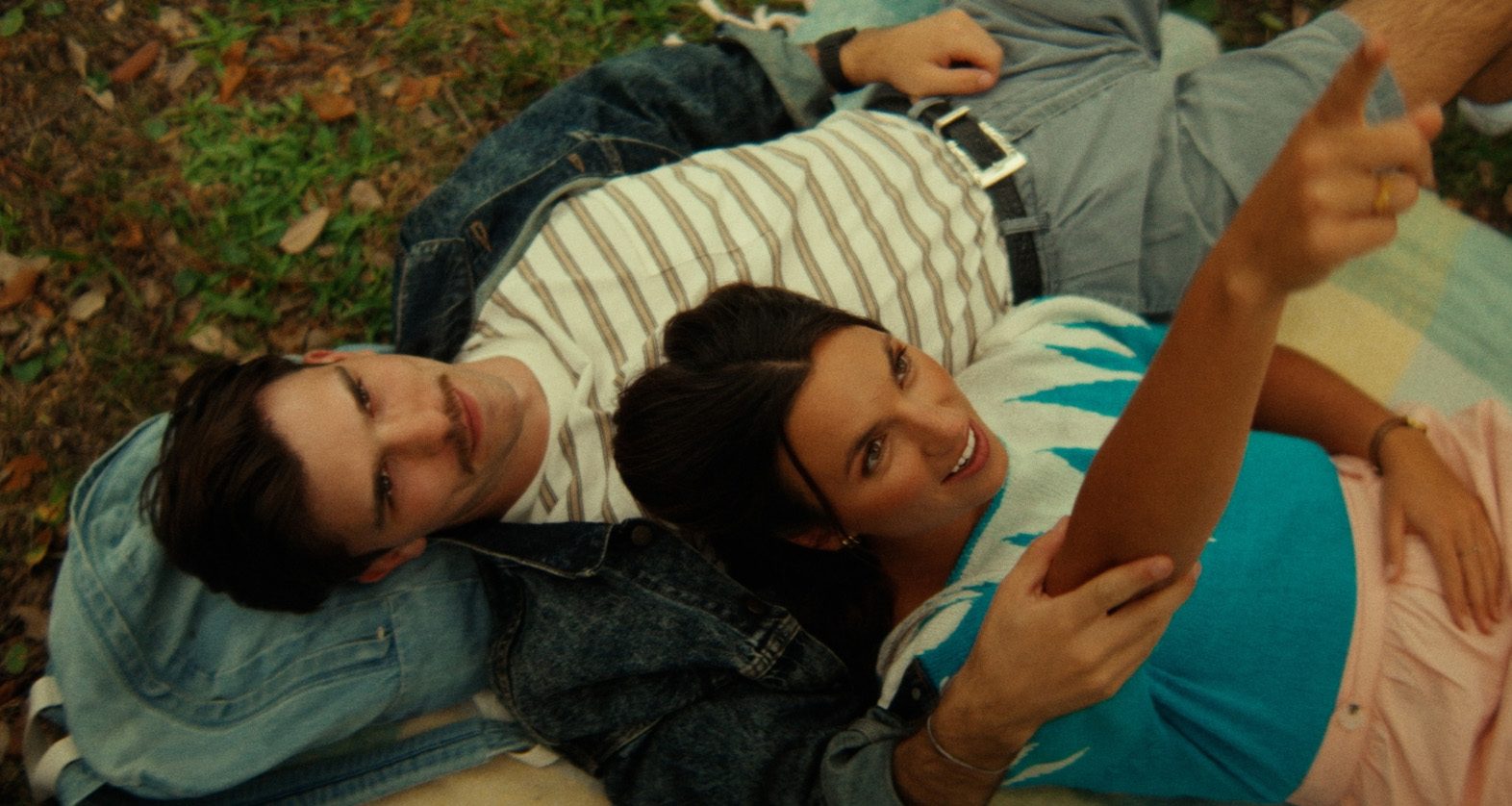
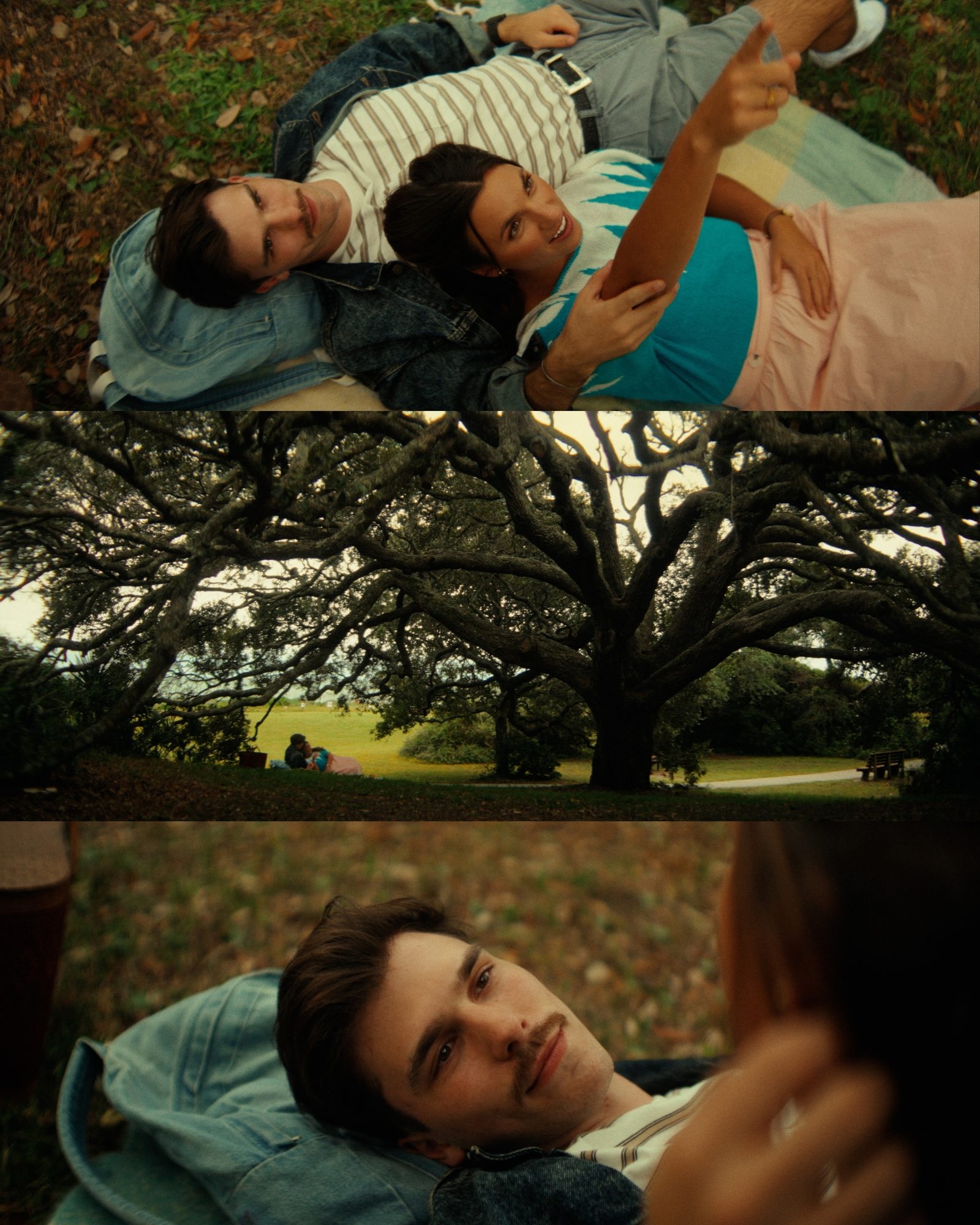
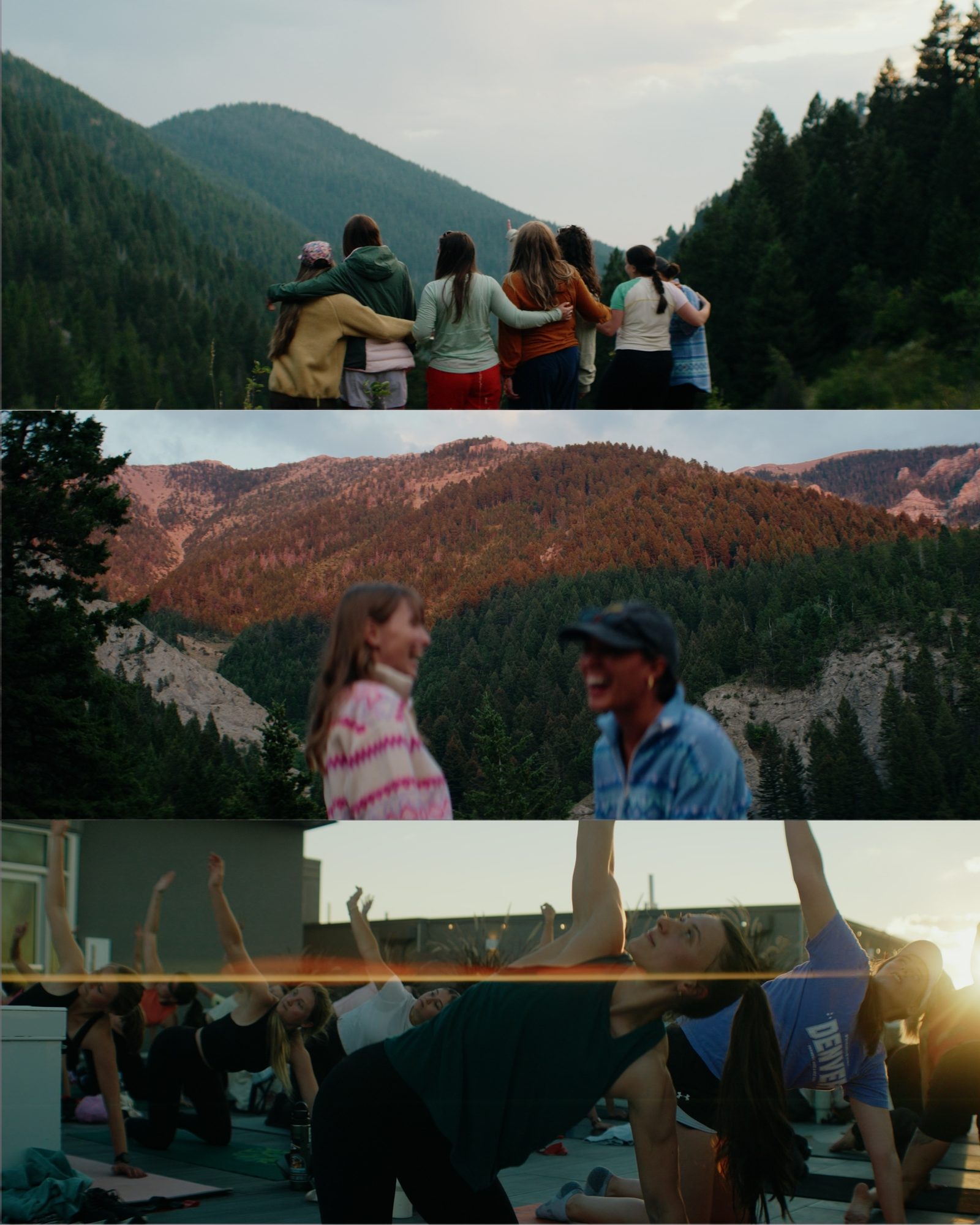
A compelling illustration of this philosophy is evident in "Remember How to Play," a branded film directed by Coats that chronicles a group of friends rekindling their childhood sense of freedom on a bicycle trip. For this project, Coats envisioned visuals that were decidedly warm, fleeting, and deeply nostalgic, steering clear of a clinically perfect or overly polished aesthetic. Collaborating closely with her talented cinematographer, Josh Bernales, the team deliberately opted for a specific combination of lenses and filters to achieve this nuanced visual texture.
They chose to rent a set of DZO Vespid prime lenses, paired with Pearlescent and Black Pro-Mist filters. The DZO Vespid series is known within the cinematography community for its ability to deliver a cinematic image with a slightly softer, more organic rendering than many ultra-sharp modern commercial lenses. These lenses often exhibit pleasing fall-off and character that lends itself well to storytelling that seeks an emotional, rather than purely documentary, feel. The addition of Pearlescent and Black Pro-Mist filters further refined this aesthetic. These diffusion filters are designed to soften the image, gently bloom highlights, subtly lift shadows, and reduce overall contrast, creating a dreamy, ethereal glow around light sources. This combination effectively "de-digitalized" the image, imbuing it with a filmic quality that resonated deeply with the project’s nostalgic theme. "Altogether, the image started to feel less digital and more nostalgic," Coats explains, highlighting the transformative power of these optical choices in shaping the audience’s emotional connection to the narrative.
The Strategic Advantage: Democratizing High-End Cinematography
The ability to implement such highly customized visual languages for every project, without the prohibitive cost of purchasing an extensive and specialized inventory of lenses and camera equipment, is largely facilitated by strategic partnerships. For the past five to six years, Coats has consistently relied on Lensrentals.com, a leading equipment rental provider, to access the precise tools her creative vision demands.
The landscape of professional filmmaking equipment has seen exponential growth in recent decades, with specialized lenses, cameras, and accessories emerging for every conceivable aesthetic. For a director like Coats, who eschews a one-size-fits-all visual approach, owning every piece of niche equipment would be financially unsustainable and logistically impractical. The rental model provides unparalleled flexibility, allowing her to experiment with various optical characteristics—from vintage anamorphic primes that impart a wide, cinematic aspect ratio with distinctive flares and bokeh, to lightweight, versatile zooms essential for fast-moving documentary work. This access ensures that her creative vision is never constrained by the limitations of her personal gear closet.
The global camera and lens rental market, valued at over $1.5 billion in 2023 and projected to grow significantly, underscores the industry-wide reliance on such services. This growth is driven by several factors: the rapid pace of technological innovation, which quickly renders equipment obsolete; the high upfront cost of professional cinema gear; and the increasing demand for diverse visual styles across commercial, film, and television productions. For independent production companies and commercial directors like Coats, equipment rental democratizes access to high-end tools, enabling them to compete with larger studios and maintain a distinctive aesthetic edge. A spokesperson for a leading equipment rental service might emphasize that "our extensive inventory empowers creatives like Jill to explore boundless visual possibilities without the burden of ownership, fostering innovation and ensuring every story can be told with its ideal visual voice."
This strategic reliance on rental services directly translates into her work consistently standing out in a crowded market. It allows her to continually innovate, pushing the boundaries of what is visually achievable within a commercial framework. "Lensrentals has allowed me to say ‘yes’ to bigger, more specific creative ideas without being limited by the gear I personally own," she affirms. "I’m not approaching every project with the same visual language, I’m building a look that’s intentional to the story, the brand, and the feeling we want the audience to walk away with."
Broader Implications: The Future of Branded Content
Jill Coats’ methodology represents a significant trend within the broader advertising and content creation industry: the shift from overt sales pitches to sophisticated, emotionally resonant storytelling. In an age where consumers are increasingly adept at filtering out traditional advertisements, branded content that genuinely connects on an emotional level stands a far greater chance of capturing attention and fostering brand loyalty. Her "short films disguised as ads" are not merely marketing tools; they are cultural artifacts that invite viewers to participate in a narrative, rather than simply consume a message.
This approach aligns with the growing demand for authenticity and transparency from brands. Modern audiences seek connections with companies that reflect their values and understand their experiences. By foregrounding human connection and raw emotion, Coats’ work helps brands forge deeper, more meaningful relationships with their target demographics. The implications are profound: it transforms a standard marketing campaign into an unforgettable piece of filmmaking, elevating the perceived value of the brand and creating a lasting impression.
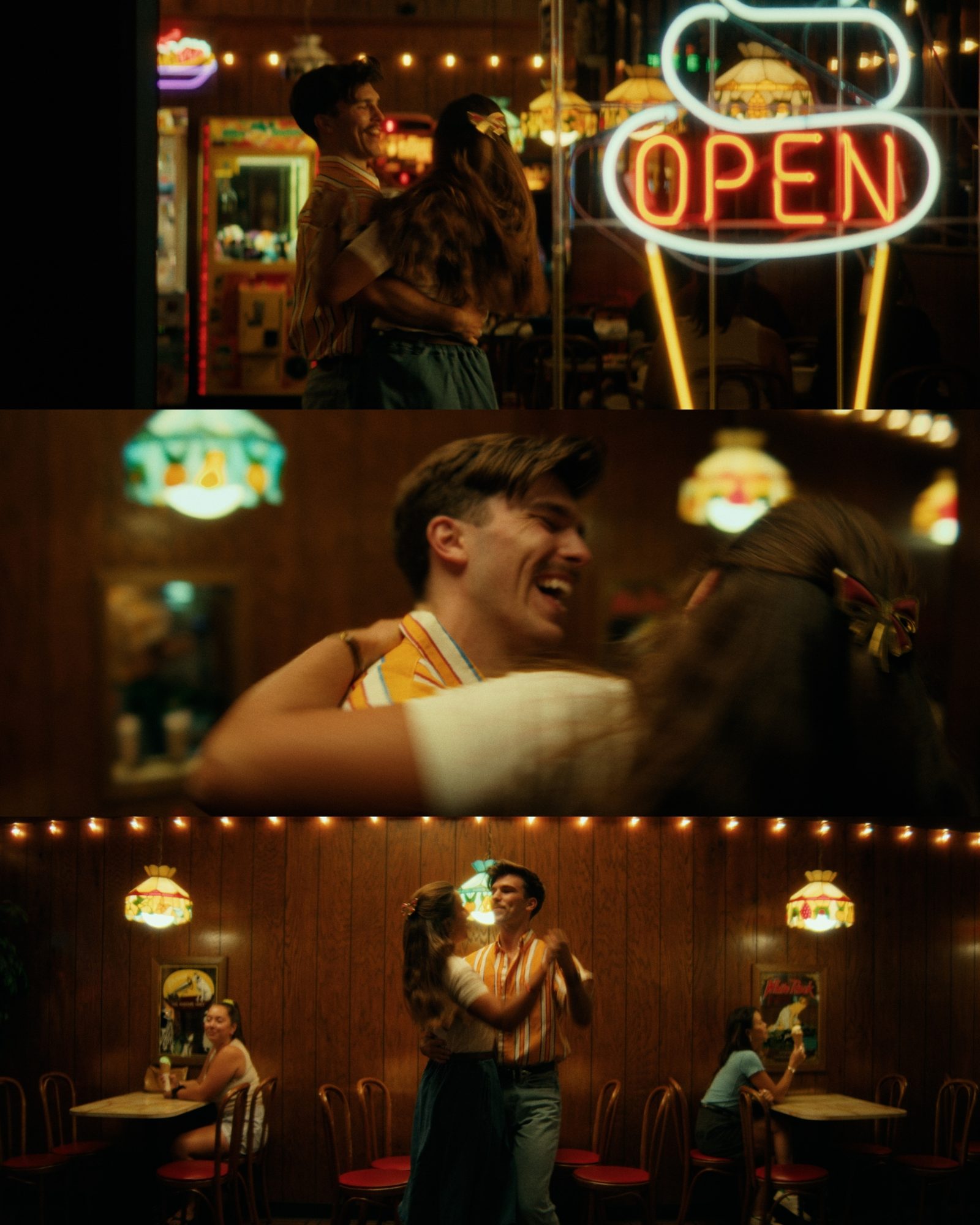
As her production company, One Forty Films, continues its upward trajectory and undertakes increasingly ambitious commercial projects, Coats remains steadfast in her core philosophy. The childhood enthusiasm that first manifested with a camcorder has matured into a sophisticated professional practice, yet its fundamental spirit of wonder and storytelling remains intact. Armed with an elite, collaborative crew, a finely honed pre-production process, and the unparalleled flexibility to select the precise optical tools for each narrative, Jill Coats is exceptionally well-positioned to continue pushing the boundaries of brand storytelling. Her unwavering goal—fewer ads, more films, and stories that resonate long after the screen fades to black—is not just a creative aspiration but a strategic blueprint for the future of commercial media.
Jill Coats’ work exemplifies how thoughtful artistry and strategic resourcefulness can converge to create impactful, memorable content that transcends its commercial purpose. Her dedication to intentional visual language, collaborative excellence, and emotional authenticity positions her as a leading figure in a new generation of directors who are proving that advertising can indeed be an art form. We extend our gratitude to Jill Coats for sharing her invaluable insights and for her continued partnership as a valued customer, showcasing how innovative vision combined with the right tools can truly redefine an industry.