The global photography community is witnessing a significant shift in creative methodology as a growing number of practitioners move away from high-performance, modern digital optics in favor of "repurposed" glass. This movement, often referred to as experimental lens adaptation, involves the salvage and modification of lenses originally designed for film projectors, enlargers, and vintage medium-format folding cameras. By integrating mid-20th-century optical components with 21st-century mirrorless and DSLR bodies, photographers are bypassing the clinical perfection of modern manufacturing to achieve unique, non-reproducible aesthetic signatures. This technical evolution marks a departure from the "plug-and-play" consumer model, favoring instead a "mad scientist" approach that combines mechanical engineering, optical restoration, and artistic experimentation.
The Evolution of the Adapted Lens Movement
The trend began with the widespread availability of vintage SLR lenses. For years, photographers utilized simple mechanical adapters to mount M42 or Canon FD glass onto modern mirrorless systems. However, as the market for these "cult status" lenses became saturated and prices inflated, enthusiasts began looking toward more obscure sources of glass. This secondary wave of adaptation focuses on lenses that were never intended to be detached from their original housings, such as those found on 1950s-era slide projectors or industrial laboratory equipment.
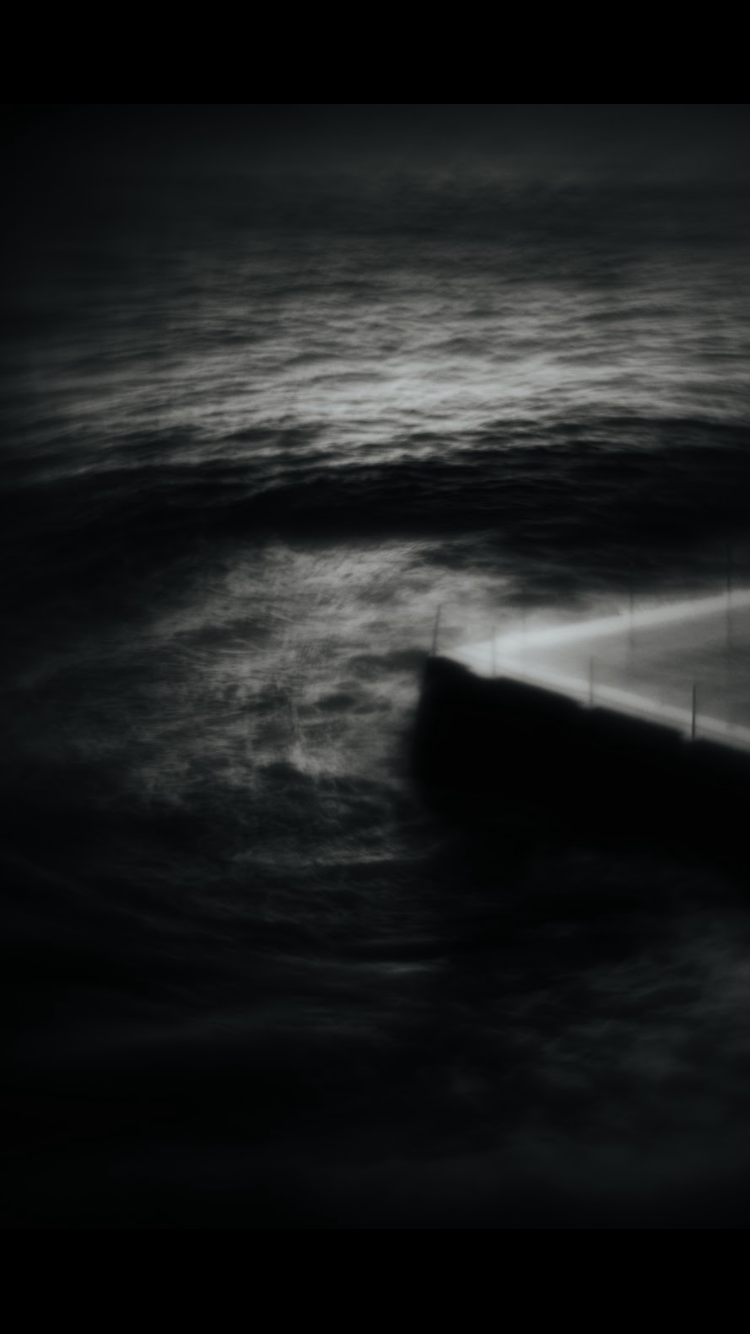
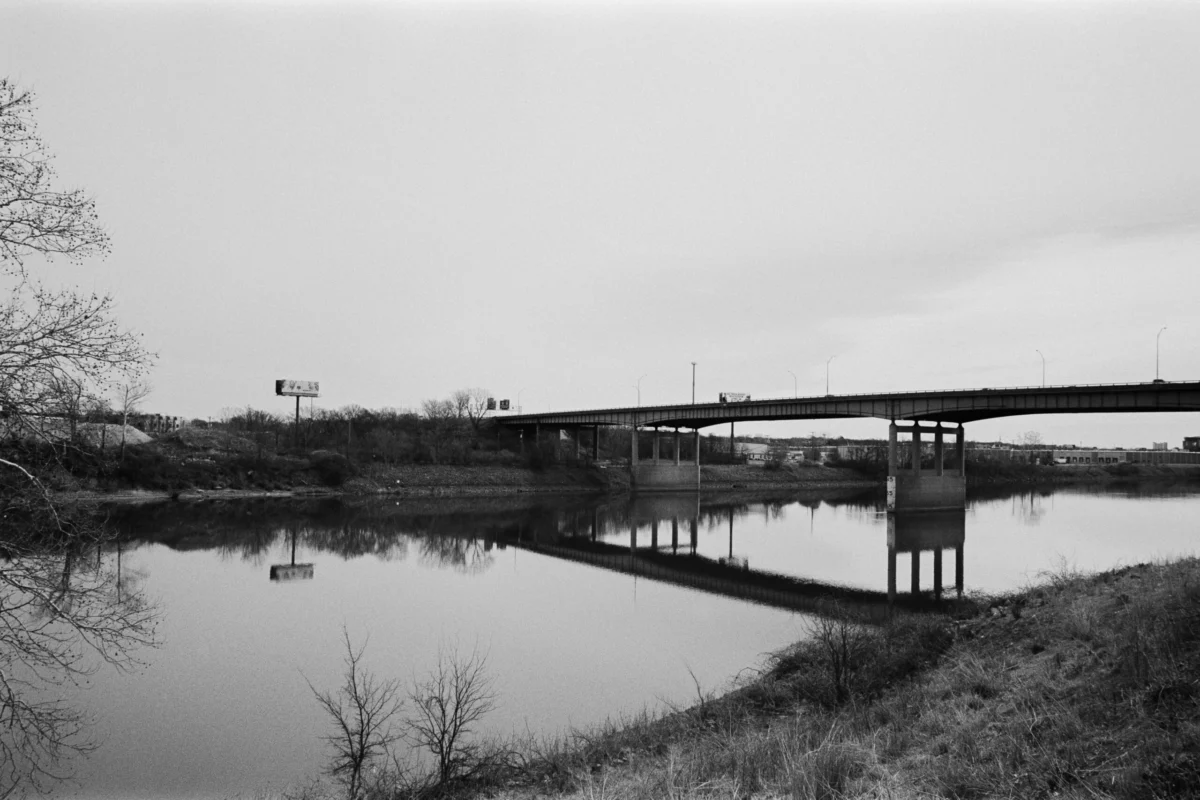
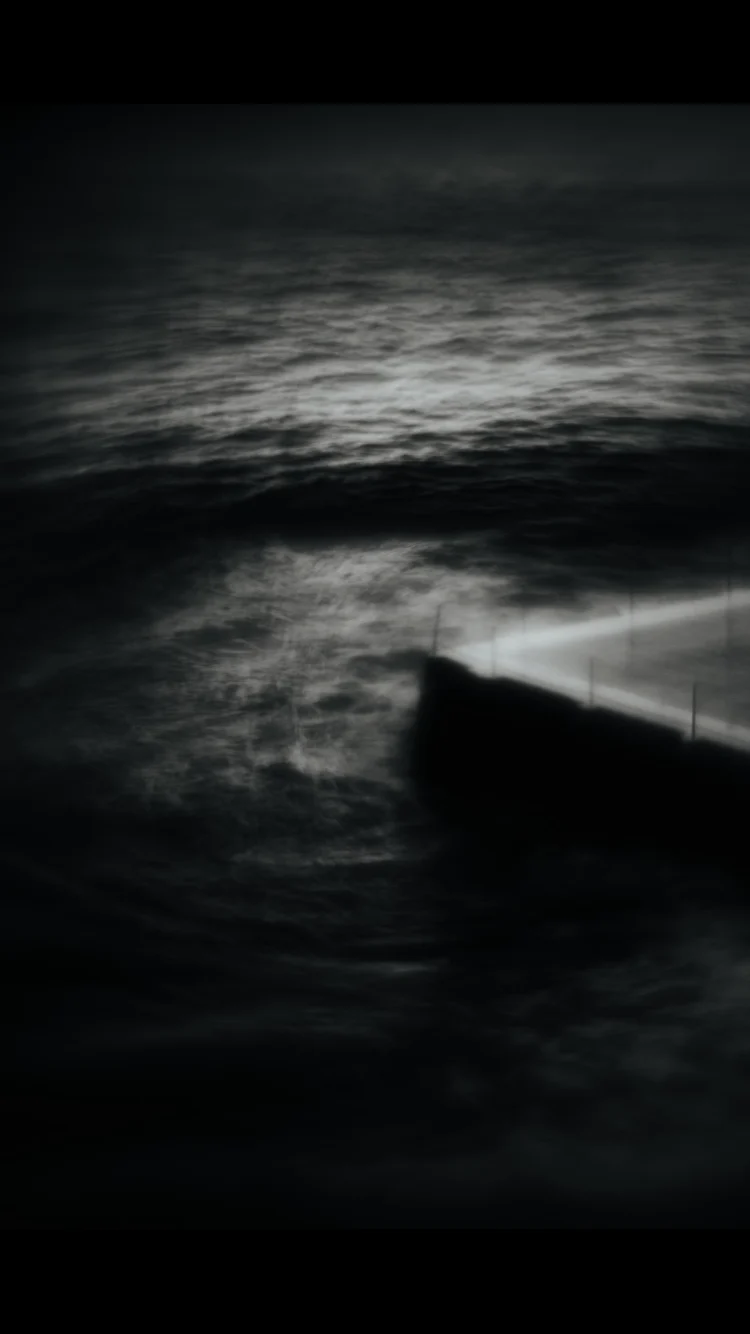
The primary appeal lies in the "character" of the glass. Modern lenses are engineered to minimize optical flaws like chromatic aberration, spherical distortion, and lens flare. In contrast, vintage optics—particularly those from the post-WWII era—often exhibit "swirly" bokeh, low contrast, and unique light-leaking properties. For many contemporary artists, these technical "imperfections" provide a tactile, organic quality that digital post-processing struggles to emulate convincingly.
Case Study: The Zeiss Opton Jena and Agfa Agomar Conversions
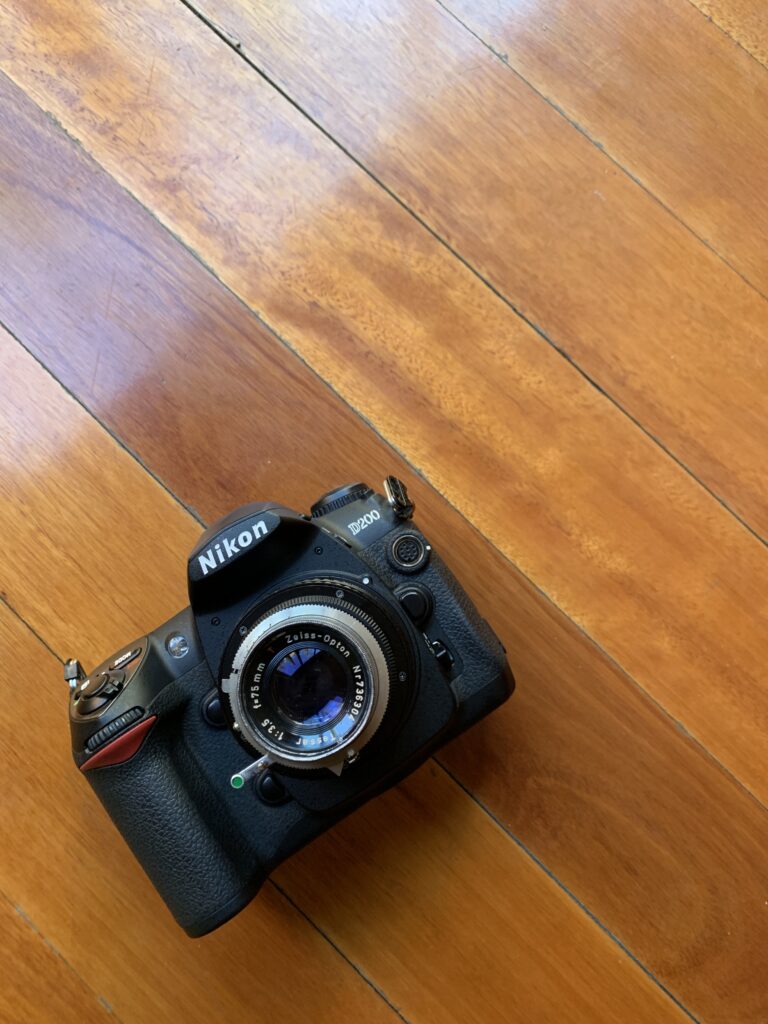
Recent documentation of these conversion projects highlights the technical precision required to bridge the gap between disparate technologies. A prominent example involves the Zeiss Opton Jena 3.5/75, an optical unit originally salvaged from a Zeiss medium-format folding camera. Zeiss, a company with a storied history in German optical engineering, produced these lenses during a period of significant transition in the mid-20th century. Adapting such a lens to a modern Nikon D200 or Z-series camera requires more than a simple mounting ring; it necessitates the construction of a custom housing that maintains the correct flange focal distance—the distance between the lens’s rear element and the camera sensor.
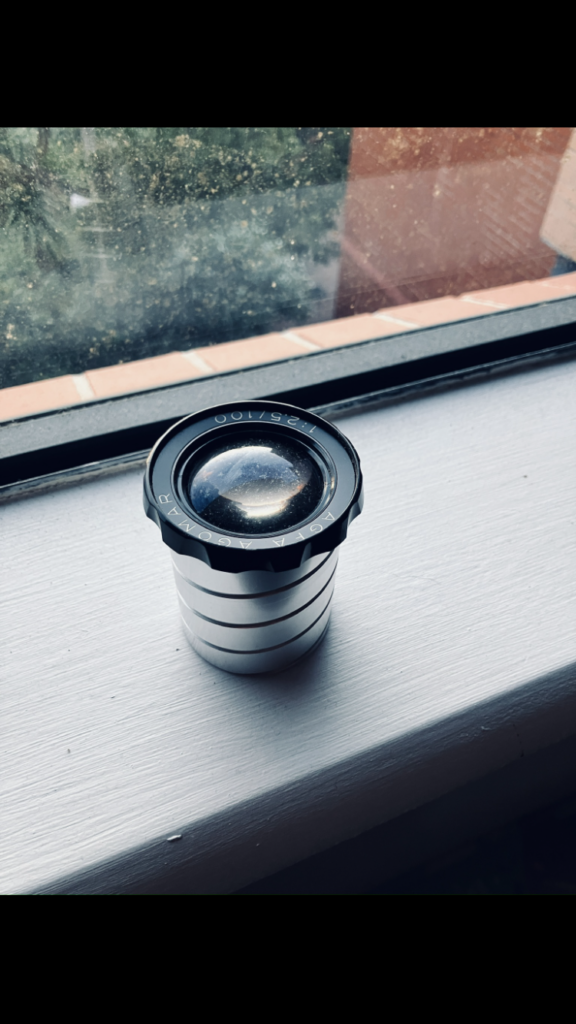
Similarly, the Agfa Agomar 2.5/100, a lens originally designed for slide projectors, has become a popular candidate for adaptation. Unlike camera lenses, projector lenses lack internal focusing mechanisms and aperture blades. A recent acquisition of an Agomar unit for a mere $5 AUD at an antique shop illustrates the low barrier to entry but high technical demand of the craft. Before it could be used, the lens required a full teardown to remove fungal growth—a common issue with vintage optics stored in non-climate-controlled environments. The successful restoration and mounting of the Agomar onto a Nikon Z6II demonstrate the viability of using "discarded" technology to produce professional-grade imagery.
Technical Chronology of a Lens Conversion
The process of converting a non-photographic lens for modern digital use follows a rigorous technical workflow. Practitioners must act as both historians and engineers to ensure the final product is functional.
- Sourcing and Evaluation: Lenses are typically sourced from estate sales, antique markets, or online auctions. The initial evaluation involves checking for "balsam separation" (the degrading of the glue holding lens elements together) and internal haze.
- Deconstruction and Cleaning: Projector lenses are often encased in heavy metal barrels. These must be opened to clean individual elements using isopropyl alcohol or specialized lens cleaning solutions.
- Measuring the Flange Distance: This is the most critical step. Using calipers, the photographer must determine exactly how far the lens needs to sit from the sensor to achieve "infinity focus." If the lens is too far away, it will only function as a macro lens; if it is too close, it may strike the camera’s internal mirror or sensor.
- Integration of a Helicoid: Since projector lenses do not have built-in focus rings, they must be mounted into a "helicoid"—a threaded tube that expands and contracts to allow the photographer to focus the image.
- Light Sealing: Custom mounts often require "velvet tape" or matte black paint to prevent internal reflections that could wash out the digital image.
The Essential Toolkit for Optical Adaptation
To facilitate these conversions, a specialized toolkit has emerged among enthusiasts. The reliance on standardized parts allows for a modular approach to lens design.
- M42 and M52 Helicoids: These are the backbone of the adaptation world. Usually ranging from 17mm to 31mm in length, these adjustable tubes provide the necessary physical travel for focusing.
- Slim Adapters: Used to convert the M42 thread of the helicoid to the specific mount of the camera (e.g., Sony E-mount, Nikon Z, or Canon RF).
- M42 Camera Body Caps: Frequently used as structural bases, these caps are modified (drilled or cut) to hold smaller lenses in place within a larger housing.
- Digital Calipers: Precision measurement is mandatory to calculate the distance required for infinity focus and to ensure the lens barrel fits securely within the helicoid.
- Step-up and Step-down Rings: These threaded metal rings, usually used for filters, serve as spacers or connectors between different diameters of lens barrels and adapters.
Market Dynamics and Economic Implications
The rise of the DIY lens movement has created a niche economy within the photography market. While flagship lenses from major manufacturers like Sony, Canon, and Nikon can cost upwards of $2,000 USD, the "raw materials" for adapted lenses—such as the Agfa Agomar—are often found for less than $20.

However, this has led to a price surge in the secondary market. Lenses that were once considered "junk glass" are now being rebranded on platforms like eBay as "bokeh monsters" or "artistic vintage glass." Data from online auction sites indicates a 30% to 50% increase in the sale price of 16mm and 35mm projector lenses over the last three years. Additionally, specialized manufacturers like RafCamera have found success by producing high-quality clamps and adapters specifically designed for the "hacker" photography community.
Challenges and Limitations of Repurposed Glass
Despite the creative advantages, the use of adapted lenses presents significant operational challenges. The most notable is the lack of an internal aperture. Because projector lenses were designed to operate at a constant light output, they do not have blades to "stop down" the lens. This forces the photographer to shoot "wide open," resulting in a very shallow depth of field and making exposure control entirely dependent on shutter speed and ISO settings.
Furthermore, achieving infinity focus remains a persistent hurdle. Many vintage lenses have deeply recessed rear elements. On a DSLR, these elements can interfere with the movement of the reflex mirror, potentially causing mechanical damage. Consequently, mirrorless cameras have become the preferred platform for these experiments due to their lack of a mirror box and shorter flange distance, providing more "room" for adaptation.
Broader Impact on the Photographic Aesthetic
The implications of this trend extend beyond technical hobbyism; they represent a philosophical reaction to the digitization of the arts. As artificial intelligence and computational photography (such as the "Portrait Mode" on smartphones) become more adept at faking optical blur, photographers are seeking "authentic" optical flaws that cannot be easily replicated by algorithms.
Industry analysts suggest that this movement is part of a broader "analog revival," similar to the resurgence of vinyl records and film photography. By using a 70-year-old Zeiss lens on a modern 45-megapixel sensor, photographers are creating a bridge between eras, resulting in images that possess the resolution of the future but the soul of the past.
The "mad scientist" approach to photography is no longer a fringe activity. It is a robust subculture that rewards technical curiosity and manual skill. As more abandoned lenses are rescued from antique shops and given a second life on digital sensors, the definition of a "high-quality" image continues to evolve from one of technical perfection to one of unique, human-driven character. For the modern photographer, the journey is no longer just about the final frame, but about the mechanical resurrection of the tools used to capture it.