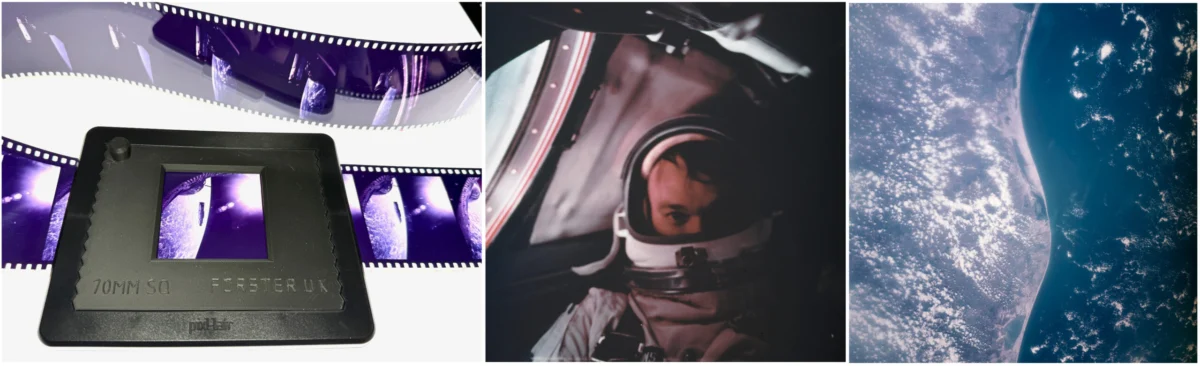
The preservation and digitization of mid-20th-century space exploration media remains a critical endeavor for both historians and aerospace engineers, as these artifacts document the foundational milestones of human spaceflight. While NASA maintains a rigorous archival program at the Johnson Space Center, the emergence of high-resolution digital scanning technology has allowed private researchers and enthusiasts to conduct independent restorations of secondary "working" film rolls. These rolls, often spliced together by NASA laboratories for internal distribution among contractors and departments, provide a unique window into the logistical and technical challenges of the Gemini Program, which served as the essential bridge between the initial success of Project Mercury and the lunar ambitions of Project Apollo.
The Technical Evolution of Space-Based Cinematography
Project Gemini, which spanned 12 missions between 1964 and 1966, was the first NASA program to prioritize high-fidelity photography as a core mission objective. Unlike the rudimentary cameras used in the earliest Mercury flights, Gemini utilized sophisticated 70mm formats. The transition to 70mm was driven by the need for greater detail in docking maneuvers and geological surveys of the Earth’s surface. The primary instrument for this was a modified Hasselblad 500C, featuring a Zeiss Planar 80mm f/2.8 lens. To function in the vacuum of space, these cameras were stripped of their leather coverings, internal lubricants were replaced with low-volatility versions to prevent "outgassing" on the lens elements, and oversized controls were added to facilitate use by astronauts wearing pressurized gloves.
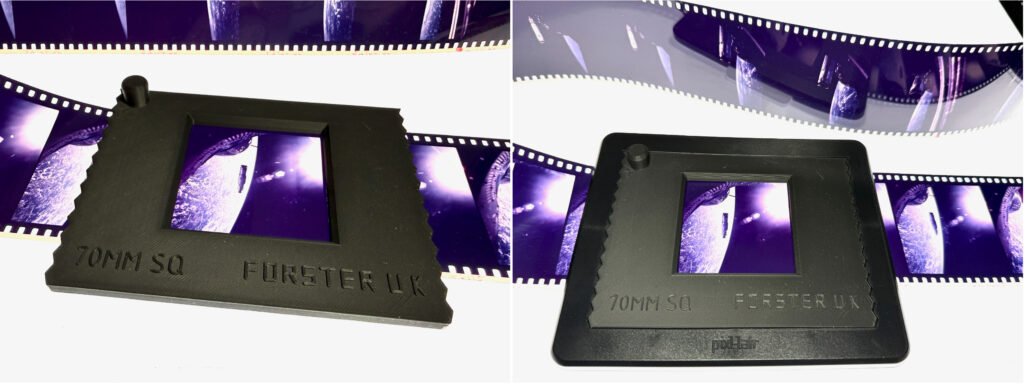
The film stock of choice for these missions was typically Kodak Ektachrome, specifically variants like SO-217 (ASA 64) and SO-168. These reversal films were chosen for their fine grain and vibrant color reproduction, which were necessary for identifying subtle terrain features and the structural integrity of target vehicles during rendezvous. The 70mm format provided a negative area significantly larger than standard 35mm film, allowing for immense enlargements without a loss of critical data—a requirement for the post-mission analysis of heat shield performance and orbital mechanics.
Methodology for High-Resolution Digital Archiving
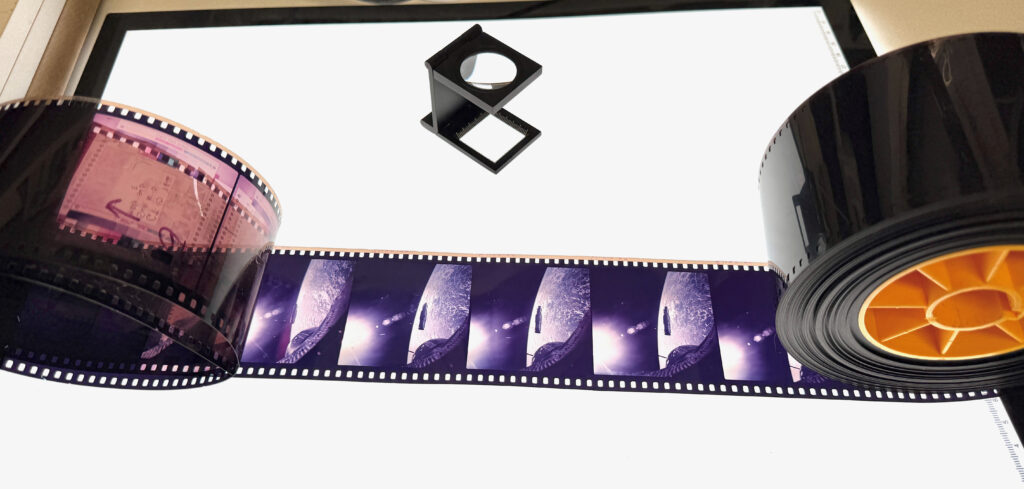
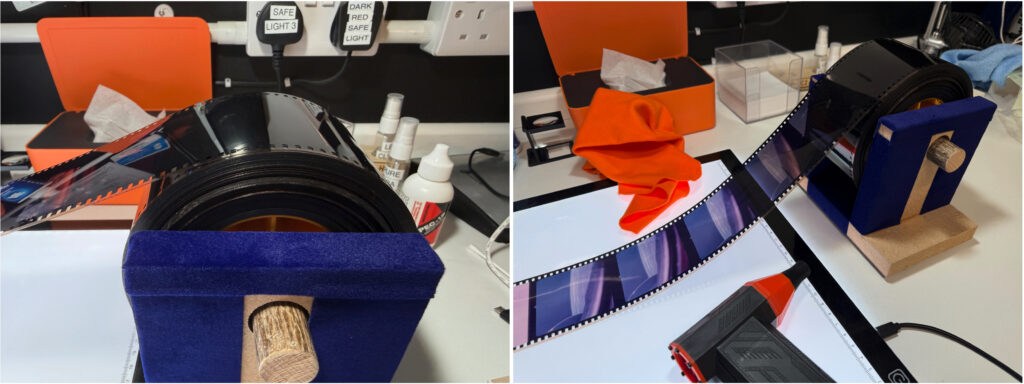
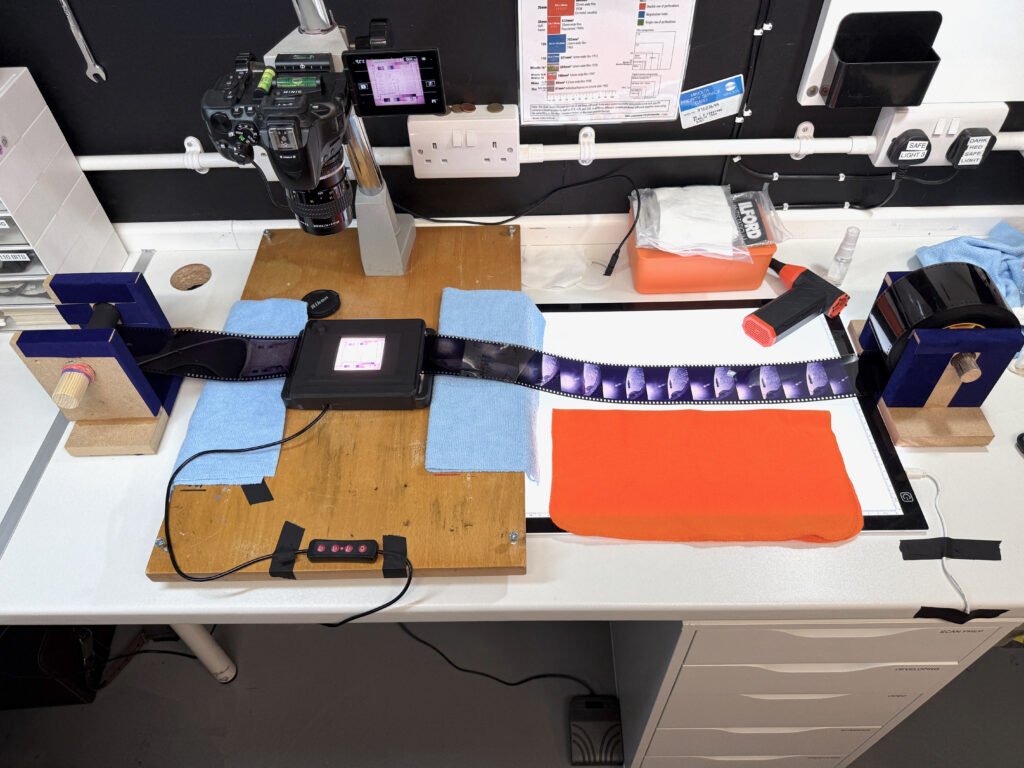
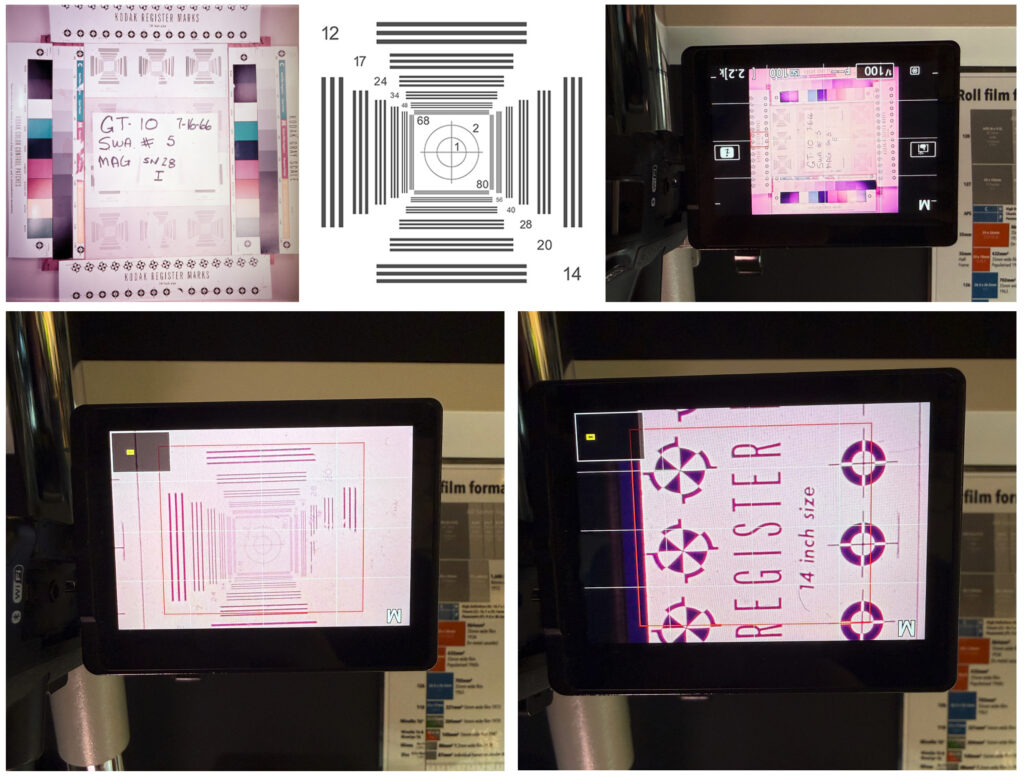
The digitization of vintage 70mm transparencies presents significant technical hurdles, primarily due to the non-standard nature of the film gates and the physical degradation of the emulsion over six decades. Modern restoration efforts utilize a process known as "camera scanning," where a high-resolution Digital Single-Lens Reflex (DSLR) camera captures the transparency against a calibrated light source.
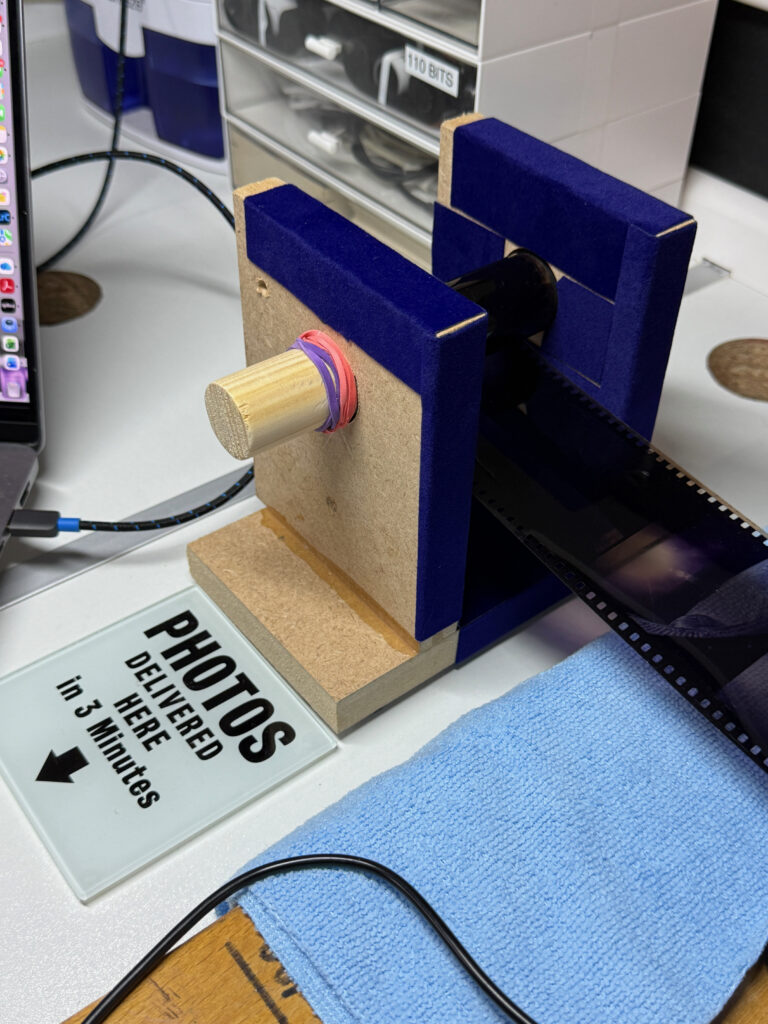
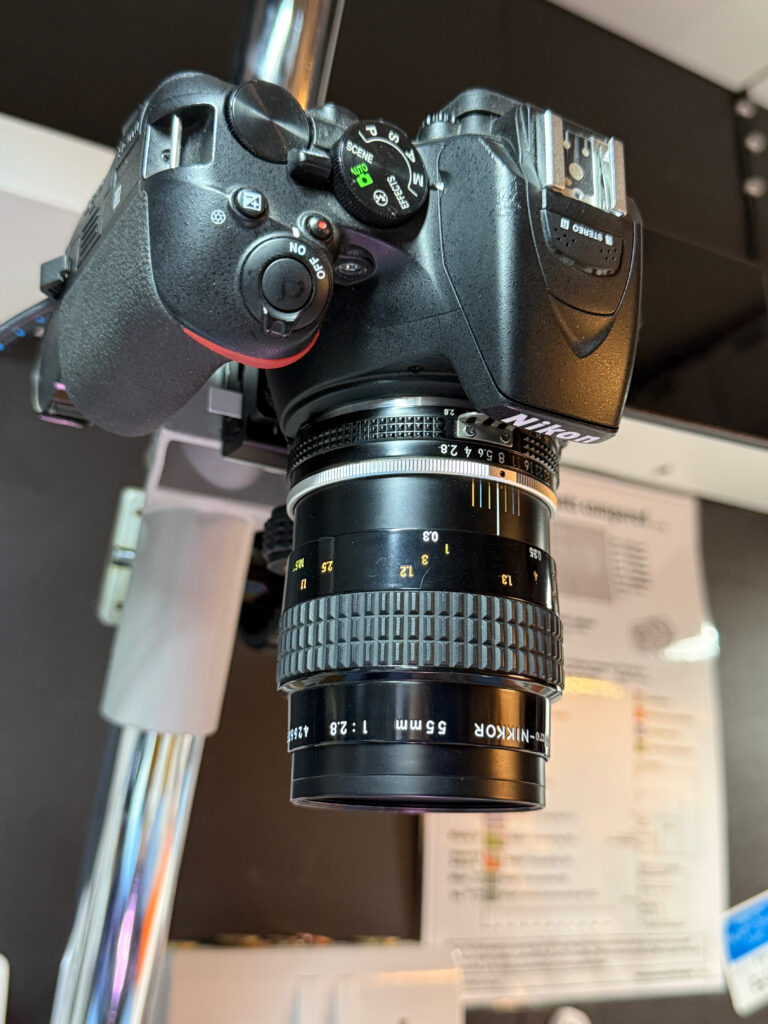
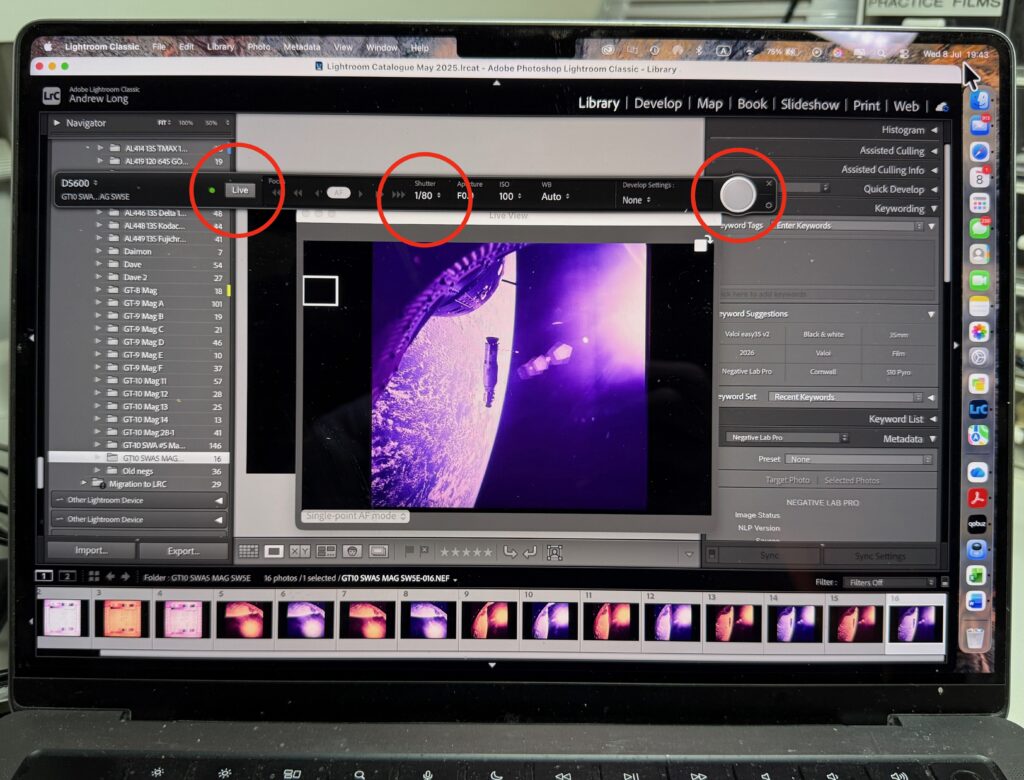
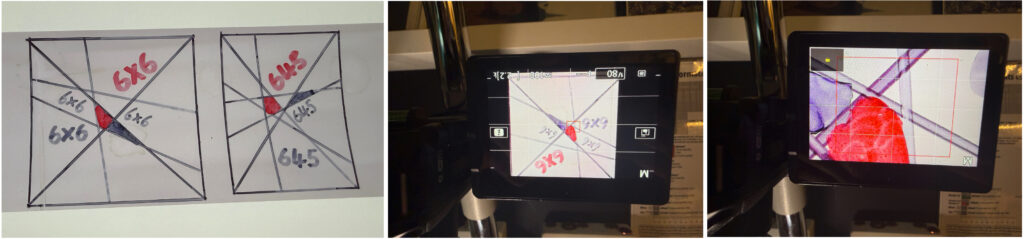
In recent technical workflows, researchers have utilized the Nikon D5600, equipped with a 24.2 MP APS-C CMOS sensor, paired with a Micro-Nikkor 55mm f/2.8 macro lens. This setup allows for the capture of RAW files at 6000 x 4000 pixels, providing sufficient bit depth to recover details from faded or color-shifted emulsions. To hold the 70mm film flat—a necessity for maintaining edge-to-edge sharpness—custom-engineered film gates are often required. Platforms such as the "pixl-latr" system, combined with 3D-printed inserts specifically designed for 70mm dimensions, have become the standard for independent archivists.
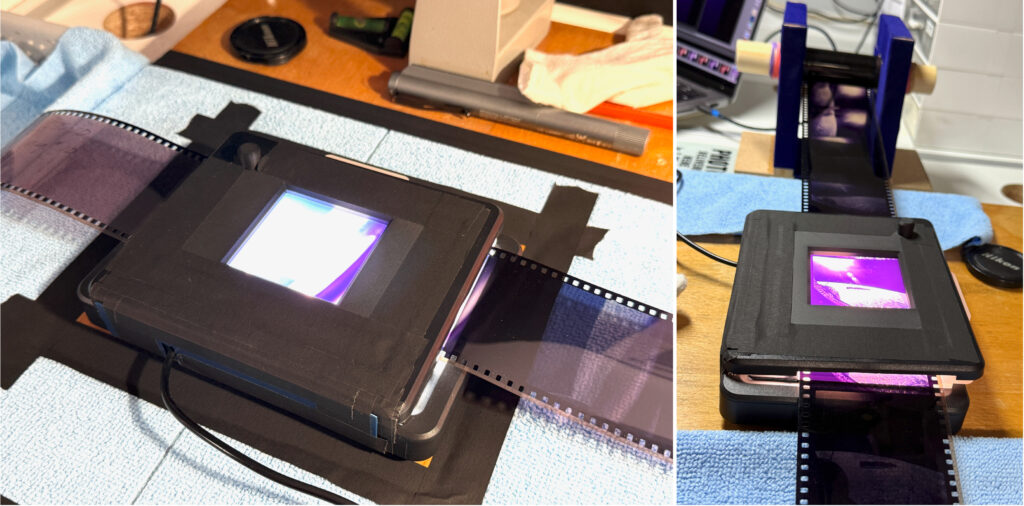
The post-processing of these images involves specialized software such as Negative Lab Pro and Adobe Lightroom Classic. Because 60-year-old Ektachrome often exhibits a magenta color cast due to the uneven decay of color dyes, technicians must utilize "Slide Neutral" presets and linear tone profiles to restore a balanced color temperature. Physical artifacts, including "striation marks" caused by emulsion sticking to the film base during decades of storage, require meticulous digital retouching to preserve the visual integrity of the frame.
Chronology of the Gemini Missions: VIII, IX, and X
The images contained within these 70mm rolls primarily document the pivotal years of 1966, a period during which NASA mastered the art of orbital rendezvous and docking.
Gemini VIII: The First Docking and the Near-Disaster
Launched on March 16, 1966, Gemini VIII featured Neil Armstrong and David Scott. The mission achieved the world’s first successful docking between two spacecraft: the Gemini capsule and the Agena Target Vehicle (GATV). However, the mission is equally famous for its near-fatal malfunction. A short-circuited thruster in the Orbit Attitude and Maneuver System (OAMS) caused the docked spacecraft to enter a violent roll. Armstrong was forced to undock, which accelerated the spin to one revolution per second. By utilizing the Re-Entry Control System (RCS) thrusters, the crew stabilized the craft but were forced to make an emergency landing in the Western Pacific after only 10 hours in orbit. The 70mm photography from this mission, though limited to 21 frames, remains a vital record of the initial docking approach.
Gemini IX-A: The "Angry Alligator"
Originally scheduled for May 1966, the mission was delayed after the original Agena vehicle failed to reach orbit. A replacement, the Augmented Target Docking Adapter (ATDA), was launched on June 1. When Command Pilot Tom Stafford and Pilot Gene Cernan rendezvoused with the ATDA on June 3, they discovered the conical launch shroud had failed to fully deploy. Stafford famously described the vehicle as an "angry alligator." This failure prevented docking, forcing the crew to pivot to passive rendezvous tests. Cernan also conducted a grueling two-hour Extravehicular Activity (EVA), which highlighted the extreme physical demands of working in microgravity, as his visor fogged and he struggled with suit flexibility.

Gemini X: Reaching New Heights
In July 1966, John Young and Michael Collins executed a mission that demonstrated the true versatility of the Gemini spacecraft. By docking with their GATV and utilizing its primary engine, they boosted the combined craft to a record altitude of 763.8 kilometers. This mission also included a successful rendezvous with the derelict GATV left behind by the Gemini VIII mission, proving that NASA could navigate to and interact with "dead" satellites. Collins performed two EVAs, one of which involved retrieving a micrometeorite collection panel from the Gemini VIII Agena. Notably, during this excursion, Collins lost his Hasselblad camera to the vacuum of space, an event jokingly referred to by Hasselblad as "Sweden’s first satellite."
Archival Data and Official NASA Digitization Efforts
The preservation of these images is not merely a hobbyist pursuit but a matter of national heritage. In 2007, the Lyndon B. Johnson Space Center (JSC) partnered with the Arizona State University (ASU) School of Earth and Space Exploration to launch the "March to the Moon" project. This five-year initiative resulted in the digitization of approximately 35,000 images from the Mercury, Gemini, and Apollo programs.
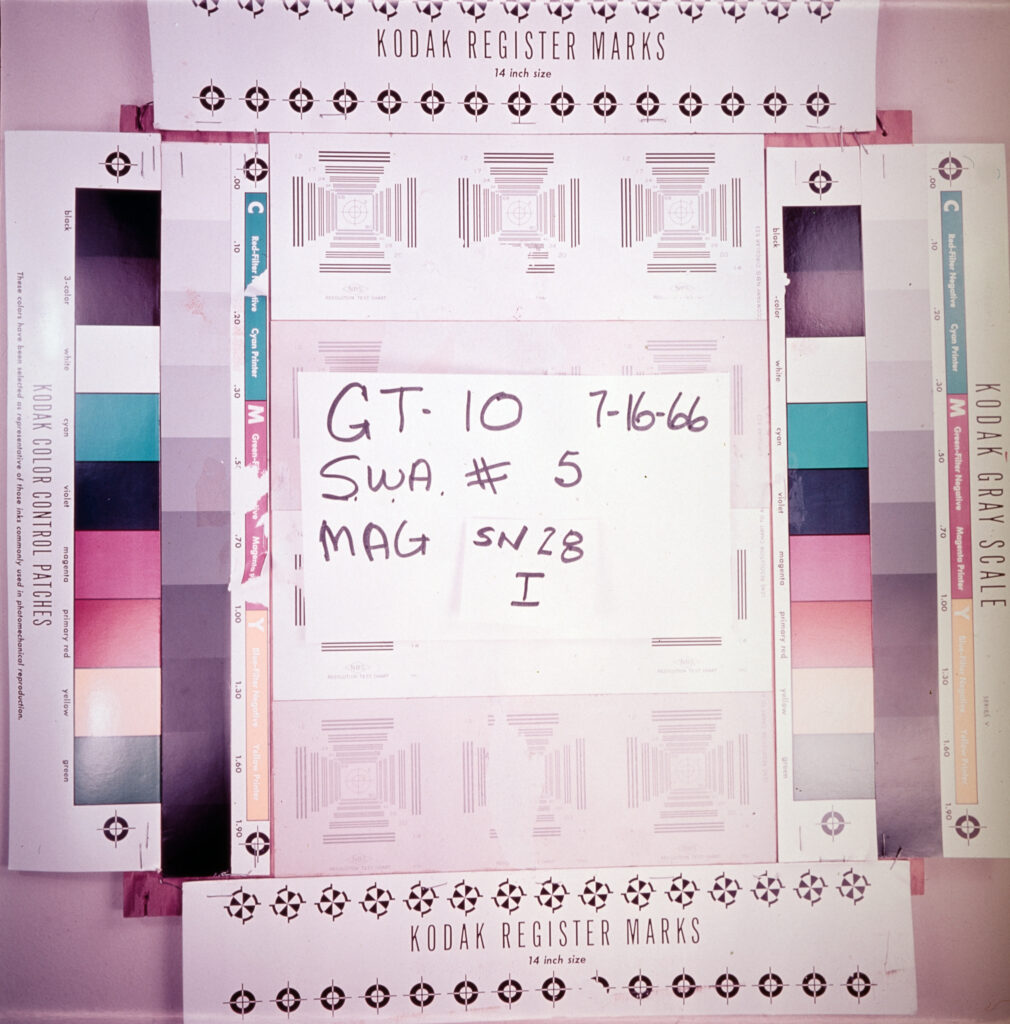
The "March to the Moon" project utilized high-end photogrammetric scanners, such as the Leica DSW700 and the Oxberry system based on the Kodak HR-500. The original film rolls are stored in a high-security vault in Building 8 at JSC, maintained at a constant 0°F (-18°C) within a secondary refrigerated environment of 55°F (13°C). To prevent damage to the delicate 60-year-old emulsion, the films undergo a multi-day "equilibration" process to slowly return to room temperature before they are handled. This level of care ensures that the master negatives remain viable for future generations of historians.
Broader Impact and Scientific Implications
The legacy of Gemini photography extends beyond public relations and historical documentation. The images taken during these missions provided the first high-resolution data on Earth’s weather patterns, ocean currents, and geological structures from orbit. Furthermore, the experiments conducted during the Gemini X EVAs—such as ultraviolet spectra photography of stars in the Southern Cross—provided astronomical data that was unattainable from Earth’s surface due to atmospheric interference.

The transition from the "humble beginnings" of hand-held 35mm cameras to the standardized use of 70mm Hasselblads and Maurers represented a shift in how NASA perceived the role of the astronaut. They were no longer just pilots; they were scientific observers and documentarians. The lessons learned in color balancing, exposure settings in the harsh lunar-like light of space, and the physical handling of film in a vacuum were directly applied to the Apollo 11 moon landing three years later.
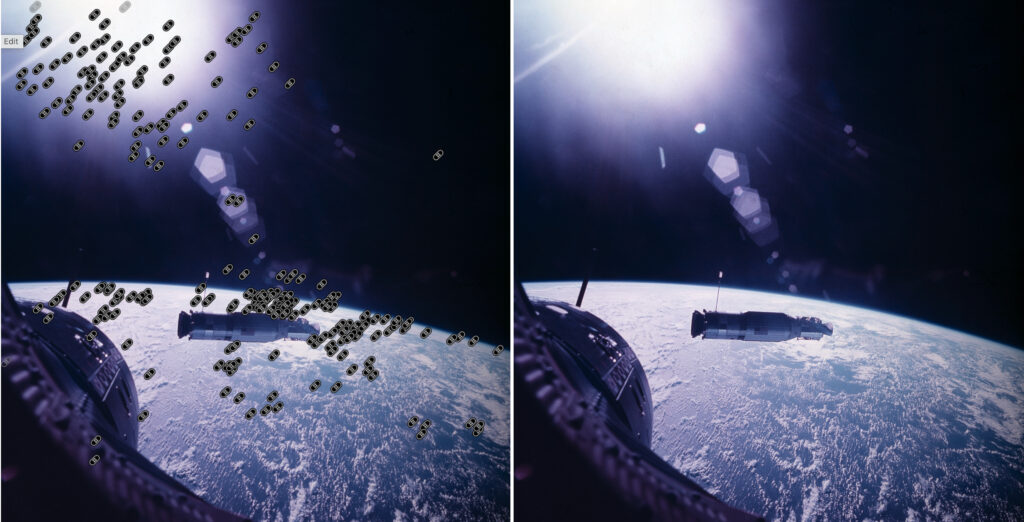
As private collections of NASA film continue to surface, the marriage of vintage chemical photography and modern digital sensor technology ensures that the "giant leaps" of the 1960s are preserved with a level of clarity that the original engineers could only have imagined. These scans serve as a reminder that the path to the Moon was paved with thousands of 70mm frames, each capturing a moment of technical triumph or a lesson learned in the unforgiving environment of Earth’s orbit.