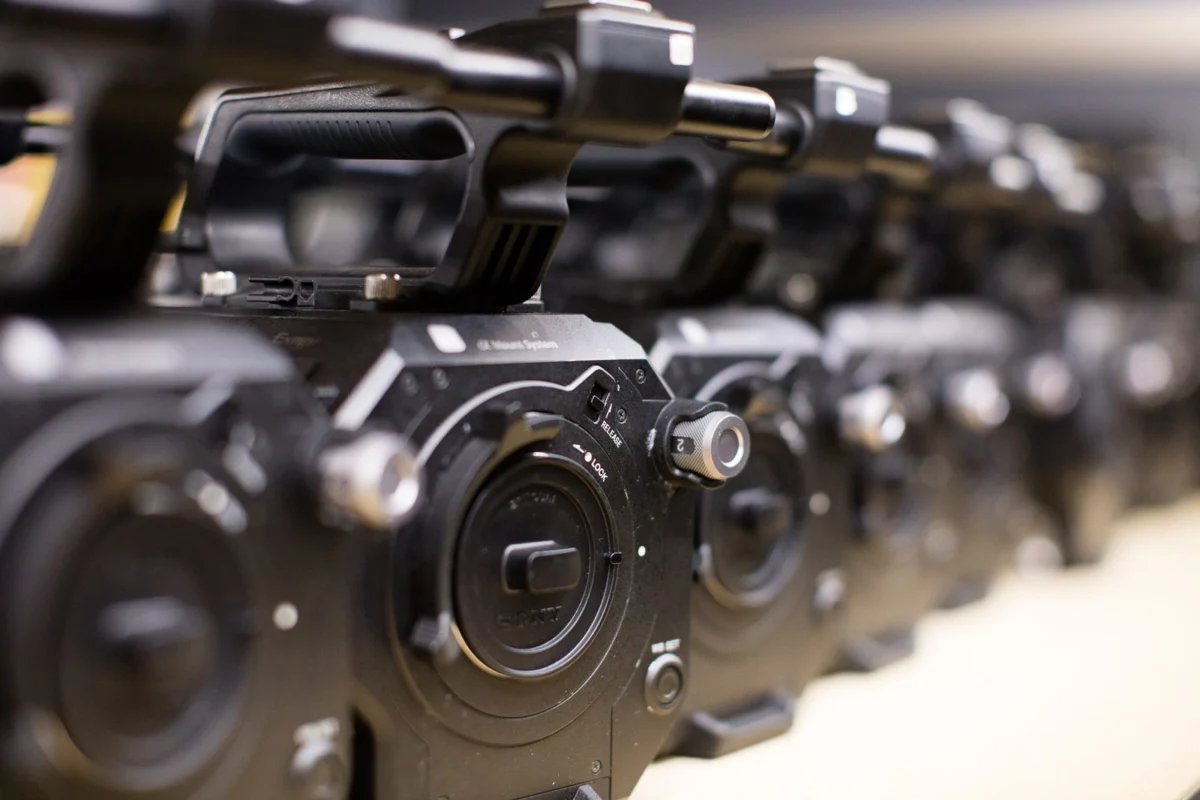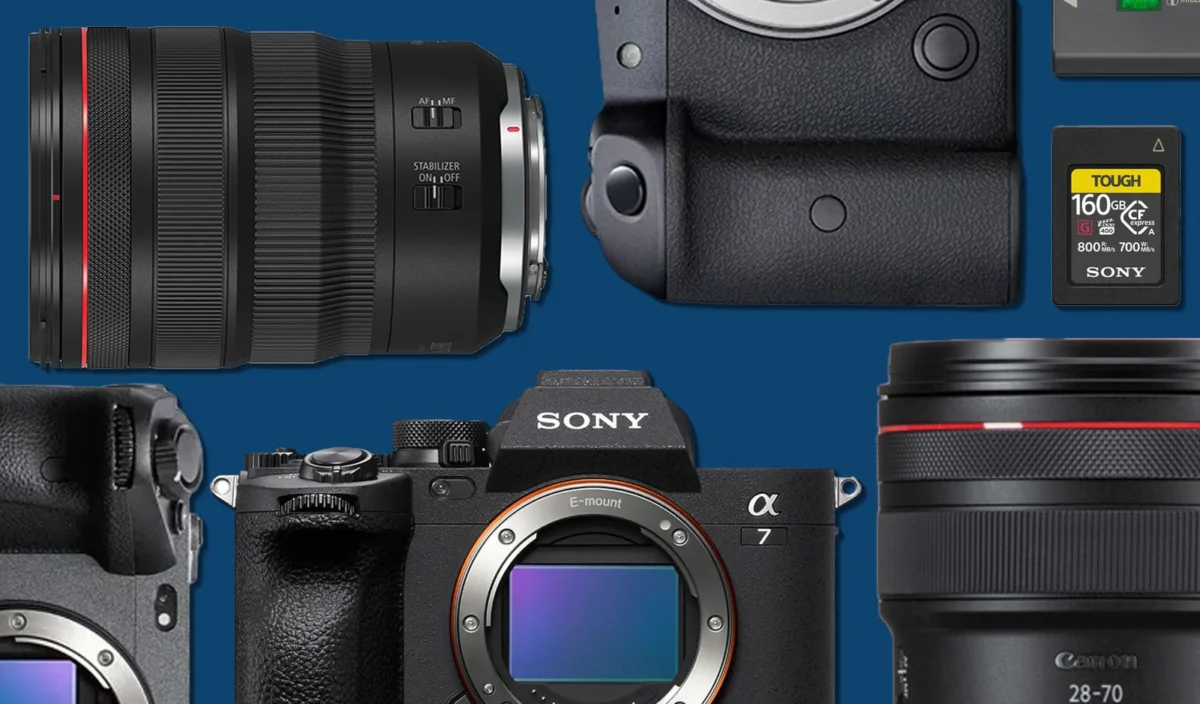
Each year, the premier rental house in America meticulously compiles and analyzes its vast repository of rental data, offering an unparalleled glimpse into the prevailing trends and future trajectories of the photography and videography industry. This annual report is not merely a summary of past performance but a critical indicator for market trends, informing manufacturers, content creators, and enthusiasts alike about where technological and creative demands are heading. For regular followers of industry insights, these reports have become an indispensable benchmark, providing objective, data-driven conclusions on the most exciting and successful products dominating the rental sphere. The 2025 findings underscore several enduring principles while also hinting at subtle shifts within a dynamic creative landscape.
Unpacking the Most Popular Rentals of 2025: The Reign of Versatility
The primary metric for the most popular rentals of 2025 is determined by the sheer number of rental transactions, a methodology specifically chosen to prevent skewing results by the higher price points of specialized, often less frequently rented, equipment. In an industry where the adage "Prime is King" frequently circulates among purists and specialized professionals, the quantitative data consistently presents a different narrative. For 2025, the Canon RF 24-70mm f/2.8L IS firmly secured the top position, demonstrating an overwhelming preference for versatile midrange zoom lenses. Trailing closely was the Canon RF 28-70mm f/2L, a lens offering a slightly faster aperture but with a marginally reduced focal range. This pronounced preference for zoom lenses is highly instructive; rental equipment often serves a broad spectrum of customer needs, from corporate events and commercial shoots to independent film productions and travel assignments, where adaptability and efficiency are paramount. A single, high-quality zoom can cover the focal lengths of multiple prime lenses, reducing logistical complexity and cost for renters.
The emphasis on versatility permeated the entirety of the top rentals list. Professional users frequently opt for equipment that can seamlessly adapt to diverse shooting conditions and project requirements without necessitating frequent lens changes or multiple specialized units. This practicality-driven approach is a hallmark of the rental market, where efficiency translates directly into project success. It was not until the 17th position that a prime lens made an appearance: the highly regarded Canon RF 50mm f/1.2L. While primes are cherished for their optical purity, wider apertures, and distinct aesthetic qualities, their specialized nature often means they are rented for specific artistic endeavors rather than general-purpose assignments. The strong showing of zooms suggests that the foundational work of many professional photographers and videographers in 2025 still relies heavily on flexible, all-in-one solutions.
Deep Dive into Camera Rentals: The Rise of the Balanced Performer
Shifting focus to the camera bodies themselves, the top 20 camera rentals for 2025 offered some intriguing insights, and indeed, a notable surprise. Defying expectations that might have favored the absolute cutting edge or highest resolution models, the Canon R6 Mark II emerged as the most rented camera of the year. This mid-range professional mirrorless camera surpassed both the more advanced Canon R5 Mark II (ranking 8th) and the venerable original R5 (ranking 4th). The R6 Mark II’s success can be attributed to its compelling balance of features, performance, and accessibility. It offers robust video capabilities, excellent autofocus, a respectable megapixel count for most photographic applications, and strong low-light performance, all packaged at a price point that makes it an attractive proposition for both rental houses and their clients. It represents a sweet spot for many professionals seeking a reliable workhorse without the premium cost associated with flagship models.
Sony, a consistent innovator in the mirrorless segment, demonstrated a formidable presence throughout 2025, securing nine positions within the top twenty camera rentals. This extensive representation spanned a wide array of its ecosystem, from premium cinema cameras like the Sony FX6, popular among documentary filmmakers and commercial videographers for its cinematic image quality and robust workflow, to more compact, yet highly capable, point-and-shoot options such as the Sony Cybershot RX100 VII. This breadth indicates Sony’s successful strategy of catering to diverse market segments, from high-end production to advanced amateur and vlogging communities, all of whom utilize rental services for specific projects or testing new gear.
Conversely, the 2025 camera rental data revealed a striking absence of Fujifilm cameras within the top twenty, a point that warrants further discussion in the context of overall market share. Similarly, Nikon, a long-standing titan in the camera industry, managed to secure only a single spot with its well-received Nikon Z8. While the Z8 is a powerhouse camera, its singular appearance suggests that Nikon, while making significant strides in its mirrorless transition, has yet to fully penetrate the rental market’s volume demand in the same way Canon and Sony have. This observation sets the stage for a more comprehensive examination of brand market share, which will be explored later in this analysis.
The Lens Landscape: A Canon and Sony Duopoly with a Glimmer of Third-Party Influence
The most popular lens rentals for 2025 presented a clear picture of brand dominance, with Canon and Sony lenses collectively forming an overwhelming majority. This duopoly in the lens market is a natural extension of their camera body popularity, as users typically rent lenses that are natively compatible with their chosen camera systems for optimal performance and integration. Only one third-party manufacturer managed to break into the top 20: Sigma, with its highly regarded 24-70mm f/2.8 DN Art. Sigma’s entry, though singular and barely making the cut, is significant. It highlights the growing trust and adoption of high-quality third-party optics that offer compelling performance often at a more competitive price point than first-party alternatives.
A detailed review of the lens lineup reinforces the earlier observation about versatility. The list is largely devoid of highly specialized or "quirky" options. Instead, it is populated by practical, workhorse zoom lenses covering the most common and essential focal lengths required for a vast array of photography and videography tasks. Lenses such as 70-200mm f/2.8, 16-35mm f/2.8, and other standard zooms consistently appeared, reflecting the diverse needs of general assignments like event coverage, portraiture, landscape, and corporate video production. This trend suggests that renters prioritize utility and broad applicability over niche specialization, leveraging rental services to fulfill immediate project requirements efficiently. There is little ambiguity in this pattern; it is a straightforward reflection of the diverse, yet often foundational, shooting styles prevalent across the industry.
Accessories: The Unsung Heroes of Production Workflows
Beyond cameras and lenses, the category of "accessories" encompasses a broad range of essential equipment, from cables and hard drives to tripods and lighting solutions. The 2025 accessory rental data revealed a highly predictable, yet critically important, set of demands: batteries and memory cards topped the list. These consumables are the lifeblood of modern digital imaging. The proliferation of mirrorless cameras, which are notoriously more power-hungry than their DSLR predecessors due to constant electronic viewfinder and LCD usage, drives a constant demand for additional battery power. Similarly, the escalating resolution of both still images and video (4K, 6K, 8K) necessitates high-capacity, high-speed memory cards to manage the prodigious data flow. Renting these items ensures professionals have ample power and storage for extended shoots, minimizing downtime and maximizing efficiency.
Perhaps surprisingly, given the increasing sophistication of lighting and drone technology, no dedicated lighting gear or advanced drone equipment managed to crack the top twenty accessory rentals in 2025, with one notable exception: the DJI TB50 battery, which secured the 18th position. This indicates that while drones and lighting are integral to many productions, the sheer volume of rentals for basic power and storage solutions overshadows them. It could also suggest that many professionals either own fundamental lighting setups or rent highly specialized lighting/drone packages less frequently, making their contribution to volume rental data less impactful, even if their revenue contribution is significant. The remaining positions in the top twenty were occupied by fundamental support gear such as light stands and various tripods, underscoring their universal and indispensable role in virtually any professional production environment.
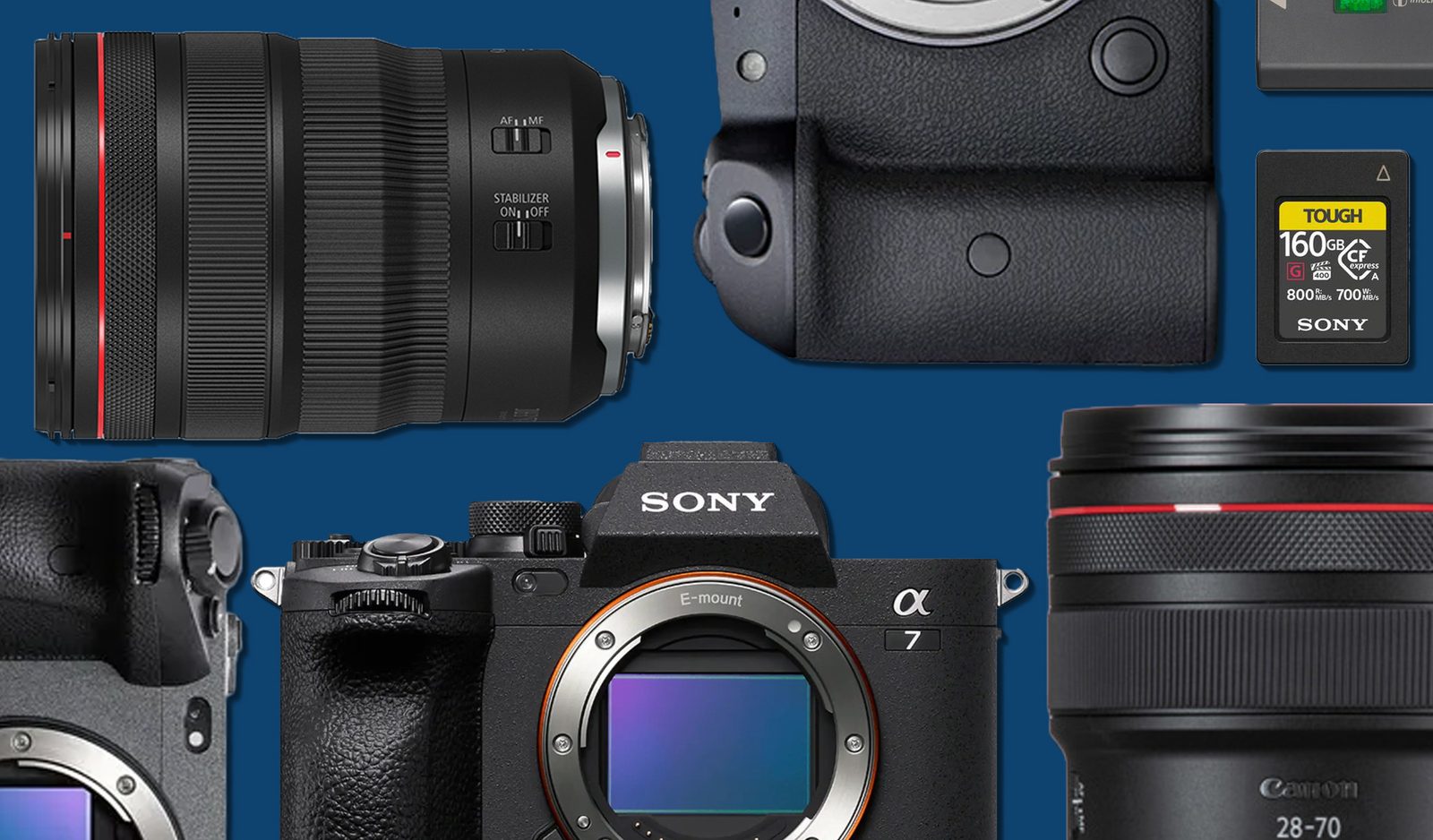
Brand Market Share for 2025: A Revenue-Based Perspective
The analysis of brand market share, based on revenue rather than unit volume, provides a different lens through which to view industry dynamics. This metric naturally favors brands with higher-priced, often more specialized, equipment such as RED or Leica, yet it offers crucial insights into financial dominance and investment. For 2025, Canon maintained its long-standing lead in rental revenue, commanding 26.51% of the market, a slight increase from 25.69% in 2024 and 23.96% in 2023. Sony followed closely behind, solidifying its second-place position with 21.66% in 2025, up from 20.45% in 2024 and 19.13% in 2023. This consistent growth for both Canon and Sony highlights their robust ecosystems and broad professional adoption, reinforcing their status as the twin pillars of the contemporary imaging industry.
The gap between these two leaders and the rest of the market remained substantial. Nikon, while a significant player, saw a slight dip in market share from 5.91% in 2024 to 5.56% in 2025, after a rise from 4.88% in 2023. This fluctuation suggests a competitive environment where maintaining or growing market share requires sustained innovation and strategic product placement. DJI, a dominant force in drone technology, continued its upward trajectory, increasing its share to 4.29% in 2025 from 3.80% in 2024 and 3.31% in 2023. This steady growth reflects the increasing integration of drone cinematography into professional workflows across various industries.
Other notable brands included Blackmagic, which saw a slight decrease from 3.30% in 2024 to 3.15% in 2025, indicating intense competition in the professional cinema camera segment. Sigma also experienced a minor contraction to 3.13% from 3.34%. Fujifilm, despite its absence in the top 20 volume rentals, showed modest growth in revenue share, rising to 2.79% in 2025 from 2.59% in 2024 and 2.24% in 2023. This suggests that while Fujifilm might not be rented in high volume, its specialized and often premium offerings command a respectable financial contribution, perhaps catering to a dedicated and discerning user base.
Aputure (lighting), Panasonic (mirrorless and cinema), Leica (premium optics), RED (high-end cinema), and Sachtler (camera support) rounded out the top brands by revenue. While many of these brands showed relatively stable or slightly declining market shares, the overall picture suggests a mature market where the top players maintain their positions through continued investment in research and development, alongside effective market strategies. The slight shifts observed often create opportunities for "other product brands" not explicitly listed, indicating a vibrant, albeit highly competitive, ecosystem.
Emerging Trends: The Most Popular New Gear of 2025
Identifying the most popular new gear of 2025 offers a forward-looking perspective, revealing nascent trends and areas of growth. However, this list comes with inherent caveats. Firstly, its ranking is influenced by the product’s release date; gear introduced earlier in the year naturally has a greater advantage in accumulating rental orders compared to items launched in the latter months. Secondly, this list reflects new additions to the rental house’s inventory, which, while typically comprising products released in 2025, can also highlight the expansion into new product markets or sub-sections by the rental provider.
Leading the charge for new products in 2025 was an updated version of the Manfrotto 190 series tripod. This is a significant indicator, as it underscores the perennial importance of reliable, foundational support equipment. The Manfrotto 190 series has been a staple in video and photography production for years, known for its robust construction and versatility. The success of its updated iteration suggests that even in an era of advanced digital imaging, the demand for high-quality, dependable mechanical support remains undiminished.
Following closely was the first strong debut from a dedicated lighting company on these lists: the Amaran COB 200x. This 200W bi-color monolight, offering both battery and AC power options, quickly gained traction for its versatility and power. Its popularity highlights a growing trend towards portable, powerful, and adaptable lighting solutions that can be easily deployed in various on-location and studio settings, catering to the needs of dynamic content creation. The ability to switch between battery and AC power makes it an ideal choice for both independent filmmakers and larger production crews requiring flexibility.
The remainder of the new gear list largely comprised refreshes of existing popular products. These items offered marginal upgrades to already exceptional gear, signaling that 2025 was, in many respects, a transitional year for the industry. Rather than revolutionary breakthroughs, manufacturers focused on refining existing technologies, improving ergonomics, enhancing software features, and making incremental performance gains. This strategy is common in mature markets, where innovation often manifests as iterative improvements designed to optimize user experience and workflow efficiency rather than introducing entirely new paradigms.
Broader Implications and Future Outlook
The 2025 rental data presents a compelling narrative of an industry that values practicality, versatility, and proven reliability. The dominance of midrange zooms and balanced camera bodies like the Canon R6 Mark II suggests that for a significant portion of professional work, the focus remains on delivering high-quality results efficiently across a spectrum of assignments. The strong showing of Canon and Sony across both volume and revenue metrics underscores their established ecosystems and continued innovation, making them indispensable partners for content creators globally.
The growing market share of DJI reflects the increasing ubiquity of drones in commercial and creative projects, while the subtle shifts among other brands indicate a highly competitive landscape where specialization and strategic niche targeting are crucial for success. The emphasis on essential accessories like batteries and memory cards, alongside robust support gear, highlights the foundational elements that underpin every successful shoot, regardless of the glamour of the primary equipment.
Looking ahead, these trends suggest a continued emphasis on optimizing existing mirrorless technologies, with manufacturers likely focusing on further enhancing autofocus systems, video capabilities (including internal recording options and codecs), and battery efficiency. The rise of versatile lighting solutions points to an ongoing demand for portable, powerful tools that adapt to diverse production environments. While 2025 was marked by "marginal upgrades," the stage is set for future innovations that could integrate AI more deeply into camera systems, refine computational photography and videography, and address growing concerns around sustainability in gear manufacturing.
The insights gleaned from this annual rental report serve as a crucial barometer for the industry’s health and direction. By understanding what professionals are renting, we gain a clearer picture of their immediate needs, preferred workflows, and the technological solutions that empower their creative endeavors. As the industry continues to evolve, these data-driven analyses will remain vital for anticipating the next wave of innovation and ensuring that the tools available to creators continue to meet their ever-expanding demands. The forthcoming analysis of purchase data will further enrich this understanding, revealing which of these rented tools proved so indispensable that they found a permanent home in the arsenals of creative professionals.