The Genesis of a Technological Alliance
The collaboration between BYD (Build Your Dreams) and DJI (Da-Jiang Innovations) represents a synergy of two Chinese industrial titans that dominate their respective sectors. While BYD has recently rivaled Tesla for the title of the world’s largest electric vehicle (EV) producer, DJI maintains an estimated 70% share of the global consumer drone market. The decision to integrate these technologies follows years of research and development into "Vehicle-Integrated UAS," a concept that aims to solve the logistical challenges of operating a drone while traveling.
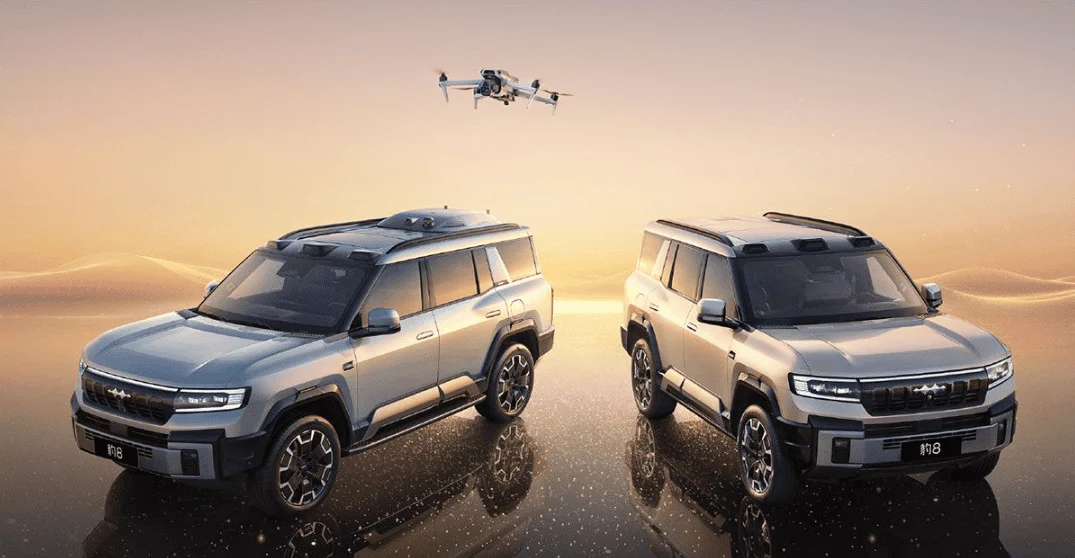
Historically, drone enthusiasts had to manually stop their vehicles, unpack their equipment, calibrate sensors, and launch the aircraft—a process that is often cumbersome and time-consuming. The new system introduced by BYD automates this entire workflow. Through a specialized "drone bay" or "automotive-grade drone hangar" integrated into the roof of the vehicle, the drone can be launched, recovered, and charged without the driver ever needing to step outside. This level of hardware integration signifies a move toward the "software-defined vehicle" (SDV) era, where the car serves as a central hub for various peripheral technologies.
Technical Architecture of the Integrated Drone System
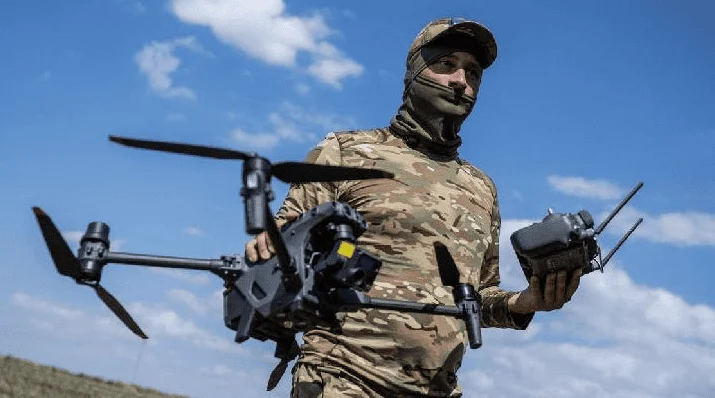
The centerpiece of this innovation is the customized drone hardware, which is based on DJI’s industry-leading flight platforms but optimized for the unique rigors of automotive use. Unlike standard consumer drones, the BYD-integrated unit is designed to withstand the aerodynamic turbulence created by a moving vehicle and the electromagnetic interference often generated by high-voltage EV batteries.
The Automated Hangar and Charging Dock
The vehicle’s roof features a retractable, weather-sealed compartment that houses the drone. When the driver initiates a launch command via the vehicle’s central touchscreen or voice assistant, the hatch opens, and the drone is automatically deployed. Upon completion of its mission, the drone uses high-precision GPS and visual positioning sensors to land back on the moving or stationary vehicle. Once docked, the drone’s batteries are replenished using the vehicle’s massive onboard power supply, ensuring it is always ready for the next flight.
Artificial Intelligence and Sensor Fusion
The drone is equipped with advanced AI algorithms that allow it to communicate directly with the vehicle’s Advanced Driver Assistance Systems (ADAS). This "sensor fusion" enables the drone to act as an elevated set of eyes for the car. Using DJI’s proprietary O3+ (or newer) transmission technology, the drone sends a low-latency, high-definition video feed directly to the car’s infotainment screen. The AI can automatically identify obstacles, track the vehicle at high speeds, and even suggest alternative routes based on aerial traffic observations.
Core Features and Capabilities
The BYD smart drone is not merely a hobbyist’s tool; it is a sophisticated instrument designed for multiple use cases ranging from recreational to functional.
- Autonomous "Follow-Me" Mode: Using advanced computer vision, the drone can lock onto the vehicle and follow it autonomously at speeds suitable for scenic drives. It maintains a safe distance while capturing cinematic 4K video, utilizing DJI’s renowned gimbal stabilization to ensure smooth footage even in windy conditions.
- Aerial Scouting and Traffic Analysis: In scenarios involving heavy congestion or off-road navigation, the drone can be sent ahead to scout the terrain. It provides the driver with a real-time "bird’s-eye view," allowing them to see over hills, around blind corners, or miles ahead in a traffic jam.
- High-Resolution Imaging and 5-Way Obstacle Avoidance: Equipped with a professional-grade CMOS sensor, the drone captures high-dynamic-range (HDR) photos and videos. To ensure safety, it utilizes omnidirectional obstacle sensing, preventing collisions with trees, power lines, or other structures during autonomous flight.
- One-Touch Cinematic Templates: For users without drone piloting experience, the system offers "MasterShots." With a single tap, the drone performs a sequence of complex flight maneuvers—such as circling, zooming, or spiraling—to create professional-grade travel content automatically.
Chronology of Development and Market Entry
The path to this launch began in late 2023 and early 2024, when BYD first teased its "Xuanji" smart architecture. This high-level electronic system was designed to serve as the "brain" of the vehicle, capable of managing everything from battery thermals to external peripherals like drones.
In January 2024, during the BYD Dream Day event, the company officially showcased the world’s first vehicle-mounted UAS in partnership with DJI. The system was initially integrated into the Yangwang U8, BYD’s luxury off-road SUV. The Yangwang U8, known for its ability to "tank turn" and float on water, provided the perfect platform for such a rugged, high-tech accessory. Following the successful pilot in the luxury segment, BYD has indicated plans to scale this technology down to more mainstream models within its "Dynasty" and "Ocean" series, potentially making smart drones a standard feature in high-trim EVs by 2026.

Strategic Implications for the Global EV Market
BYD’s move to launch a smart drone is a calculated effort to differentiate its products in an increasingly crowded global market. As EV hardware—such as range and acceleration—becomes standardized across brands, manufacturers are turning to "lifestyle features" to capture consumer interest.
Enhancing Brand Prestige
By partnering with DJI, BYD aligns itself with a premium tech image. This is particularly important as BYD expands into European and Southeast Asian markets, where it seeks to shed the "budget" label and compete directly with established luxury marques like BMW, Mercedes-Benz, and Audi.
The "Third Living Space" Concept
Automakers are increasingly viewing the interior of the car as a "third living space" (after the home and the office). The integration of a drone caters to the "vlogger" and "outdoor enthusiast" demographics, turning the vehicle into a mobile production studio. This aligns with broader trends in the Chinese automotive market, where features like in-car karaoke, built-in refrigerators, and "camping modes" have become major selling points.
Regulatory and Safety Considerations
Despite the technological brilliance of the BYD-DJI drone, its global rollout faces significant regulatory hurdles. Aviation authorities, such as the Federal Aviation Administration (FAA) in the United States and the European Union Aviation Safety Agency (EASA), have strict rules regarding drone operations near roads and over moving vehicles.
- BVLOS (Beyond Visual Line of Sight): In many jurisdictions, operating a drone without a direct line of sight is restricted. An autonomous drone following a car around a mountain bend could technically violate these rules.
- Privacy Concerns: The ability to launch a high-resolution camera from a vehicle has raised concerns regarding privacy in residential areas. BYD and DJI have stated that the software includes "no-fly zone" (NFZ) geofencing to prevent the drone from taking off in restricted airspace or sensitive locations.
- Operational Safety: The risk of a drone failing while flying over a highway is a major safety concern. To mitigate this, the system includes "Return-to-Home" (RTH) protocols that trigger if the battery is low or the signal is lost, directing the drone to land safely at a pre-designated emergency point if the vehicle hangar is inaccessible.
Industry Response and Expert Analysis
Market analysts view this launch as a "shot across the bow" for other tech-centric automakers. Industry experts suggest that Rivian, Tesla, and Xpeng are likely monitoring the consumer response to BYD’s drone integration closely. Xpeng, in particular, has already ventured into "flying cars" through its AeroHT division, suggesting that the boundary between automotive and aerospace is becoming increasingly blurred.
"The integration of a drone is not just a gimmick; it’s the beginning of a multi-modal transport era," says Dr. Chen Wei, an automotive technology analyst. "We are seeing the car evolve from a transport tool into a data-gathering platform. Whether for rescue missions, infrastructure inspection, or simply high-end travel blogging, the use cases are vast."
Future Outlook: Toward Urban Air Mobility
The BYD smart drone launch is likely a precursor to more ambitious projects. As battery density improves and AI flight controllers become more sophisticated, the industry is moving toward Urban Air Mobility (UAM). The data gathered from thousands of integrated drones will help companies like BYD and DJI refine the autonomous flight algorithms necessary for future "flying taxis."
In the near term, we can expect the drone-car ecosystem to become more interactive. Future updates may allow drones to deliver small packages to a moving vehicle or assist in emergency services by providing aerial illumination and communication relays in disaster zones where ground infrastructure has failed.
Conclusion
BYD’s launch of a smart drone in collaboration with DJI marks a milestone in the convergence of the automotive and aerospace industries. By solving the logistical hurdles of drone deployment and leveraging the power of AI, BYD has created a tool that enhances both the utility and the excitement of the modern electric vehicle. While regulatory challenges remain, the technological precedent has been set: the car of the future will not just navigate the roads—it will command the skies above them. As BYD continues to push the boundaries of what a vehicle can be, the global automotive industry must now decide whether to follow suit or risk being left on the ground.