The stark, undulating beauty of Lençóis Maranhenses National Park, a 600-square-mile expanse in northeastern Brazil, presented an unexpected artistic challenge and profound reward for a nature photographer whose usual focus lies in intimate wildlife portraits. What was intended as a transient stopover en route to Patagonia evolved into an immersive, soul-stirring exploration of one of the planet’s most singular ecosystems. This vast mosaic, characterized by intricate river systems, pristine lagoons, and seemingly endless, sun-drenched sand dunes, captivated the photographer, prompting a departure from his customary subject matter to capture the overwhelming grandeur of this landscape.
A World Heritage Site of Shifting Sands and Waters
Located in the Brazilian state of Maranhão, Lençóis Maranhenses National Park, officially recognized as a UNESCO World Heritage Site in 2020, is a geological and ecological marvel. Its defining features are vast expanses of pure white sand dunes, sculpted by persistent winds into mesmerizing, ever-changing patterns. During the rainy season, typically from January to June, these dunes become dotted with thousands of temporary freshwater lagoons, their vibrant turquoise and emerald waters creating a stark, breathtaking contrast against the bleached sands. This ephemeral aquatic landscape is a direct result of heavy rainfall that accumulates in the depressions between the dunes.
The park’s eastern boundary is a testament to its coastal proximity, stretching over 40 miles of pristine beaches that gently slope into the Atlantic Ocean. This coastline is interspersed with small, traditional fishing villages, offering a glimpse into the human element that coexists with this dramatic natural environment. The intricate network of tannin-colored rivers, stained dark by the decomposition of vegetation, winds its way through the dunes, eventually emptying into the sea. To the west, the desert-like terrain gradually transitions, giving way to the characteristic Brazilian savanna known as cerrado, before yielding to denser forests and finally agricultural lands. This ecological gradient underscores the park’s diverse biological significance.
The Technological Leap in Capturing Grandeur
The sheer scale and dynamic nature of Lençóis Maranhenses necessitated a new approach to photography. Historically, capturing such expansive vistas from an elevated perspective involved the use of small aircraft like Ultralights or Cessnas, often with doors removed to facilitate unobstructed shooting. However, the advent and widespread accessibility of Unmanned Aerial Vehicles (UAVs), commonly known as drones, have revolutionized aerial photography. These advanced tools have opened up unprecedented creative possibilities, allowing photographers to achieve intimate yet sweeping perspectives.
The photographer utilized drones to navigate the vastness of the park. This technology enabled him to maintain a low altitude, thereby capturing the intricate details of the dune formations and water bodies while simultaneously encompassing the immense scope of the landscape. The drone’s ability to hover and maneuver with precision allowed for a fluid exploration of the terrain, as if the lens itself were a free-roaming eye absorbing the panorama. The constantly shifting winds played a crucial role in the visual narrative, re-sculpting the delicate sand formations and rippling the surface of the glassy lagoons.
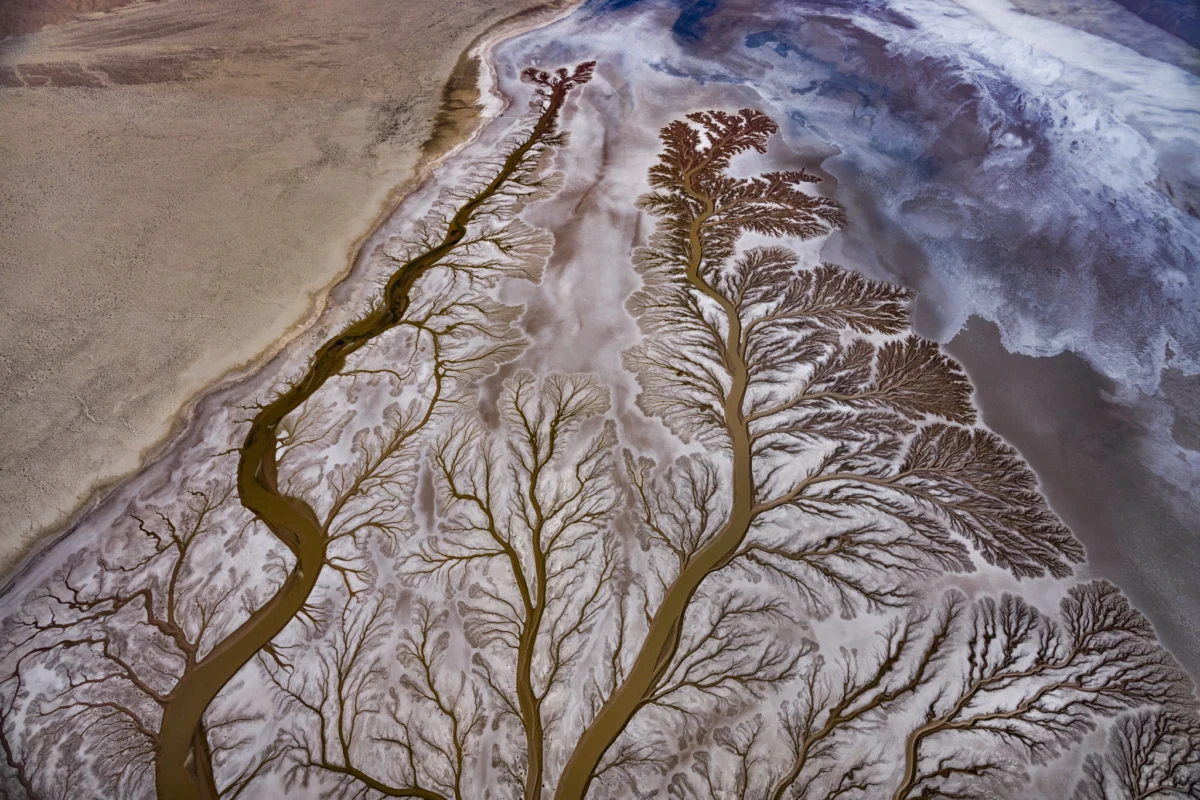
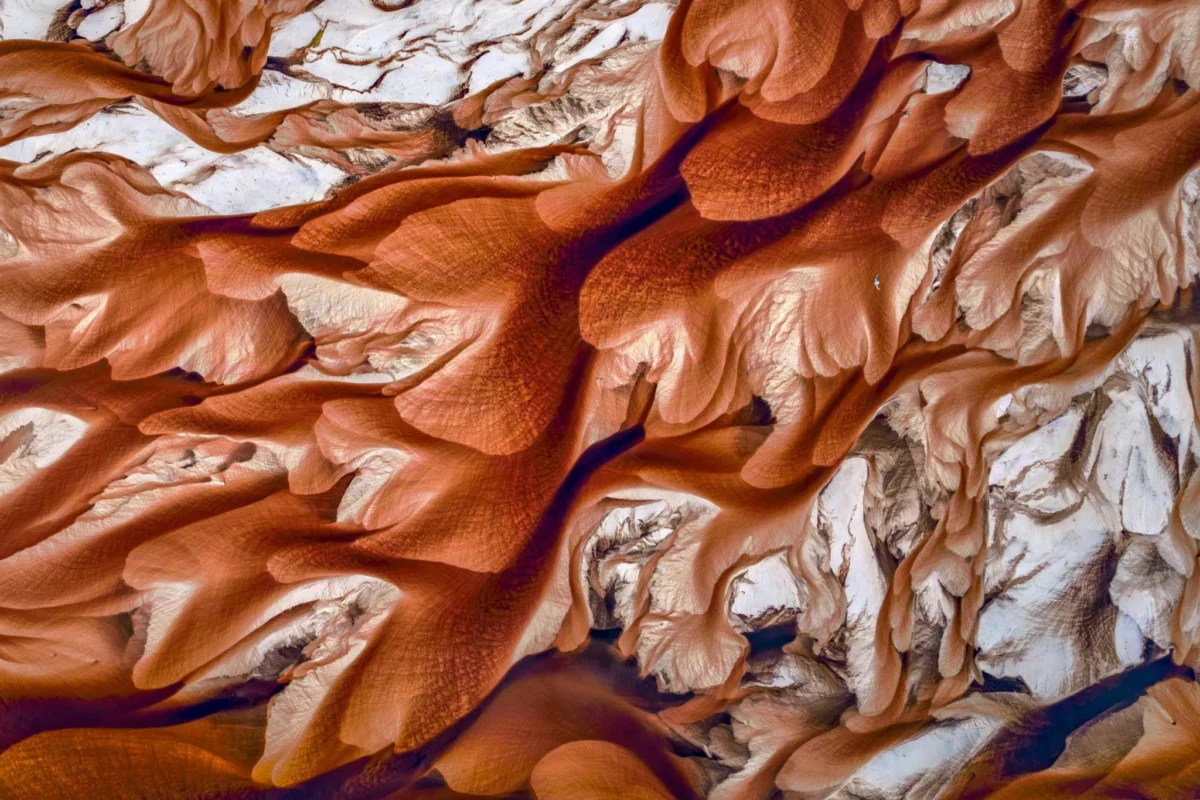
The water itself is a dynamic element within the park’s composition. Tannins leached from decaying vegetation impart rich hues of red, deep brown, and rust to the water bodies, creating striking visual contrasts against the white sand. The Black River, a prominent feature, snakes through the coastal lowlands, its dark, inky waters carving a path through the dunes to merge with the Parnaíba River in the northeast. The interplay of light, wind, and water on this vast canvas was almost overwhelmingly beautiful, each subtle alteration in angle or altitude revealing a new, breathtaking tableau etched across the Earth’s surface. The photographer described a sense of exhilaration, bordering on dizziness, from the sheer effort of attempting to frame such boundless natural artistry.

A Timeless Human Endeavor: Replicating Nature’s Artistry
The human impulse to replicate the beauty of the natural world is an ancient and persistent one, stretching back to the earliest expressions of creative endeavor. Evidence of this can be found in prehistoric cave paintings, such as those at Chauvet Cave in France, dating back approximately 30,000 years, which depict remarkably detailed animal life from the Aurignacian period. Throughout history, artists across diverse cultures and epochs, from the Upper Paleolithic to the Renaissance and beyond, have dedicated their lives to the meticulous study of nature’s forms, striving to capture its intricate details and profound essence.
Even with the sophisticated capabilities of modern digital photography, the photographer expresses a sentiment shared by many artists and observers of the natural world: that no single image can fully convey its boundless beauty and complexity. The challenge lies in translating the three-dimensional, multi-sensory experience of nature into a two-dimensional medium. How can a photograph encapsulate the vastness of a planet or the microscopic intricacies of a cell’s nucleus? This inherent limitation, while perhaps frustrating, also fuels the ongoing pursuit of artistic expression.
The Significance of Lençóis Maranhenses in Conservation
Lençóis Maranhenses National Park is not only a site of immense natural beauty but also a crucial ecosystem facing environmental pressures. The park’s unique hydrological cycle, dependent on seasonal rainfall, makes it particularly vulnerable to climate change. Fluctuations in precipitation patterns can lead to reduced lagoon formation, impacting the biodiversity that relies on these temporary water sources.
Established in 1981, the park’s designation as a national park aimed to protect its fragile environment. The subsequent recognition as a UNESCO World Heritage Site in 2020 further underscores its global importance and the need for concerted conservation efforts. Local communities, many of whom depend on tourism and traditional fishing practices, play a vital role in the park’s stewardship. Sustainable tourism initiatives are essential to balance economic development with ecological preservation, ensuring that the park’s unique landscapes and biodiversity are protected for future generations.
The ongoing monitoring of water levels in the lagoons, the health of the unique flora and fauna adapted to this environment, and the impact of human activities are critical aspects of the park’s management. Researchers and conservation organizations continuously work to understand and mitigate the threats posed by climate change, deforestation in surrounding areas, and potential over-tourism. The park’s delicate balance serves as a microcosm for the broader challenges of conservation in a rapidly changing world.
Broader Implications: Nature as the Ultimate Artist
The photographer’s experience in Lençóis Maranhenses serves as a powerful reminder of nature’s inherent artistry, a force that predates and surpasses any human attempt at replication. The quote by Vincent van Gogh, "…and then, I have nature and art and poetry, and if that is not enough, what is enough?", encapsulates this profound truth. Nature provides the ultimate source of inspiration, the raw material from which all human creativity springs.
The ability to witness and document these natural masterpieces, even if imperfectly, is described as a profound privilege. The ongoing effort to capture and share these images, despite their inherent limitations, is driven by a desire to foster appreciation and understanding of the natural world. In a time when environmental concerns are increasingly paramount, such artistic endeavors play a crucial role in highlighting the beauty and fragility of our planet, inspiring a sense of responsibility and a commitment to conservation. The visual narratives captured in places like Lençóis Maranhenses contribute to a global dialogue about our relationship with nature and our role in its preservation. The photographer’s journey, from a planned detour to an artistic revelation, underscores the unexpected ways in which nature can profoundly impact and inspire human endeavors, reinforcing its position as the ultimate, inexhaustible source of wonder and creativity.