Raja Ampat, an Indonesian archipelago renowned globally as the ultimate destination for underwater photography and marine biodiversity, continues to captivate scientists, conservationists, and enthusiasts alike. Located strategically off the northwest tip of West Papua’s Bird’s Head Peninsula, this region presents an almost surreal panorama of verdant, jungle-clad islands emerging from turquoise waters, concealing an underwater realm of unparalleled richness. Its designation as "The Last Paradise" is not merely poetic license but a reflection of its ecological significance and pristine condition, making it a pivotal site for marine science and a mecca for diving and underwater imaging.
Geographical and Ecological Significance
The archipelago comprises over 1,500 islands, cays, and shoals, clustered around the four main islands of Waigeo, Batanta, Salawati, and Misool. This sprawling marine protected area sits squarely within the heart of the Coral Triangle, a vast marine region acknowledged as the global epicenter of marine biodiversity. This unique geographical placement, coupled with dynamic oceanographic conditions, particularly the Indonesian Throughflow which funnels nutrient-rich waters from the Pacific to the Indian Ocean, creates an environment conducive to an extraordinary profusion of life. The region’s ancient geological history, involving the convergence of tectonic plates, further contributed to the formation of its intricate underwater topographies, providing diverse habitats from shallow coral gardens to deep-water trenches.

Unrivaled Biodiversity
Raja Ampat’s biodiversity statistics are staggering and continually being updated through ongoing scientific expeditions. Current data indicates that this vibrant utopia harbors over 75% of the world’s known coral species, an astonishing figure that underscores its critical role in global marine ecosystems. This includes over 540 distinct species of hard and soft corals. The marine fauna is equally diverse, boasting more than 1,700 species of reef fish, 700 types of mollusks, and a myriad of other invertebrates. Iconic megafauna such as manta rays (both oceanic and reef), various shark species including the endemic wobbegong shark, dugongs, and multiple species of sea turtles are regularly sighted, offering extraordinary photographic opportunities. The sheer density and variety of marine life mean that even a single dive can reveal more species than many other renowned dive sites worldwide combined, a fact famously underscored by a 2006 survey at Cape Kri, which recorded a world record 374 fish species on a single dive.

Planning an Underwater Photography Expedition
Accessing Raja Ampat, while rewarding, requires meticulous planning due to its remote location. International travelers typically fly into major Indonesian hubs like Jakarta or Bali, followed by a domestic flight to Sorong (Dominique Edward Osok Airport, SOQ) in West Papua. From Sorong, the journey continues with a ferry ride to Waisai, the capital of Raja Ampat regency. The final leg often involves smaller boats or speedboats to reach specific islands or liveaboards.

Experienced underwater photographers often recommend liveaboards as the optimal choice for exploring this vast region. These vessels offer unparalleled access to remote dive sites, maximizing dive time and photographic opportunities across the archipelago, including the highly coveted Misool area. Misool, in particular, is celebrated for its thriving marine ecosystems, where conservation efforts have demonstrably led to an increase in biodiversity, a rarity in many parts of the world. For those preferring land-based stays, homestays on various islands offer a more immersive cultural experience, often with excellent house reefs perfect for leisurely dives and split shots. Regardless of the chosen accommodation, securing the Raja Ampat Marine Park Entrance Tag (PIN) is mandatory, contributing directly to conservation initiatives.
The Underwater Photography Experience

Raja Ampat offers a diverse palette for underwater photographers, catering to both wide-angle and macro enthusiasts.
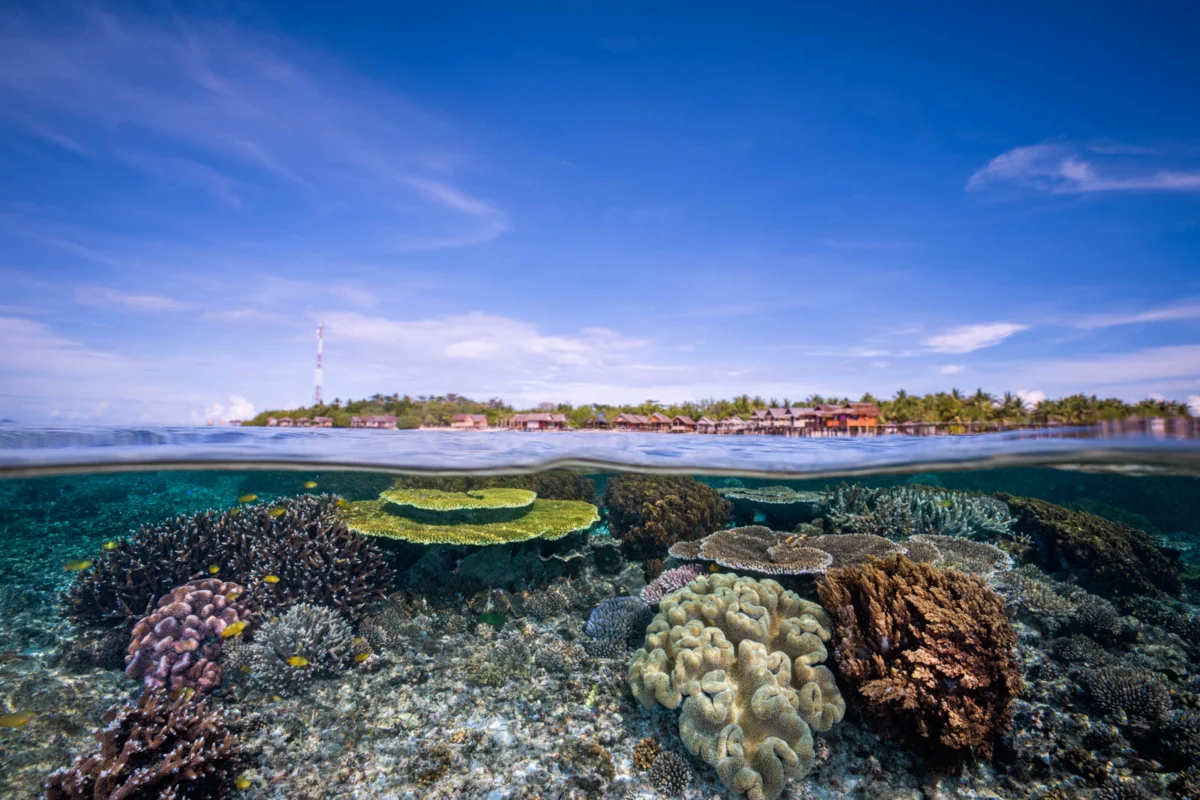
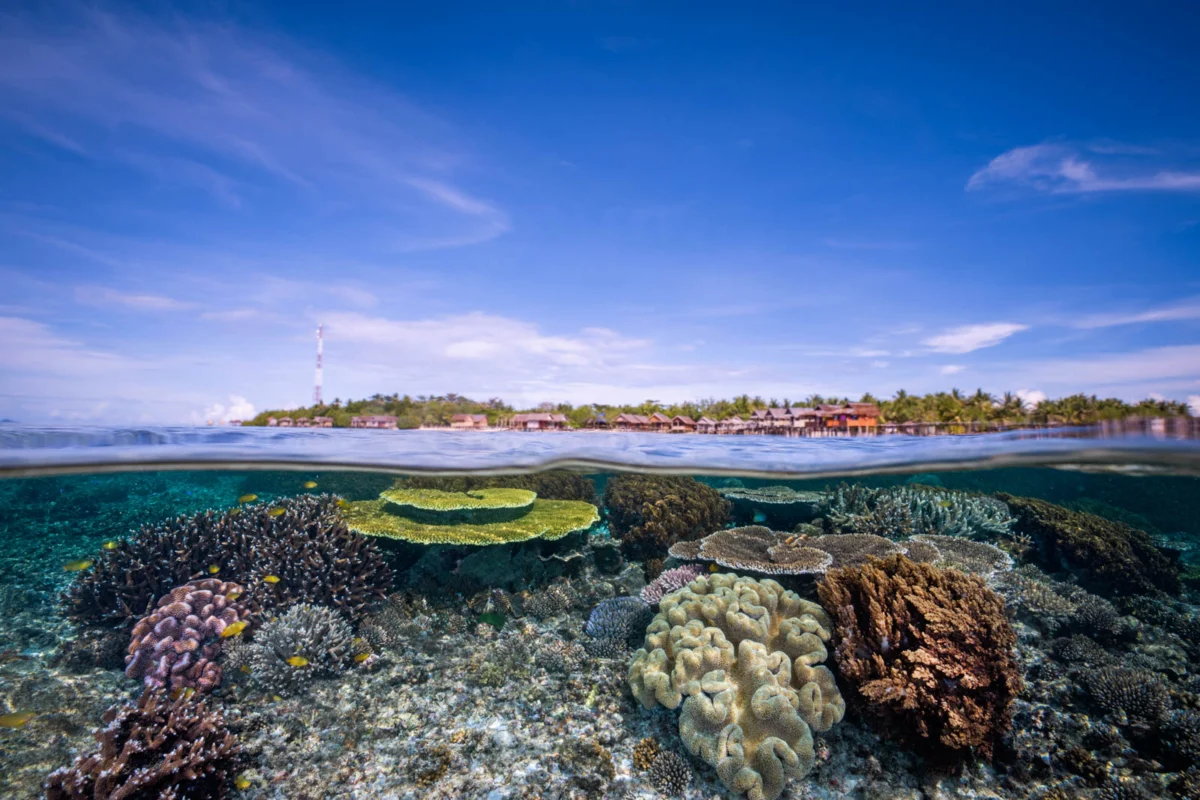
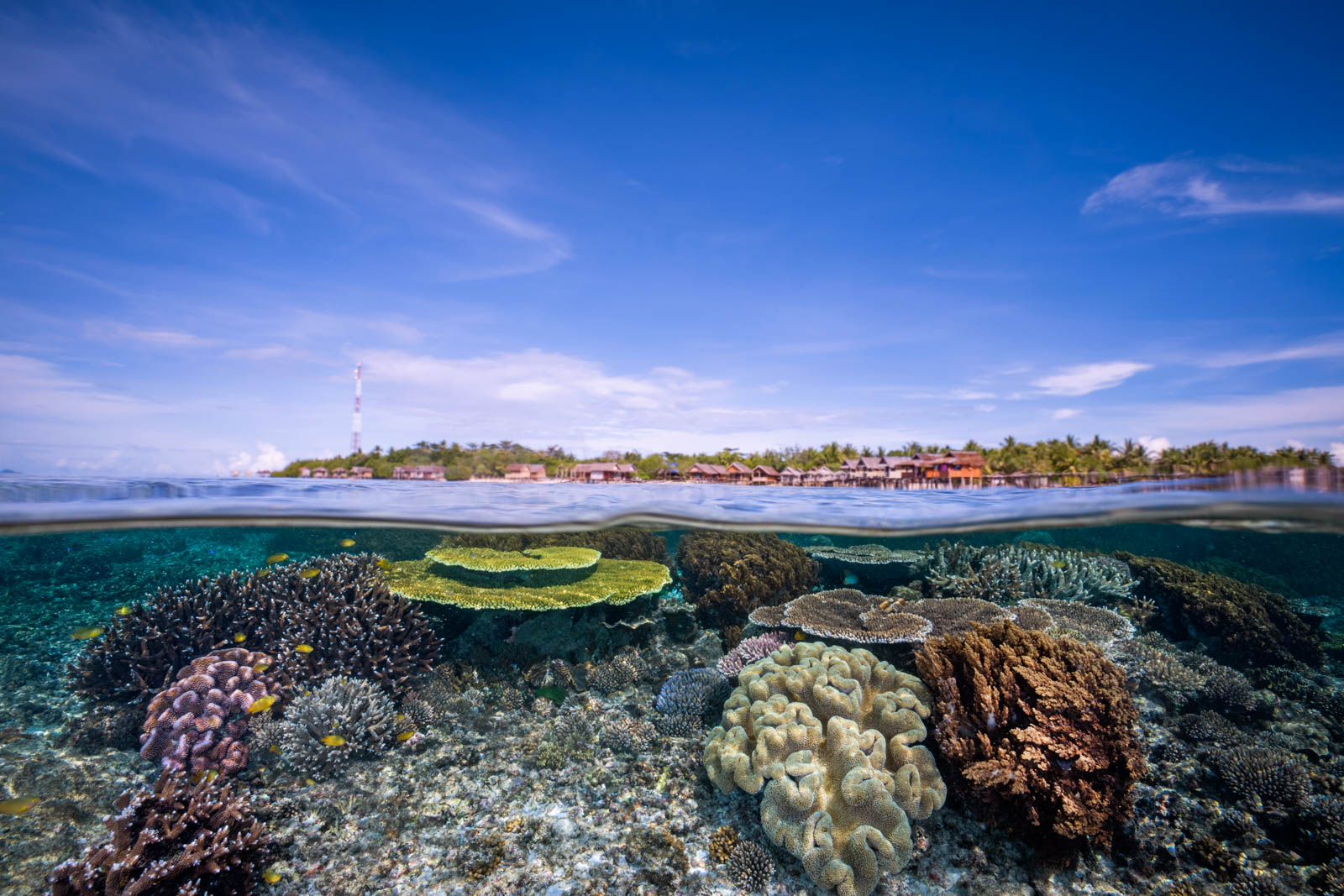
- Wide-Angle Photography: The majestic reef systems, characterized by immense coral formations and vibrant colors, provide a breathtaking backdrop for wide-angle shots. Photographers frequently employ 16-35mm lenses to capture the grandeur of schooling fish (such as barracuda and jacks), the graceful movements of manta rays, encounters with wobbegong sharks, and various sea turtle species. Close-focus wide-angle (CFWA) opportunities are also abundant, allowing for dramatic shots of large subjects against a richly detailed coral foreground. The iconic karst landscapes also present ideal conditions for over-under or split shots, especially during sunrise and sunset, leveraging the pristine house reefs accessible from many homestays.
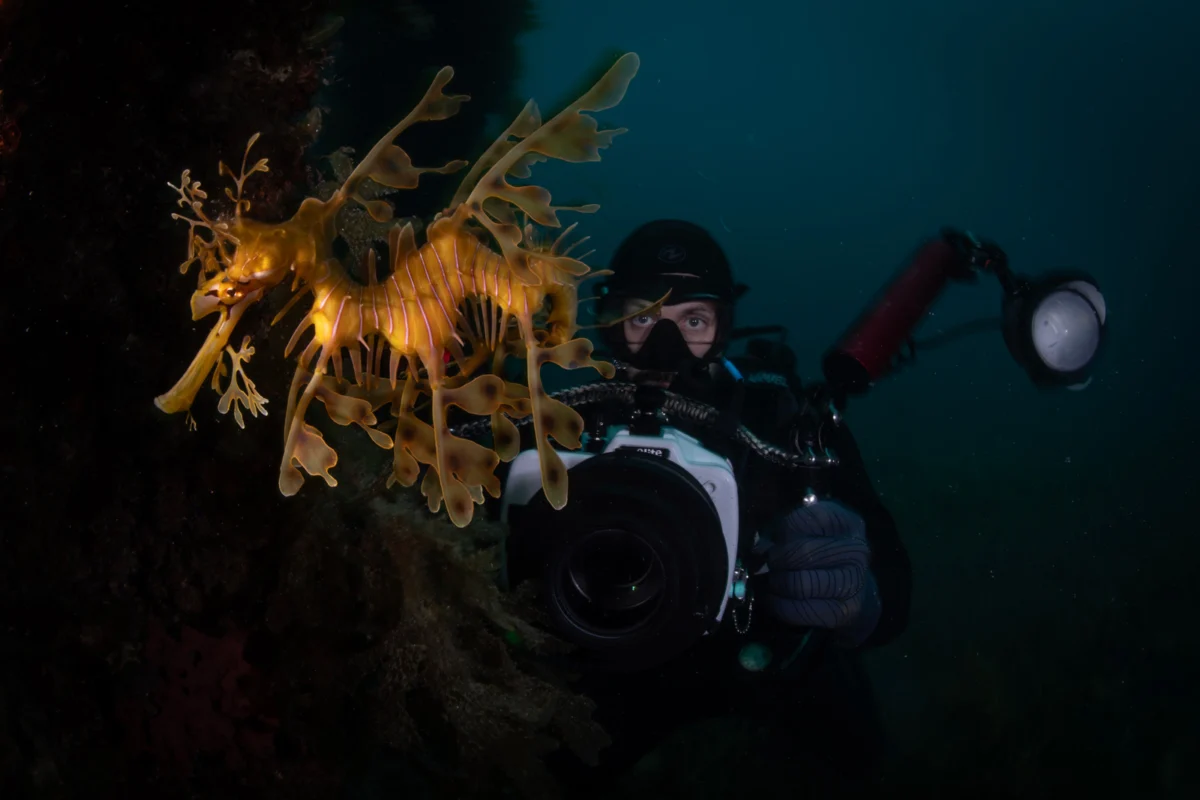
- Macro Photography: For those drawn to the intricate details of the miniature marine world, Raja Ampat is an unparalleled macro photography haven. The nooks and crannies of its vibrant reefs conceal an astonishing array of cryptic critters. A mid-range macro lens (e.g., 60mm) is useful, but a longer macro lens (e.g., 90mm or 120mm) combined with an external diopter is often essential to capture the minutiae of the smallest subjects. Photographers can expect encounters with elusive pygmy seahorses (especially Bargibant’s pygmy seahorse on Muricella gorgonian corals), vibrant mantis shrimps, camouflaged leaf scorpionfish, various frogfish species, diverse cephalopods like octopus and cuttlefish, ghost pipefish, garden eels, blennies, and a spectacular array of nudibranchs and other soft coral denizens. Briefings with dive guides are crucial to anticipate specific sightings and prepare the appropriate camera setup for each dive.
Challenges and Considerations

The very forces that cultivate Raja Ampat’s rich biodiversity also present challenges for underwater photographers. The nutrient-rich waters, while supporting abundant life, can sometimes result in less-than-optimal visibility, particularly for wide-angle shots. Mastering strobe positioning becomes paramount to mitigate backscatter and properly illuminate subjects in these conditions.
Furthermore, the strong, intricate currents flowing through channels like the Dampier Strait are a defining feature of the region. These currents are a primary driver of marine life aggregation but can be strenuous, especially when handling heavy underwater photography equipment. Divers must be prepared for drift dives and, at times, for dives where the primary objective is to hold position behind a boulder rather than actively photograph. Dive guides will typically advise on current strength; in exceptionally strong conditions, leaving the camera behind might be a prudent decision to ensure safety and enjoyment. Robust camera lanyards and reliable insurance policies are highly recommended for all photography equipment. Responsible diving practices, including maintaining excellent buoyancy control and avoiding contact with the fragile coral ecosystems, are critical to preserving this delicate environment.

Signature Dive Sites
Several dive sites stand out as exemplars of Raja Ampat’s underwater splendor:

- Melissa’s Garden (Fam Islands): A renowned wide-angle paradise, this site engulfs divers in expansive plate coral formations stretching across the seafloor. It provides an ideal canvas for capturing schooling batfish, barracuda, snappers, and a myriad of reef fish against a backdrop of pristine coral topography. Its elegance and vibrant reef health make it a memorable experience for coral enthusiasts.
- Batu Rufus (Fam Islands): A truly unique site, Batu Rufus features a crystal-clear emerald lagoon nestled within towering limestone formations. The outer reefs offer chances to spot pelagics like mantas and sharks, but the true photographic magic lies within the shallow lagoon. A dramatic swim-through, adorned with giant coral fans, leads into a natural pool where visibility is exceptional. Here, photographers can spend extended periods in shallow water (around 5 meters), utilizing natural light to capture the flourishing reef systems and stunning over-under shots against the dramatic limestone karsts. Freediving is an attractive option here for capturing serene, naturally lit images.
- Cape Kri (Dampier Strait): Historically significant for holding the world record for the highest number of fish species recorded on a single dive (374), Cape Kri is a biodiversity hotspot. Its sloping reefs descend to 40 meters, experiencing strong, intersecting currents that attract large schools of barracuda, various shark species, turtles, and pelagic fish. This site offers excellent wide-angle opportunities but is equally celebrated for its macro life. Pygmy seahorses are frequently found clinging to Muricella gorgonian fans, alongside an abundance of octopuses, flatworms, nudibranchs, and diverse shrimp species, making it an ideal location for multiple dives with different lens setups.
- Manta Ridge (Mansuar/Airborei Islands): As its name suggests, Manta Ridge is a prominent cleaning station and feeding ground for schooling manta rays. While encounters can be unpredictable, when the ocean gods are favorable, divers may find themselves surrounded by numerous mantas gracefully circling overhead. The strong currents here require divers to be vigilant and aware of potential downcurrents, emphasizing the importance of respecting marine conditions.
- Citrus Ridge (Gam Islands): Celebrated as one of the most colorful reef systems in the region, Citrus Ridge is a T-shaped dive site near the Gam Islands. Its vibrant soft corals create a kaleidoscope of color, perfect for wide-angle photography. However, this site is also a macro photographer’s dream, teeming with an incredible variety of small, camouflaged creatures. From wobbegong sharks resting on the bottom to diverse schooling pelagics and an endless list of macro subjects, Citrus Ridge offers a visual feast at every turn. The colorful reef provides a stunning natural backdrop for detailed macro shots.
Conservation Efforts and Future Outlook
Raja Ampat’s pristine condition is not accidental but the result of dedicated conservation efforts. The local communities, in collaboration with government agencies and international NGOs, have established a robust network of marine protected areas (MPAs) and implemented strict regulations, including no-take zones and sustainable fishing practices. These initiatives are vital for safeguarding the region’s extraordinary biodiversity against threats such as illegal fishing, climate change, and unregulated tourism. Ongoing scientific research also plays a crucial role in informing these conservation strategies.

Economic and Cultural Impact
Tourism, particularly eco-tourism centered around diving and snorkeling, has become a significant economic driver for the local communities in Raja Ampat. Homestays, dive operators, and local guides provide livelihoods, fostering a direct link between conservation success and economic well-being. This model promotes a sense of stewardship among the local population, who are often the first line of defense against environmental degradation. The influx of visitors also exposes the unique culture of West Papua, enriching the travel experience beyond the underwater realm. However, managing the growth of tourism to ensure sustainability and minimize environmental impact remains a continuous challenge, requiring ongoing vigilance and adaptive management strategies.

In conclusion, Raja Ampat stands as a testament to the ocean’s enduring majesty and a beacon for marine conservation. Its unparalleled diversity of marine life, breathtaking reef systems, and dramatic island landscapes offer endless photographic possibilities for devoted ocean lovers. The journey to this "Last Paradise" may be arduous, but the reward is an immersive experience in a truly unique natural masterpiece. While the choice between wide-angle and macro photography may be the most challenging decision for a photographer, respecting the powerful ocean currents and the fragile underwater ecosystems is paramount to ensure that Raja Ampat continues to thrive for generations to come.