The intersection of auditory performance and visual documentation has long served as a cornerstone of cultural journalism, yet the technical demands of concert photography remain among the most challenging in the field. As digital sensors continue to push the boundaries of low-light sensitivity and autofocus speed, a significant movement among professional photographers has emerged, favoring a return to traditional analog film. This shift is not merely an aesthetic choice but a pedagogical and technical strategy to master the fundamental principles of light, timing, and composition. Recent case studies in the European small-venue circuit highlight how the transition from high-frame-rate digital systems to manual film cameras, such as the Leica M and R series, is redefining the standards of "the decisive moment" in music history.
The Technical Paradox of Live Music Environments
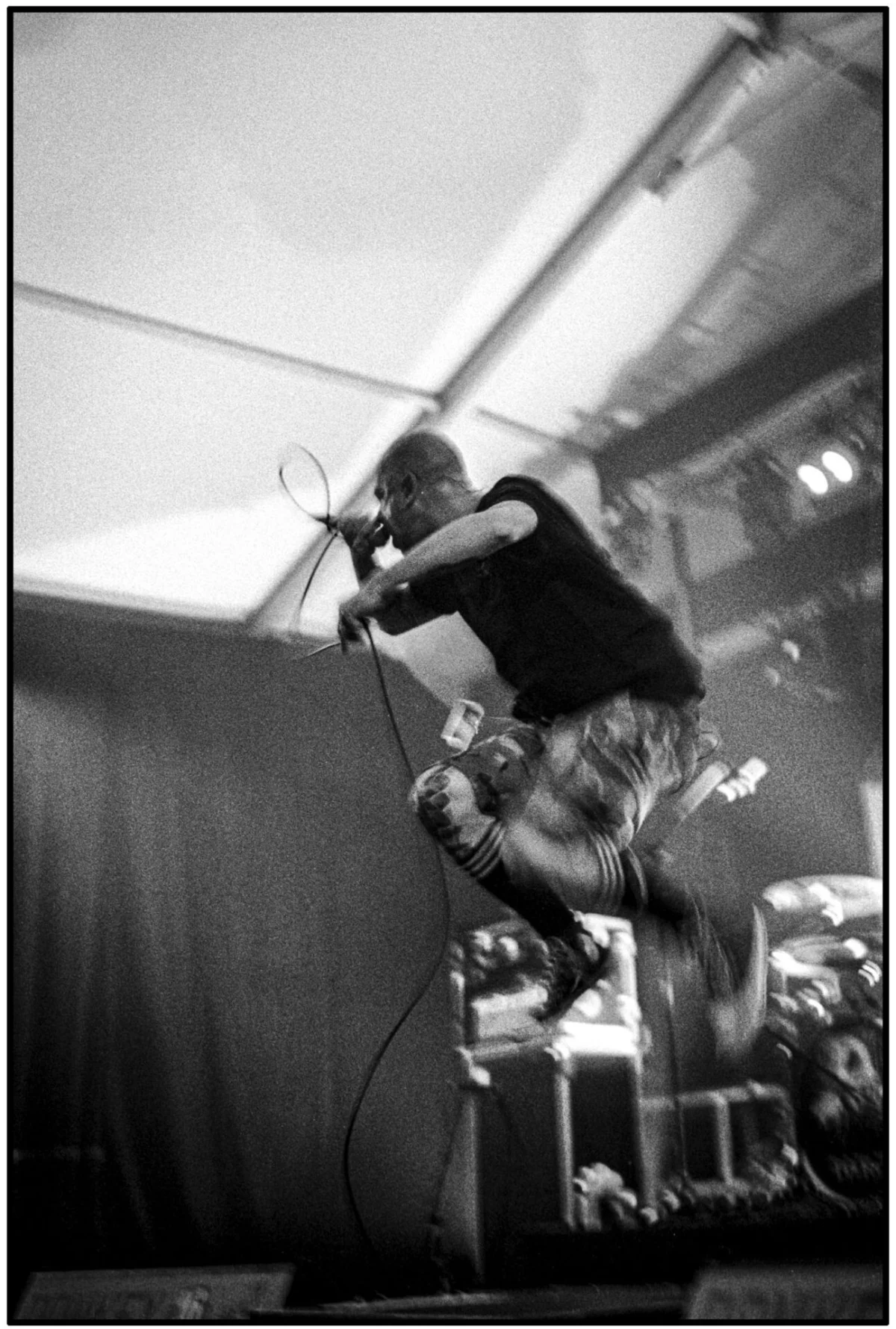
Concert photography is defined by its inherent instability. Lighting technicians frequently utilize rapid-cycle strobes, deep saturations of red and blue—which often confuse digital sensors—and high-contrast backlighting that can render subjects as mere silhouettes. For the uninitiated, the initial foray into this environment often results in catastrophic technical failure. Early-career efforts typically suffer from severe underexposure and poor spatial awareness, leading to images where the performer is swallowed by shadows or obscured by the audience.
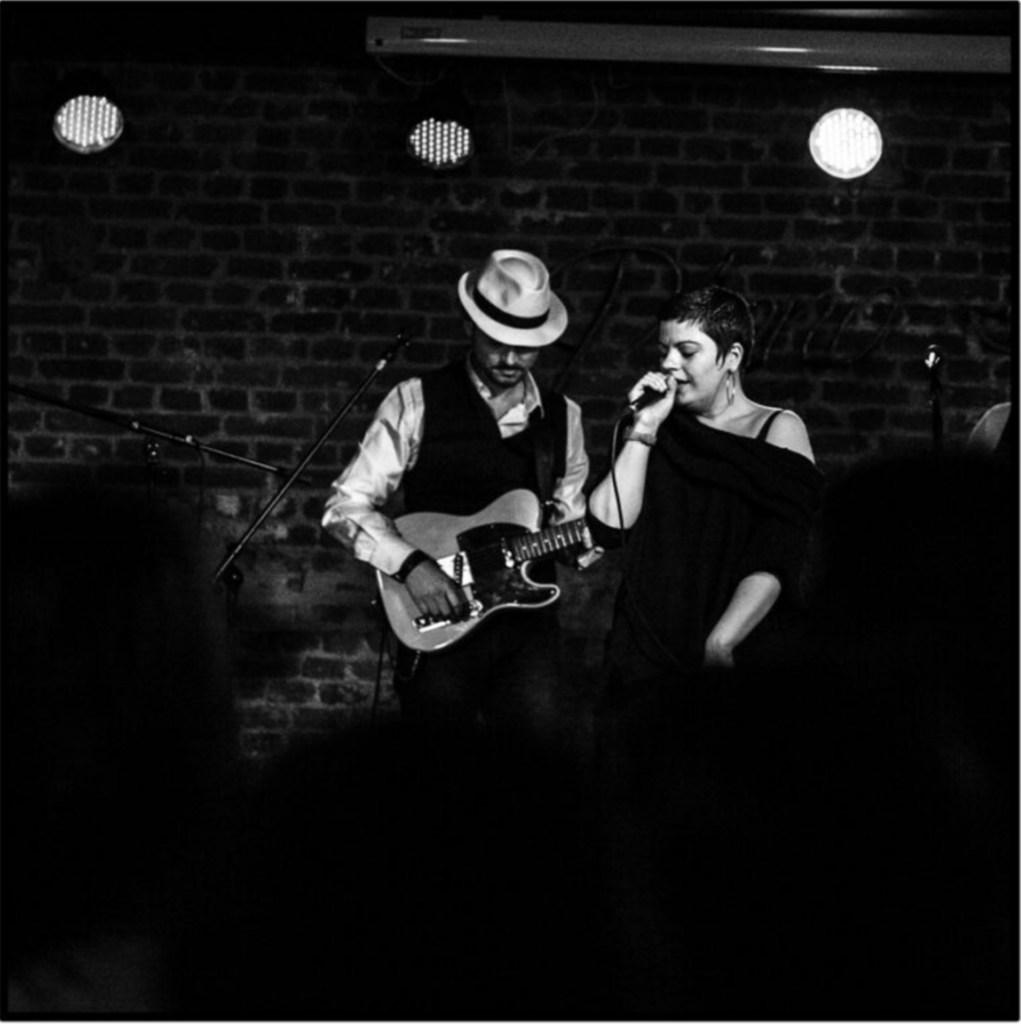
In the digital era, the "spray and pray" method—capturing hundreds of images in rapid succession—has become a common crutch. However, industry analysis suggests that this reliance on digital correction often bypasses the development of core photographic instincts. While digital manipulation can recover some detail from a poorly exposed RAW file, it cannot rectify a fundamental lack of sync between the photographer and the performer’s rhythm. The transition to film forces a confrontation with these technical deficits, as the medium offers no immediate feedback loop.
The Chronology of Technical Mastery: From Digital to Analog
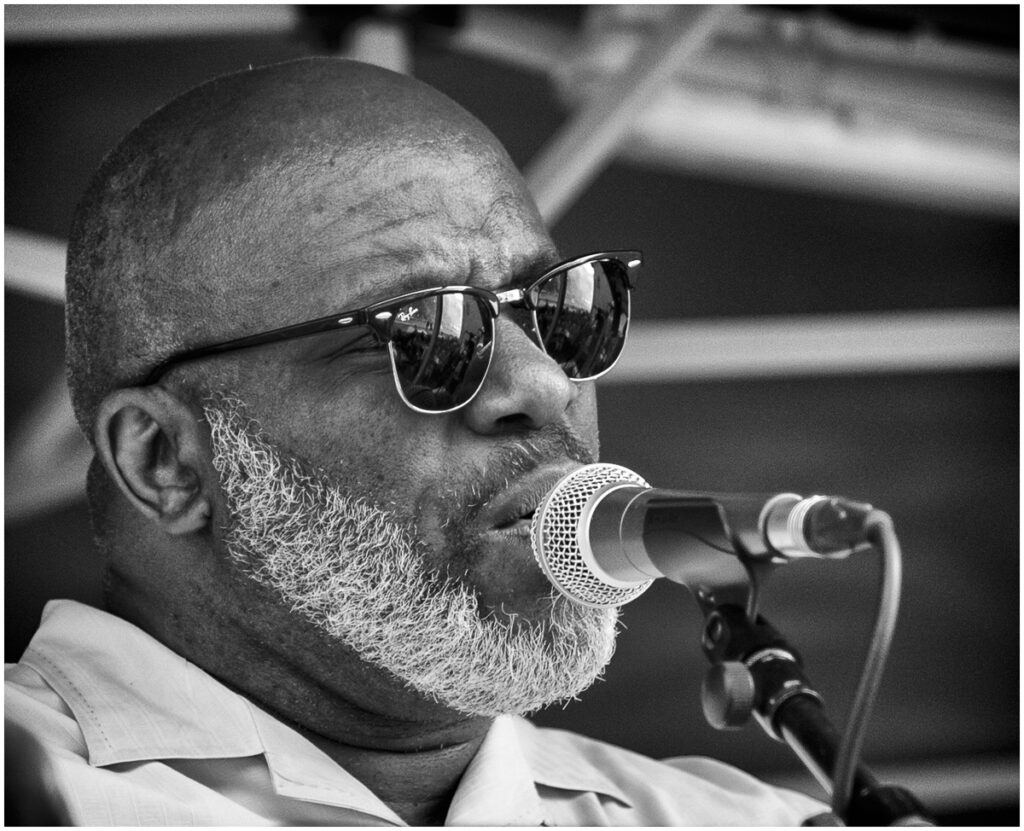
The journey of modern concert photographers often follows a specific trajectory: from the intuitive but undisciplined use of digital rangefinders like the Leica M240 and M9 to the rigorous constraints of film. The early phase is marked by a struggle against the "rocking chair" movement of vocalists and the erratic nature of stage lighting. Photographers operating in manual modes must develop the ability to "focus like a bat out of hell," a skill that involves predicting the subject’s movement and pre-visualizing the frame before the shutter is ever depressed.
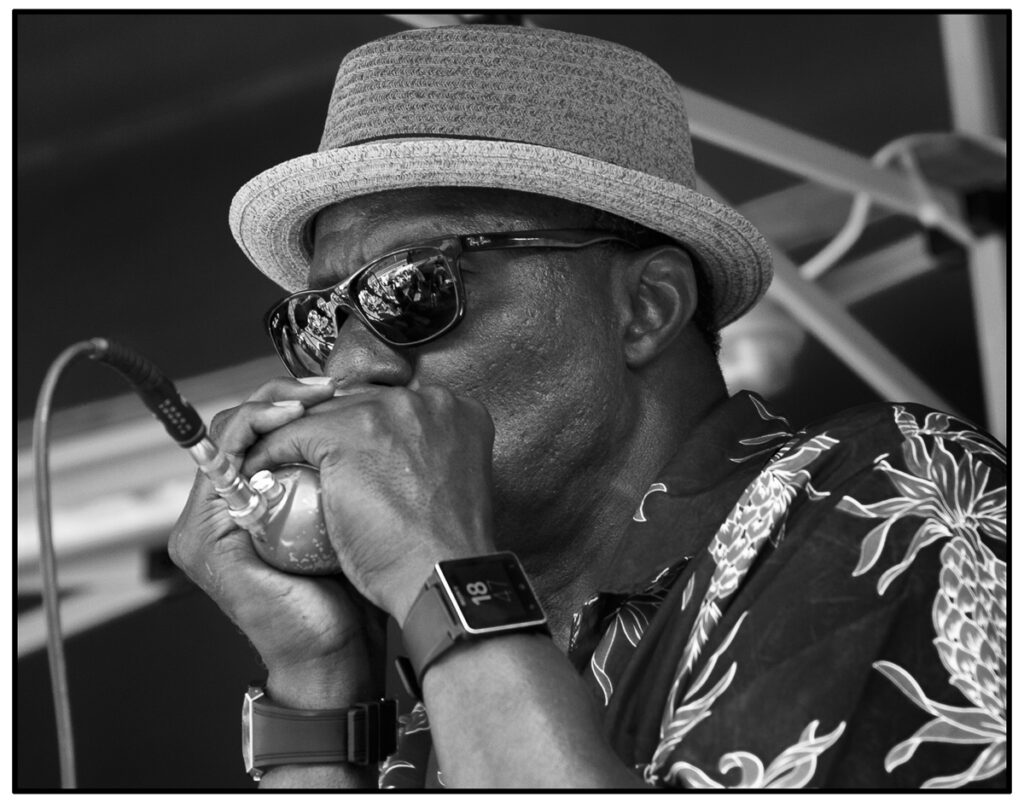
The pivot toward analog film often occurs when a professional realizes that digital convenience has dulled their sensory engagement. The return to film—utilizing platforms such as the Leica M2, MP, and the SLR-based R8—introduces a disciplinary barrier. Because film involves a delayed gratification process, where results are only visible after chemical development, the photographer is forced to internalize the physics of light. This transition has been described by practitioners as a "catalyst" for a deeper understanding of the craft, moving beyond the screen and into the realm of pure instinct.
Hardware and Optics: The Tools of the Analog Revival
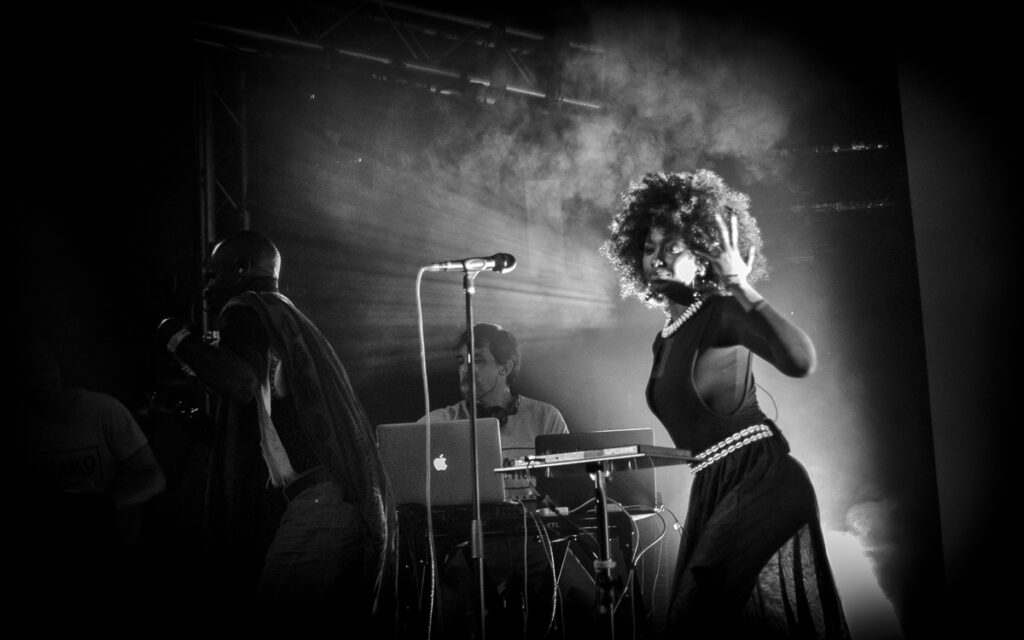
The choice of equipment in the analog concert pit is a matter of strategic utility. While digital systems prioritize megapixels and buffer speeds, the analog photographer prioritizes tactile response and optical character.
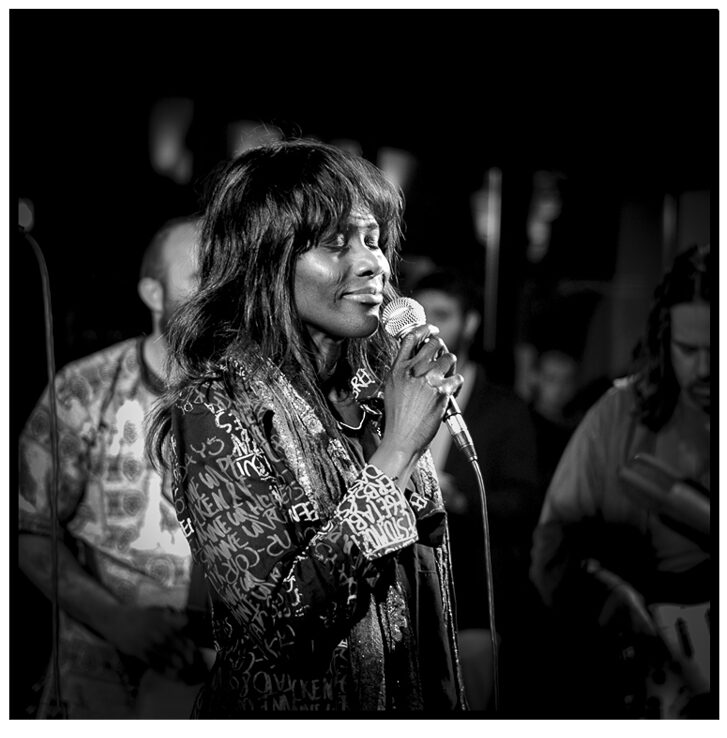
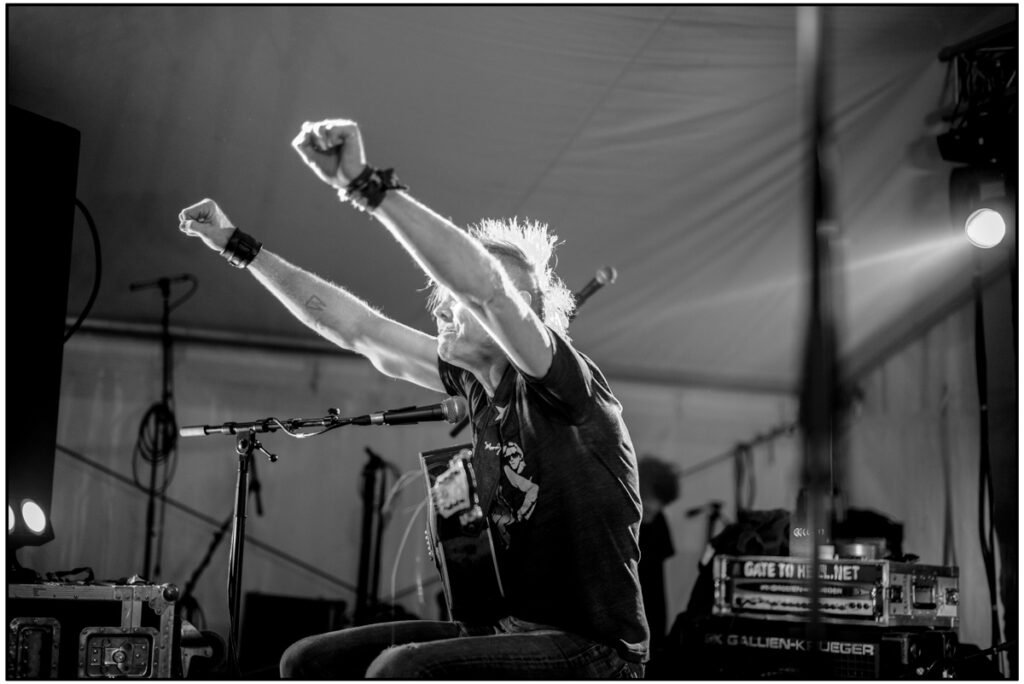
- The Rangefinder Advantage: Cameras like the Leica M series (M2, MP, MA) are favored for their unobtrusive size and the ability to see outside the frame lines, allowing photographers to anticipate a performer entering the shot. Lenses such as the 35mm Summilux and 50mm Summicron remain industry standards for their ability to render "bokeh"—the aesthetic quality of out-of-focus areas—which naturally isolates the performer from cluttered stage backgrounds.
- The SLR Precision: The Leica R8, often overlooked in the digital age, has seen a resurgence due to its magnificent viewfinder and precise focusing screens. When paired with high-performance optics like the 100mm APO lens, it allows for intimate tight shots from a distance, capturing the micro-expressions of emotion that define a legendary performance.
- Light Metering as a Skill: Perhaps the most significant technical hurdle in analog concert work is exposure. Without an LCD to check a histogram, photographers must rely on handheld spot meters or, eventually, a highly trained "internal meter." Professionals report that after years of practice, they can estimate light conditions with 80% accuracy, using a handheld meter only to confirm guesses during complex backlighting scenarios.
The Economic and Procedural Realities of Film
Beyond the artistic implications, the return to film involves a complex logistical chain. To offset the rising costs of silver halide photography, many professionals have turned to bulk-rolling their own film. This involves purchasing 100-foot rolls of motion picture or still film and loading them into vintage canisters, such as the Kodak Snapscan series.
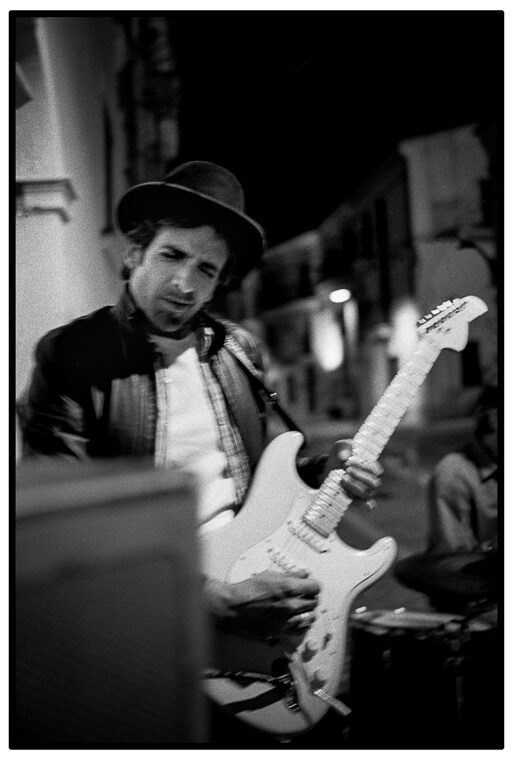
This process, while cost-efficient, introduces "happy accidents" or technical risks. Vintage canisters, some 30 to 50 years old, may suffer from light leaks if the seals are compromised. In a journalistic context, these leaks are often viewed not as failures but as unique artifacts of the medium that add a "je ne sais quoi" to the image—a visual texture that digital filters struggle to replicate authentically. Furthermore, the act of self-developing and using an enlarger in a darkroom provides the photographer with total control over the contrast and grain of the final print, a level of craftsmanship that is increasingly rare in the era of instant social media uploads.
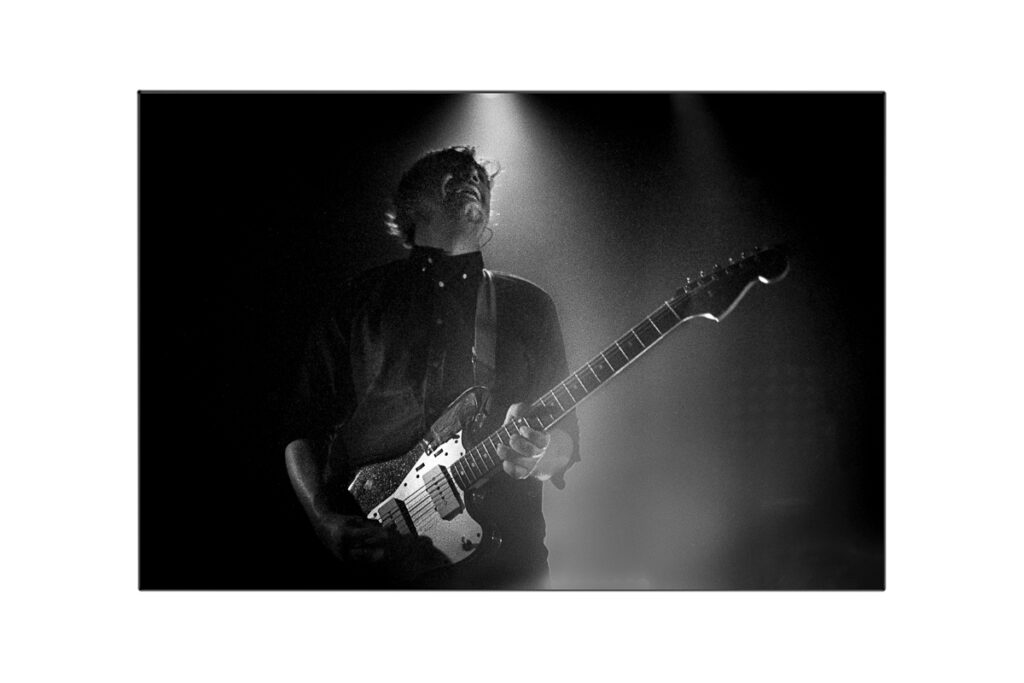
Psychological Impact and the "Decisive Moment"
The shift to film fundamentally alters the photographer’s relationship with the music. Critics of the digital method argue that constant attention to the camera’s screen dulls the senses and disconnects the artist from the "collective experience" of the concert. In contrast, the analog photographer, limited by the 36 exposures on a roll, must be more present. They are not merely observers but participants in the musical frequency.
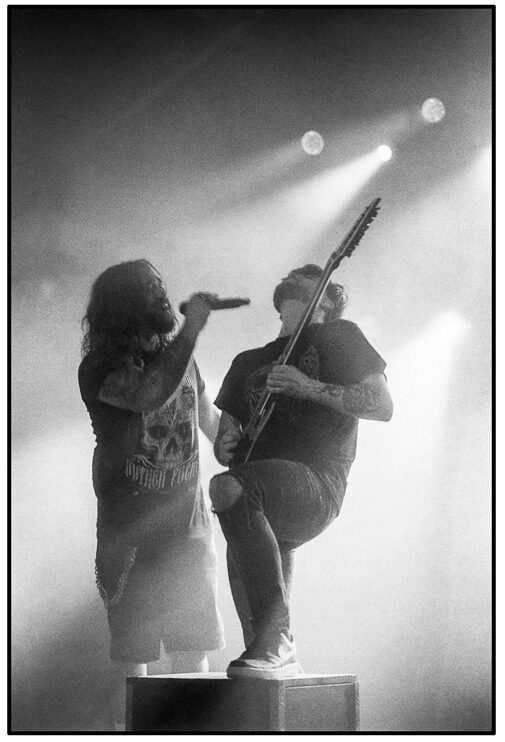
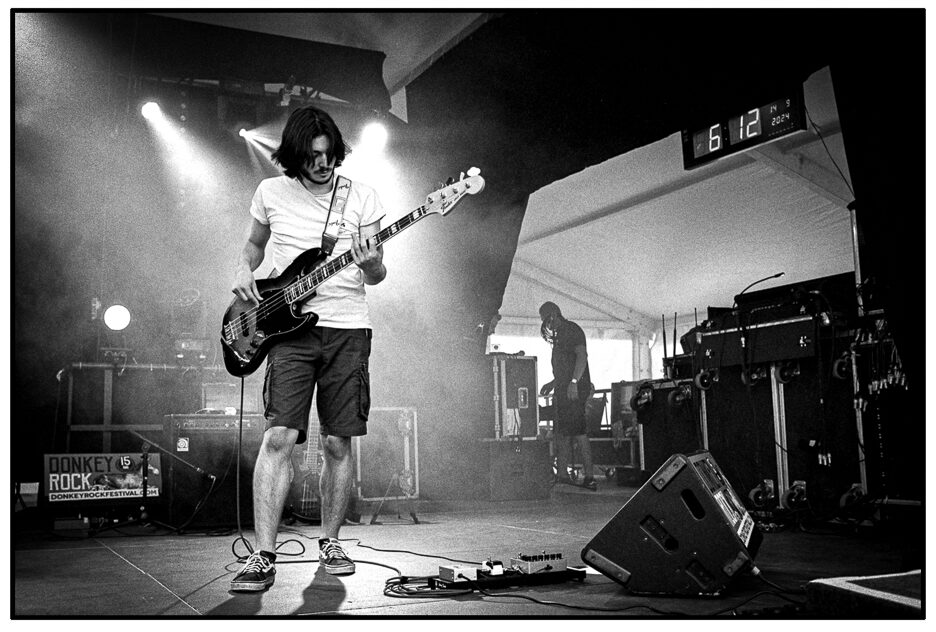
Data from artisanal photography workshops suggests that film photographers take significantly fewer images per event—often reducing the count from 1,000 digital frames to perhaps three or four rolls of film—yet their "keeper rate" (the percentage of high-quality, usable images) often increases. This is attributed to the "wait and see" approach, where the photographer waits for the peak of emotion and the perfect alignment of stage lights before committing to a shot.
Broader Implications for the Music and Arts Industry
The resurgence of analog techniques has broader implications for the music industry’s archival quality. Film has a proven archival lifespan of over a century when stored correctly, whereas digital file formats and storage media are subject to rapid obsolescence and bit rot. Musicians and venue organizers have noted a growing preference for the "intimate" and "raw" feel of film photography, which they feel better captures the soul of live performance.
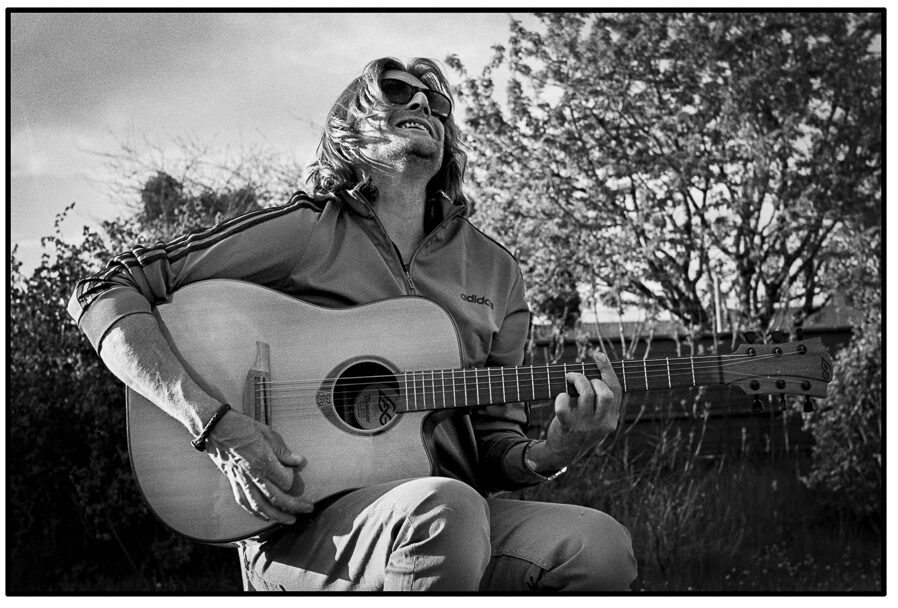
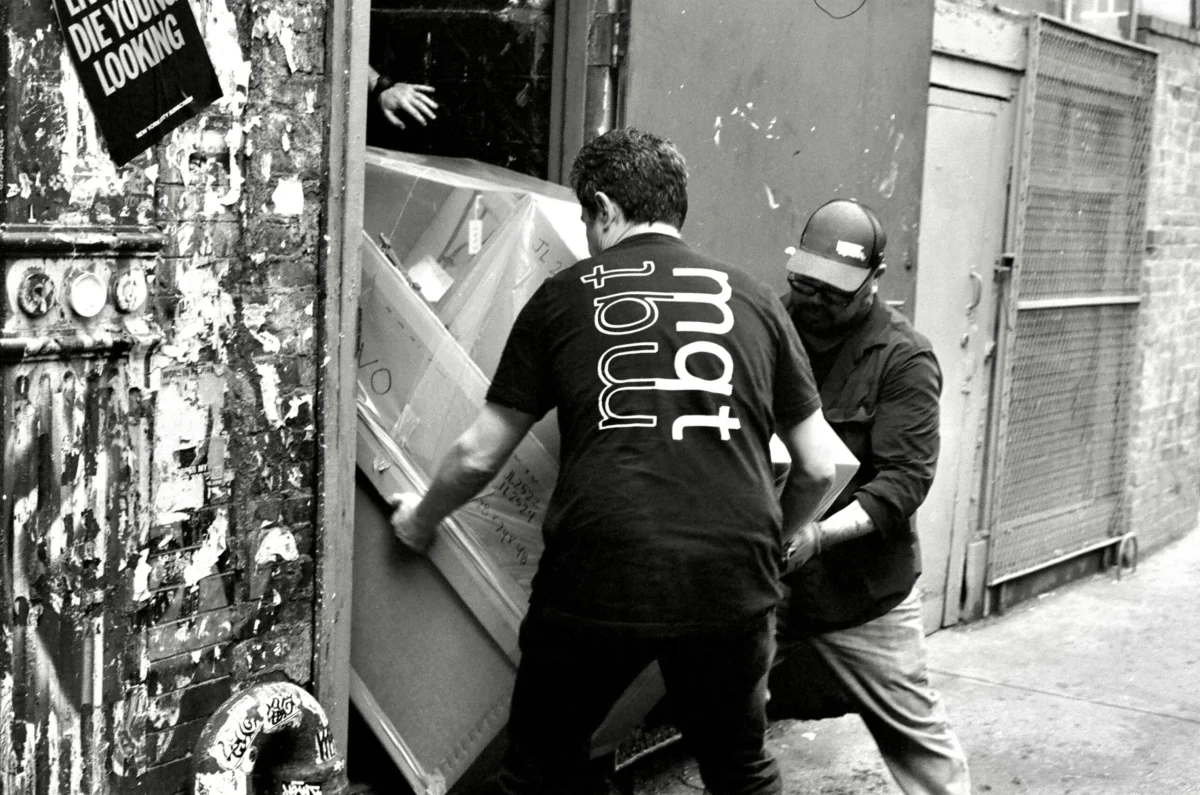
Furthermore, the social ecosystem of small venues is being revitalized by this craft-centric approach. Photographers who spend time eating with performers and understanding their setlists are able to capture candid, behind-the-scenes moments that go beyond the standard "mic-in-face" shot. This relationship-based journalism results in a more holistic documentation of the music scene, capturing the "life outside the music"—the audience, the organizers, and the quiet moments of preparation.
Conclusion: The Future of the Analog Aesthetic
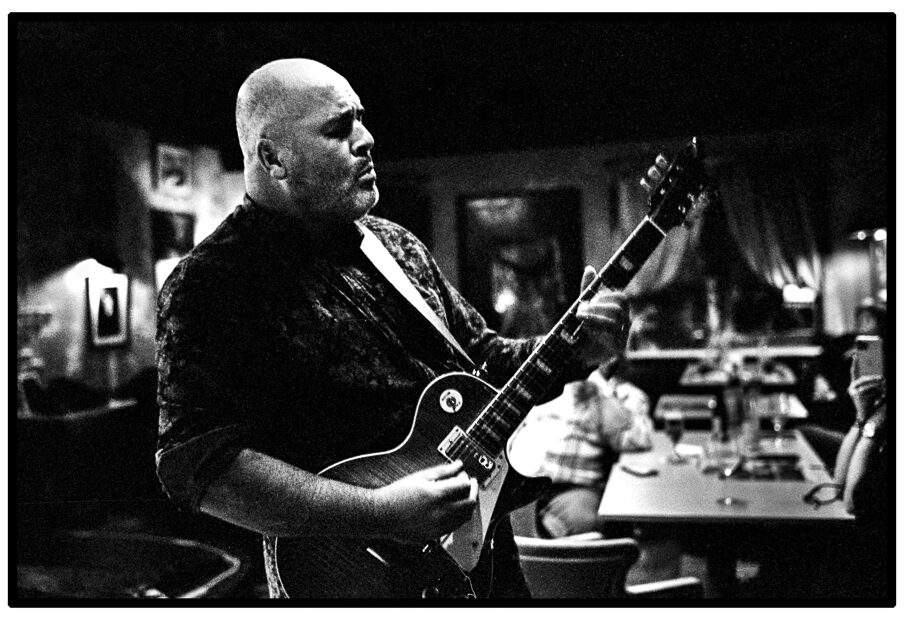
As we look toward the future of visual journalism, the analog revival in concert photography serves as a reminder that technical progress is not always a linear path toward automation. The demand for "emotion over perfection" suggests that the human element—the photographer’s ability to sync with the performer’s heartbeat—remains the most critical component of the image.
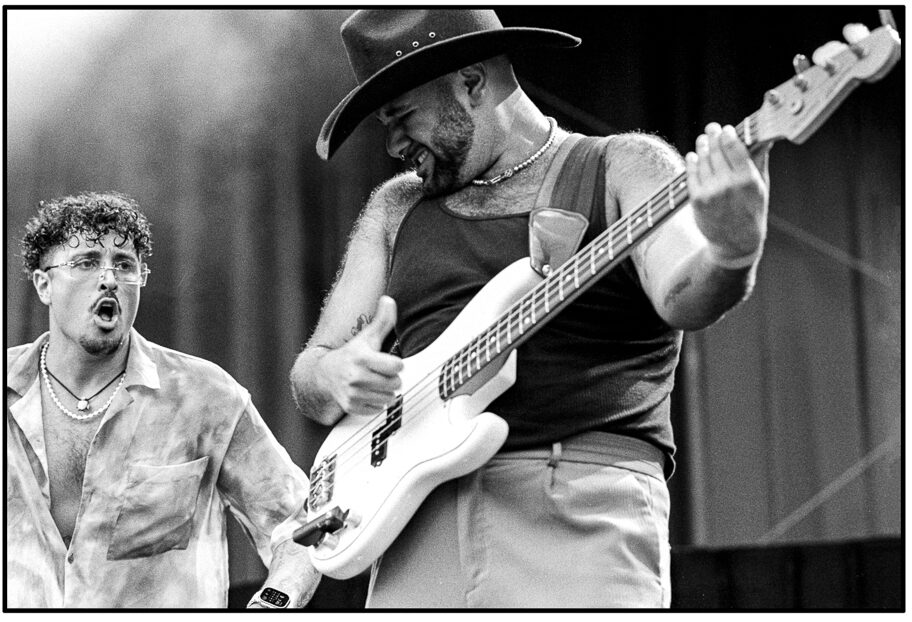
While digital photography will continue to dominate the fast-paced world of news wire services and social media, analog film has carved out a permanent home in the artistic and archival documentation of music. By mastering the basics of exposure, focus, and composition through the rigorous lens of film, a new generation of photographers is ensuring that the visceral energy of the live stage is preserved with the depth, grit, and soul it deserves. The "catastrophic" failures of the past have become the foundations for a sophisticated, instinctual future in the pit.