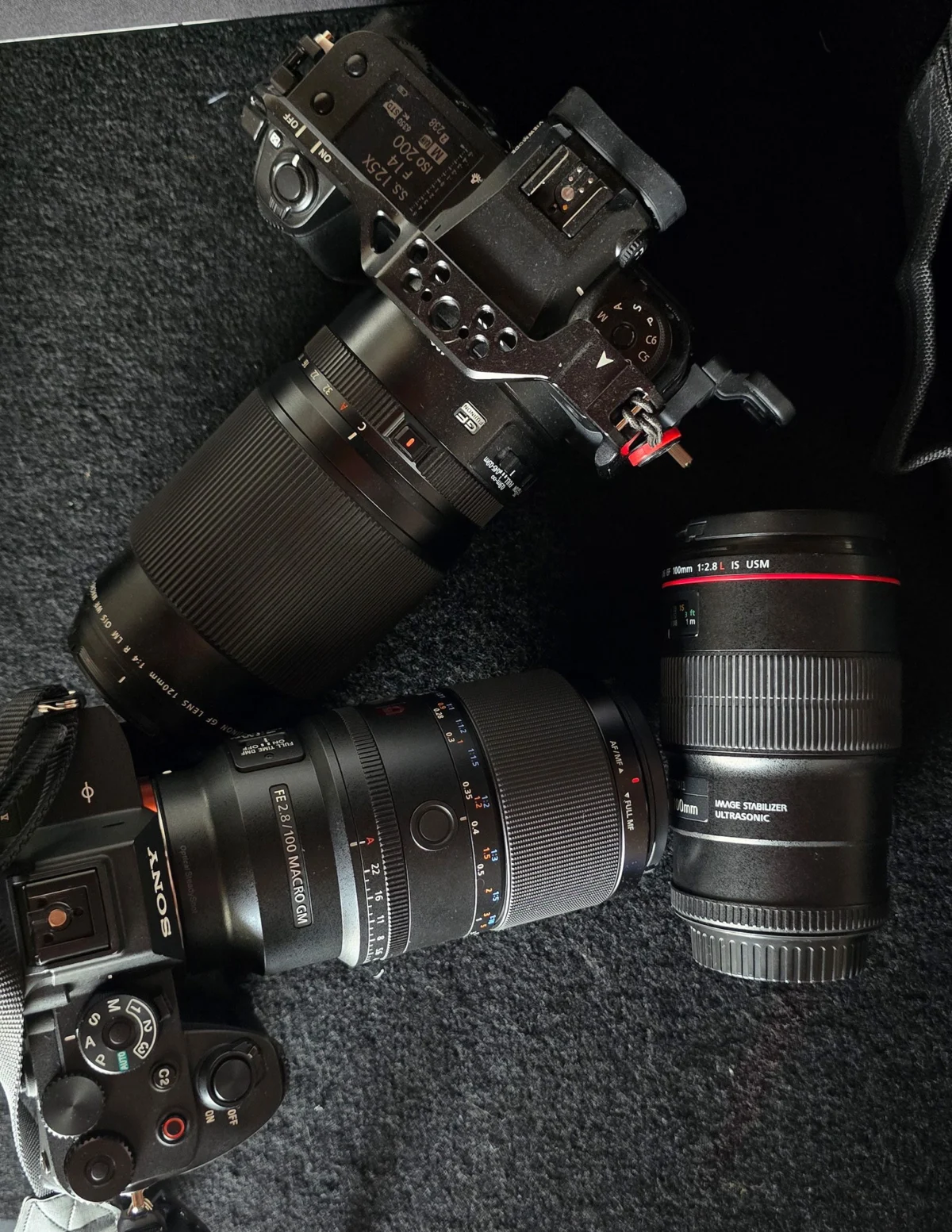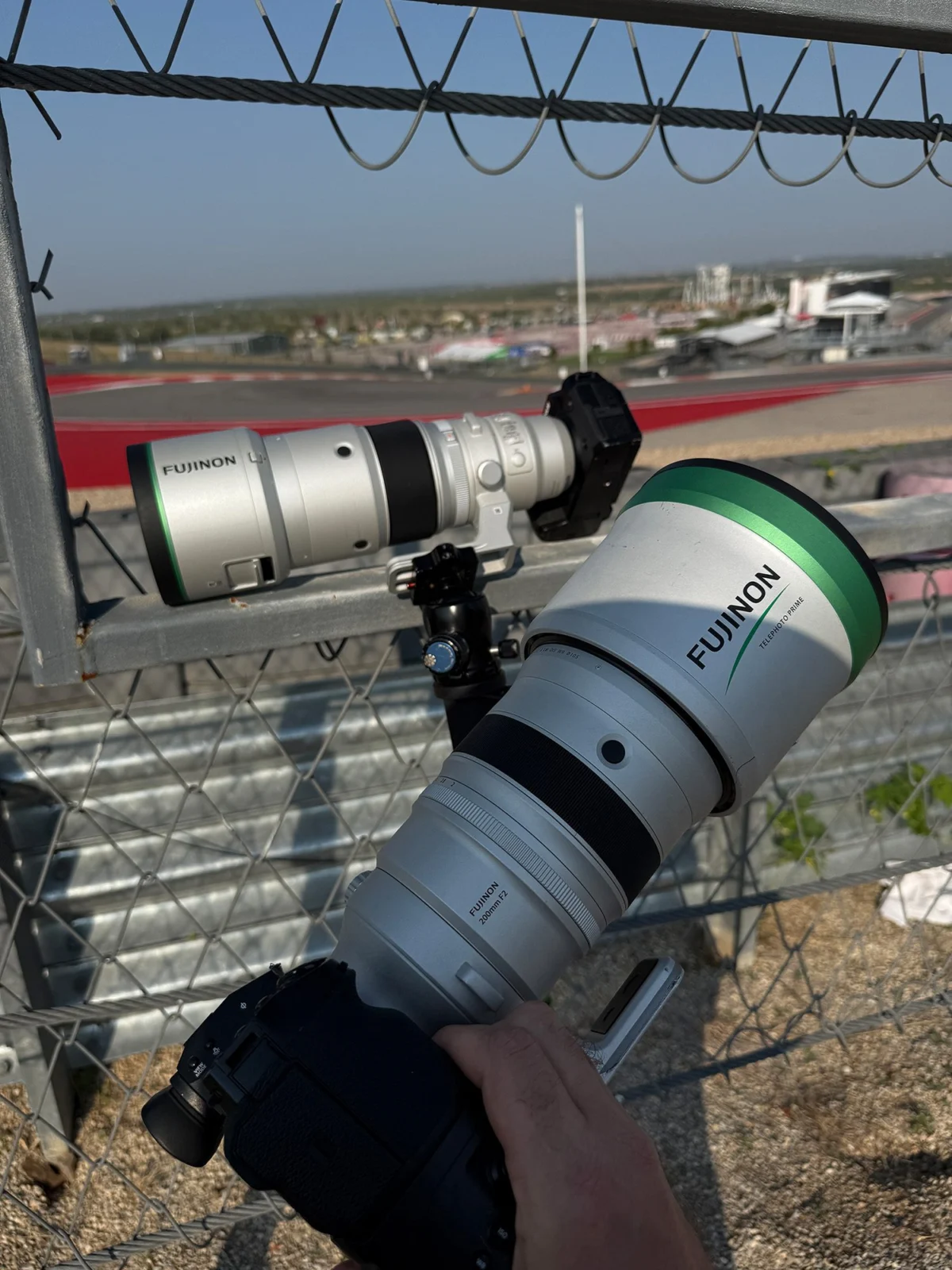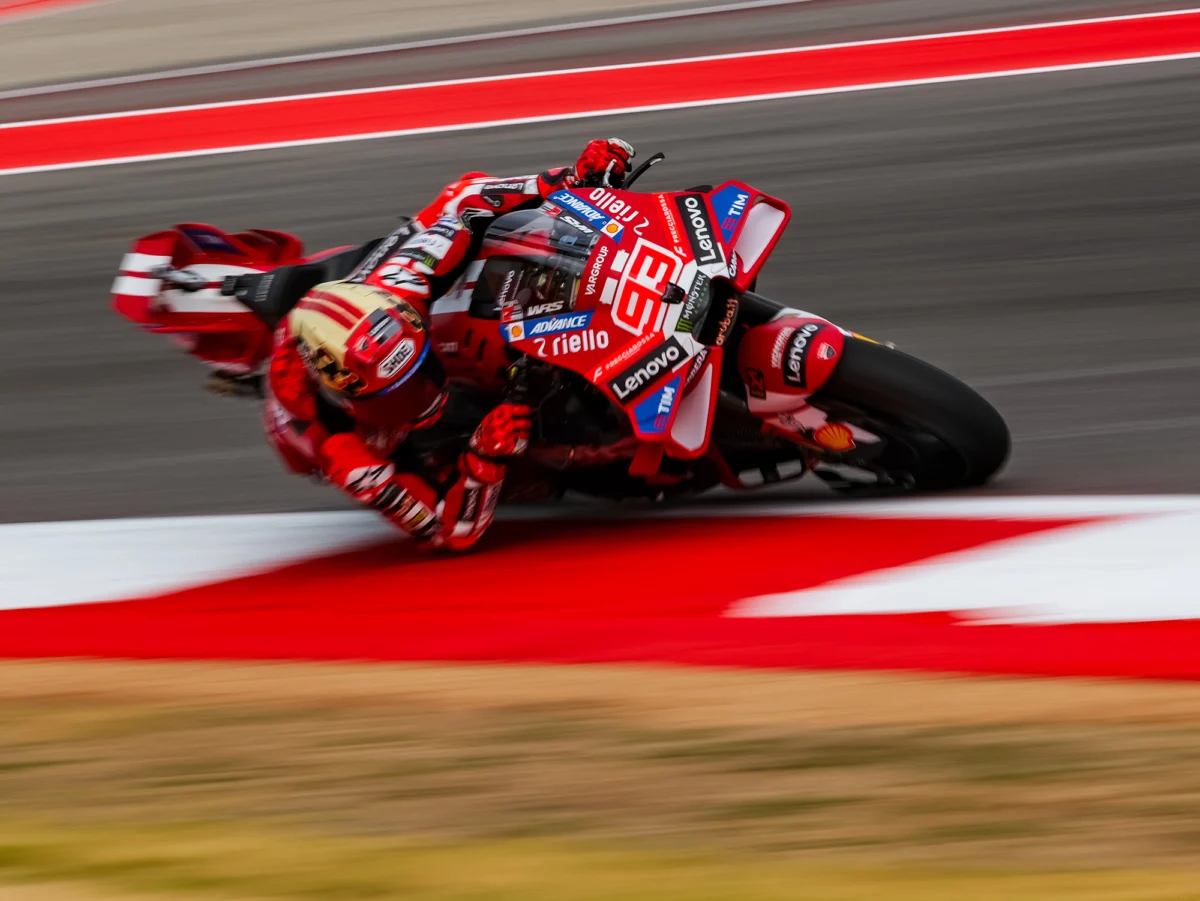
The recent MotoGP event at the Circuit of the Americas (COTA) saw an unconventional photographic experiment unfold, as a photographer challenged the established norms of high-speed action capture by deploying a Fujifilm GFX100S II medium-format camera alongside conventional sports photography setups. While traditionally considered ill-suited for the rapid demands of motorsport, the GFX100S II, a camera lauded for its immense image fidelity rather than its burst speed, delivered a nuanced performance, offering unparalleled detail in certain contexts while highlighting the inherent trade-offs in dynamic environments. This initiative provides valuable insights into the evolving capabilities of medium format systems and their potential, albeit specialized, role in demanding professional applications.
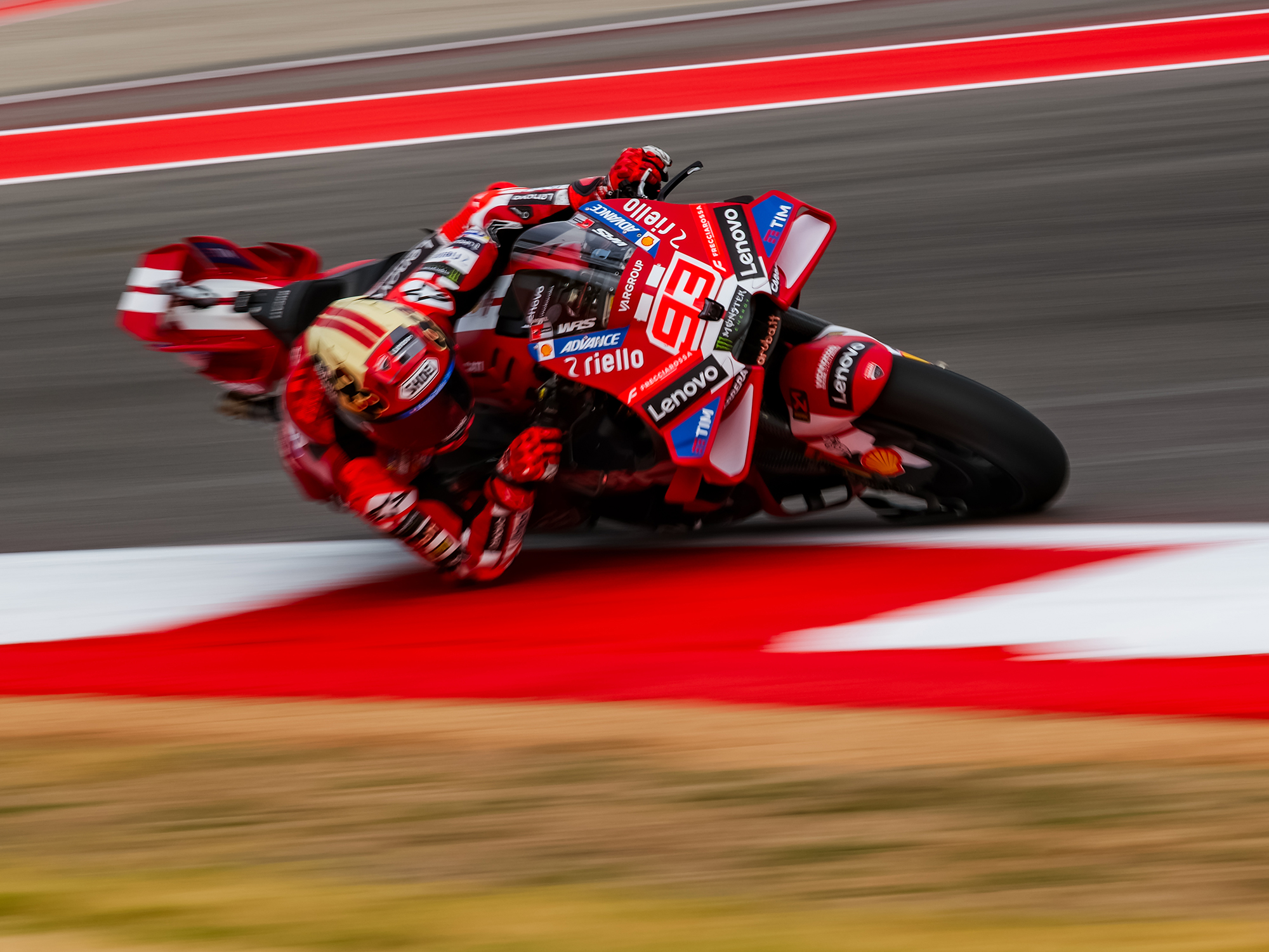
The Arena: MotoGP at Circuit of the Americas
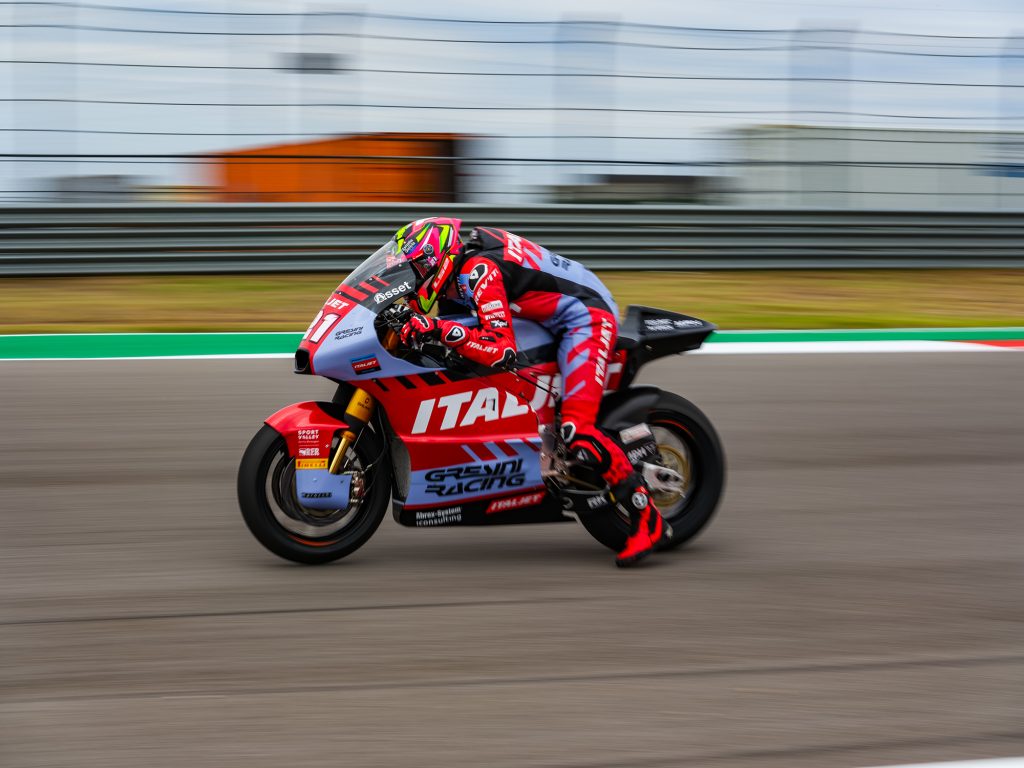
MotoGP stands as the pinnacle of two-wheeled motorsport, a global spectacle renowned for its blistering speeds, daring overtakes, and razor-thin margins of victory. Each race weekend presents a formidable challenge for photographers, requiring a blend of technical prowess, anticipatory skill, and robust equipment capable of freezing motion at speeds exceeding 200 mph. The Circuit of the Americas, a purpose-built F1-grade track in Austin, Texas, is particularly demanding, featuring a diverse layout of high-speed straights, technical corners, and significant elevation changes. Its iconic Turn 1, a steep uphill left-hander, is a prime example of the dynamic scenarios photographers must contend with, capturing riders at extreme lean angles against complex backgrounds.
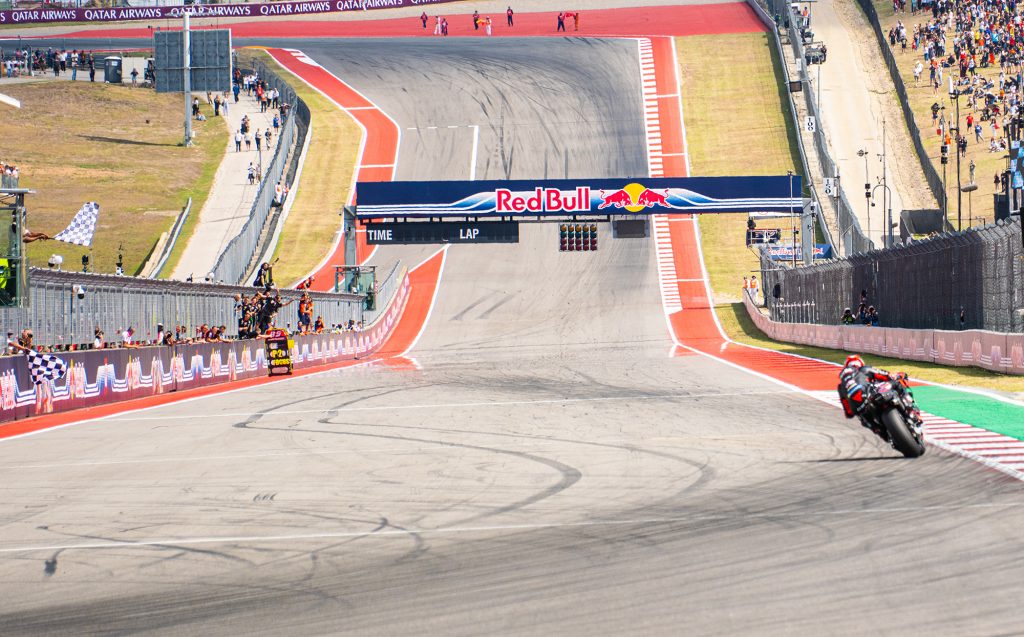
For a photographer intimately familiar with COTA’s intricacies, such as its unique vantage points, lighting conditions throughout the day, and optimal shooting lines for various vehicle types, this "home court advantage" is invaluable. This deep understanding of the track’s flow and photographic potential becomes even more critical when deploying a camera system that demands deliberate composition and precise timing over sheer rapid-fire capability.
The Contenders: Medium Format vs. Action Flagship
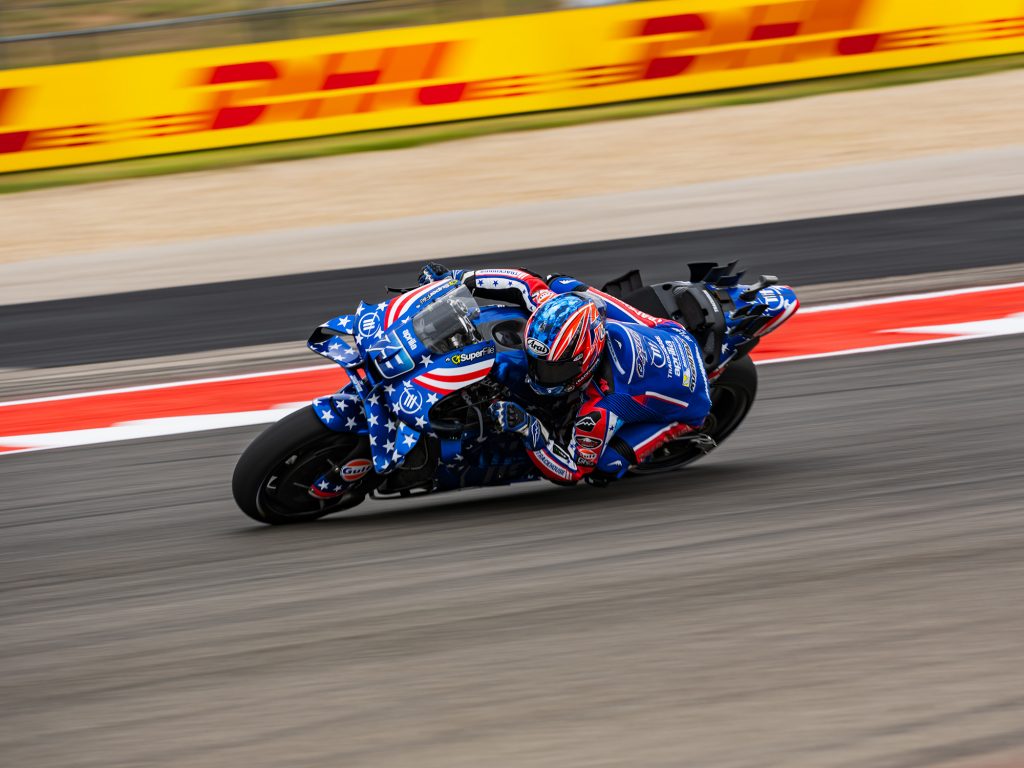
At the heart of this photographic endeavor was a comparative study between two distinct Fujifilm camera systems. The primary workhorses for high-speed track photography are typically cameras like the Fujifilm X-H2S. This flagship X-series model is engineered for speed, featuring a 26.1-megapixel APS-C stacked BSI CMOS sensor and the powerful X-Processor 5. This combination enables impressive continuous shooting speeds of up to 40 frames per second (fps) with its electronic shutter and 15 fps with the mechanical shutter. Crucially, its advanced subject-detection autofocus system, trained with deep-learning AI, is designed to tenaciously lock onto fast-moving subjects like motorcycles and riders, providing the high hit rates essential for professional action photography. The X-H2S serves as the benchmark against which the medium-format system’s performance was evaluated.
In stark contrast, the Fujifilm GFX100S II represents a different philosophy. Housing a massive 102-megapixel, 43.8×32.9mm large-format sensor, it is primarily designed for maximum image fidelity, delivering extraordinary detail, tonal depth, and dynamic range. While it also incorporates the advanced X-Processor 5, its architecture is optimized for processing immense data loads per frame rather than achieving ultra-high frame rates. Its deployment at a MotoGP event, traditionally the domain of smaller-sensor, high-speed cameras, was therefore a deliberate "fool’s errand" – an intentional test of its adaptability and the photographer’s skill in leveraging its strengths despite its perceived limitations.
Operational Integration and Ergonomics
A significant advantage in integrating the GFX100S II into an existing Fujifilm workflow was the shared menu logic and ergonomic philosophy across both the GFX and X-series systems. The photographer was able to replicate custom settings from the X-H2S onto the GFX100S II with relative ease, a testament to Fujifilm’s consistent user interface design. This included setting up custom modes for shutter priority (for tracking sharp freezes and motion pans) and aperture priority (for paddock and grid work), mirroring the established workflow.
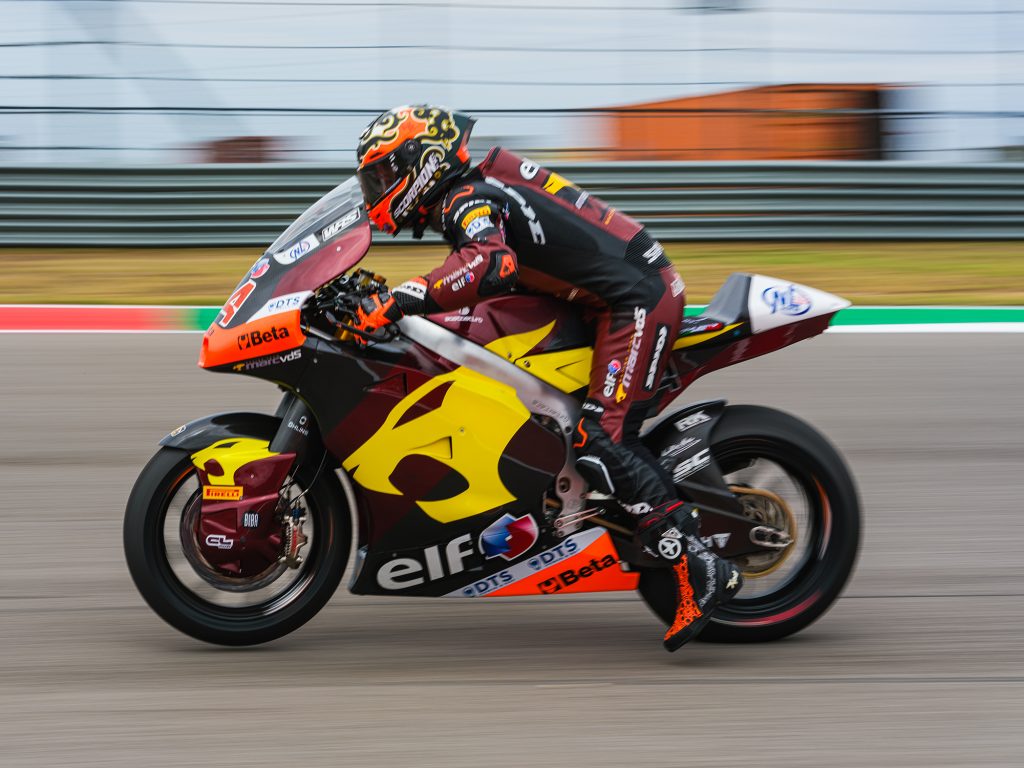
While the GFX100S II accommodates six custom positions on its mode dial, facilitating a clean and intuitive workflow, minor ergonomic differences were noted. Specifically, the FN button layout on the GFX100S II features two top-mounted buttons, differing from the X-H2S’s additional body-side button often mapped for instant subject-detection AF recall. These subtle variations, though minor, require slight adjustment in muscle memory during fast-paced shooting scenarios.
For lenses, the Fujifilm GF 100-200mm F5.6 R LM OIS WR was selected for the GFX100S II. Due to the GFX system’s 0.79x crop factor relative to 35mm full frame, this lens provides an effective field of view approximately equivalent to 79-158mm. This range proved remarkably versatile, akin to the Fujifilm XF 50-140mm F2.8 on the X-H2S, covering everything from the expansive main straight to the more intimate confines of the paddock. The lens choice underscored an intention to work within familiar focal lengths, minimizing variables in the comparative assessment.
Autofocus Performance: A Nuanced Assessment
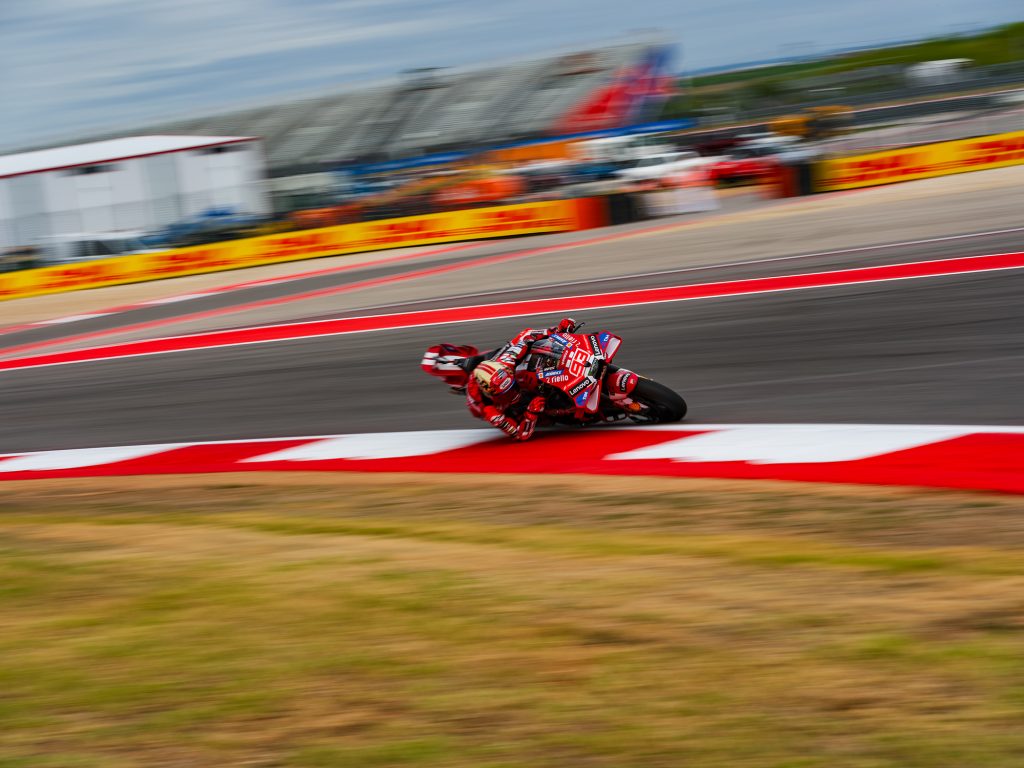
The most significant technical hurdle for the GFX100S II in a MotoGP environment was its autofocus performance. The camera boasts a significantly improved AF algorithm over its predecessors, with deep-learning AI enabling official subject detection for motorcycles and bikes. In practical application during the race weekend, the system performed better than initial expectations, demonstrating reasonable reliability in tracking riders through corners and across varying backgrounds.
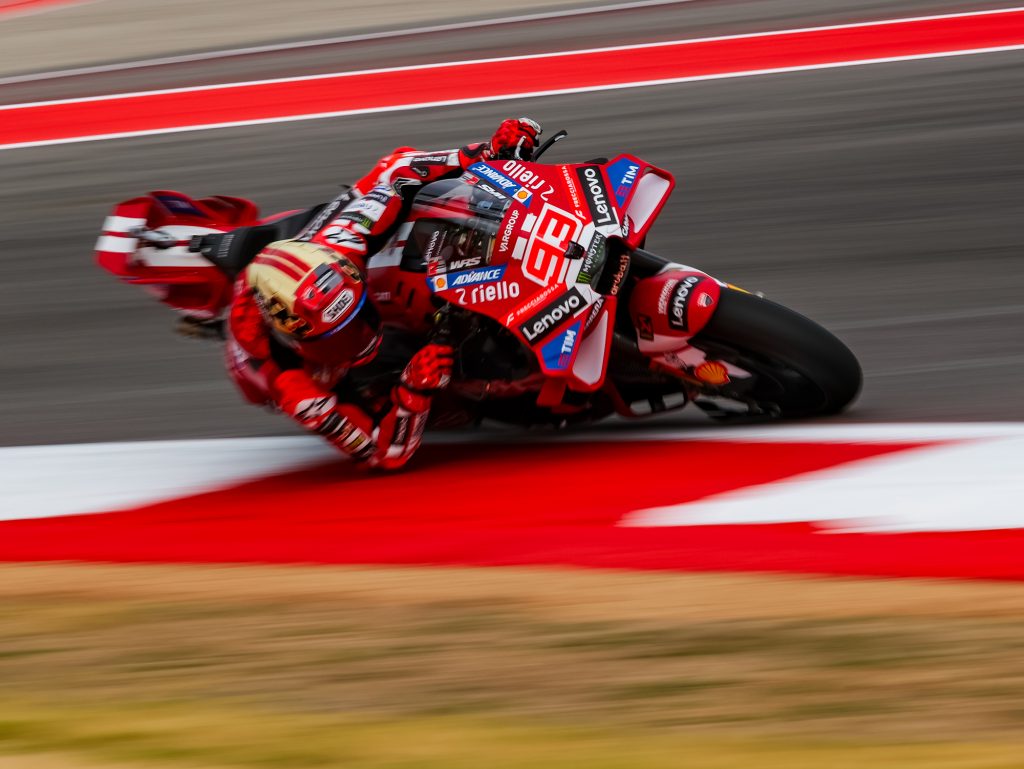
However, a direct comparison to the X-H2S, even with identical AF-C settings, revealed discernible differences. The GFX100S II’s autofocus was not as "sticky" or tenacious in its subject retention, particularly during the most demanding sequences, such as high-speed braking zones or when riders entered the frame laterally at pace. Hit rates in these critical moments were noticeably lower. While both cameras share the X-Processor 5 engine, the GFX system, with its larger sensor and greater data processing requirements per frame, exhibited a slight lag in response time and overall subject retention. This gap, though not disqualifying for all scenarios, represents a real operational constraint in a high-volume, high-speed environment where fractions of a second dictate success or failure.
The Buffer Wall: A Fundamental Constraint
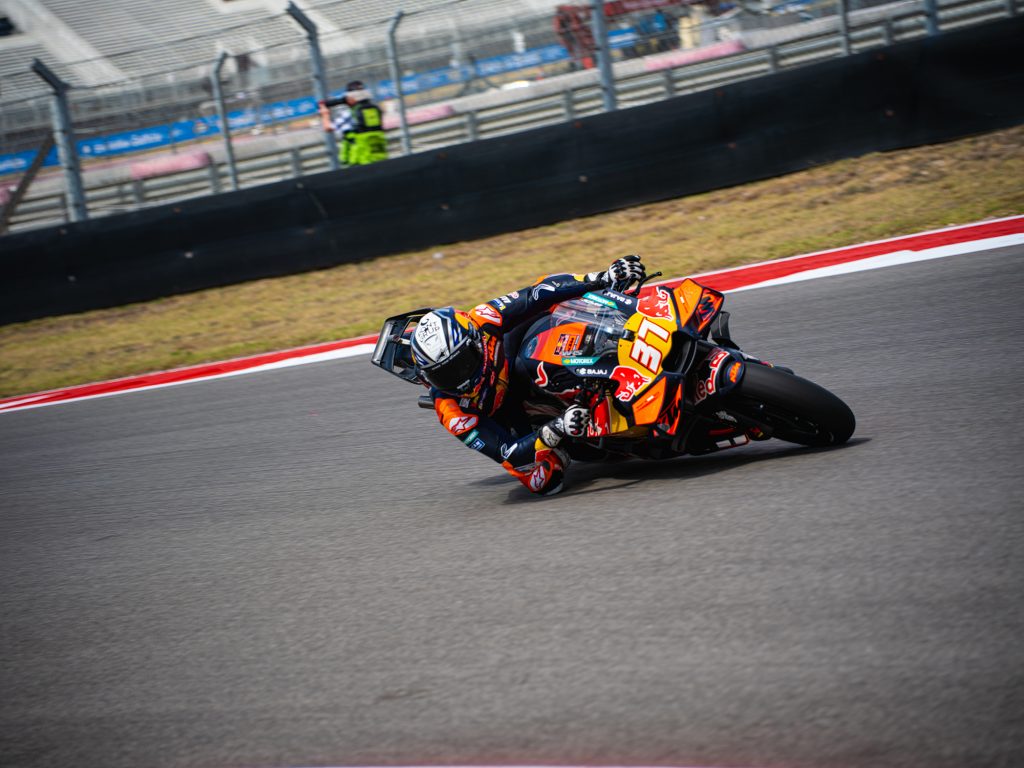
The practical limitations of the GFX100S II became most evident when confronting its buffer capacity and sustained shooting speeds. Operating at its maximum mechanical shutter speed of 7 fps, the camera generates enormous RAW files – either 14-bit or 16-bit from its 102-megapixel sensor. Even when paired with fast UHS-II memory cards, the buffer fills rapidly. Shooting lossless-compressed RAW, the camera allows approximately 19 frames before a noticeable slowdown in burst rate. For uncompressed RAW files, this capacity drops to around 16 frames. Opting for compressed RAW offers a more generous buffer of roughly 30 frames, but even this equates to less than five seconds of continuous shooting before the camera requires time to write data to the card.
This buffer limitation fundamentally alters the photographic approach. Unlike the "spray and pray" methodology often employed with high-speed action cameras, the GFX100S II demands a more deliberate, anticipatory style. Photographers must acutely "read the race," predict the decisive moment, and commit to capturing a shorter, more precisely timed burst. This discipline, while not inherently a flaw, is a significant operational constraint in an environment where a rider’s perfect apex moment or a dramatic overtake can unfold and conclude in a mere fraction of a second.
Unmatched Image Fidelity: The GFX100S II’s Undeniable Advantage
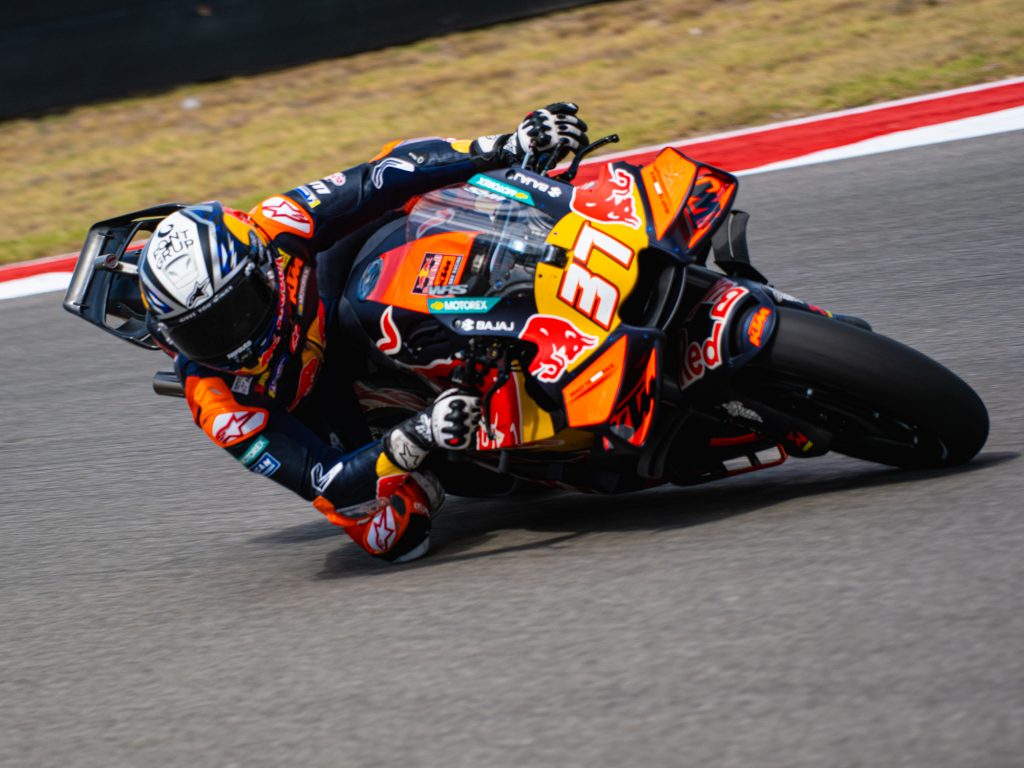
Despite its limitations in high-speed continuous shooting and autofocus tenacity, the Fujifilm GFX100S II truly distinguishes itself through its unparalleled image quality. The 102-megapixel sensor, coupled with redesigned microlenses, produces files that exhibit an extraordinary depth of tone, tridimensionality in color gradation, and a resolving power that stands in a class apart from smaller-format systems, including full-frame and APS-C. The sheer physical size of the sensor, measuring 55mm diagonally, is a key factor, enabling a tonality and subtle rendering of light and shadow that is inherently difficult to replicate in a smaller format.

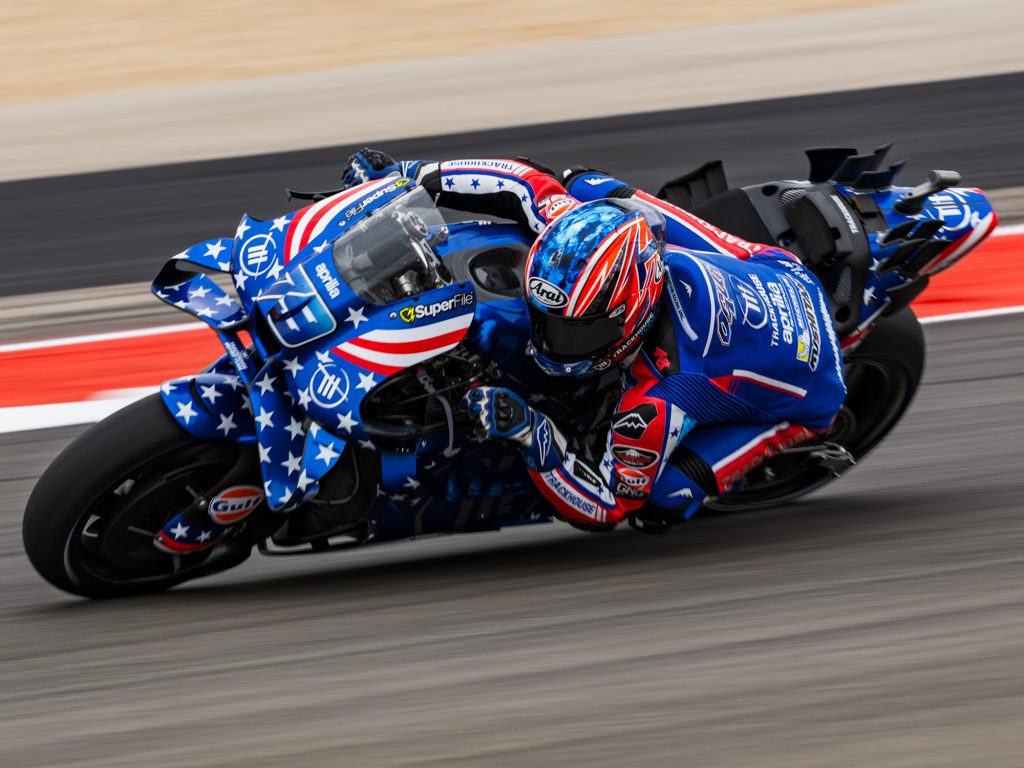
A striking observation was the disparity between the on-camera review and the final processed image. What appeared merely "fine" on the camera’s rear screen would "open up entirely" when viewed on a high-resolution display like a 27-inch Studio Display. Textural details, such as the weave of rider leathers, the subtle heat shimmer emanating from exhausts, or individual spectators sharply rendered in backgrounds previously assumed to be soft, became vividly apparent. This post-production revelation underscored the vast amount of data captured by the large sensor.
The GFX100S II also supports ISO 80 as its standard minimum sensitivity, enabling the capture of 16-bit images with remarkably wide dynamic range. This proved invaluable in the high-contrast conditions frequently encountered at a bright race circuit, preserving detail in both extreme highlights and deep shadows. Furthermore, the camera features a highly effective 5-axis in-body image stabilization (IBIS) system, rated at up to 8.0 stops. This, the most powerful IBIS Fujifilm has integrated into a GFX body, greatly enhanced handheld work in the paddock and on the grid, providing fluid and confident shooting, particularly when using the longer end of the GF100-200mm lens.
Strategic Niche: The Paddock and Beyond
While trackside deployment of the GFX100S II required a more disciplined and selective approach, its capabilities truly shone away from the intense action. In the more controlled environments of the paddock, on the starting grid, or during post-race podium celebrations, the camera became an absolute asset. Here, the ability to frame deliberately, rely on the robust autofocus for static or slow-moving subjects, and capture images with immense detail proved invaluable.
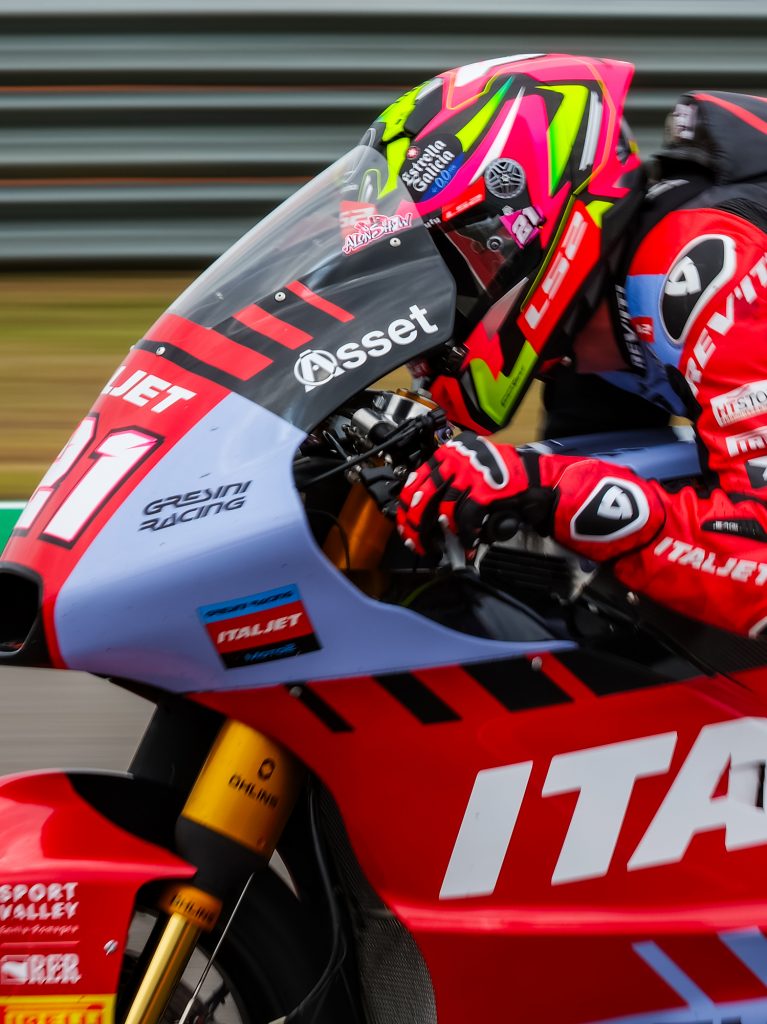
The 102-megapixel resolution offers unprecedented post-production flexibility. A tightly framed portrait of a rider on the grid, for instance, could be dramatically cropped to focus solely on their eyes above the visor without any discernible loss of resolution or introduction of artifacts. This capability provides a level of creative freedom that is genuinely liberating for photographers, allowing for precise refinement of composition long after the shutter has been pressed.
Conclusion: A Complementary Tool in the Professional Kit

The experience of deploying the Fujifilm GFX100S II at MotoGP COTA makes a compelling case for its inclusion in a professional photographer’s kit, not as a direct replacement for high-speed action cameras like the X-H2S, but as a deliberate and powerful complement. For applications where image quality is paramount and speed is secondary – such as landscape, portraiture, studio, fashion, and editorial work – the GFX100S II is an exceptionally capable tool. Its remarkable portability for a medium-format system, weighing only 883g with battery and card, further enhances its utility across diverse assignments.
At the racetrack, the GFX100S II serves a highly specialized role: a "secret weapon" third body reserved for those precise moments when uncompromising image quality takes precedence over rapid-fire capability. These include the meticulously composed shots during a grid walk, the celebratory scenes on the podium, or the carefully anticipated singular image captured from a quiet corner of the track. For these specific scenarios, the depth, detail, and tonality produced by this medium-format sensor remain unmatched within the Fujifilm ecosystem and beyond. However, when the starting lights extinguish and the thunderous field of motorcycles accelerates into Turn 1, the high-speed agility and tenacious autofocus of the Fujifilm X-H2S will remain the indispensable choice for capturing the dynamic essence of MotoGP. This experiment underscores the growing specialization of photographic tools, where different systems excel in distinct domains, offering professionals a broader palette to achieve their creative and technical objectives.