When the conversation in photographic circles turns to lighting, the immediate inclination for many practitioners is to seek out softness and diffusion. The prevailing wisdom often steers photographers towards techniques that minimize harsh shadows and create a flattering, gentle illumination. This typically involves employing modifiers like softboxes and umbrellas, or strategically positioning subjects to capture the diffused light of an overcast sky. However, a paradigm shift is emerging, championed by renowned photographer Roberto Valenzuela, who advocates for the powerful, often overlooked, potential of hard light in creating truly dynamic and unforgettable portraits.
Valenzuela’s insights are now being made widely accessible through his comprehensive "Dynamic Lighting Masterclass," available on the WPPI On Demand platform. This course promises to equip photographers with the knowledge and skills to move beyond conventional lighting approaches and unlock a new level of artistic expression. This article delves into the core principles of Valenzuela’s teachings, exploring the nuanced power of hard light and providing actionable advice for photographers aiming to elevate their craft.
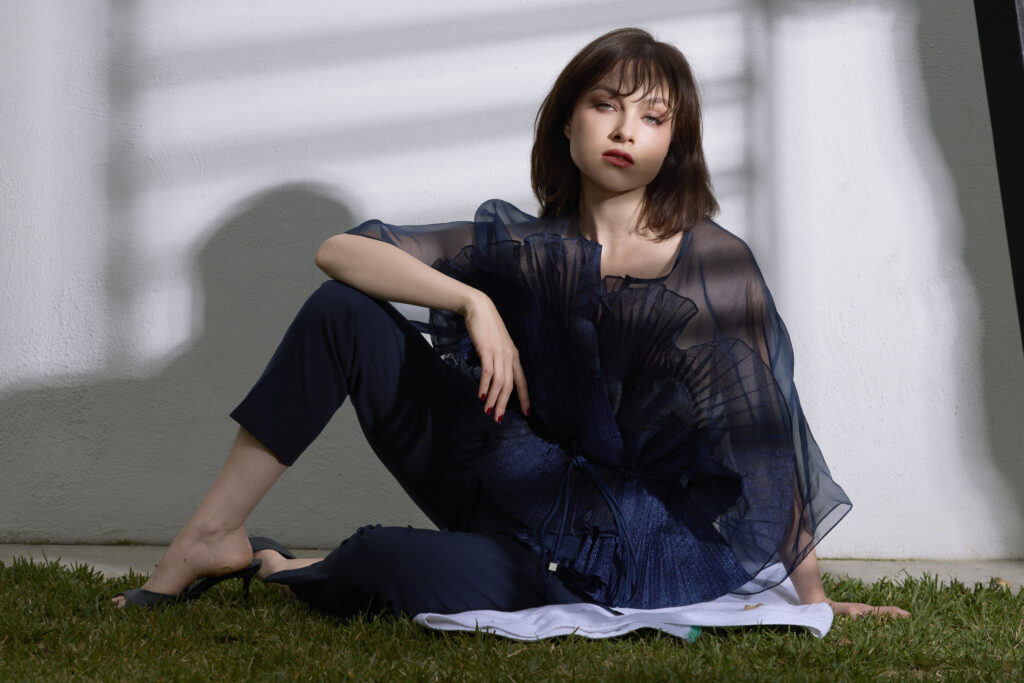
The Misunderstood Power of Hard Light
The common perception of hard light is that it is inherently difficult to control and often unflattering, leading to overly contrasty images with unflattering shadows. Roberto Valenzuela directly challenges this notion, asserting that hard light, while demanding a different approach, is not necessarily more difficult to master. "Hard light gets a bad reputation because it’s more difficult to use," Valenzuela states. "But it’s not really difficult. If you have some control over your subjects, hard light is going to look ten times more dynamic, ten times more amazing."
The key to harnessing hard light, according to Valenzuela, lies in understanding its inherent characteristics and how they can be leveraged to create visually arresting images. Unlike soft light, which wraps around a subject and minimizes textural detail, hard light produces sharp, defined shadows and bright highlights. This creates a sense of drama, volume, and depth that can be incredibly impactful. The intensity and directionality of hard light can sculpt the subject’s features, emphasizing bone structure, defining contours, and adding a palpable three-dimensionality to the portrait.
Valenzuela elaborates on the transformative effect of hard light, noting its ability to produce images with:

- Dramatic Contrast: The stark difference between light and shadow naturally draws the viewer’s eye and creates a sense of visual tension.
- Sculptural Form: Hard light carves out the subject, defining their features and giving them a powerful presence.
- Intensified Mood: The inherent drama of hard light can be used to convey a wide range of emotions, from intense focus to quiet contemplation.
- Unique Visual Appeal: In an era where diffused light is ubiquitous, images rendered with well-executed hard light stand out, capturing attention and sparking curiosity.
"People are going to look at the photo, and they can’t stop looking at it," Valenzuela explains. "There’s something beautiful about it because it’s not normal to see lighting like that." This statement underscores the idea that by deviating from the norm and mastering a more challenging technique, photographers can create work that is not only technically proficient but also artistically compelling and memorable.
Essential Gear and Control: The Grid Modifier
A crucial piece of advice from Roberto Valenzuela regarding the use of hard light modifiers centers on an often-overlooked accessory: the grid. Valenzuela emphasizes that investing in a hard light modifier without its accompanying grid is a fundamental mistake, akin to purchasing a car without a steering wheel. "Hard modifiers without a grid is like a car without a steering wheel," he warns. "If you can’t afford the grid, then don’t buy the modifier at all because it’s a waste of your money."
The necessity of the grid lies in its ability to control light spill. Hard light sources, by their nature, emit light in a broad direction. Without a grid, this light can indiscriminately illuminate the background and surrounding environment, diluting the impact of the intended lighting on the subject and compromising the separation between the subject and their backdrop. Grids, typically honeycomb-like structures, are placed in front of the light source to narrow the beam of light, directing it precisely where the photographer intends it to fall.

This focused illumination is critical for several reasons:
- Subject Isolation: By controlling light spill, photographers can ensure that the light primarily illuminates the subject, creating a clear distinction between them and the background. This enhances the subject’s prominence and prevents distracting elements from pulling the viewer’s attention away.
- Background Control: The ability to keep the background darker or less illuminated allows for greater creative control over the overall mood and composition of the image.
- Shadow Placement: Grids help to manage the direction and intensity of shadows, allowing for deliberate placement that contributes to the desired aesthetic.
- Cost-Effectiveness: Valenzuela’s advice highlights a practical aspect of photography gear acquisition. By prioritizing the grid, photographers ensure they can effectively utilize their modifiers, thus maximizing their investment and avoiding the purchase of equipment that may not yield desired results without proper control.
This emphasis on control underscores Valenzuela’s philosophy: that mastering light is not just about applying it, but about understanding its behavior and directing it with precision.
The "Batman and Robin" Technique: A Dynamic Duo
Valenzuela introduces a particularly innovative lighting approach he terms the "Batman and Robin" technique. This strategy involves the interplay of two distinct light sources, one embodying the powerful, dramatic presence of Batman, and the other the more supportive, yet essential, role of Robin.

The core concept involves using a hard light source as the primary "Batman" light. This light is positioned to create the dramatic shadows and defined highlights characteristic of hard lighting. It sculpts the subject and establishes the dominant mood of the portrait.
Complementing this is a secondary light, the "Robin" light. This light can be either a medium or soft light source. Its purpose is not to compete with the primary hard light but to act as a subtle fill. It is used to gently lift the deepest shadows created by the hard light, ensuring that crucial detail is not lost and that the overall image maintains a pleasing tonal range.
Valenzuela explains the synergy: "You don’t have to, but it works quite well to do it with two sources of light, a hard one and a medium or soft one." This combination is not about negating the impact of the hard light but about refining it. The hard light provides the visual punch and defines the form, while the fill light ensures the image is not rendered as a mere silhouette or a collection of impenetrable dark areas.

The benefits of this "Batman and Robin" approach are numerous:
- Controlled Drama: The hard light introduces the desired drama and impact, while the fill light prevents the image from becoming overly harsh or losing detail.
- Enhanced Dimension: The interplay between the dominant hard light and the subtle fill light further accentuates the three-dimensionality of the subject.
- Versatility: This technique can be adapted to a wide range of subjects and moods, offering a flexible solution for creating compelling portraits.
- Artistic Balance: It strikes a balance between the raw power of hard light and the need for nuanced rendering, resulting in images that are both striking and visually comfortable.
This method exemplifies Valenzuela’s approach to lighting: understanding the fundamental properties of light and strategically combining different sources to achieve a specific artistic vision. It moves beyond simply placing a light source and instead focuses on the intentional manipulation of light and shadow to tell a story and evoke emotion.
Beyond the Fundamentals: The Depth of the Masterclass
The "Batman and Robin" technique and the importance of grids are just introductory elements within Roberto Valenzuela’s extensive "Dynamic Lighting Masterclass." The course delves into a far more comprehensive exploration of lighting principles and practical applications, designed to empower photographers at various skill levels.

Within the masterclass, Valenzuela provides in-depth instruction on a multitude of advanced lighting concepts, including:
- Understanding Light Behavior: A foundational module that dissects the physics of light, explaining how it interacts with subjects and environments. This includes discussions on the inverse square law, the quality of light (hard vs. soft), and the directionality of light.
- Advanced Hard Light Techniques: Beyond the basic application, Valenzuela explores various ways to shape and control hard light for specific effects, such as creating rim lighting, accentuating textures, and producing dramatic silhouettes. This section likely covers the use of specialized hard light modifiers like snoots, grids, and barn doors for precise beam control.
- Mastering Light Placement and Angles: The course emphasizes the critical role of light placement in defining form and mood. Photographers learn how different angles (e.g., front lighting, side lighting, backlighting, top lighting) influence the appearance of the subject and how to use these angles strategically.
- Creative Use of Color in Lighting: Valenzuela’s expertise extends to the psychological and aesthetic impact of color. The masterclass likely explores how to use colored gels and filters to enhance mood, create thematic consistency, and add visual interest to portraits.
- Seamless Integration of Multiple Light Sources: Building upon the "Batman and Robin" concept, the course provides a framework for orchestrating complex lighting setups involving three or more lights, ensuring harmonious interaction and achieving sophisticated lighting designs.
- Practical Shooting Scenarios and Case Studies: The masterclass is enriched with real-world examples and detailed case studies, demonstrating how Valenzuela applies these techniques in various shooting environments, from studio portraits to on-location shoots. These examples serve as practical blueprints for photographers to replicate and adapt.
- Post-Production Enhancement for Lighting: While the focus is on in-camera lighting, the course likely touches upon how post-processing can complement and enhance the lighting decisions made during the shoot, ensuring the final image achieves the photographer’s intended vision.
The comprehensive nature of the "Dynamic Lighting Masterclass" suggests a curriculum designed not just to teach techniques but to foster a deeper understanding of light as a fundamental creative tool. Valenzuela’s aim is to move photographers from simply applying lighting to actively sculpting and controlling it, thereby transforming their creative output.
Transforming Your Photography: A Call to Master Light
The insights offered by Roberto Valenzuela, particularly his advocacy for hard light and his innovative "Batman and Robin" technique, represent a significant opportunity for photographers seeking to break free from conventional approaches. Mastering these techniques can undoubtedly elevate portrait photography, moving it from the realm of the competent to the extraordinary.

The availability of the "Dynamic Lighting Masterclass" on WPPI On Demand provides an accessible platform for photographers worldwide to learn directly from one of the industry’s leading experts. This course is more than just a collection of tutorials; it is presented as a transformative learning experience. As Valenzuela’s philosophy suggests, true mastery of photography often lies in embracing the techniques that others shy away from, understanding their complexities, and wielding them with precision and artistic intent.
By investing in this masterclass, photographers are not merely acquiring new skills; they are investing in the potential to create images that possess a unique power and captivating presence. The ability to shape, control, and bend light to one’s creative will is a hallmark of exceptional photography. Roberto Valenzuela’s teachings offer a clear pathway to achieving this level of mastery, encouraging photographers to explore the dramatic possibilities of hard light and unlock a new dimension in their creative vision. The message is clear: the most striking images often emerge from a willingness to experiment and a deep understanding of the fundamental elements of light.