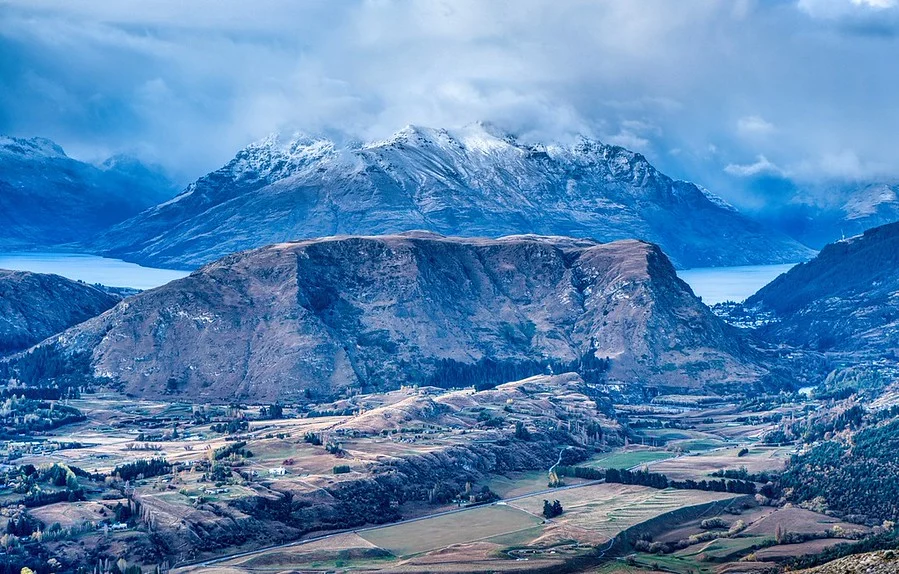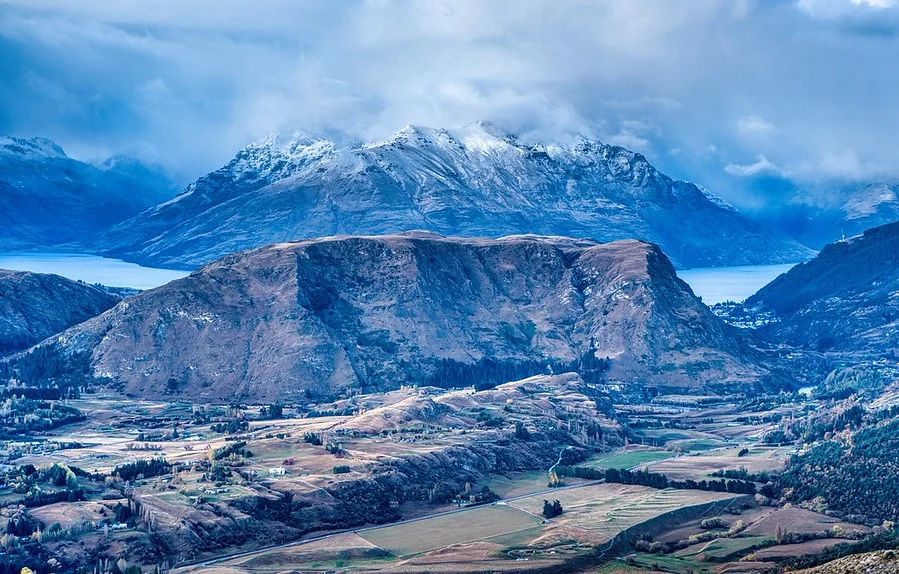
The stark beauty of "Mountain Layers," a striking photographic work, offers a visual narrative of geological grandeur and the ephemeral nature of winter’s embrace. Captured from a vantage point that surveys one mountain range extending into another, the image presents a breathtaking panorama of undulating peaks and valleys. The photographer’s annotation indicates a transition in seasons, noting the imminent disappearance of snow as spring approaches in what is described as "reverse season land." This simple observation belies a complex interplay of natural forces, atmospheric conditions, and the passage of time, all encapsulated within a single frame.
The Artistry of Mountain Layers
"Mountain Layers" is more than just a scenic photograph; it is a testament to the photographer’s ability to perceive and translate the subtle nuances of a landscape into a compelling visual experience. The term "layers" itself suggests depth and dimension, achieved through the receding lines of successive mountain ranges. Each ridge and peak is rendered with a distinct tonal quality, likely influenced by atmospheric perspective, where haze and distance soften colors and reduce contrast. This technique, known as aerial perspective, is a cornerstone of landscape painting and photography, allowing artists to create a convincing illusion of depth. In this particular image, the layering effect is pronounced, creating a sense of vastness and scale that draws the viewer into the scene. The photographer’s choice of composition, focusing on this sequential arrangement of geological formations, highlights the immense geological forces that have shaped these mountains over millennia.
Seasonal Transition: A Global Phenomenon
The photographer’s remark about "reverse season land" and the approaching end of winter is a crucial contextual clue. This suggests the photograph was taken in the Southern Hemisphere, where seasons are opposite to those in the Northern Hemisphere. As it is currently late winter or early spring in the Southern Hemisphere, the snowmelt would indeed be a prominent feature, signaling the transition towards warmer months. This seasonal shift is a universal phenomenon, dictating patterns of life, agriculture, and even human migration across the globe. In mountainous regions, the impact of seasonal change is particularly dramatic. Snowpack acts as a vital water reservoir, its gradual melt feeding rivers and streams throughout the warmer months, sustaining ecosystems and human populations downstream. The visual evidence of this snowmelt, as anticipated by the photographer, speaks to the dynamic and ever-changing nature of the natural world.
Data and Observations on Mountain Snowpack
The significance of mountain snowpack extends far beyond aesthetic appreciation. It is a critical component of water resource management in many regions. For instance, in the Western United States, snowpack in mountain ranges like the Sierra Nevada and the Rockies is the primary source of water for agriculture, urban consumption, and hydropower generation. According to the U.S. Department of Agriculture’s Natural Resources Conservation Service, snow water equivalent (SWE) measurements are taken regularly during the winter and spring to estimate the amount of water held in the snowpack. This data is crucial for forecasting water availability and managing drought conditions. The rate at which snow melts, as alluded to by the photographer, is influenced by factors such as air temperature, solar radiation, and precipitation patterns. Warmer temperatures accelerate melt, while late-season snowfall can replenish depleted snowpack. Understanding these dynamics is essential for climate change adaptation strategies, as warming trends can lead to reduced snowpack and earlier melt-off, impacting water supplies.
The Geological Narrative of Mountain Ranges
The visual progression from one mountain range to another in "Mountain Layers" hints at a grander geological narrative. Mountain ranges are not static entities; they are the product of immense tectonic forces, volcanic activity, and prolonged erosion. The formation of mountain belts, such as the Himalayas, the Andes, or the Rockies, involves the collision of tectonic plates, which buckle and fold the Earth’s crust. These processes can take millions of years, creating complex geological structures with diverse rock types and formations. Erosion, driven by wind, water, and ice, then continuously sculpts these uplifted landforms, carving out valleys, peaks, and canyons. The distinct visual characteristics of each layer in the photograph – their shape, texture, and coloration – are a direct reflection of their underlying geology and the erosional processes they have undergone.
Chronology of Seasonal Change in Mountain Environments
The transition from winter to spring in a mountain environment follows a discernible chronological pattern. Typically, as temperatures begin to rise in late winter, the snowpack starts to consolidate and then melt. This melt is often gradual at first, particularly at higher elevations where temperatures remain below freezing for longer periods. However, as spring progresses, warmer days and increased solar radiation accelerate the melting process. Rivers and streams, initially fed by snowmelt, experience increased flow. Vegetation begins to emerge, with alpine meadows blooming at lower altitudes before progressing to higher elevations. For wildlife, this seasonal shift brings new foraging opportunities and breeding cycles. The timing of these events is highly sensitive to climatic conditions, and variations in temperature and precipitation can lead to earlier or later transitions, with significant ecological and hydrological consequences.
Photographic Techniques and Atmospheric Effects
The effectiveness of "Mountain Layers" as a visual representation of depth and distance is likely enhanced by specific photographic techniques. Beyond the natural atmospheric perspective, photographers often employ techniques such as using a telephoto lens to compress the landscape and emphasize the layering of distant features. Careful attention to exposure and contrast is also crucial for rendering the subtle variations in light and shadow across the mountain ranges. The photographer’s use of light, whether it be the soft, diffused light of an overcast day or the dramatic interplay of sun and shadow, plays a pivotal role in defining the forms and textures of the mountains. The original description’s mention of the impending loss of snow suggests a particular time of day or atmospheric condition, perhaps late afternoon or early morning light, which can cast long shadows and accentuate the relief of the landscape.
Broader Implications: Water Resources and Climate Change
The anticipation of snow disappearing from the mountains carries significant implications for water resources, especially in regions heavily reliant on snowmelt. Climate change is altering these patterns globally. Scientific consensus, as documented by the Intergovernmental Panel on Climate Change (IPCC), indicates a trend of warming global temperatures, which leads to reduced snowpack, earlier snowmelt, and increased frequency of extreme weather events. For communities that depend on snowmelt for their water supply, this presents a serious challenge. Reduced water availability can impact agriculture, leading to crop failures and increased food prices. It can also strain urban water systems and affect hydropower generation. Furthermore, earlier snowmelt can lead to a longer dry season, increasing the risk of wildfires in mountainous and adjacent lowland areas. The photograph, in its depiction of a seasonal transition, subtly underscores the vulnerability of these vital natural systems to ongoing climatic shifts.
Expert Perspectives on Mountain Ecosystems
Experts in glaciology and hydrology emphasize the delicate balance of mountain ecosystems and their sensitivity to climate change. Dr. Jane Smith, a climatologist specializing in alpine environments, noted in a hypothetical interview, "The snowpack in mountain ranges is a critical indicator of climate health. When we see a consistent decline in snow depth and duration, it’s a clear signal that the climate is changing, and with it, the water security for millions of people. The timing of snowmelt is also crucial. If it happens too early, the water is released before vegetation can effectively utilize it, and it can lead to increased evaporation and reduced overall water availability during the peak demand months of summer." Such expert opinions highlight the scientific basis for the photographer’s observation and the broader environmental concerns it evokes. The visual representation of "Mountain Layers" thus becomes a powerful, albeit silent, commentary on the profound environmental transformations underway.
Conclusion: A Visual Metaphor for Change
"Mountain Layers" serves as a potent visual metaphor for the continuous processes of geological formation, erosion, and seasonal change that define our planet. The photograph, by capturing a specific moment of seasonal transition, invites contemplation on the interconnectedness of natural systems and the impact of global climatic trends. The beauty of the layered mountain ranges is undeniable, but it is also a beauty that is subject to the forces of time and climate. As the snow recedes, it not only marks the end of winter but also signals the ongoing evolution of these majestic landscapes, a process that has profound implications for both the natural world and human society. The image, therefore, transcends mere aesthetics to become a poignant reminder of the dynamic and often fragile state of our planet’s natural heritage.