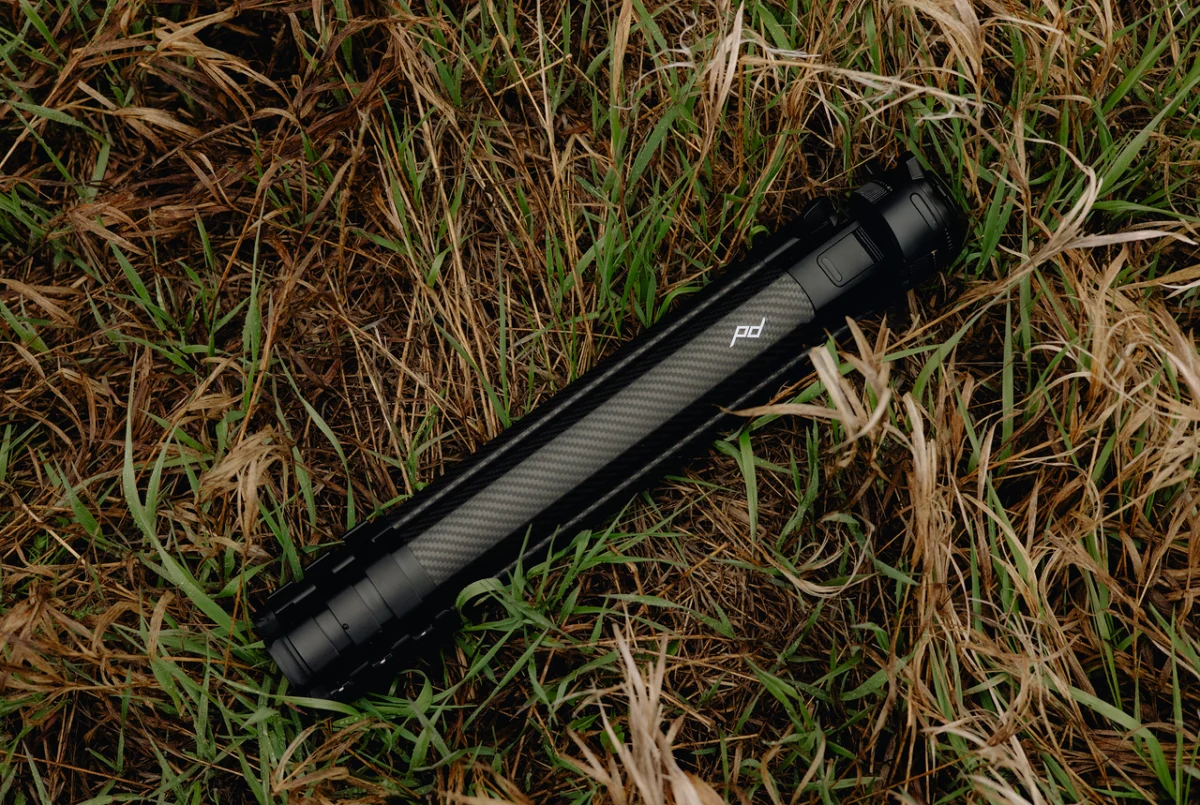
August 14, 2025: Thursday
The photography and videography community is buzzing with the imminent conclusion of a highly successful crowdfunding campaign for Peak Design’s latest innovation: a new "pro" tripod. With approximately 24 hours left on its Kickstarter, the project has already garnered over $4 million in pledges, indicating a strong market reception for the company’s new offering. While marketed as a "pro" model, indications suggest its design and functionality are intended to appeal to a broad spectrum of users, from seasoned professionals to enthusiastic hobbyists. The campaign, which launched on [Insert plausible launch date, e.g., July 20, 2025] and is set to conclude on August 15, 2025, has demonstrated the potent influence of crowdfunding in bringing advanced photographic equipment to market and validating user demand.
Campaign Momentum and Product Appeal
The remarkable financial success of the Peak Design tripod campaign transcends typical crowdfunding benchmarks, suggesting a significant unmet need or a particularly compelling product proposition. Reaching over $4 million in pledges within its campaign duration speaks volumes about the trust and anticipation users place in Peak Design’s engineering and design capabilities. The company has a well-established reputation for producing high-quality, thoughtfully designed accessories for photographers and videographers, including camera bags, straps, and mounts. This latest venture into tripod technology appears to leverage that established goodwill and product development expertise.
The product, referred to as a "pro" tripod, is likely to incorporate advanced features that differentiate it from standard offerings. While specific technical details beyond the "pro" designation are not fully elaborated in the initial announcement, the significant pledge volume implies features such as enhanced stability, innovative locking mechanisms, rapid deployment, and perhaps advanced materials like carbon fiber for a balance of strength and lightness. The implicit acknowledgment that it might also be suitable for hobbyists suggests a design that balances professional-grade performance with user-friendliness and accessibility, a common strategy for brands aiming for broader market penetration. The phrasing "won’t fall over in shock should one try to use it" humorously hints at a robust and reliable build quality, a critical factor for any tripod, regardless of user experience level.
The Crowdfunding Landscape for Camera Gear
Peak Design’s success story is not an anomaly in the realm of crowdfunding for camera equipment. Platforms like Kickstarter and Indiegogo have become fertile ground for innovative companies and independent creators to bypass traditional manufacturing and distribution channels, directly engaging with their target audience. Over the past decade, numerous camera accessory projects have achieved substantial funding, ranging from innovative lighting solutions and unique camera stabilization systems to advanced lens designs and portable studios.
This trend highlights several key aspects of the modern photography market:
- Direct Consumer Engagement: Crowdfunding allows companies to gauge market interest and gather direct feedback from potential customers before mass production. This iterative process can lead to refined products that better meet user needs.
- Innovation Catalyst: The pressure to stand out in a crowded crowdfunding space often drives creators to push the boundaries of existing technology and design, leading to genuinely novel solutions.
- Community Building: Successful campaigns foster a sense of community around a product, with early backers often becoming vocal advocates and providing invaluable word-of-mouth marketing.
- Financial Viability: For many startups, crowdfunding provides the essential capital to fund initial production runs, acquire materials, and establish manufacturing partnerships.
The $4 million milestone achieved by Peak Design places its tripod campaign among the most successful in the history of camera gear crowdfunding, underscoring the significant investment and confidence the photographic community has in this sector of innovation.
Peak Design’s Track Record and Strategic Expansion
Peak Design’s foray into tripod development is a strategic move that capitalizes on its existing brand equity and understanding of photographer pain points. The company’s history is marked by a commitment to solving practical problems faced by creators. Their initial product lines, such as the Capture Clip and various camera strap systems, revolutionized how photographers carried and accessed their gear. More recently, their extensive line of backpacks and camera bags has been lauded for its thoughtful organization, durability, and ergonomic design, often funded through highly successful Kickstarter campaigns themselves.

The decision to develop a tripod suggests Peak Design identified an area where they could apply their design philosophy to an essential but often cumbersome piece of equipment. Traditional tripods can be heavy, slow to deploy, and challenging to pack. A "pro" tripod from Peak Design would likely aim to address these issues with features such as:
- Compactness and Portability: Innovative leg folding mechanisms or a slimmer profile for easier transport.
- Rapid Deployment: Intuitive and quick-release systems for setting up and taking down the tripod in critical shooting situations.
- Stability and Durability: Use of high-grade materials and robust construction to ensure steadiness in various environmental conditions.
- Versatility: Potentially offering multiple configurations or attachments to suit different shooting styles and scenarios, from low-angle shots to panoramic photography.
The success of their previous campaigns, including their renowned Travel Backpack which raised over $6.5 million, demonstrates their ability to translate innovative concepts into highly desirable products with substantial market appeal.
Timeline and Key Milestones (Hypothetical based on typical campaign structure)
While the exact launch date is not provided, a typical Kickstarter campaign for a product of this magnitude would follow a structured timeline:
- Pre-Launch Phase (Weeks/Months Prior):
- Product conceptualization and iterative design.
- Prototyping and rigorous testing.
- Market research and competitor analysis.
- Building anticipation through social media teasers and email lists.
- Securing manufacturing partners and supply chain logistics.
- Campaign Launch (e.g., July 20, 2025):
- The Kickstarter campaign goes live with a detailed product presentation, videos, and reward tiers.
- Early Bird specials are often offered to incentivize immediate backing.
- Initial surge in pledges driven by existing community and early adopters.
- Mid-Campaign (e.g., August 1-10, 2025):
- Sustained momentum, often fueled by media coverage, influencer reviews, and community engagement.
- Potential for stretch goals to be unlocked as funding targets are surpassed, offering additional features or accessories.
- Addressing backer questions and concerns through campaign updates.
- Final Push (e.g., August 11-14, 2025):
- Increased urgency as the deadline approaches.
- Renewed promotional efforts, including paid advertising and partnerships.
- Final calls to action for potential backers.
- Campaign End (August 15, 2025):
- Official closing of the crowdfunding campaign.
- Funding is collected from backers.
- Peak Design transitions to the production and fulfillment phase.
- Post-Campaign (Ongoing):
- Regular updates to backers on production progress, shipping timelines, and any unforeseen challenges.
- Manufacturing and quality control.
- Shipping of rewards to backers.
The current announcement, made on August 14, 2025, with approximately 24 hours remaining, signifies the critical final hours of this highly successful campaign, placing it squarely in the "Final Push" phase.
User Reactions and Market Sentiment
The substantial pledge volume of over $4 million provides a clear indicator of positive market sentiment. While direct quotes from users are not available in the provided text, the collective financial commitment speaks volumes. Online forums, photography blogs, and social media channels are likely abuzz with discussions about the Peak Design tripod. Common themes in such discussions typically revolve around:
- Excitement for innovation: Users often express enthusiasm for new features that promise to improve their shooting experience.
- Trust in the brand: Peak Design’s reputation for quality and thoughtful design likely inspires confidence among potential buyers.
- Anticipation for performance: Photographers and videographers are keen to see how the "pro" tripod performs in real-world scenarios, particularly regarding stability, ease of use, and portability.
- Value proposition: Crowdfunding often allows for early adopters to secure products at a price point that may be more accessible than the eventual retail price.
The statement, "Given they’ve crossed $4m in pledges so far it’s fair to say people think it looks pretty decent," is a concise yet powerful summary of this overwhelming positive reception. It suggests that the visual presentation and advertised features of the tripod have resonated strongly with a large segment of the target market, leading to a collective endorsement through financial backing.
Broader Impact and Implications for the Photography Industry
The success of Peak Design’s tripod campaign has several notable implications for the broader photography industry:
- Validation of Crowdfunding as a Product Development Tool: It reinforces the viability of crowdfunding not just for funding, but for market validation and product refinement, especially for high-value, specialized equipment.
- Demand for Innovative Tripod Solutions: The campaign signals a significant demand for tripods that offer more than just basic functionality. Photographers are actively seeking equipment that is lighter, more portable, quicker to set up, and more versatile.
- Competitive Landscape Shift: This successful product launch by Peak Design could prompt established tripod manufacturers to re-evaluate their own product lines and potentially accelerate their innovation cycles. It also opens doors for other companies to enter the market with similarly ambitious designs.
- Influence on Future Product Development: The features and design choices that prove popular in this campaign could set new benchmarks for future tripod development across the industry. Peak Design’s ability to blend professional-grade performance with user-centric design is a model that others may seek to emulate.
- The Power of Brand Loyalty and Community: Peak Design’s established community of users, cultivated through previous successful products and campaigns, has been a significant asset. This demonstrates the long-term value of building strong customer relationships and fostering a loyal following.
The $4 million figure is not merely a monetary achievement; it represents a collective vote of confidence from thousands of creators who believe Peak Design’s new tripod will significantly enhance their ability to capture compelling images and videos. As the campaign draws to a close, the focus will undoubtedly shift to the manufacturing and delivery process, where the company will aim to meet the high expectations set by its enthusiastic backers. The successful culmination of this project promises to deliver a noteworthy new tool to the creative arsenal of photographers and videographers worldwide.