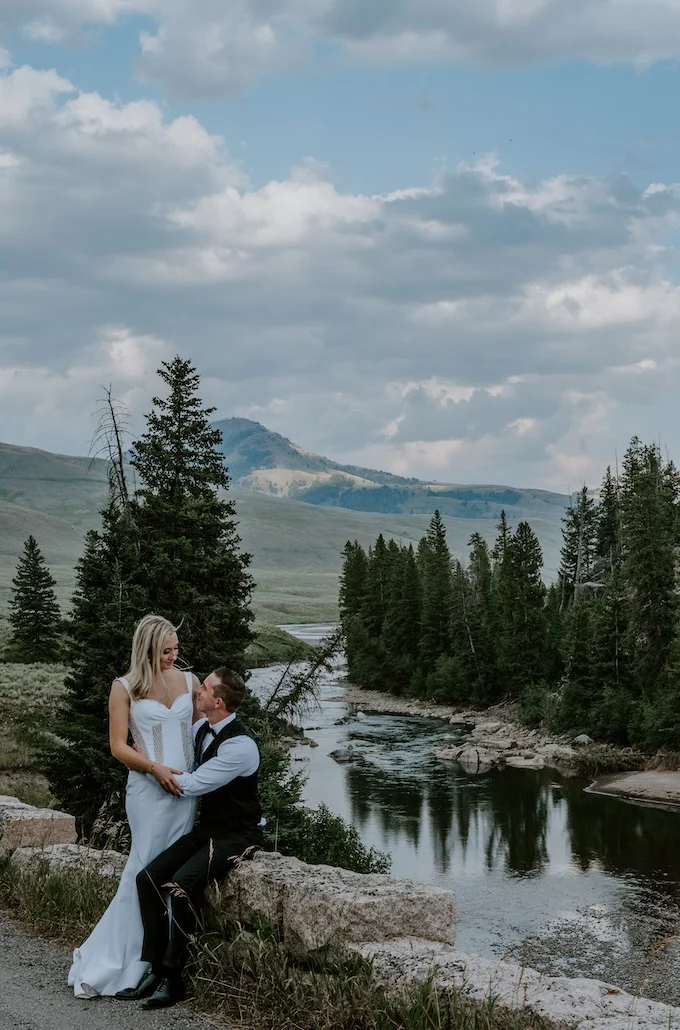
The allure of America’s national parks has surged in recent years, transforming these protected natural landscapes into highly sought-after venues for weddings and elopements. This trend, observable over the last five years, is potentially fueled by a confluence of factors including the cultural impact of popular media like the television series "Yellowstone," the parks’ recent 150th-anniversary celebrations, and the residual effects of the COVID-19 pandemic, which saw record-breaking tourist numbers in places like Yellowstone National Park once restrictions were lifted. With 63 diverse parks across the nation, each offering unique vistas, varied amenities, and accessible pathways, the appeal of a national park wedding is undeniable. For photographers considering specializing in this niche, understanding the intricacies, challenges, and rewards is paramount.

The Rise of National Park Nuptials
The surge in couples choosing national parks for their special day is not merely anecdotal. Data from the National Park Service (NPS) has indicated a consistent increase in the number of permits issued for weddings and elopements across various parks. While specific year-over-year figures for wedding permits are not always publicly aggregated in a single report, the overall increase in park visitation, particularly following the pandemic, suggests a corresponding rise in special event applications. For instance, Yellowstone National Park alone reported over 4.8 million recreation visits in 2023, a figure that underscores the park’s immense popularity and the potential demand for its use as a wedding destination. This growing interest necessitates a deeper dive into what makes these locations so attractive and the practical considerations for those involved in documenting these events.
A Photographer’s Journey into Park Elopements
Heather Woolery, a photographer whose work frequently captures weddings and elopements, first ventured into national park photography in 2018, documenting a micro-wedding in Joshua Tree National Park for a couple from Oregon. Since then, she has expanded her portfolio to include events in eleven different national parks, with Yellowstone emerging as a particularly prominent location. Her personal connection to Yellowstone, having visited since childhood, provided a unique foundation for her professional work. "I never thought I would be trekking all over the park in some of the most beautiful and enigmatic locations for couples on their wedding day," Woolery shares.

Her dedicated approach to photographing in Yellowstone intensified after her first elopement there in 2020. Woolery began meticulously mapping out locations within the park, noting critical details such as the optimal time of day for photography, expected crowd levels, and the seasonal nuances of each spot. This detailed research allowed her to transition from a tourist’s perspective to an expert understanding of the park’s potential for wedding ceremonies and photography, enabling her to serve her Yellowstone-based clients with a heightened level of expertise.
Navigating the Administrative Landscape
While photographers are typically not wedding planners, their role in national park weddings and elopements often extends into providing crucial planning assistance. Unlike conventional wedding venues that may offer comprehensive vendor lists and on-site officiants, national parks operate under a different framework. Couples planning a wedding in these protected areas must navigate a complex system of permits, regulations, and logistical challenges.

Historically, photographers operating commercially within national parks, including for wedding events, were often required to obtain a Commercial Use Authorization (CUA). This process could be extensive and costly. However, recent policy adjustments in some parks, such as Yellowstone, have streamlined this requirement. Currently, Yellowstone requires couples to obtain a Special Use Permit (SUP) for elopements, which also serves as the photographer’s permit for the event. This shift aims to simplify the process for smaller, more intimate gatherings while still ensuring that park resources are managed responsibly.
The Critical Role of Photographer Expertise
The absence of traditional venue services means that couples often rely heavily on their photographers to guide them through the planning process. This necessitates that photographers possess a deep understanding of the specific national park they are working in or possess the research skills to help clients create a bespoke, compliant, and feasible wedding experience. This can involve identifying suitable ceremony sites, advising on transportation options, and understanding the park’s unique environmental considerations.

Yellowstone, being one of the most visited national parks in the United States, presents particular challenges due to its high visitor volume. Photographers and couples must be acutely aware of the time of year for the wedding and explore less-trafficked areas within the park for ceremonies and photos. Popular tourist hotspots like Old Faithful, Grand Prismatic Spring, and Mammoth Hot Springs can become overwhelmingly crowded, potentially detracting from the intimate atmosphere desired for a wedding. Strategic planning, including off-season dates or weekdays, and utilizing more remote park locations are often essential to ensure a memorable and private experience.
Analyzing the Pros and Cons of National Park Wedding Photography
The decision to specialize in national park wedding and elopement photography involves weighing distinct advantages against potential drawbacks.

Advantages:
- Unparalleled Backdrops: National parks offer breathtaking natural scenery, from majestic mountains and vast canyons to serene lakes and unique geological formations. These provide a dramatic and memorable setting that often surpasses traditional venues. The sheer scale and beauty of these landscapes offer endless creative possibilities for photographers.
- Unique Client Experiences: Couples seeking an adventurous, nature-focused, or intimate wedding often find national parks to be the perfect fit. This specialization allows photographers to cater to a specific clientele with distinct desires, fostering a strong connection with their clients.
- Growing Market Demand: As evidenced by increasing park visitation and permit applications, the demand for national park weddings is on an upward trajectory. This presents a significant opportunity for photographers to establish themselves in a niche market with growing potential.
- Potential for Higher Revenue: Due to the specialized knowledge, planning involved, and often destination nature of these weddings, photographers may command higher fees for their services. The added value of navigating park permits and logistics justifies a premium.
- Personal Fulfillment: For photographers who appreciate nature and adventure, documenting weddings in these iconic landscapes can be personally rewarding, combining professional passion with a love for the outdoors.
Disadvantages:
- Complex Permitting Processes: Navigating the varying permit requirements for each national park can be time-consuming and require significant research. Understanding the specific regulations, fees, and application timelines for each park is crucial.
- Logistical Challenges: Accessibility can be an issue in some park locations. Photographers may need to consider hiking, off-road travel, or specific vehicle requirements. Weather can also be unpredictable, requiring preparedness for a wide range of conditions.
- Crowd Management: Popular parks can be exceptionally crowded, especially during peak seasons and at iconic viewpoints. This necessitates careful planning to find secluded spots for ceremonies and photos, and potentially working around public access.
- Limited Infrastructure: Unlike traditional venues, national parks often lack amenities such as electricity, restrooms at remote sites, or readily available vendors. Photographers and couples must be self-sufficient or make arrangements for these necessities.
- Environmental Sensitivity: Photographers must be acutely aware of and adhere to Leave No Trace principles and park regulations to minimize their impact on the delicate ecosystems within national parks. This includes adhering to designated trails and avoiding disruption of wildlife.
- Variable Accessibility and Services: Not all parks are equally equipped for large events, and some may have restrictions on group sizes, vehicle access, or even the types of photography allowed. Photographers need to thoroughly research these limitations.
The Broader Implications for the Wedding Industry
The trend of national park weddings signifies a broader shift in societal preferences, with couples increasingly prioritizing experiences over material possessions. This movement towards more intimate, nature-centric, and often more sustainable celebrations has implications for the entire wedding industry. It encourages diversification for wedding professionals, pushing them to develop new skill sets, adapt their business models, and collaborate with a wider range of partners, including park rangers, local guides, and specialized officiants.
For the National Park Service, this trend presents both opportunities and challenges. Increased visitor numbers and event permits can contribute to revenue streams that support park conservation and operations. However, it also places additional strain on park resources, infrastructure, and natural habitats. Effective management strategies, including visitor education, strict enforcement of regulations, and potentially tiered permit fees based on impact, are crucial to ensure that these beloved landscapes can be enjoyed by future generations.

Conclusion: A Rewarding Niche for the Prepared
Ultimately, for photographers who embrace the planning, possess a spirit of adventure, and are committed to respecting the natural environment, national park wedding and elopement photography offers a profoundly rewarding niche. The opportunity to document couples’ most significant moments against the backdrop of America’s most stunning natural treasures is unparalleled. By understanding the unique demands of these locations, from administrative hurdles to logistical complexities, photographers can elevate their service, providing couples with an unforgettable experience and creating a portfolio that reflects the grandeur and romance of the wild. As Woolery notes, "Ultimately, call me biased, but I believe getting married in a national park is worth the planning. It offers couples endless opportunities and options to create a once-in-a-lifetime experience for their wedding day that is tailored to who they are all while being in some of the most stunning and diverse landscapes the United States has to offer." This sentiment encapsulates the enduring appeal and the significant potential of this growing segment of the wedding photography market.