The landscape of subminiature photography, specifically the niche 8x11mm format popularized by Minox, has undergone a significant transformation over the last quarter-century, moving from a commercially supported hobby to a community-reliant endeavor. Central to this evolution is the availability of the film cassette, a precision-engineered component that has transitioned from a disposable lab byproduct to a scarce commodity, and finally to a specialized product of modern additive manufacturing. The recent introduction of the Ausgeknipst 8×11 film cassette marks a pivotal moment in this timeline, offering a sustainable solution for enthusiasts who have faced dwindling supplies of original equipment for over two decades.
The Historical Context of the 8×11 Format
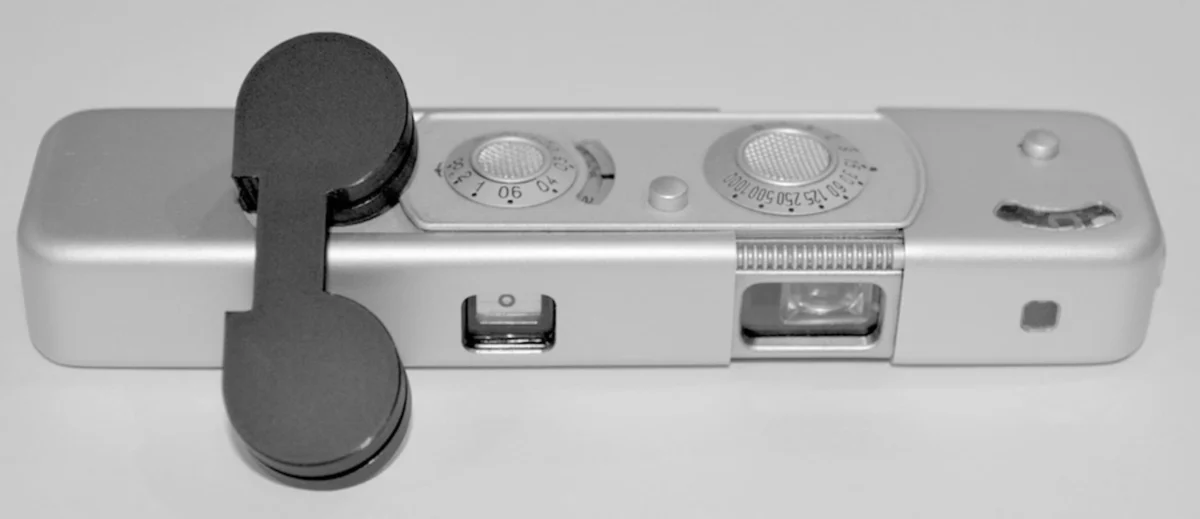
The 8x11mm format was pioneered by Walter Zapp in the mid-1930s, leading to the production of the "Riga" Minox in 1938. For decades, the format was synonymous with high-stakes espionage and precision engineering, supported by a robust infrastructure of film manufacturers including Agfa, Kodak, and Minox itself. During the peak of the analog era, 8×11 film was readily available in pre-loaded cassettes. Commercial laboratories, particularly those in Germany and specialized facilities like Blue Moon Camera and Machine in the United States, were the primary sources for both fresh film and the recycling of used cassettes.
However, the transition to digital imaging in the late 1990s and early 2000s led to a rapid contraction of the subminiature market. As major film labs ceased operations or discontinued support for "spy camera" formats, the supply of original plastic cassettes began to evaporate. By 2008, the market had shifted entirely toward the secondary sale of used or expired cassettes. Enthusiasts were forced to scavenge for old stock from manufacturers like Acmel, Yashica, and Minox, often purchasing expired film solely to salvage the plastic housing for manual reloading.
A Chronology of Component Scarcity and Innovation
The period between 2000 and 2012 represents a "dark age" for 8×11 users, characterized by a reliance on aging plastic components that were never intended for indefinite reuse. The plastic bridges of original Minox cassettes were prone to fatigue, and the light-tight integrity of the chambers often failed after repeated handling.

In 2012, a significant breakthrough occurred when Jimmy Li, an enthusiast based in China, introduced a brass 8×11 film cassette. These units were celebrated for their durability and "indestructible" nature, providing a permanent solution for those willing to invest in high-quality hardware. Despite their success, these brass units eventually exited production, leaving another void in the market.
In the subsequent decade, various attempts were made to replicate the original Minox design using different materials, including early-stage 3D printing and various metal alloys. These efforts met with varying degrees of success, often struggling to meet the exacting tolerances required by the complex internal mechanics of Minox cameras. The emergence of the Ausgeknipst cassette in the mid-2020s represents the latest iteration of this effort, utilizing advanced polymers and modern manufacturing techniques to address the long-standing supply crisis.
Technical Specifications and Engineering Requirements
The production of an 8×11 film cassette is an exercise in extreme precision. Unlike 35mm film canisters, which are relatively large and forgiving, the 8×11 cassette must fit into the compact, highly optimized internals of cameras like the Minox B or LX.
Dimensional Accuracy
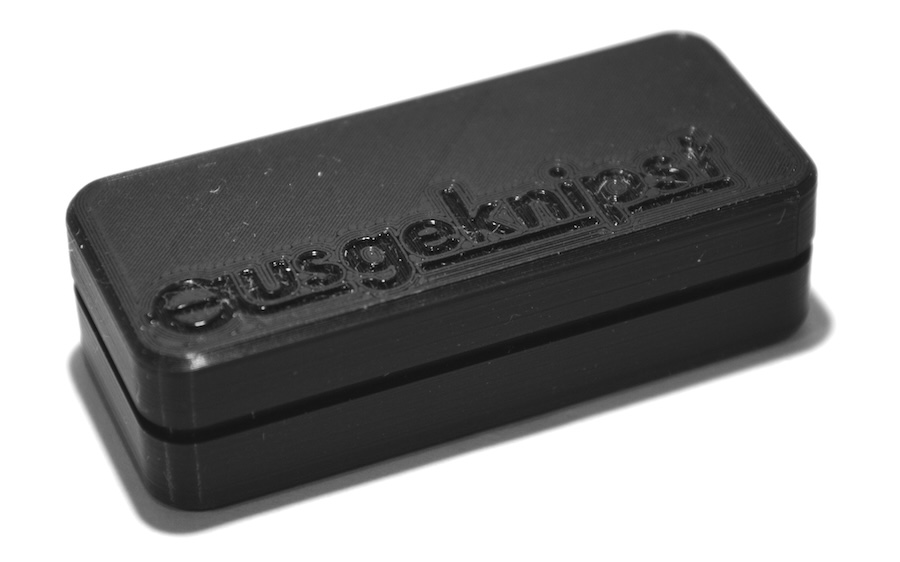
The Ausgeknipst cassette adheres to the strict dimensional standards established by the original Minox design. It features a length of 48.2mm and a width of 10.1mm. Notably, the thickness of the new unit is 13.1mm, compared to the 16.3mm of the original Minox cassettes. This reduction in thickness does not impede functionality but reflects a modification in the housing design, likely to accommodate the specific properties of the material used.
Material Science: PLA+ vs. Makrolon
Original Minox cassettes were often manufactured using Makrolon, a brand of polycarbonate known for its high impact resistance and stability. The Ausgeknipst version utilizes "PLA+," a high-grade thermoplastic polyester. PLA+ is an enhanced version of standard Polylactic Acid, offering improved toughness and temperature resistance. In the context of film photography, the material must be entirely opaque to prevent light fogging and smooth enough to prevent scratching the delicate film emulsion.
Light-Tight Integrity
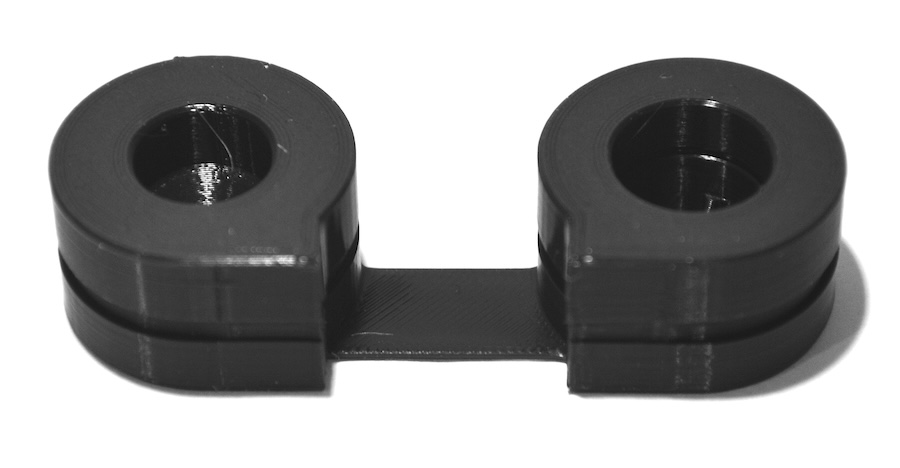
One of the most critical aspects of 8×11 cassette design is the light trap. Unlike 35mm cassettes that use felt light seals, 8×11 cassettes rely on the physical fit of the caps and the geometry of the film slit to remain light-tight. The Ausgeknipst design utilizes a precision-fit cap system that tightens the film spools upon insertion, effectively sealing the chambers without the need for traditional felt, which can harbor dust and cause scratches.
Field Performance and Camera Compatibility
A critical metric for any new 8×11 component is its performance across the wide variety of cameras produced over the last 80 years. Testing has confirmed that the modern PLA+ cassettes maintain compatibility with a broad spectrum of hardware, including:
- Historical Models: The Minox Riga (1941) and the Minox A/IIIs.
- Classic Series: The Minox B, C, and BL models.
- Modern Subminiatures: The Minox LX, EC, and the Acmel MX.
- Third-Party Manufacturers: The Yashica Atoron and the Revue Mini Star.
The transport of film within these cameras is a high-stress operation. If a cassette is even slightly out of alignment, the camera’s advance mechanism may jam, potentially stripping the gears of these vintage instruments. Reports indicate that when loaded with the recommended maximum of 40 exposures, the Ausgeknipst cassettes facilitate smooth film transport and maintain standard frame spacing of approximately 0.8mm to 1.0mm.
Furthermore, compatibility extends to the darkroom. The cassettes are designed to fit the specialized Minox developing tanks, which are essential for processing the 9.2mm wide film strips. The ability of the cassette to sit securely in the tank recess is vital for the chemical agitation process.
Supporting Data and User Considerations
The re-emergence of high-quality cassettes is expected to stabilize the cost of subminiature photography. Historically, the price of used cassettes on auction sites has been volatile, often driven by artificial scarcity. By providing a readily available, "priced-for-value" alternative, manufacturers like Ausgeknipst are lowering the barrier to entry for new analog photographers.
However, the use of reloaded cassettes introduces variables that users must manage. The "scratch factor" remains a primary concern in subminiature photography, where a microscopic blemish on a tiny negative becomes a major defect when enlarged or scanned. While the PLA+ material is smooth, the absence of felt seals means that users must be vigilant regarding dust. Maintenance of the film gate, the film cutter, and the cassette holder is mandatory to ensure professional-grade results.
Broader Implications for the Analog Revival
The development of the Ausgeknipst 8×11 cassette is more than a niche product release; it is a case study in how small-scale manufacturing can preserve industrial heritage. The use of 3D printing technology (implied by the use of PLA+) allows for the production of complex parts that would be economically unviable for traditional injection molding due to the low volume of the subminiature market.
This "on-demand" manufacturing model provides a blueprint for other endangered film formats, such as 110, 126, or even the obscure 17.5mm formats. It shifts the power from large corporations, which have largely abandoned analog specialized formats, to independent engineers and enthusiasts.
Conclusion
The 8×11 film format continues to survive through a combination of historical appreciation and modern ingenuity. The transition from the high-volume production of the 20th century to the artisanal, precision-focused manufacturing of 2025 ensures that the legacy of Walter Zapp’s invention remains functional. The Ausgeknipst cassette represents a successful marriage of classic design and contemporary material science, offering a sturdy, reliable, and accessible solution for the next generation of subminiature photographers. As long as such components are available, the unique aesthetic and mechanical experience of the Minox system will remain a viable medium for photographic expression.