Kondor Blue, a prominent innovator in camera rigging and power solutions, has officially announced its strategic acquisition and full integration of Element Filters, marking a significant expansion into the professional optical filtration market. This pivotal move signals Kondor Blue’s ambition to transcend its established ecosystem of camera support hardware and delve directly into the realm of image-shaping optics. Concurrently with the acquisition, the company has unveiled its inaugural product under this new direction: the Kondor Blue FullSpec ND 4×5.65 filters, a line designed to meet the rigorous demands of modern cinema workflows.
This acquisition is more than a simple business transaction; it represents a fundamental recalibration of Kondor Blue’s strategic trajectory. By bringing Element Filters’ optical expertise, established manufacturing relationships, and proprietary filter technology in-house, Kondor Blue aims to significantly accelerate its development capabilities within a category historically characterized by protracted research and refinement cycles. The integration encompasses all intellectual property and existing product lines from Element Filters, effectively establishing a robust new filtration vertical directly under the Kondor Blue brand. This strategic pivot transforms Kondor Blue from a provider of camera peripherals into a more comprehensive ecosystem, offering integrated solutions that span from camera support to the very optics that define the final image.
Kondor Blue’s Evolving Vision and Market Context
For years, Kondor Blue has cultivated a reputation for delivering robust, user-friendly, and high-performance camera rigging, cages, and power solutions, becoming a trusted name among independent filmmakers and professional production houses alike. Their product philosophy has consistently centered on enhancing camera operability, stability, and power efficiency, effectively building "everything around the camera." However, the dynamic landscape of digital cinematography, characterized by ever-advancing sensor technology, demands an increasingly sophisticated approach to image control. The rise of high-resolution, high-dynamic-range cameras with exceptional low-light sensitivity has amplified the need for precise optical tools that can manage light effectively without compromising color fidelity or image integrity.
The global market for camera accessories, including filters, continues to expand, driven by the proliferation of content creation across various platforms, from feature films and documentaries to commercials and social media. Professional-grade filters are indispensable tools for cinematographers, allowing them to control exposure in bright conditions, manage depth of field, reduce glare, and achieve specific aesthetic effects directly in-camera, thus minimizing post-production efforts. Neutral Density (ND) filters, in particular, are crucial for maintaining cinematic motion blur with wider apertures in bright light, while specialized filters like diffusion and polarizing filters offer creative control over light quality and reflections. Entering this market segment with a strong foundation is a strategic imperative for any brand seeking to offer a holistic solution to filmmakers.
A Foundation Built on Collaboration: The Opaline Series
The groundwork for this significant merger was meticulously laid through a successful prior collaboration between Kondor Blue and Element Filters. The companies had previously partnered to develop the Opaline Diffusion Filter series, designed as an ideal companion to Kondor Blue’s popular matte box systems. This line included 4×5.65-inch diffusion filters in various strengths, alongside threaded variants, offering filmmakers enhanced flexibility across diverse camera setups.

This initial partnership proved instrumental in demonstrating the synergistic potential between Kondor Blue’s hardware expertise and Element Filters’ optical prowess. It provided both entities with invaluable insights into each other’s operational philosophies, engineering capabilities, and market approaches. The success of the Opaline series not only validated the technical compatibility of their products but also fostered a mutual understanding and trust that ultimately paved the way for a deeper, more permanent integration. This collaboration served as a real-world crucible, proving that Element Filters’ optical designs could seamlessly integrate into the broader Kondor Blue ecosystem, enhancing the value proposition for their shared customer base.
Lukas Colombo’s Vision: Stepping Directly into the Image
Lukas Colombo, founder and CEO of Kondor Blue, articulated the profound significance of this acquisition, emphasizing a fundamental shift in the company’s core mission. "We’ve spent years building everything around the camera," Colombo stated, highlighting the company’s past focus on support systems. "This move allows us to step directly into the image itself – bringing trusted optical technology into the Kondor Blue ecosystem and expanding what creators can expect from our brand."
This statement underscores Kondor Blue’s ambition to evolve beyond merely supporting the camera and its operator. By integrating optical filtration, the company is now directly influencing the raw data captured by the sensor, offering tools that shape the very essence of the visual narrative. This vision positions Kondor Blue as a more holistic solution provider, enabling filmmakers to access a unified suite of high-performance tools that work in concert to achieve their creative and technical objectives. The strategic intent is clear: to foster an ecosystem where camera support hardware and image-shaping optics are developed in tandem, ensuring optimal compatibility, performance, and user experience. While Element Filters has not released a direct statement regarding the acquisition, it can be logically inferred that the integration offers their technology and expertise a significantly broader platform and accelerated development opportunities under the Kondor Blue umbrella.
Introducing the Kondor Blue FullSpec ND Filters: Precision for Professional Cinema
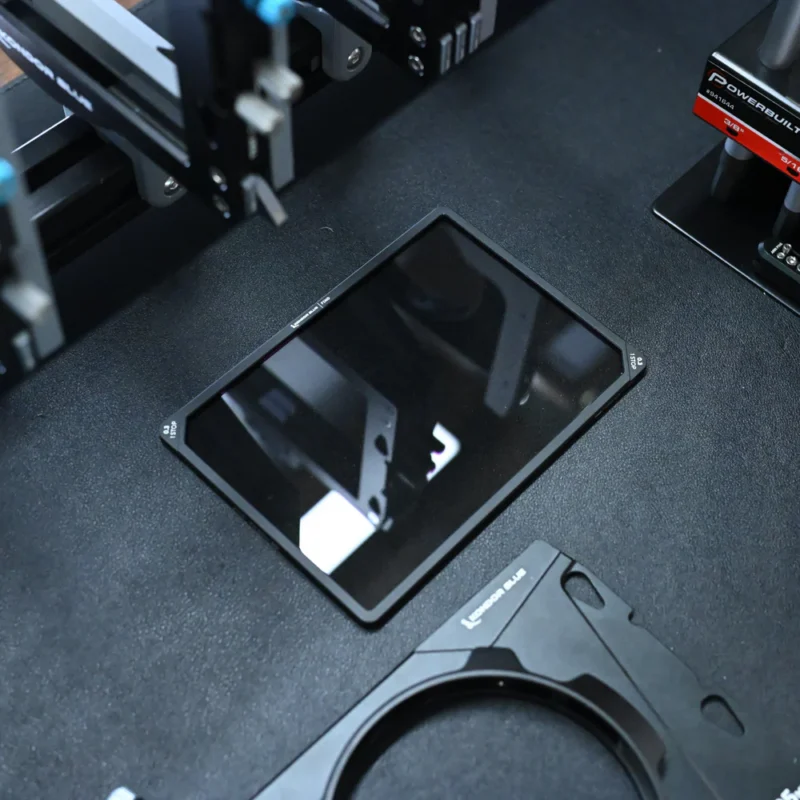
The immediate and tangible outcome of this acquisition is the launch of the Kondor Blue FullSpec ND 4×5.65 filter line, engineered specifically for professional cinema workflows where uncompromised consistency and absolute neutrality are paramount. These filters are built upon the principle of full-spectrum neutral density control, a critical feature designed to preserve color fidelity, intricate shadow detail, and spectral balance across a comprehensive range of densities. The overarching goal is to ensure a perfectly consistent response from one filter to the next, meticulously avoiding any unwanted color shifts or infrared (IR) contamination that could complicate or compromise the demanding processes of color grading and shot matching in post-production.
Kondor Blue explicitly details the technical necessity of FSND filters for modern digital cinema cameras. Digital sensors, particularly those found in high-end cinema cameras, possess significantly greater low-light sensitivity compared to traditional film stock. This enhanced sensitivity, while beneficial in many scenarios, also renders them more susceptible to infrared (IR) contamination when standard ND filters are employed to manage exposure in bright light. This IR pollution frequently manifests as a "muddiness" or an undesirable magenta color shift, particularly noticeable in the darker or black areas of an image. Kondor Blue’s FullSpec ND filters are precisely engineered to counteract this phenomenon by effectively reducing the amount of IR and ultraviolet (UV) light reaching the camera’s sensor. This proprietary design ensures clean, neutral blacks and accurate color reproduction, even in high IR/UV light pollution environments, which are common in outdoor shooting conditions.
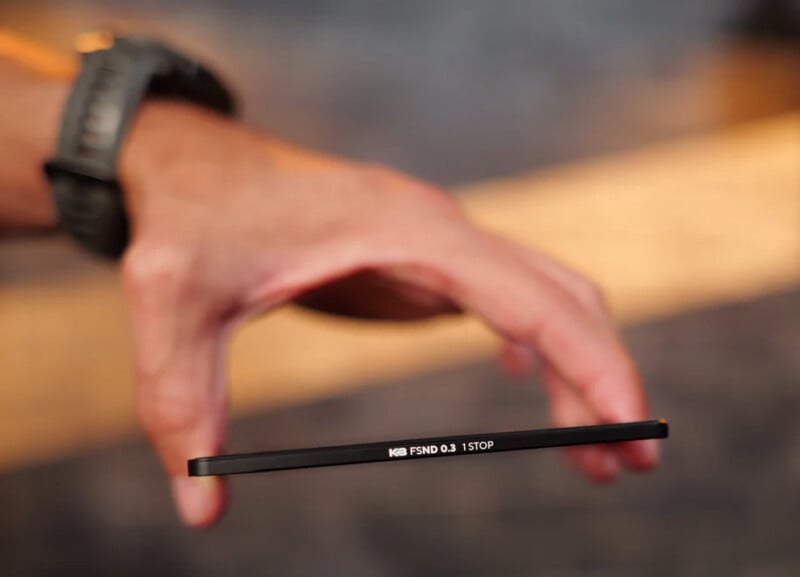
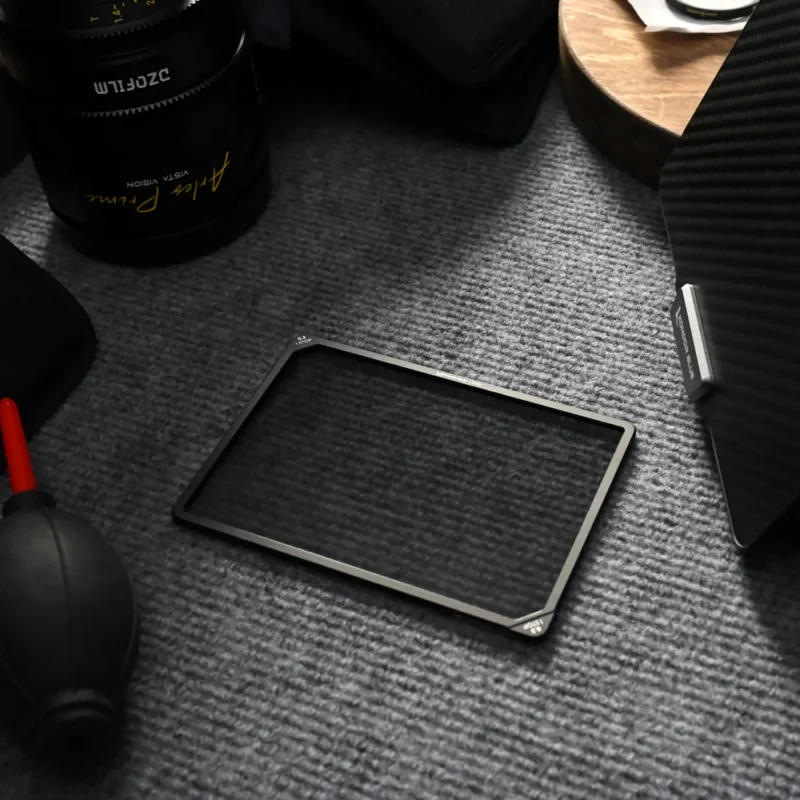
Each Kondor Blue FullSpec ND filter is meticulously constructed from 2mm Schott B270 optical glass, renowned for its exceptional clarity and neutrality. This high-grade optical element is securely housed within a robust 4mm aluminum frame, designed for durability and precision fit within standard matte box systems. Thoughtful design elements, such as integrated corner grab tabs, are included to facilitate swift and secure filter swaps on set, a crucial consideration in fast-paced production environments. The sum of these engineering choices results in a filtration system that Kondor Blue proudly states is "intended to remain invisible in use," ensuring that the filters perform their function flawlessly without introducing any unwanted artifacts or altering the intrinsic quality of the captured image, thereby preserving the integrity of the visual narrative while offering precise exposure control in the most demanding shooting scenarios.
Market Implications and Competitive Landscape
Kondor Blue’s foray into optical filtration, particularly with a product as critical as FullSpec ND filters, significantly alters its standing in the broader camera accessories market. The company now enters a highly competitive segment populated by established giants like Tiffen, Schneider-Kreuznach, Formatt-Hitech, NiSi, and Breakthrough Photography, among others. These brands have long been synonymous with high-quality optical filters, having built reputations on precision manufacturing and extensive R&D.
However, Kondor Blue brings several distinct advantages to this new arena. Firstly, its existing robust customer base, deeply integrated into its camera rigging and power ecosystems, provides a ready market for its new optical products. Filmmakers already invested in Kondor Blue cages, matte boxes, and power solutions are likely to appreciate the convenience and assurance of an integrated filtration system from a trusted brand. Secondly, the acquisition of Element Filters immediately provides Kondor Blue with proven optical technology, manufacturing expertise, and a shorter path to market, circumventing the lengthy development cycles typically required for new optical products. This agility could allow Kondor Blue to respond more quickly to market demands and introduce innovative solutions.
The move also positions Kondor Blue as a more holistic solution provider. By offering both the structural support (rigging, matte boxes) and the critical optical components (filters), the company aims to create a seamlessly integrated workflow for cinematographers. This integrated approach can lead to better compatibility, simplified logistics for production teams, and potentially, a more unified user experience. Industry analysts might view this as a shrewd vertical integration strategy, enhancing Kondor Blue’s value proposition and cementing its role as a comprehensive partner for filmmakers, rather than just an accessory vendor.
Chronology and Future Outlook
The timeline of this strategic expansion underscores Kondor Blue’s deliberate and forward-looking approach. The successful collaboration on the Opaline Diffusion Filter series served as a crucial preliminary phase, demonstrating synergy and validating the potential for deeper integration. This led directly to the official acquisition of Element Filters, announced concurrently with the immediate launch of the Kondor Blue FullSpec ND 4×5.65 filters. This rapid succession of events highlights Kondor Blue’s efficiency in operationalizing its strategic objectives.
Looking ahead, Kondor Blue has signaled that the current wave of filtration products is merely the beginning. The company anticipates a significant expansion of its optical offerings throughout 2026, with additional announcements and product introductions planned for its nascent optical division. This clear roadmap indicates a sustained commitment to developing a comprehensive range of filters, potentially including more specialized creative filters, variable NDs, and other optical tools that cater to the evolving needs of the filmmaking community. The acquisition of Element Filters is not just an entry into a new market but a definitive signal of Kondor Blue’s long-term commitment to directly influencing and enhancing the final image itself.
Pricing and Availability
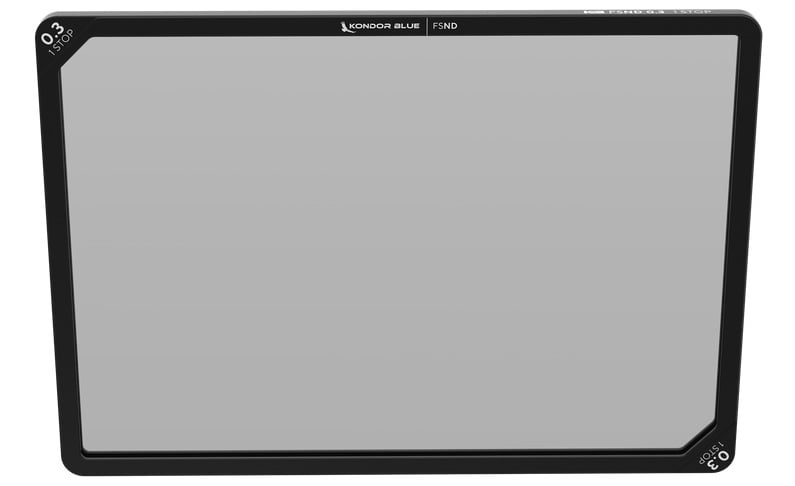
The Kondor Blue FullSpec ND 4×5.65 filters are currently listed on the company’s official website, offering a comprehensive range of density options. Individual filters, spanning from IRND 0.3 (1 stop) through IRND 2.1 (7 stops), are priced at $230 each. For cinematographers requiring a full suite of control, a complete set encompassing all seven densities is available for $1,450. Notably, at the time of this report, the complete seven-piece set is already listed as sold out, indicating robust initial demand and a strong positive reception from the professional filmmaking community following its launch alongside the Element Filters acquisition. This early market validation bodes well for Kondor Blue’s ambitious expansion into the optical filtration segment.
In conclusion, Kondor Blue’s acquisition of Element Filters and the subsequent launch of its FullSpec ND line represent a transformative moment for the company. It marks a decisive shift from merely supporting the camera to directly shaping the image, positioning Kondor Blue as a more comprehensive and influential player in the professional cinema market. By integrating optical expertise with its established hardware ecosystem, Kondor Blue is poised to deliver a more unified, high-performance toolkit for content creators, ultimately enriching the creative possibilities for filmmakers worldwide. The industry will keenly watch as Kondor Blue continues to build out its optical division, anticipating further innovations that promise to redefine the standards of camera accessories and image control.