The world of photography is in mourning following the passing of Martin Parr, a titan of British documentary and social photography, who died in 2025 at the age of 73. Born in Epsom, Surrey, in 1952, Parr carved out a distinctive and influential career, leaving an indelible mark on how we perceive modern life, consumerism, and British identity. His passing marks the end of an era for a photographer whose unconventional approach and sharp observational eye redefined the boundaries of documentary practice and inspired countless others.
Parr’s journey into photography began with the influence of his grandfather, George Parr, an amateur photographer and a member of the Royal Photographic Society. This early exposure ignited a passion that led him to study photography at Manchester Polytechnic (now Manchester Metropolitan University) from 1970 to 1973. It was during this formative period that Parr began to develop his signature documentary style, initially focusing on the lives of working-class communities in the North of England through stark black-and-white imagery.
A pivotal moment in Parr’s career arrived in the early 1980s with his deliberate shift to colour photography. At a time when documentary photography in Britain largely favoured monochrome, Parr’s embrace of colour was a bold and prescient move. This decision, coupled with his distinctive use of saturated hues, close-up framing, and often ironic perspective, would become the hallmark of his visual language. This stylistic evolution laid the groundwork for his most celebrated projects, which often delved into the nuances of British leisure, consumer culture, and social habits with unflinching honesty and a touch of satire.
The Genesis of a Distinctive Vision: Early Works and the Butlins Project
Parr’s early forays into documenting British life were characterized by a deep engagement with his subjects. His photographic series at Butlins holiday camps, particularly the work undertaken in the early 1970s at Butlins by the Sea in Filey, offered a candid glimpse into the world of working-class British holidays. While initially captured in black and white, this period was instrumental in shaping his understanding of leisure, consumerism, and the social dynamics at play during these escapist retreats. These experiences, often described as a "holiday job," provided him with invaluable insights that would later inform his more expansive explorations of holiday culture.
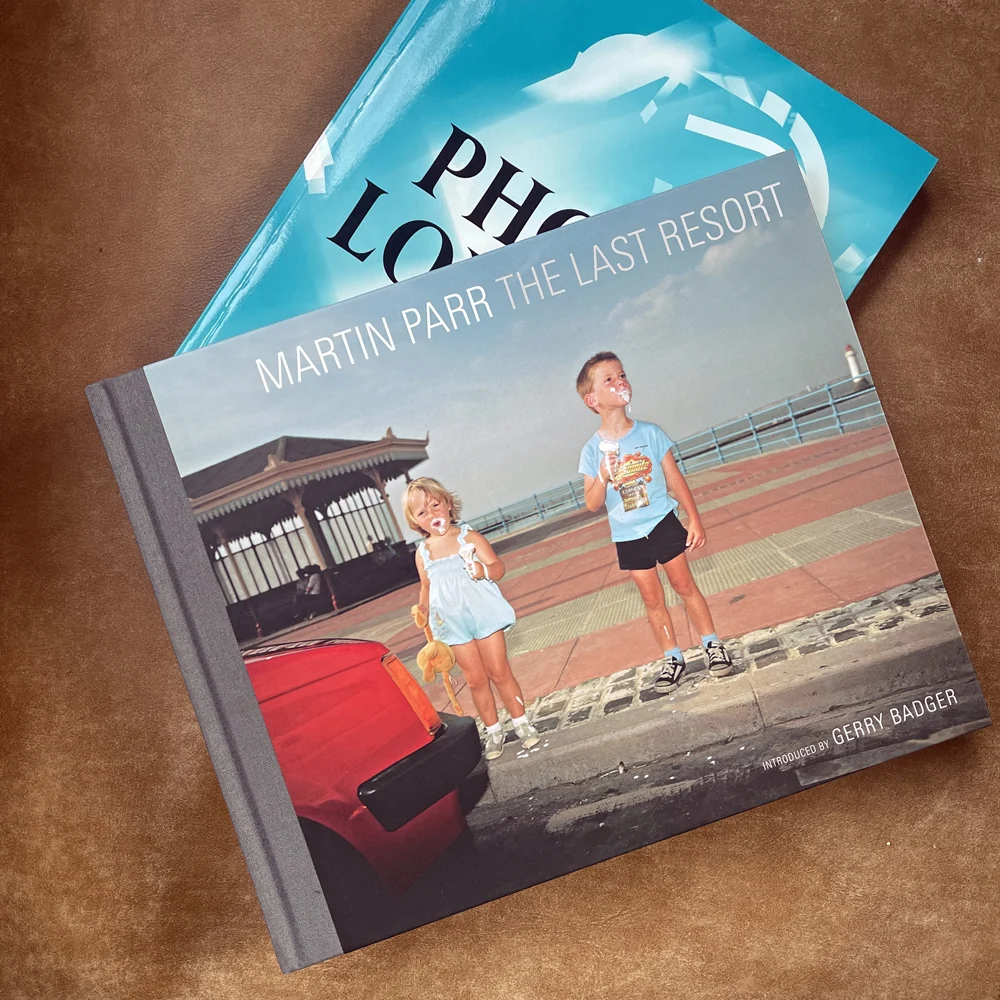
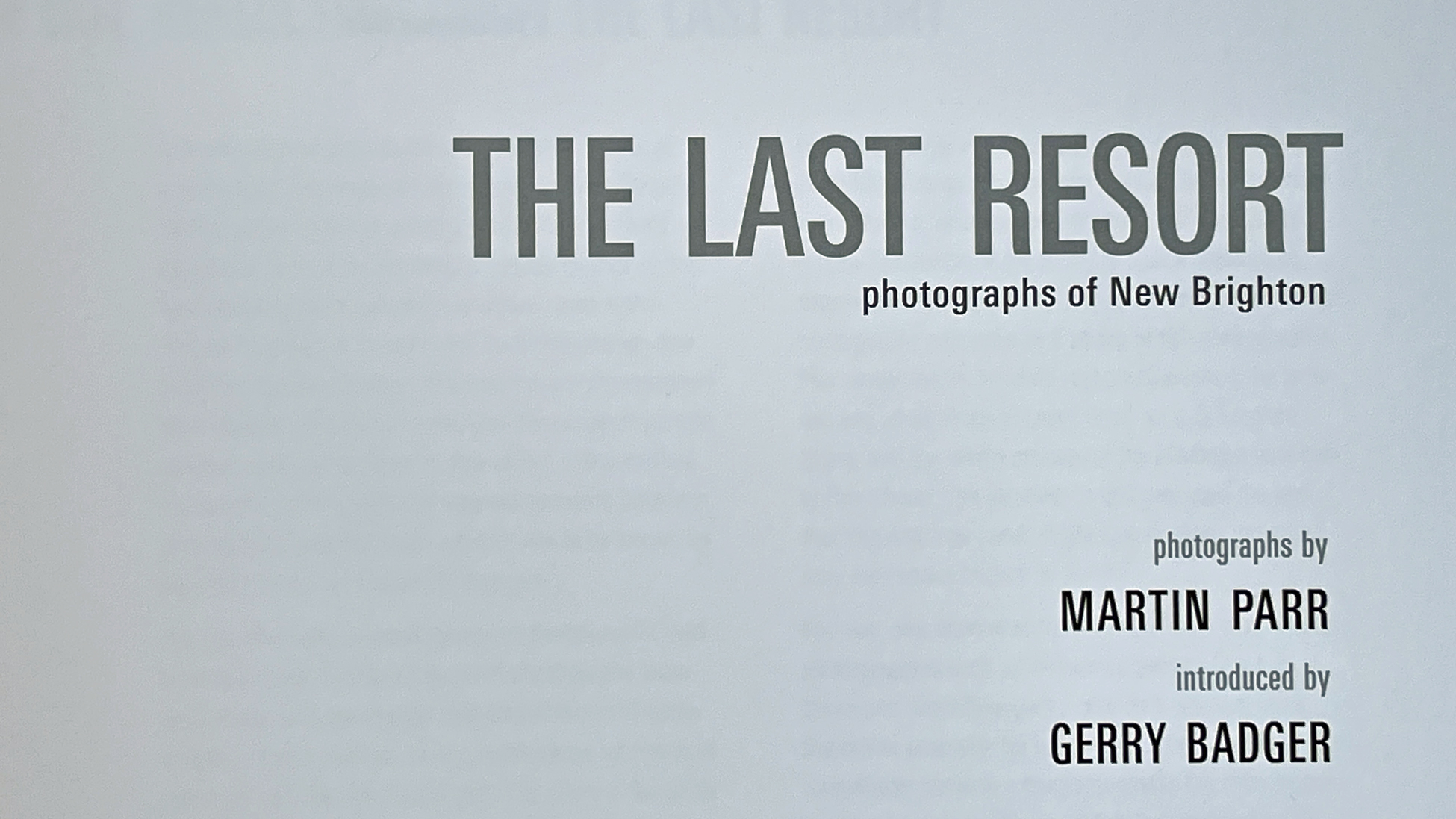
The transition to colour film in the early 1980s marked a significant turning point, allowing Parr to amplify the visual richness and often garish realities of his chosen subjects. This shift culminated in his seminal 1986 book, The Last Resort, which documented British holidaymakers in New Brighton. The collection, renowned for its raw and unvarnished portrayal of leisure activities and the socio-economic realities of working-class Britain, garnered both critical acclaim and controversy. While some found his depiction unflattering, many recognized Parr’s profound ability to capture the zeitgeist of an era, highlighting themes of consumerism, social class, and the sometimes-uncomfortable truths of modern life with a unique blend of empathy and sharp observation. The striking use of flash, which became a signature element in his work, further amplified the colours and manufactured fun, creating images that were both visually arresting and socially resonant.
Magnum Membership and Global Recognition
Parr’s unconventional style, while initially met with some internal debate, ultimately led to his acceptance as a full member of the prestigious Magnum Photos agency in 1994. This induction was a testament to his growing influence and the undeniable impact of his photographic vision on the international stage. Over his career, Parr published an impressive portfolio of over 100 books and his work was exhibited in major institutions worldwide, including the Tate, the Barbican Centre, and the Museum of Modern Art (MoMA). These exhibitions solidified his position as one of the most significant photographers of his generation, celebrated for his ability to dissect and present the complexities of contemporary society.
Beyond his prolific photographic output, Parr was also a respected curator, an avid collector, and a passionate advocate for the art of the photobook. His dedication to the medium extended to the establishment of the Martin Parr Foundation in Bristol. This initiative was founded to support and archive British documentary photography, fostering a legacy for future generations of photographers and researchers interested in documenting the social landscape of Britain. It is important to note that the Foundation’s primary focus has been on British documentary photography, rather than solely street photography, reflecting Parr’s broader artistic concerns.
The Parr Enigma: Satire, Empathy, and the "Eye"
The interpretation of Martin Parr’s work has often been a subject of discussion. His images, characterized by their vibrant, often lurid colours and close-up perspectives, frequently employ satire. While some viewers perceive his photographs as critical or even mocking, others see a profound fascination with British identity, human behaviour, and the everyday rituals of modern life. This duality – the critical eye paired with an underlying empathy – is what makes his work so compelling. Parr himself often stated that he photographed what he saw with fascination, not ridicule, inviting viewers to engage with the complexities of the scenes he captured.
This inherent tension within his work sparks vital conversations about ethics, class, and representation in photography. His visual language is instantly recognizable, characterized by a bold use of flash, unconventional compositions, and a keen eye for the absurdities and ironies of everyday existence. Whether documenting seaside resorts, supermarket aisles, global tourism, or the minutiae of food culture, Parr consistently offered a sharp social commentary that resonated deeply with audiences.
Defining Talent: Parr’s Enduring Influence
The question of whether Martin Parr was a "talented" photographer often hinges on the definition of talent itself. If talent is measured by adherence to classical aesthetics or technical perfection in a traditional sense, Parr’s approach might appear unconventional. However, if talent encompasses the development of a distinct visual voice, the profound influence on a medium, and the ability to capture the authentic truth of a culture, then Parr’s talent is undeniable.
His genius lay in his capacity to elevate the ordinary to the extraordinary. By breaking established photographic conventions with his saturated colours, direct use of flash, and offbeat framing, he forged a unique visual vocabulary. This originality and consistency, coupled with his significant impact on visual culture, cemented his legacy. As he once famously remarked, talent in his case was not about conventional beauty, but about vision – a vision that profoundly shaped how we see and understand the world around us.
Street Photography or Social Documentary? Navigating Parr’s Genre
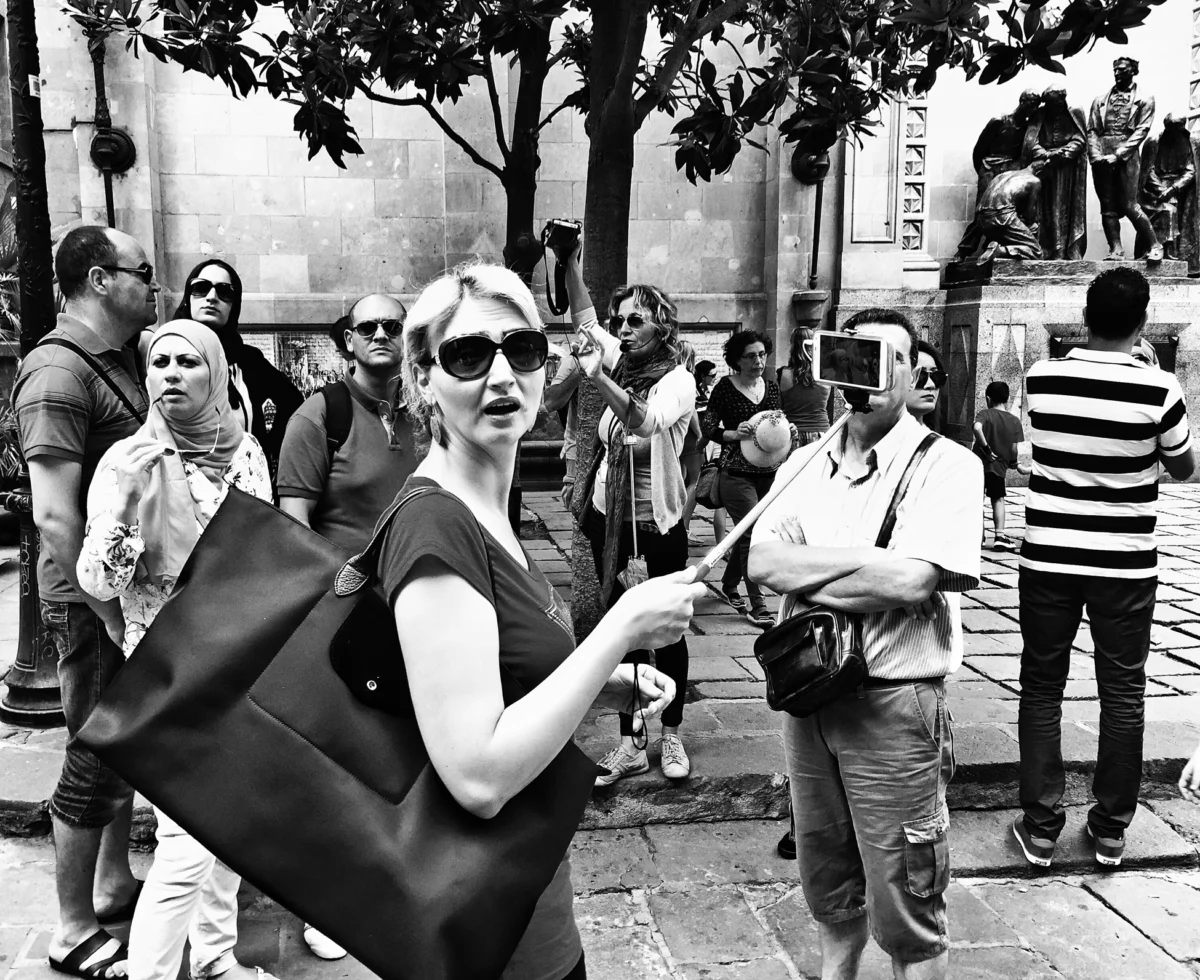
The classification of Martin Parr’s work within established photographic genres, particularly street photography, invites nuanced consideration. While Parr is primarily celebrated as a social documentary photographer, many of his images share core tenets with street photography: spontaneity, keen observation, the engagement with public spaces, and the capture of candid moments. His work often unfolds in the bustling environments of everyday life, revealing the theatre of human interaction.
However, Parr’s methodology diverges from the more traditional approaches of street photographers like Garry Winogrand or Henri Cartier-Bresson. Unlike those who often sought to remain invisible, Parr was known for his direct engagement with his subjects. He frequently employed flash, sometimes overtly, and maintained a close proximity, making his presence an integral part of the photographic act. Furthermore, his work often carried a more conceptual and satirical edge, aiming to offer social commentary rather than merely documenting fleeting human moments.
Therefore, while Parr may not have exclusively identified as a "street photographer," his extensive body of work undoubtedly overlaps with and expands the boundaries of the genre. His approach suggests a redefinition of what street photography could encompass, incorporating a more overt authorial voice and a critical lens.
A Multifaceted Identity: Documentary, Social, and Beyond
Parr’s primary classification as a Documentary Photographer is well-supported by his consistent focus on documenting real life, particularly British culture, consumerism, class dynamics, and social behaviours. His images are deeply rooted in observation and commentary, and while his use of colour and flash might appear stylized, the underlying content remains inherently documentary.

As a Social Photographer, Parr’s work extensively critiques and explores social habits. His keen interest in everyday activities such as shopping, eating, holiday-making, and tourism positions him as a sharp observer of societal quirks and trends.
His engagement with Street Photography is, as discussed, partial but significant. He frequently captures candid moments in public spaces, aligning with street photography principles. However, his satirical approach and more constructed framing distinguish him from the classic street photographers.
The label of Holiday & Travel Photographer is also fitting, especially considering series like The Last Resort and Small World, as well as his broader Magnum projects that documented mass tourism and global travel culture. However, even within this domain, his lens remained critical and ironic.
Ultimately, Parr was not a "general" photographer. His output was characterized by a highly specific focus and a consistent, recognizable style. He did not engage in fashion, studio, wildlife, or commercial photography in the conventional sense.
Legacy and Inspiration
Martin Parr’s passing leaves a profound void in the photographic community. His legacy is not merely in the images he created, but in the way he challenged perceptions and inspired new ways of seeing. For young and enthusiastic photographers, studying Parr’s distinctive style offers a powerful lesson: that beyond technical skill, it is the "eye" – the unique perspective and interpretive vision – that truly elevates a photographer. His work serves as a testament to the power of observation, humour, and a critical engagement with the world, reminding us that the most compelling stories are often found in the most ordinary of places.
While this account focuses on his professional achievements, it is worth noting that personal interactions, such as the author’s own "unpleasantly memorable" experience at a book signing, can offer a different dimension to the public persona of any artist. However, the overarching narrative of Martin Parr is one of a groundbreaking artist who irrevocably shaped the landscape of contemporary photography through his singular vision and unwavering dedication to documenting the human condition. His work will continue to be studied, debated, and admired for generations to come.