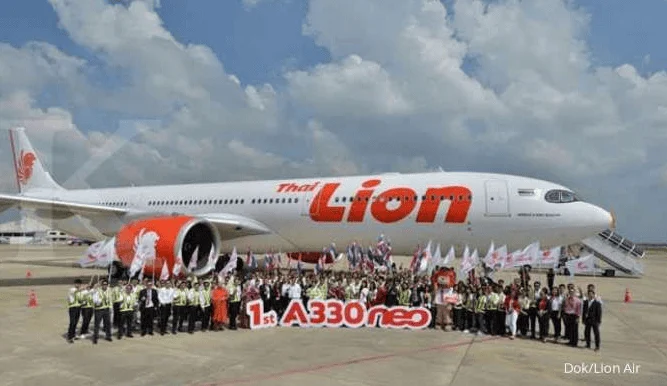
The aviation landscape in Southeast Asia witnessed a significant technological advancement on October 7, 2021, as Thai Lion Air officially welcomed its first two Airbus A330neo aircraft into its growing fleet. The arrival of these state-of-the-art wide-body jets at Don Mueang International Airport in Bangkok marks a pivotal moment for the low-cost carrier, signaling a robust commitment to long-haul international expansion and a modernized approach to air cargo logistics. The two aircraft, which completed their delivery flight directly from the Airbus production facility in Toulouse, France, were greeted with a traditional blessing ceremony and a water cannon salute, highlighting the importance of this acquisition for the airline’s post-pandemic recovery strategy.
The ceremony was attended by high-ranking officials and industry stakeholders, including the Ambassador of France to Thailand and the Head of Airbus Thailand. Their presence underscored the international cooperation involved in the delivery and the strategic importance of the Airbus-Thailand relationship. This delivery is part of a broader fleet renewal program aimed at enhancing operational efficiency, reducing environmental impact, and providing a more competitive product in the increasingly crowded long-haul low-cost market.
Engineering Excellence: The Technical Profile of the Airbus A330neo
The Airbus A330neo (New Engine Option) represents the latest evolution of the highly successful A330 family, integrating advanced materials and propulsion technology to set new standards in the mid-size wide-body segment. For Thai Lion Air, the choice of the A330-900 variant provides a versatile platform capable of serving high-demand regional routes as well as long-distance international destinations.
Central to the aircraft’s performance are the Rolls-Royce Trent 7000 engines. These powerplants are designed to deliver a significant reduction in fuel consumption—approximately 25% lower fuel burn per seat compared to previous-generation competitors. This efficiency is achieved through a high bypass ratio and the incorporation of technology derived from the Trent XWB used on the Airbus A350. For a low-cost carrier like Thai Lion Air, where fuel typically constitutes the largest portion of operating expenses, the A330neo provides a crucial buffer against volatile energy prices.
Aerodynamically, the A330neo features a redesigned wing with an increased span of 64 meters, up from the 60.3 meters of the A330ceo (Current Engine Option). The wing is equipped with specially developed curved winglets, or "sharklets," which reduce drag and improve lift. These enhancements allow the aircraft to operate with a maximum takeoff weight (MTOW) that supports longer ranges—up to 7,200 nautical miles (13,334 kilometers)—enabling Thai Lion Air to reach deep into North Asia, Australia, and potentially Eastern Europe from its Bangkok hub.
Passenger Experience and the Airspace Cabin Concept
While operational efficiency drives the airline’s bottom line, the passenger experience is defined by the "Airspace by Airbus" cabin philosophy. Thai Lion Air has configured its A330neo fleet in a high-density, single-class layout capable of accommodating up to 436 passengers. This configuration is optimized for the low-cost long-haul model, allowing the airline to offer competitive pricing by maximizing the number of seats available per flight.
Despite the high seat count, the Airspace cabin offers several qualitative improvements over older wide-body designs. The cabin features redesigned overhead bins that provide significantly more space for carry-on luggage, a common pain point for budget travelers. Additionally, the aircraft is equipped with advanced LED mood lighting systems that can be programmed to simulate different times of day, helping to reduce the effects of jet lag on long-duration flights. The A330neo also boasts one of the quietest cabins in its class, utilizing advanced sound-damping materials to enhance passenger comfort.
The integration of modern In-Flight Entertainment (IFE) options and power outlets at every seat ensures that the digital needs of modern travelers are met. By combining a high-capacity layout with modern cabin amenities, Thai Lion Air aims to bridge the gap between affordability and a premium-feeling travel environment.
Strategic Chronology: From Regional Player to Long-Haul Competitor
The delivery of the A330neo must be viewed within the context of Thai Lion Air’s historical growth. Established in 2013 as a joint venture between the Indonesian Lion Air Group and Thai partners, the airline initially focused on domestic routes using a fleet of Boeing 737 aircraft. However, the ambition to connect Bangkok with major international hubs required a transition to wide-body operations.
The timeline of this expansion reflects a calculated move into the "long-haul low-cost" (LHLC) segment:
- 2013–2017: Rapid domestic expansion and the establishment of a secondary hub at Don Mueang.
- 2018: Introduction of the first wide-body aircraft (A330-300) to test international markets, specifically targeting China and Japan.
- 2019: Placement of orders for the A330neo through the Lion Air Group to replace older wide-body tonnage and increase capacity.
- 2020: The global pandemic grounds much of the fleet, leading to a temporary suspension of international expansion plans.
- October 2021: The arrival of the first two A330neos signals the start of the recovery phase and a commitment to modernized long-haul travel.
This chronology demonstrates that despite the unprecedented challenges posed by the COVID-19 pandemic, the airline’s leadership maintained its long-term vision. The A330neo is not merely a replacement for older aircraft but a tool for aggressive growth as international borders gradually reopen.
Operational Strategy and the Role of Air Cargo
The timing of the A330neo’s arrival in late 2021 was particularly strategic regarding the global cargo market. During the pandemic, passenger traffic plummeted, but the demand for air freight surged due to disruptions in maritime shipping and the urgent need for medical supplies and e-commerce deliveries.
The A330neo offers a substantial under-floor cargo capacity, which Thai Lion Air intends to utilize to diversify its revenue streams. By carrying belly-hold cargo on scheduled passenger flights—or even operating "preighter" flights (passenger aircraft used solely for cargo)—the airline can improve the break-even load factor of its long-haul routes. The efficiency of the Trent 7000 engines makes these cargo operations more viable even when passenger numbers are low, providing a critical financial cushion during the transition back to normal tourism levels.
The airline has indicated that initial routes for the A330neo will focus on high-traffic corridors connecting Bangkok to major cities in North Asia, including Tokyo, Osaka, Seoul, and various tier-one cities in China. These routes are characterized by both high passenger demand and significant cargo requirements for electronics, automotive parts, and perishables.
Industry Impact and the "Phuket Sandbox" Context
The introduction of these aircraft occurred as Thailand was pioneering the "Phuket Sandbox" and other reopening initiatives designed to jumpstart the tourism sector, which accounts for roughly 12% to 20% of the nation’s GDP. The arrival of high-capacity, fuel-efficient aircraft like the A330neo provides the necessary infrastructure to bring large volumes of tourists back to the country at a lower cost to both the airline and the environment.
From a competitive standpoint, Thai Lion Air’s acquisition of the A330neo places it in direct competition with other regional giants such as AirAsia X and Thai Airways. By operating from Don Mueang International Airport, Thai Lion Air maintains a lower cost base compared to airlines operating primarily out of Suvarnabhumi Airport, allowing it to pass savings on to consumers.
Furthermore, the environmental aspect of the A330neo cannot be overlooked. As the aviation industry faces increasing pressure to reduce its carbon footprint, the 25% reduction in CO2 emissions offered by the neo variant aligns with Thailand’s broader goals for sustainable development and "Green Tourism." This modernization helps the airline stay ahead of potential carbon taxes and environmental regulations that are expected to become more stringent in the coming decade.
Diplomatic and Economic Significance
The delivery ceremony highlighted the deep economic ties between Thailand and France, the home of Airbus. The French Ambassador’s presence emphasized that such transactions are more than just commercial deals; they are pillars of international trade that support thousands of high-tech jobs in Europe and infrastructure development in Southeast Asia.
Airbus has a significant footprint in Thailand, including a flight training center and partnerships for maintenance, repair, and overhaul (MRO) services. The addition of the A330neo to the Thai Lion Air fleet strengthens this ecosystem, ensuring that local pilots, engineers, and ground crew gain experience with the latest aviation technologies. This knowledge transfer is vital for the long-term health of Thailand’s aerospace sector.
Future Outlook: Navigating a Post-Pandemic Sky
As Thai Lion Air integrates the A330neo into its daily operations, the focus remains on flexibility. While the initial plans were tempered by the lingering effects of travel restrictions in late 2021, the airline’s management expressed consistent optimism. The A330neo is viewed as a "future-proof" asset—capable of making money on shorter regional hops during periods of low demand, while possessing the range and efficiency to dominate long-haul markets as they mature.
The investment in the A330neo is a clear signal that Thai Lion Air does not intend to remain a domestic-focused carrier. Instead, it is positioning itself as a major international player, capable of connecting Thailand to the world with modern, efficient, and passenger-friendly aircraft.
In conclusion, the arrival of the first two Airbus A330neo aircraft at Don Mueang International Airport represents a landmark achievement for Thai Lion Air. By combining cutting-edge Rolls-Royce engine technology, superior aerodynamic design, and the high-capacity Airspace cabin, the airline is well-equipped to navigate the complexities of the modern aviation market. This fleet expansion not only enhances the airline’s competitive edge but also serves as a catalyst for the broader recovery of Thailand’s tourism and trade sectors, marking the beginning of a new chapter in the nation’s aviation history.