The landscape of digital imaging has undergone a seismic shift over the last decade, transitioning from the dominance of bulky Digital Single-Lens Reflex (DSLR) cameras to the sleek, pocket-sized sophistication of the smartphone. Central to this revolution is the iPhone, a device that has democratized high-quality photography and turned millions of casual users into amateur and professional creators. As mobile hardware continues to evolve, the focus has shifted from merely capturing images to mastering the art of the "compelling portrait." Industry data suggests that portraiture remains the most popular genre of mobile photography, driven by the rise of social media platforms like Instagram and TikTok, where the human face is the primary currency of engagement.
According to recent market research, over 1.2 trillion digital photos are taken annually, with nearly 90% of those captured on smartphones. This sheer volume of content has created a "visual fatigue," necessitating more creative approaches to stand out. To move beyond the standard "Point-and-Shoot" methodology, photographers are increasingly adopting professional-grade techniques—ranging from high-contrast lighting to complex prop integration—to elevate their mobile portfolios.
The Evolution of the iPhone Camera: A Chronology of Innovation
To understand the current state of iPhone portraiture, one must look at the technological trajectory that brought us here. The journey began in 2007 with the original iPhone’s 2-megapixel camera, which lacked autofocus and flash. However, the true turning point for portraiture arrived in 2016 with the iPhone 7 Plus and the introduction of "Portrait Mode." This feature utilized dual-lens technology to create a "bokeh" effect—the aesthetic quality of out-of-focus blur in the background—previously only achievable with wide-aperture lenses on professional cameras.
By 2018, the iPhone XS introduced Depth Control, allowing users to adjust the blur intensity after the photo was taken. The integration of the LiDAR scanner in the iPhone 12 Pro series further refined this, enabling faster autofocus in low light and more accurate depth mapping. Today, the latest iterations of the iPhone utilize "Computational Photography," where the device’s Neural Engine performs trillions of operations per second to balance highlights, shadows, and skin tones, providing a sophisticated canvas for creative experimentation.
1. Leveraging High-Contrast Lighting for Dramatic Impact
One of the most effective ways to break away from mundane imagery is the utilization of high-contrast lighting. In journalistic and artistic terms, this is often referred to as chiaroscuro, a technique that uses strong contrasts between light and dark to affect a whole composition. High-contrast light occurs when a scene contains both intense brightness and deep shadows with very little transitional mid-tone.
For the iPhone photographer, a sunny day provides the ideal laboratory for this technique. By positioning a subject where bright sunlight meets a hard shadow—such as the edge of a building or a stark interior doorway—the photographer can create a sense of mystery. Technical experts suggest tapping the iPhone screen on the subject’s face to set the focus and then manually swiping the exposure slider (the sun icon) downward. This ensures the shadows become truly black, isolating the subject and creating a "moody" aesthetic. This approach is particularly effective for black-and-white conversions, as it emphasizes form and texture over color.
2. The Art of Light Patterns and Textures
Beyond simple light and dark, the introduction of patterns can transform a standard portrait into a complex work of art. These patterns can be found in the natural environment, such as sunlight filtering through tree leaves or the geometric shadows cast by a picket fence. Indoors, window blinds or beveled glass can serve as "gobos"—a professional term for "go-betweens" that shape light.
Creative practitioners also advocate for the use of household objects to manipulate light. A simple kitchen strainer or a piece of lace held between the light source and the subject can cast intricate shadows across the face. Industry analysts note that these "textural" portraits often see higher engagement on visual platforms because they invite the viewer to linger on the details of the image. When capturing these shots, reducing the exposure is critical to prevent "blown-out" highlights on the skin, maintaining the integrity of the pattern.
3. Creative Posing and Perspective Shifts
The psychology of a portrait is heavily influenced by the subject’s pose and the camera’s angle. Traditional portraits are often taken at eye level, which provides a neutral, relatable perspective. However, to create a more "compelling" image, photographers are encouraged to experiment with unconventional angles.
The "low-angle" shot, where the iPhone is placed near the ground and tilted upward, can imbue the subject with a sense of power or dynamism. Using the iPhone’s wide-angle lens in this position can exaggerate perspective, making a simple action—like a step toward the camera—appear heroic.
Furthermore, posing the subject’s hands to frame the face creates a "natural frame" within the digital frame. This technique directs the viewer’s eye immediately to the subject’s expression. Experts in body language suggest that having a subject tilt their head or place a hand lightly on the neck can shift the mood from a standard headshot to a more "sensual" or "vulnerable" portrait, adding layers of emotional depth to the photograph.
4. Evoking a Dreamy Aesthetic Through Movement
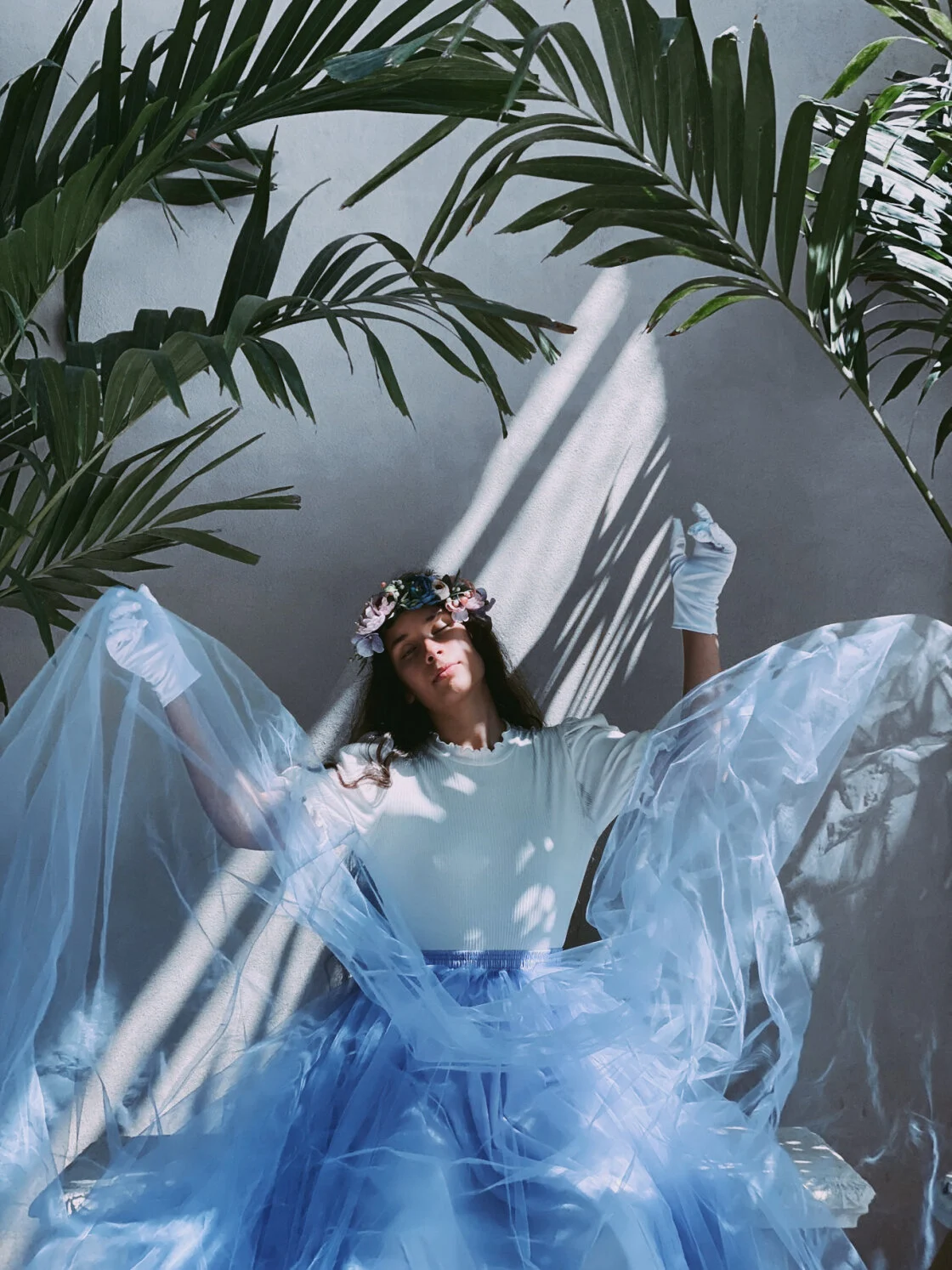
While sharpness is often the goal in photography, the intentional use of movement can evoke a "dreamy" or ethereal mood. This is achieved through a combination of subject relaxation and technical features like "Burst Mode." By having a subject wear flowing fabrics or long dresses and asking them to move or toss the fabric, the photographer can capture the fluid dynamics of the material.
The iPhone’s Burst Mode is an essential tool for this, as it captures 10 frames per second, allowing the photographer to choose the exact millisecond where the fabric and the subject’s expression are in perfect harmony. From a psychological standpoint, asking a subject to close their eyes or look away from the lens can remove the "confrontational" nature of a portrait, leading to a more peaceful, introspective image that resonates with viewers on a subconscious level.
5. Posing for Dual-Subject Portraits
Photographing two people—whether they are siblings, couples, or friends—presents unique challenges in composition. The most common mistake is having both subjects stand side-by-side, looking directly at the camera. To counter this, photographers are utilizing "depth-based" posing. By placing one subject closer to the lens and the other slightly behind, the image gains a three-dimensional quality.
Another creative technique involves "partial framing," where only half of each person’s face is visible in a close-up. This emphasizes the connection between the two individuals, suggesting they are two halves of a whole. For couples, focusing on the emotional connection rather than the camera—such as having them look at each other or into the distance while embracing—creates a narrative that feels authentic rather than staged.
6. Storytelling Through Prop Integration
In the realm of professional photography, props are not merely accessories; they are storytelling devices. The choice of a prop can immediately communicate a theme: a vintage car suggests a specific era, while a coffee cup and a book evoke a sense of "hygge" or coziness.
The use of flowers has become a staple in creative iPhone portraiture, serving as symbols of growth, beauty, or even fragility. More avant-garde approaches involve using props like blindfolds or unconventional materials to convey internal emotional states. Analysis of successful "Shot on iPhone" campaigns shows that images with a clear narrative element—facilitated by props—tend to be more memorable and impactful than those without.
7. Wardrobe Styling and Environmental Harmony
The final pillar of a compelling portrait is styling. The color and texture of a subject’s clothing must interact intentionally with the background. Professional stylists often use color theory to guide these choices:
- Harmonious Styling: Choosing colors that match the environment (e.g., neutral tones in a forest) creates a calming, unified image.
- Contrasting Styling: Using a "pop" of color (e.g., a red dress in a gray city street) ensures the subject remains the undeniable focal point.
Industry experts emphasize that the outfit should reflect the subject’s personality while adhering to the shoot’s theme. Whether it is the "grungy" aesthetic of an urban environment or the "glamour" of a sequined outfit in a high-contrast setting, the wardrobe serves as the final layer of the creative vision.
Broader Impact and the Future of Mobile Artistry
The techniques outlined above represent more than just "tips"; they signify the professionalization of a medium once dismissed as a hobby. The broader implication of this shift is the democratization of visual storytelling. As more individuals master these "easy" yet effective ways to capture portraits, the barrier to entry for the creative industries continues to lower.
Educational platforms, such as the iPhone Photography School, have seen a surge in enrollment, indicating a global desire to move beyond the "selfie" and toward meaningful portraiture. As Aeriel Orndorff, a prominent iPhone photographer, notes, the creative freedom provided by the iPhone allows for an agility that traditional cameras cannot match.
Looking forward, the integration of Artificial Intelligence (AI) into the iPhone’s image processing will likely automate some of these creative choices, such as lighting adjustments and background manipulation. However, the fundamental elements—the pose, the story, and the human connection—will remain the domain of the photographer. The iPhone is no longer just a communication device; it is a sophisticated instrument of art, capable of producing compelling portraits that rival the work of the masters of the past. For the modern creator, the only remaining limit is their own imagination.