The 98th annual Academy Awards ceremony, held recently, served as a global spotlight on cinematic excellence, particularly highlighting the extraordinary achievements in visual storytelling over the past year. As an industry and public fascination with the intricate craft of filmmaking continues to grow, the category of Best Cinematography garnered significant attention, celebrating the directors of photography who pushed artistic and technological boundaries to create indelible images. This year’s slate of nominees and winners exemplified a diverse array of approaches, from the revival of vintage film formats to the pioneering use of custom-engineered digital camera systems, each meticulously chosen to serve the unique narrative and thematic core of its respective film. This detailed exploration delves into the sophisticated gear and visionary techniques employed by these master cinematographers, unraveling how their choices sculpted the visual masterpieces recognized by the Academy.
The Academy Awards, an annual tradition since 1929, are not merely a celebration but a crucial benchmark for artistic and technical innovation within the film industry. The "Best Cinematography" award, in particular, recognizes the director of photography’s paramount role in translating a director’s vision into a compelling visual language. This past year, the discourse around cinematography reached a fever pitch, driven by films that consciously manipulated light, shadow, color, and frame to evoke profound emotional responses and immerse audiences in their distinct worlds. The selections underscored a fascinating dichotomy: a renewed appreciation for the tactile, organic qualities of celluloid film, alongside a relentless pursuit of cutting-edge digital capabilities, often blended to achieve unprecedented aesthetic results. The discussions leading up to the 98th ceremony emphasized how these visual architects employed their tools—from specific camera bodies and lenses to lighting strategies and aspect ratios—not as mere recording devices, but as extensions of their artistic intent, shaping perceptions and enhancing narrative depth in ways previously unimagined.
Bugonia: Distorted Realities Through Vintage Formats
Yorgos Lanthimos’s Bugonia, a film that continued his renowned collaboration with cinematographer Robbie Ryan, stood out for its audacious visual language, perfectly mirroring the film’s themes of obsession and paranoia. Ryan, celebrated for his work on Lanthimos’s previous projects like Poor Things and The Favourite, consciously employed a visual strategy that embraced distortion and claustrophobia. The primary cameras used were the Vistavision Wilcam W-11 and ARRIFLEX 435 & 435 HS. The choice of Vistavision, a large-format motion picture film format originally developed by Paramount Pictures in the 1950s, signifies a deliberate artistic decision. Vistavision’s larger negative area, running horizontally across the film strip, yields a much higher resolution image compared to standard 35mm, offering a richness and depth often sought by filmmakers aiming for a unique texture that digital formats struggle to replicate directly. The ARRIFLEX 435 and 435 HS, workhorse 35mm film cameras known for their reliability and versatility, complemented the Vistavision for sequences requiring greater portability or different lens characteristics.
Ryan’s genius lay in pairing these film cameras with extreme wide-angle and fisheye lenses. This combination was not merely a stylistic flourish but a deliberate narrative tool. The resulting distorted perspectives visually articulated the characters’ skewed realities and psychological fragmentation. The wide-angle lenses, often associated with a sense of grandeur or expansive landscapes, were here repurposed to create an unsettling, almost suffocating intimacy within confined spaces, forcing the audience into a disorienting, funhouse-mirror view of the world. This expert level of filmmaking transformed the viewing experience, subtly prompting audiences to question their own perceptions in a manner both quirky and profoundly unsettling, a hallmark of Lanthimos’s unique cinematic voice. The tactile grain of the film stock, combined with the optical characteristics of these specialized lenses, contributed to an aesthetic that felt both timeless and eerily modern.
F1: Redefining High-Speed Action Cinematography
The highly anticipated F1 project represented a monumental leap forward in practical action filmmaking, spearheaded by the Oscar-winning cinematographer Claudio Miranda. Building upon the groundbreaking techniques pioneered for Top Gun: Maverick, the production embarked on an ambitious endeavor: mounting real cinema cameras onto custom-modified Formula 2 cars, driven at speeds exceeding 150 mph by stars Brad Pitt and Damson Idris. This approach aimed to capture unparalleled authenticity and immersion, moving beyond reliance on CGI for high-speed sequences.
The technological cornerstone of this achievement was the collaboration between Miranda and Sony, which led to the development of "Carmen"—a bespoke, miniaturized 6K sensor-on-a-stick prototype. Approximately a quarter of the size of a standard cinema camera like the Sony Venice 2 (which was also used for broader sequences), Carmen was engineered specifically to address the extreme constraints of Formula 1 aerodynamics and driver visibility. Its compact form factor allowed for strategic placement on the car’s "halo" and chassis without interfering with performance or safety. These high-tech rigs were capable of providing up to seven simultaneous camera angles, each fully remote-controlled for pan and tilt, enabling cinematographers to capture dynamic, visceral perspectives from within the cockpit and across the vehicle’s exterior. The DJI Ronin 4D, a revolutionary all-in-one cinema camera system with integrated 4-axis stabilization, further contributed to the film’s smooth yet kinetic visual style, particularly for ground-level and tracking shots around the race environment. The seamless integration of these advanced digital tools allowed F1 to achieve a level of practical action realism that sets a new benchmark for the genre, immersing audiences directly into the heart of high-octane motorsport.
Hamnet: The Intimacy of a "Ghost Camera"
Chloé Zhao’s Hamnet, a poignant historical drama, featured a strikingly intimate visual language meticulously crafted by cinematographer Łukasz Żal. Żal, already a two-time Academy Award nominee for his evocative black-and-white work on Ida and Cold War, brought his signature observational style to this project. For Hamnet, the chosen instrument was the ARRI Alexa 35, a digital cinema camera renowned for its exceptional dynamic range, natural color rendition, and robust low-light performance. This camera was instrumental in achieving the film’s distinctive aesthetic.
Żal’s cinematography embraced what he described as a "ghost camera" perspective—an observational, often drifting lens that moved through scenes with a quiet, non-judgmental weight, akin to "death’s point of view." This technique created a profound sense of intimacy and melancholy, allowing the audience to feel like unseen witnesses to the private grief and creative struggles of its characters. The ARRI Alexa 35’s ability to render subtle gradations of light and shadow, combined with its organic image quality, perfectly suited Żal’s minimalist approach. The camera became an almost ethereal presence, unobtrusively capturing raw human emotion and the delicate interplay of light within the historical settings. This method fostered a deep empathy with the characters, inviting viewers to contemplate themes of loss, memory, and artistic legacy through a lens that felt both detached and deeply personal.
Frankenstein: Large-Format Gothic Reimagined
Guillermo del Toro’s Frankenstein, a visually opulent reimagining of the classic gothic horror tale, saw cinematographer Dan Laustsen employ a sweeping, large-format visual style to modernize the aesthetic while honoring its dark origins. Shot entirely on the ARRI ALEXA 65, the film leveraged the camera’s immense sensor size and resolution. The ALEXA 65, with its larger-than-full-frame sensor, captures an unparalleled level of detail and offers a unique depth of field, creating an immersive, painterly quality ideal for del Toro’s fantastical worlds.
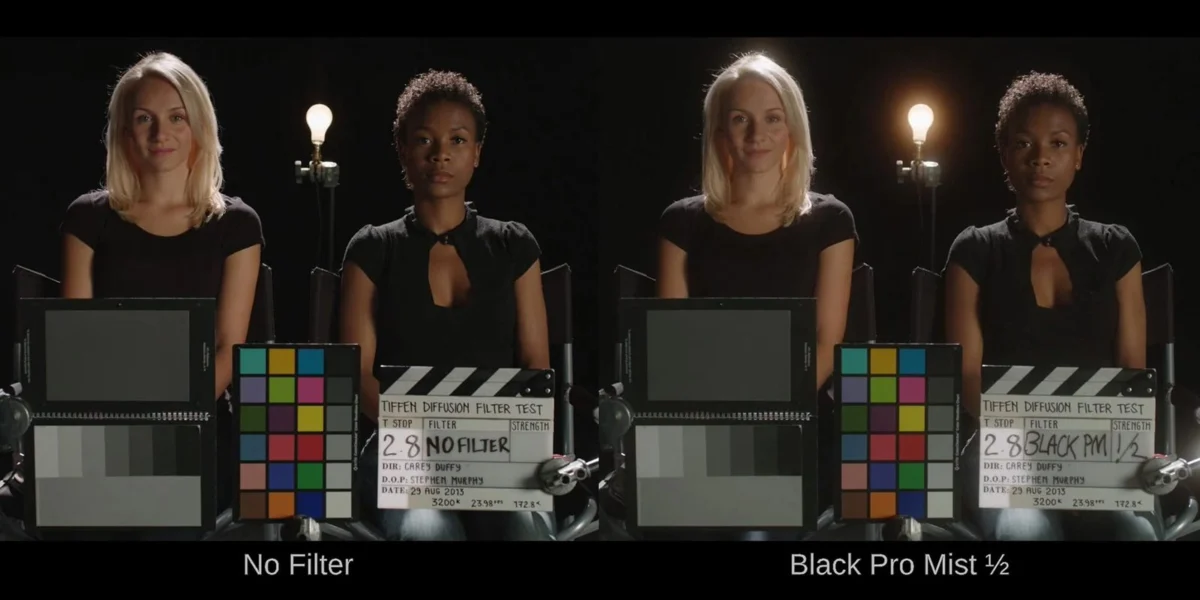
Laustsen paired the ALEXA 65 with Leitz THALIA 65 lenses, specifically designed for large-format capture. Remarkably, nearly 90% of the film was shot using a 24mm wide-angle lens, a bold choice for a character-driven drama. This wide-angle preference allowed Laustsen to capture expansive environments while maintaining a sense of claustrophobia and the imposing presence of the creature. To counteract the inherent digital sharpness of the ALEXA 65 and infuse the film with a classic, softer glow befitting its gothic nature, Laustsen utilized custom Black Pro-Mist diffusion filters. Crucially, these filters were placed behind the lens, a less common technique that allows for a more subtle and integrated diffusion effect. This placement "burns out" highlights in a delicate manner, creating a soft halation around light sources, while critically preserving the deep, rich blacks essential to the film’s moody and atmospheric horror. The combination of large format, wide lenses, and meticulous diffusion created a Frankenstein that was both technically cutting-edge and timelessly eerie.
Marty Supreme: The Painterly Texture of 35mm Anamorphic
Josh Safdie’s Marty Supreme, a high-stakes drama set in the world of table tennis, saw cinematographer Darius Khondji make a definitive statement by disregarding modern digital aesthetics in favor of a richly textured, "painterly" 35mm film look. Khondji, known for his masterful use of film stock and light, shot primarily on Arricam LT and ST cameras, utilizing Kodak Vision3 500T film. This specific film stock is celebrated for its fine grain, wide exposure latitude, and beautiful color rendition, providing a visual warmth and organic quality often sought for character-driven narratives.
To further enhance this classic cinematic feel, the production employed vintage Panavision B and C Series anamorphic lenses. These lenses, with their unique optical characteristics—such as distinctive oval bokeh, subtle barrel distortion, and signature anamorphic flares—imparted a classic, widescreen grandeur while adding a layer of visual imperfection and character. Khondji’s visual strategy was marked by an audacious reliance on tight telephoto shots, frequently using exceptionally long lenses, some extending up to 360mm. This extreme telephoto approach created a compressed perspective and an exceptionally shallow depth of field, which served to isolate protagonist Timothée Chalamet from his environment. This technique made Marty appear "larger than life" within the frame, reflecting his internal struggles and the immense pressure he faces in the competitive table tennis world. The compressed background also simulated an observational, almost voyeuristic feel, drawing the audience intimately into Marty’s psychological space and underscoring the intense scrutiny he endures. The deliberate choice of film, vintage lenses, and extreme focal lengths crafted a visual experience that was both gritty and profoundly expressive.
One Battle After Another: A VistaVision Revival for a 70s Thriller
My personal favorite among the nominees, One Battle After Another, brilliantly revived the VistaVision format to capture the raw, gritty essence of a 1970s-inspired political thriller. The film consciously drew inspiration from seminal 1970s classics like The French Connection, aiming for an authentic period aesthetic that felt both contemporary and timeless. By utilizing a 1.50:1 aspect ratio and large negative spacing throughout, the filmmakers meticulously recreated the visual texture of that era.
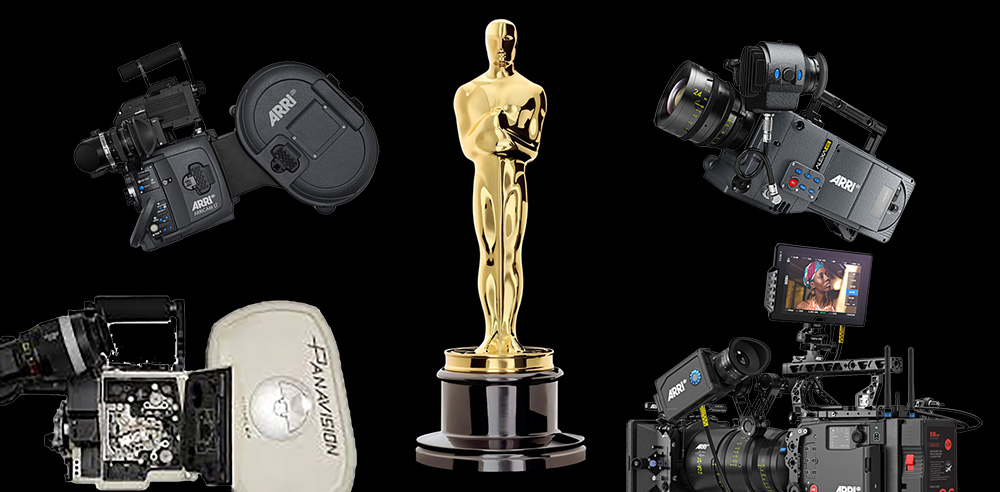
The technical backbone of this achievement included the Beaumont Vistavision camera and the Panavision Millennium XL2, a versatile 35mm film camera. The choice of VistaVision was central to achieving the desired high-resolution, large-format film look, contributing to the film’s immersive quality. To achieve a specific optical texture reminiscent of the 70s, Panavision’s legendary lens guru, Dan Sasaki, developed a custom set of prototype spherical lenses, affectionately dubbed "GWs." These lenses were painstakingly designed to emulate the unique optical characteristics of the glass used by legendary cinematographer Gordon Willis, whose iconic work on films like The Godfather Part II and All the President’s Men defined the visual grammar of the era. The "GWs" lenses imbued the images with a subtle softness, specific flare characteristics, and color rendition that immediately evoked the period. The cinematography skillfully balanced detailed California landscapes with suffocating, long-lens close-ups, creating a dynamic visual rhythm that mirrored the film’s escalating tension. One Battle After Another stands as a testament to the power of historical homage combined with cutting-edge optical engineering, delivering a modern masterpiece that feels authentically rooted in the cinematic language of the 1970s and 80s.
Train Dreams: Evoking Photographic Memory with Digital Nuance
In Train Dreams, cinematographer Adolpho Veloso crafted a visual language deeply rooted in the concept of "photographic memory," transporting audiences to an earlier epoch with a rare and evocative 3:2 aspect ratio. This specific ratio was chosen to deliberately evoke the feel of vintage still portraits from the early 20th century, imbuing the narrative with a sense of historical authenticity and nostalgic contemplation. The film was shot digitally on the ARRI Alexa 35, a choice that underscored the camera’s versatility in achieving highly specific, non-traditional aesthetics.
Veloso’s commitment to authenticity extended to his lighting philosophy: almost exclusively natural light was utilized, complemented by real campfires and candles as the primary artificial light sources. This approach presented significant technical challenges, demanding a camera with exceptional low-light performance and dynamic range, capabilities for which the ARRI Alexa 35 is highly regarded. The resulting imagery possessed a textured, organic feel, with light falling naturally and softly on faces and environments. Shadows deepened authentically, and the flickering glow of firelight added a primal, tangible quality to each scene. This meticulous attention to light and composition, combined with the unique aspect ratio, allowed Train Dreams to visually articulate its themes of memory, history, and the passage of time, making every frame feel like a rediscovered historical artifact imbued with profound emotional resonance.
Sentimental Value: A Dual-Format Journey Through Memory
Joachim Trier’s Sentimental Value (2025) showcased cinematographer Kasper Tuxen’s masterful use of a dual-format visual strategy to navigate the film’s intricate themes of memory, family, and reconciliation. The primary narrative, exploring contemporary events and character relationships, was beautifully captured on 35mm Kodak film using the Arricam LT, paired with Cooke 5/i lenses. The choice of 35mm film provided a classic, rich aesthetic with a subtle grain structure and naturalistic color palette, allowing for a nuanced portrayal of emotional depth and human connection. Cooke lenses are renowned for their "Cooke Look"—a gentle, warm rendition that is flattering to skin tones and offers smooth focus fall-off, contributing to the film’s intimate feel.
To visually distinguish the film-within-a-film sequences and historical flashbacks, the production made a deliberate and impactful shift to 16mm film. This change in format immediately conveyed a sense of the past, with 16mm film inherently possessing a coarser grain and a different textural quality. Further enhancing this historical differentiation, the 16mm footage underwent a bleach bypass process. This photochemical technique, which skips or reduces the bleaching step during film processing, results in a higher contrast, desaturated, and grittier image. The effect was transformative, giving these segments a "crustier, older look" that visually underscored their separation from the present narrative. This sophisticated dual-format approach, meticulously executed by Tuxen, served as a powerful storytelling device, allowing the audience to instinctively grasp shifts in time and perspective, thereby deepening the film’s exploration of how past events shape present realities and memories.
Secret Agent: Vibrant Oppression in 1970s Brazil
In The Secret Agent, cinematographer Evgenia Alexandrova masterfully employed a vibrant and specific palette to render the oppressive atmosphere of 1970s Brazil. The film was primarily shot on the ARRI Alexa 35, chosen for its exceptional color science and ability to handle a wide range of lighting conditions. This modern digital camera was paired with vintage Panavision B Series anamorphic lenses, a combination that offered a rich blend of contemporary clarity and classic optical characteristics. The vintage anamorphic lenses contributed distinctive flares, unique bokeh, and a subtle softening of the image, imbuing the visuals with a nostalgic, slightly "woozy" quality that evoked the period.
Alexandrova’s cinematography embraced a "360-degree" philosophy, utilizing wide shots that not only captured the grandeur of Recife and São Paulo but also immersed the audience fully in the historical textures of the bustling, politically charged environments. This approach ensured that the setting itself became a character, reflecting the societal pressures and vibrant chaos of the era. A key element of Alexandrova’s visual strategy was the use of saturated primary colors, often juxtaposed with a distinctive reddish undertone in the shadows. This specific color grading choice created a palpable sense of "nostalgic heat" and subtle unease, reflecting both the tropical climate and the underlying political tension. The reddish shadows, in particular, imbued the scenes with a latent menace and a feeling of being perpetually observed, effectively translating the film’s themes of surveillance and political intrigue into a powerful visual language.
Sinners: IMAX Grandeur for Gothic Dread
Ryan Coogler’s Sinners presented a formidable challenge to cinematographer Autumn Durald Arkapaw: to craft a gothic aesthetic that anchored supernatural horror in a tangible, historical reality of the early 1900s South. The solution was an ambitious large-format approach, shot entirely on IMAX-certified digital cameras, including the IMAX MSM 9802 and MKIV, alongside the Panavision System 65. These cameras are renowned for their ability to capture immense detail and provide an unparalleled immersive experience, particularly when projected in true IMAX theaters.
Arkapaw paired these behemoth cameras with custom-tuned Panavision Specho spherical lenses, carefully calibrated to deliver a specific visual character while leveraging the high resolution of the IMAX sensors. The film utilized an ultra-wide 1.43:1 aspect ratio for its most sequence-heavy moments, a choice that created a profound sense of "towering dread" in the early 1900s Southern landscapes. This expansive framing emphasized the vast, often menacing, environments against which the human drama unfolded. Durald Arkapaw’s lighting strategy was a stark departure from the typical "Hollywood blue" of night scenes, opting instead for a "true black" philosophy. In many sequences, characters were deliberately silhouetted against isolated light sources like firelight or the harsh, singular glare of period-accurate lanterns. This high-contrast approach created a dramatic visual separation between the twin protagonists and the oppressive, seemingly endless shadows that housed the film’s monstrous threats. The stark contrast between subjects and their scenes generated a pervasive uneasiness, effectively translating the film’s supernatural horror into a visceral, visually arresting experience that haunted audiences long after the credits rolled.
The Evolving Landscape of Cinematic Storytelling
The films celebrated at the 98th Academy Awards collectively illustrate a dynamic and exciting period in cinematography. The trends are clear: a profound respect for the legacy of film, evidenced by the resurgence of formats like VistaVision and 35mm, alongside an aggressive embrace of cutting-edge digital technologies. Cinematographers are increasingly blending these worlds, pairing vintage lenses with modern digital sensors, or developing entirely new camera systems to achieve specific, unprecedented artistic goals. The emphasis on practical effects and in-camera capture, as seen in F1, signals a move towards tangible realism that resonates deeply with audiences.
Beyond the technical prowess, these films underscore the evolving role of the cinematographer as a true visionary artist. Their choices of camera, lens, lighting, and aspect ratio are no longer merely technical specifications but fundamental narrative tools, shaping the emotional landscape and thematic resonance of each story. From the psychological distortion of Bugonia to the immersive action of F1, the historical authenticity of Train Dreams, and the gothic grandeur of Sinners, each film’s visual strategy was meticulously crafted to deepen its impact. This past year’s cinematic achievements demonstrate that the art of cinematography continues to push boundaries, constantly redefining how stories can be seen and felt, ensuring that the future of visual storytelling remains as innovative and captivating as its past. The profound artistry and technical ingenuity displayed by these cinematographers not only captivated audiences but also cemented their place as pivotal forces in shaping the modern cinematic experience.
Sources – American Cinematographer, Leitz-Cine, MotionPictures.org, Kodak