Macro wildlife photography stands as one of the most compelling and rapidly evolving disciplines within the photographic spectrum, offering a unique portal into the intricate details of the natural world often invisible to the naked eye. By deliberately shifting focus to subjects of diminutive scale, photographers not only unearth a universe of overlooked beauty but also produce profoundly captivating imagery of species and phenomena many people rarely, if ever, encounter. This specialized field extends far beyond its traditional focus on insects and flora, now encompassing a diverse array of life forms, from the scaled elegance of reptiles to the delicate structures of fungi, revealing their complex existence and contributing significantly to scientific understanding and conservation efforts.
The Evolution and Expanding Scope of Macro Photography
The journey of macro photography, from its early applications in scientific illustration and microscopy to its current digital renaissance, underscores a continuous quest to magnify and comprehend the minutiae of life. Historically, achieving true macro magnification was a laborious and often costly endeavor, largely confined to scientific laboratories. However, advancements in lens technology, digital camera sensors, and accessible lighting solutions have democratized the practice, enabling a broader community of enthusiasts and professionals to delve into this captivating realm. This accessibility has fueled an expansion in subject matter, moving beyond the conventionally picturesque insects and vibrant flowers to encompass a wider spectrum of wildlife, thereby enriching our collective visual lexicon of biodiversity.
While charismatic megafauna often dominate wildlife narratives, the micro-worlds captured through macro lenses offer equally, if not more, profound insights into ecological relationships and evolutionary adaptations. The discipline not only provides aesthetic pleasure but also serves as a critical tool for entomologists, botanists, mycologists, and marine biologists, allowing for detailed morphological studies and species identification. The ongoing discovery of new species, particularly in less explored ecosystems, frequently relies on the high-resolution documentation that macro photography provides.
Beyond the Conventional: Overlooked Macro Subjects

The true allure of macro wildlife photography lies in its capacity to transform the mundane into the extraordinary, revealing hidden textures, colors, and behaviors in subjects often dismissed. While the intricate anatomy of an insect or the delicate architecture of a flower petal continue to be popular and visually rewarding subjects, the discipline is increasingly embracing a broader canvas of life.
-
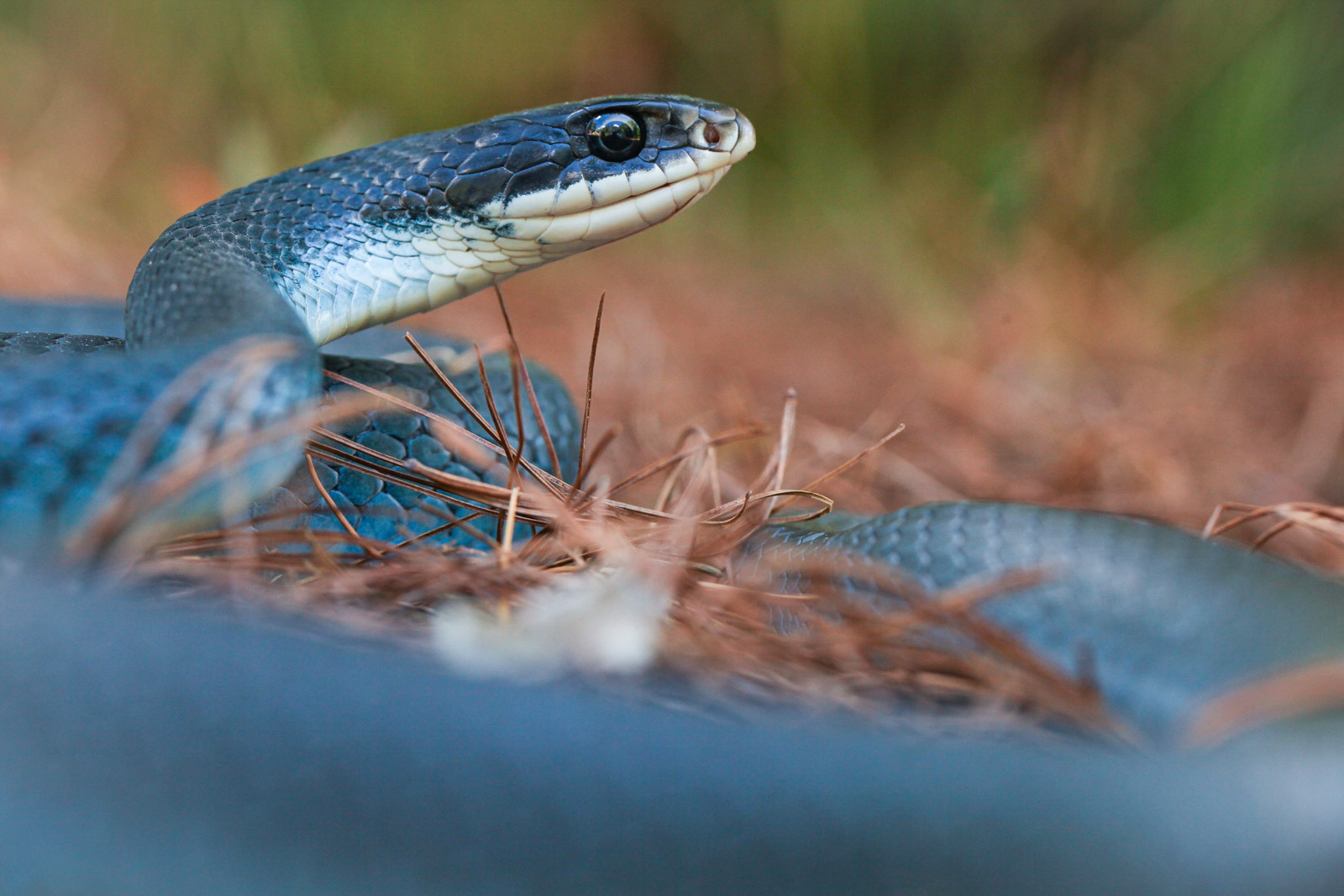
Reptiles and Amphibians: These cold-blooded creatures, often characterized by their striking patterns and textures, present a rich tapestry for macro exploration. Snakes and lizards, with their mosaic of scales, can exhibit astonishing iridescence and complex geometric designs when magnified. Amphibians like frogs and newts, often possessing translucent skin or vibrant warning coloration, reveal intricate vascular networks or mesmerizing ocular details. Documenting these features not only creates stunning visual art but also aids in understanding species-specific adaptations, camouflage mechanisms, and the health of their often-fragile ecosystems. For instance, the skin texture of a tree frog can reveal adaptations for climbing, while the iridescence of a snake’s scales can be a protective mechanism or a display feature.
-
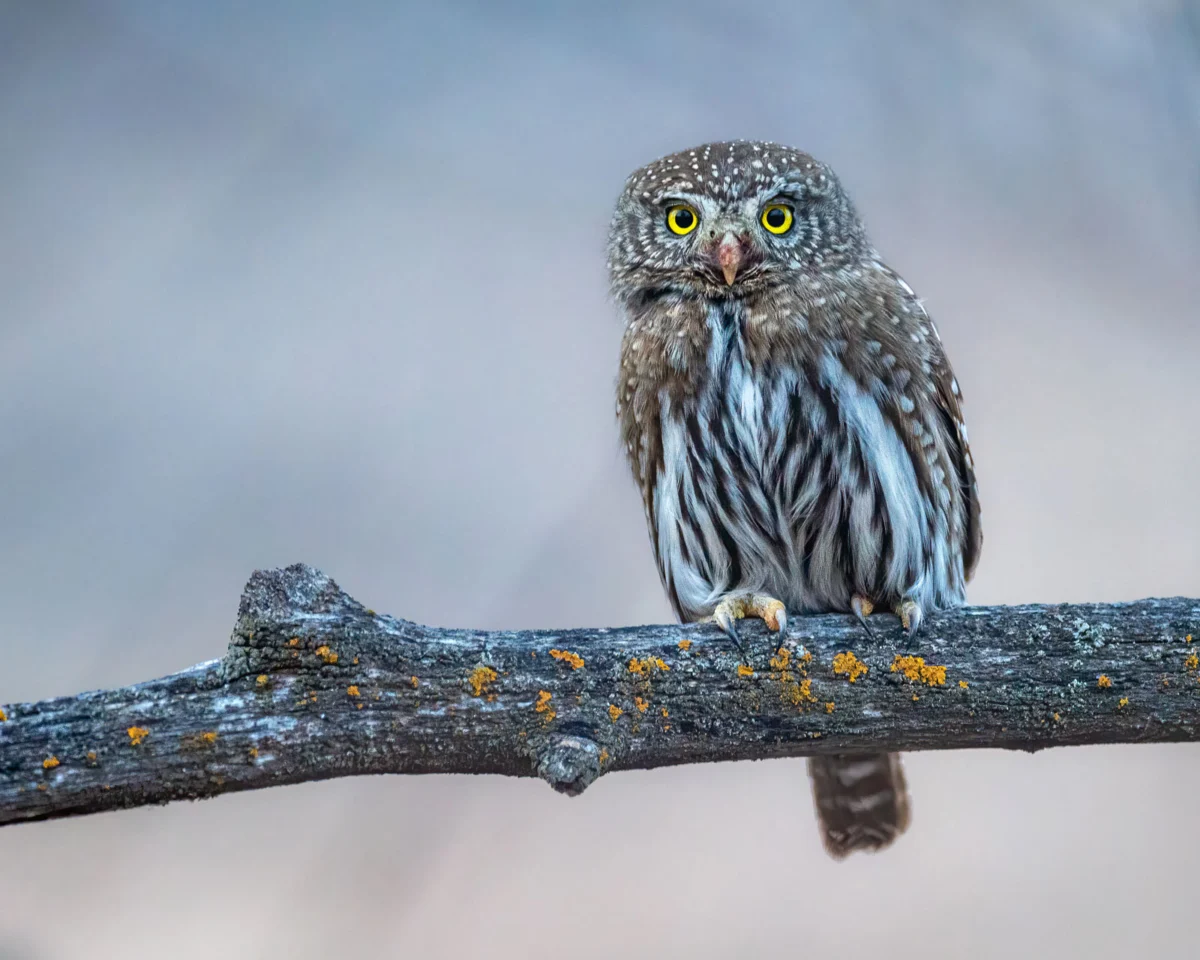
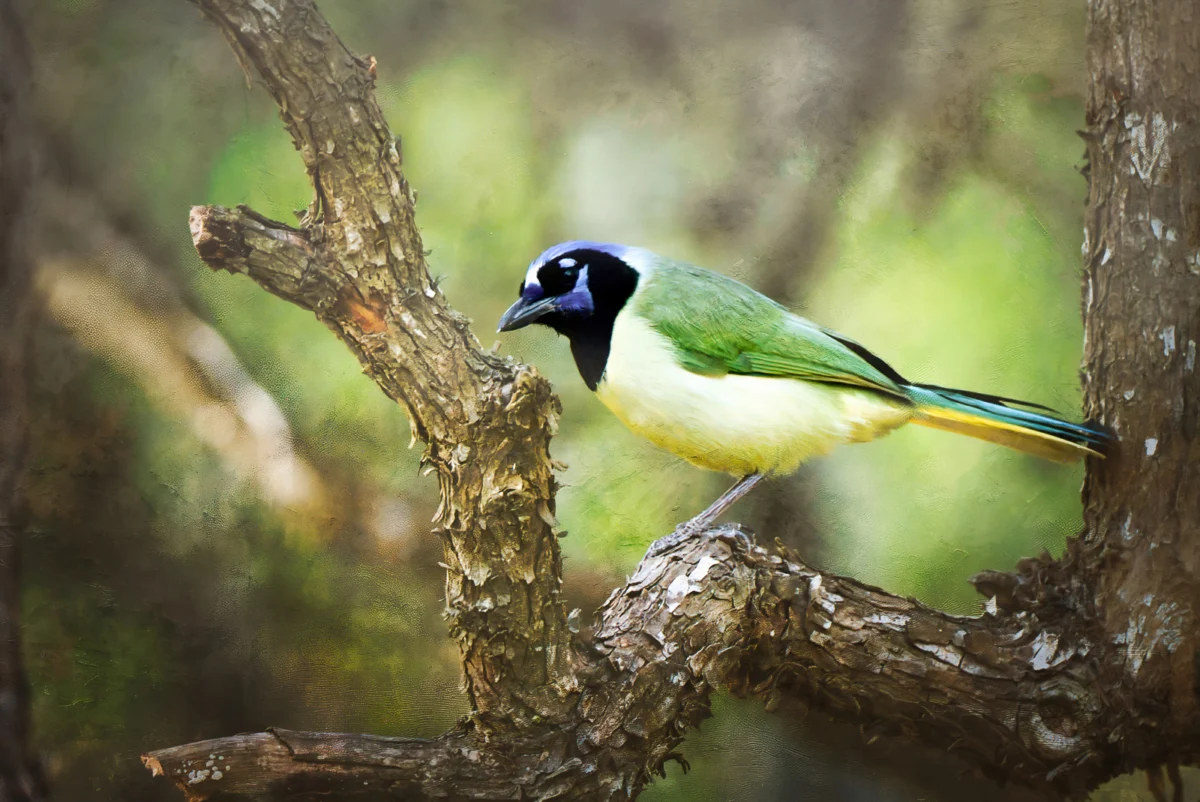
Birds (Feathers, Talons, Beaks): While photographing an entire bird in macro is typically unfeasible, focusing on individual anatomical elements offers unique perspectives. A close-up of a feather can reveal the intricate barbules and hooks that give it structural integrity and aerodynamic efficiency, sometimes even showcasing microscopic parasites or water droplets that refract light into a spectrum of colors. Talons, with their sharp curves and robust composition, speak volumes about a bird’s predatory prowess or perching habits. Even the texture and unique wear patterns on a bird’s beak can tell a story of its diet and foraging behavior. Such detailed imagery contributes to ornithological studies, particularly in identifying feather types or documenting signs of environmental stress.

-
Mammals (Fur, Whiskers, Eyes): Capturing mammals in a macro context presents distinct challenges due to their mobility and often cautious nature. However, focusing on specific features can yield remarkable results. The individual strands of fur, especially on smaller mammals like rodents or bats, reveal unexpected variations in color, texture, and density. A magnified shot of a mammal’s eye can capture the depth of its gaze, the intricate patterns of its iris, and the reflection of its surroundings, offering a profound connection with the subject. Whiskers, or vibrissae, often display a tactile sensitivity that is vital for navigation and foraging, and macro photography can highlight their precise arrangement and texture. Such images underscore the delicate nature of even familiar creatures and can highlight unique adaptations for survival.
-
Marine Life (Fish, Nudibranchs, Crustaceans): The underwater world is a treasure trove of macro subjects, many of which remain largely undocumented due to their size and habitat. With specialized underwater equipment, photographers can unveil the bizarre and beautiful forms of marine invertebrates and juvenile fish. Nudibranchs, often called sea slugs, are particularly popular for their kaleidoscopic colors and elaborate external gills. Tiny crustaceans, coral polyps, and the larval stages of various marine organisms offer an almost alien beauty, characterized by fantastical shapes and vivid hues. Macro photography in marine environments is crucial for identifying new species, monitoring reef health, and documenting the early life stages of aquatic organisms, which are vital for ecological understanding.
-
Fungi (Mushrooms, Molds): Perhaps one of the most accessible yet overlooked macro subjects is fungi. Static by nature, they allow for meticulous composition and lighting. Mushrooms, in particular, boast an incredible diversity of caps, gills, stems, and spore-producing structures, each offering unique textures, patterns, and colors. From the velvety surface of a polypore to the delicate lamellae beneath a mushroom cap, macro photography can transform these often-humble organisms into abstract masterpieces. Fungi play indispensable roles in ecosystems as decomposers and symbionts, and detailed photographic records contribute to mycology, aiding in identification and the study of their life cycles. Their intricate structures, often overlooked on the forest floor, reveal a hidden world of biological complexity.

These diverse subjects highlight the boundless opportunities for macro photographers to explore and contribute to a deeper appreciation of the natural world, regardless of whether they are traversing a remote rainforest or simply observing their own backyard.
Essential Gear and Techniques for Small-Subject Macro Photography
Achieving high-quality macro wildlife photographs necessitates a combination of specialized equipment and refined techniques. The objective is to render small subjects with remarkable clarity and magnification, often revealing details invisible to the unaided eye.

-
Macro-Capable Lens: The cornerstone of macro photography is a true macro lens, typically offering a 1:1 (life-size) magnification ratio or greater. These lenses are designed to focus extremely close to the subject while maintaining exceptional sharpness. Focal lengths vary, with longer lenses (e.g., 100mm, 150mm, 180mm) often preferred for wildlife as they allow a greater working distance, reducing the likelihood of disturbing a skittish subject. For photographers on a budget or those just beginning, extension tubes or close-up filters can provide a cost-effective introduction to macro capabilities, allowing existing lenses to focus closer.
-
Lighting Solutions: Proper illumination is paramount in macro photography, as working at close distances often results in significant light loss.
- Flash: An external flash unit is often indispensable. Built-in camera flashes are generally inadequate as they produce harsh, undiffused light that can create strong shadows and flat images. Off-camera flashes, ring flashes, or twin flashes provide greater control over light direction and intensity. Ring flashes offer even, shadowless illumination, ideal for revealing intricate textures, while off-camera flashes allow for more dramatic and directional lighting.
- Diffusers: A diffuser is crucial for softening the harsh light from a flash, creating more pleasing and natural-looking results. They disperse the light, reducing specular highlights and deep shadows. Portable, foldable diffusers are excellent for on-camera flashes, while softboxes or DIY solutions (such as translucent plastic or fabric) can be used with off-camera units. The choice of diffuser significantly impacts the mood and quality of the final image.
-
Camera Stabilization: While traditional tripods are standard for landscape or studio macro, wildlife macro often demands mobility.

- Handheld Shooting: For active, mobile subjects, handheld shooting is frequently necessary. Proper technique involves a stable grip, holding the camera body firmly with both hands, and bracing oneself.
- Alternative Stabilization: For ground-dwelling subjects, a beanbag or even a rolled-up towel can provide a flexible and quick-to-deploy stabilization platform, allowing the photographer to get low to the subject while minimizing camera shake. This offers a compromise between the rigidity of a tripod and the freedom of handheld shooting.
-
Focusing Techniques: Precision focusing is critical in macro, where depth of field is exceptionally shallow.
- Autofocus Modes: Modern cameras offer various autofocus modes. AI Servo or continuous autofocus can be useful for subjects with slight movement, while single-shot autofocus allows for precise placement of the focus point.
- Manual Focus: For ultimate control, particularly with static or slow-moving subjects, manual focusing is often preferred. Many macro photographers utilize focus peaking or magnified live view to ensure pinpoint accuracy, typically aiming for the most crucial detail, such as an animal’s eye or a distinct structural feature.
- Aperture Choice: A starting aperture of f/11 is often recommended for small-subject macro, providing a reasonable depth of field while maintaining sharpness. However, experimentation with wider apertures (e.g., f/5.6) for more artistic, shallow depth-of-field effects or narrower apertures (e.g., f/16-f/22) for greater overall sharpness across the subject is encouraged, balancing depth with potential diffraction.
-
Shooting in RAW: Always shooting in RAW format is a fundamental best practice for macro photography. RAW files retain significantly more image data than JPEGs, offering greater flexibility during post-processing to adjust exposure, white balance, color, and recover details in highlights or shadows. This is especially valuable in dynamic field conditions where lighting can be challenging and fleeting wildlife encounters leave little room for error in camera settings.
-
Patience and Practice: Beyond the technical aspects, patience is an indispensable virtue in macro wildlife photography. Subjects are often elusive, skittish, or require specific environmental conditions. Mistakes are inevitable, but the ability to remain calm, refocus, and persist significantly increases the chances of capturing exceptional images. Regular practice, even with inanimate objects at home, helps photographers master their gear and techniques, ensuring they are prepared when a rare opportunity arises in the field.

Ethical Considerations and Conservation Impact
The pursuit of stunning macro wildlife images must always be tempered by a profound commitment to ethical practice. The welfare of the subject—plant or animal—must be the paramount concern. Leading photographic organizations and conservation bodies universally advocate for a code of conduct that prioritizes minimal disturbance and respect for natural habitats.
- Minimizing Disturbance: Photographers are urged to maintain a respectful distance, avoid altering the subject’s environment (e.g., moving branches, disturbing nests), and refrain from using baiting techniques that could habituate or harm wildlife. Being quick and efficient in the field, a skill honed through practice, helps reduce the time a subject is exposed to human presence. The mantra is "take nothing but pictures, leave nothing but footprints."
- Species Knowledge: Understanding the biology and behavior of potential subjects is crucial. This includes knowing if a species is protected, venomous, fragile, or particularly susceptible to stress from human interaction. Consulting local field guides, conservation websites, and engaging with experts before venturing into an area provides invaluable knowledge and helps prevent unintended harm.
- Setting a Positive Example: Adhering to strict ethical guidelines not only protects individual animals but also sets a positive precedent for the broader photographic community. Responsible photography demonstrates respect for nature and reinforces the role of photographers as stewards of the environment, rather than exploiters. This contributes to the long-term viability of both wildlife populations and the hobby itself.
By consciously prioritizing animal welfare, macro wildlife photographers transform their art into a powerful tool for conservation. Their images, by revealing the hidden beauty and complexity of small creatures, can foster public empathy, raise awareness about biodiversity loss, and inspire action to protect fragile ecosystems.

Conclusion: A Window to Discovery and Appreciation
Macro wildlife photography is more than just a hobby; it is an expedition into the unseen, a journey that reveals the extraordinary in the ordinary. The ability to capture the intricate details of often-overlooked subjects, bringing their hidden qualities into sharp focus, offers a unique perspective on the natural world. This practice not only enriches the photographer’s own understanding and appreciation of nature but also transforms the way viewers perceive their environment.
From the complex venation of a butterfly’s wing to the reflective facets of a spider’s eye, the microscopic textures of a lizard’s scales, or the delicate fruiting bodies of fungi, each macro investigation is a moment of discovery. In a world increasingly disconnected from nature, macro photography serves as a vital bridge, reminding us of the immense biodiversity that surrounds us and the critical importance of preserving it. It empowers us to look closer, to marvel at the small wonders, and ultimately, to become advocates for the wild. As photographers continue to push the boundaries of this discipline, they will undoubtedly reveal even more astonishing aspects of life on Earth, fostering a deeper connection and sense of responsibility towards our planet’s myriad inhabitants.