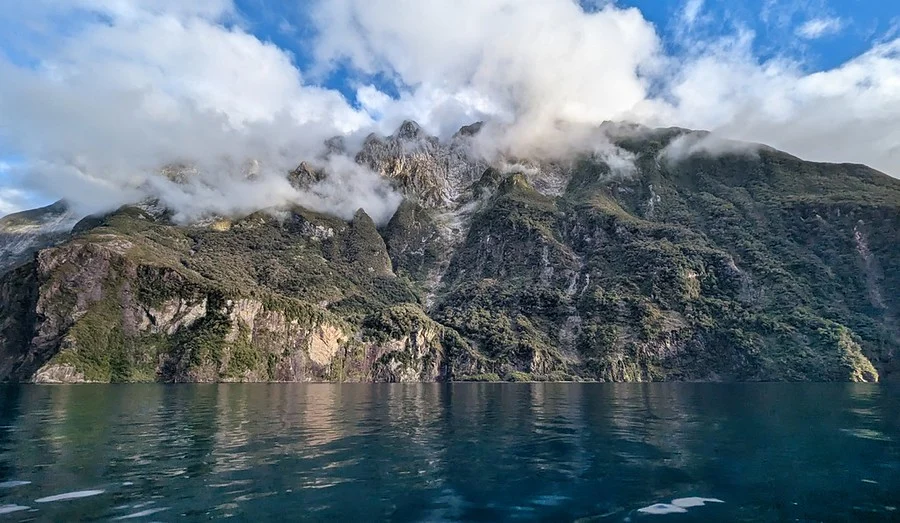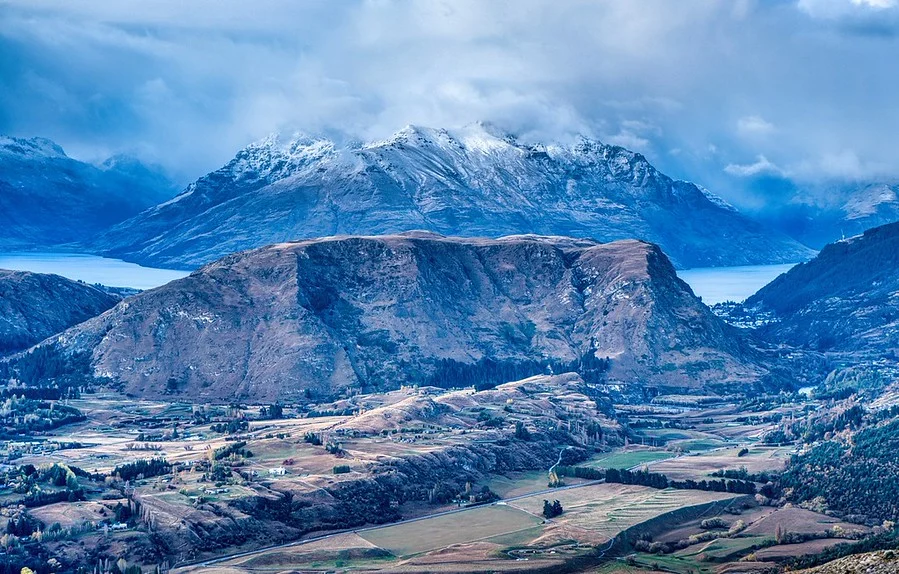
The photograph, titled "Mountain Layers," captures a familiar and evocative vista, showcasing a series of mountain ranges stretching towards the horizon. The image depicts a landscape in the throes of seasonal transition, with the remnants of winter snow gradually yielding to the approaching spring. This visual narrative speaks to the cyclical nature of the environment and the inherent beauty found in these natural formations. While the provided content offers a glimpse into the visual aspect of the photograph and a brief commentary on its setting, a deeper exploration of the context, scientific significance, and broader implications of such mountainous landscapes is warranted to construct a comprehensive news article.
The Majesty of Mountain Ranges: A Global Perspective
Mountain ranges are among Earth’s most awe-inspiring geological features, shaping landscapes, influencing climate, and hosting a significant portion of the planet’s biodiversity. They are formed through immense geological processes, primarily tectonic plate collisions, volcanic activity, and erosion over millions of years. The "Mountain Layers" photograph, though specific in its depiction, represents a universal phenomenon experienced across continents. From the towering Himalayas to the rugged Rockies, the Andes to the Alps, these elevated terrains serve as vital ecological corridors, water sources, and recreational havens.
The formation of mountain ranges is a testament to the dynamic nature of Earth’s crust. Orogenic processes, which lead to mountain building, can involve the folding and faulting of rock layers, uplift of crustal blocks, or the accumulation of volcanic material. The age of these formations varies significantly, with some ranges being relatively young, like the Himalayas formed by the collision of the Indian and Eurasian plates, while others, such as the Appalachians, are ancient and heavily eroded. The geological history embedded within these layers provides invaluable insights into Earth’s past climate, tectonic activity, and evolutionary processes.
Seasonal Transitions in Mountainous Regions: A Delicate Balance
The commentary accompanying the photograph highlights a crucial aspect of mountainous environments: their susceptibility to seasonal changes. The mention of spring’s arrival in a "reverse season land" suggests a location in the Southern Hemisphere, where seasons are opposite to those in the Northern Hemisphere. As winter recedes, snow cover diminishes, revealing the underlying terrain and signaling the commencement of new growth and ecological activity.
This transition is not merely an aesthetic shift; it has profound implications for ecosystems and human populations. Mountain snowpack acts as a natural reservoir, storing vast quantities of water that are gradually released throughout the warmer months. This meltwater is essential for downstream agriculture, urban water supplies, and the health of rivers and wetlands. Changes in snowmelt patterns, influenced by rising global temperatures and altered precipitation, can lead to water scarcity, increased flood risk, and disruptions to ecosystems that rely on consistent water availability.
Data from organizations like the Intergovernmental Panel on Climate Change (IPCC) consistently highlight the amplified impacts of climate change in mountainous regions. Higher elevations experience warming at rates often exceeding the global average, leading to accelerated glacial melt, permafrost thaw, and shifts in vegetation zones. These changes can trigger natural hazards such as landslides, rockfalls, and avalanches, posing risks to communities living in or near these areas.
The Ecological Significance of Mountain Layers
The visual layering of mountains in the photograph is more than just a scenic feature; it represents distinct ecological zones. As elevation increases, temperature decreases, and atmospheric pressure drops, creating a gradient of environmental conditions. This leads to the development of altitudinal zonation, where different plant and animal communities thrive in specific elevation bands.
For instance, lower slopes might support temperate forests, giving way to coniferous forests at higher altitudes, followed by alpine meadows, and eventually, bare rock and permanent snowfields at the highest peaks. Each zone is adapted to unique temperature ranges, precipitation patterns, soil types, and solar radiation levels. These distinct habitats support a rich diversity of species, many of which are endemic to particular mountain ranges.
The biodiversity found in mountainous regions is critically important. These areas often act as refugia for species during periods of climatic upheaval, preserving genetic diversity and providing potential sources for recolonization. However, as climate change forces these ecological zones to shift upwards, species that are already at their altitudinal limits may face extinction if they cannot adapt or migrate. The fragmentation of mountain habitats due to human development further exacerbates these challenges, isolating populations and hindering their ability to respond to environmental pressures.
Human Interaction and the Future of Mountain Landscapes
Mountainous regions have historically been centers of human settlement, with communities developing unique cultures and livelihoods adapted to the challenging terrain and climate. Indigenous peoples have long inhabited these areas, developing deep knowledge of their ecosystems and sustainable resource management practices. Today, mountains are also vital for tourism, recreation, and resource extraction, including mining and forestry.
The "Mountain Layers" photograph, by capturing the transition from snow to spring, hints at the temporal aspect of human interaction. The receding snow might signify the opening of hiking trails, the start of agricultural seasons in valleys, or the commencement of activities dependent on clearer weather. However, this interaction is increasingly shaped by the impacts of climate change and the need for sustainable management.
Organizations such as the Mountain Partnership, a United Nations voluntary alliance, work to address the challenges faced by mountain regions and promote sustainable development. Their efforts focus on issues like climate change adaptation, biodiversity conservation, disaster risk reduction, and the empowerment of mountain communities. The long-term viability of these landscapes and the well-being of their inhabitants depend on a concerted global effort to understand and mitigate the pressures they face.
Data and Scientific Inquiry in Mountain Environments
The scientific study of mountains is a multidisciplinary endeavor, involving geology, glaciology, meteorology, ecology, and climatology. Researchers utilize a range of tools and techniques to gather data, including satellite imagery, remote sensing, ground-based monitoring stations, and field expeditions.
- Glaciology: Studies the formation, movement, and melting of glaciers and ice sheets. Data on glacier mass balance is a key indicator of climate change, with many mountain glaciers globally experiencing significant retreat. For example, the World Glacier Monitoring Service provides extensive data on glacier changes worldwide.
- Climatology: Monitors temperature, precipitation, and other atmospheric variables. Mountain weather stations, often located at high altitudes, provide crucial data for understanding regional climate trends and their impact on snowpack and water resources.
- Ecology: Investigates plant and animal communities and their responses to environmental changes. Studies often focus on shifts in species distribution, population dynamics, and the health of ecosystems. Long-term ecological research sites in mountain areas are invaluable for tracking these changes.
- Geology: Provides insights into the formation and evolution of mountain ranges, including seismic activity and erosion rates. Understanding these processes is vital for assessing natural hazard risks.
The continuous collection and analysis of such data are essential for informing policy decisions, developing adaptation strategies, and ensuring the sustainable management of these vital global assets. The seemingly simple beauty of a "Mountain Layers" photograph, therefore, represents a complex and interconnected system, whose health and stability are of paramount importance to the planet. The ongoing changes in these environments serve as a powerful reminder of humanity’s role in shaping the future of Earth’s most magnificent landscapes.