The sprawling expanse of Lençóis Maranhenses National Park in Brazil’s northeastern corner has captivated the lens of photographer Paul Nicklen, transforming what was intended as a brief stopover en route to Patagonia into a profound artistic exploration. This 600-square-mile natural wonder, recently designated a UNESCO World Heritage Site, presents a breathtaking tableau of interlacing river systems, crystalline lagoons, and an seemingly endless sea of undulating sand dunes, all shimmering under the equatorial sun. Nicklen’s experience highlights the park’s extraordinary biodiversity and geological distinctiveness, prompting a deeper examination of its ecological significance and the evolving methods of capturing such vast natural beauty.
A Landscape Forged by Nature’s Artistry
Lençóis Maranhenses, translating to "sheets of Maranhão," is a landscape unlike any other on Earth. Its defining characteristic is the seasonal appearance of thousands of freshwater lagoons that fill the valleys between vast, rolling white sand dunes. These ephemeral bodies of water, often a striking turquoise or emerald green against the stark white sand, are a direct result of the region’s annual rainfall patterns. During the wet season, from January to June, abundant precipitation accumulates, creating these temporary oases. As the dry season progresses, the lagoons gradually recede, their waters absorbed back into the sand or flowing into subterranean channels.
The park’s eastern boundary is defined by over 40 miles of coastline, where the immense dunes meet the Atlantic Ocean. This transition zone is punctuated by small, traditional fishing villages, offering a glimpse into the human history intertwined with this dramatic environment. Further inland, the landscape shifts. Tannin-colored rivers, stained dark by decaying vegetation leached from the surrounding cerrado (Brazilian savanna) and forests, snake through the dunes, their inky waters contrasting sharply with the pale sands as they meander towards the sea. To the west, the arid beauty of the dunes gradually gives way to these more vegetated ecosystems before eventually transitioning into agricultural lands, showcasing a remarkable gradient of ecological zones within a relatively concentrated area.
The sheer scale and dynamic nature of Lençóis Maranhenses present a profound challenge and inspiration for any observer. Nicklen’s initial intention to photograph wildlife, a hallmark of his previous work, was superseded by the overwhelming grandeur of the landscape itself. This shift in focus underscores the park’s power to command attention, drawing viewers into its immense, ever-changing panorama.
The Aerial Perspective: Drones Redefine Landscape Photography
Traditionally, capturing the vastness of such a landscape from an elevated perspective would have involved the use of cramped aircraft like Ultralights or Cessnas, often requiring the removal of doors for unobstructed photography. However, the advent of drone technology, or Unmanned Aerial Vehicles (UAVs), has revolutionized the possibilities for aerial cinematography and photography. Nicklen leveraged this advanced technology to gain an unparalleled view of Lençóis Maranhenses, positioning his drone to capture both intricate details and the sweeping, panoramic vistas.
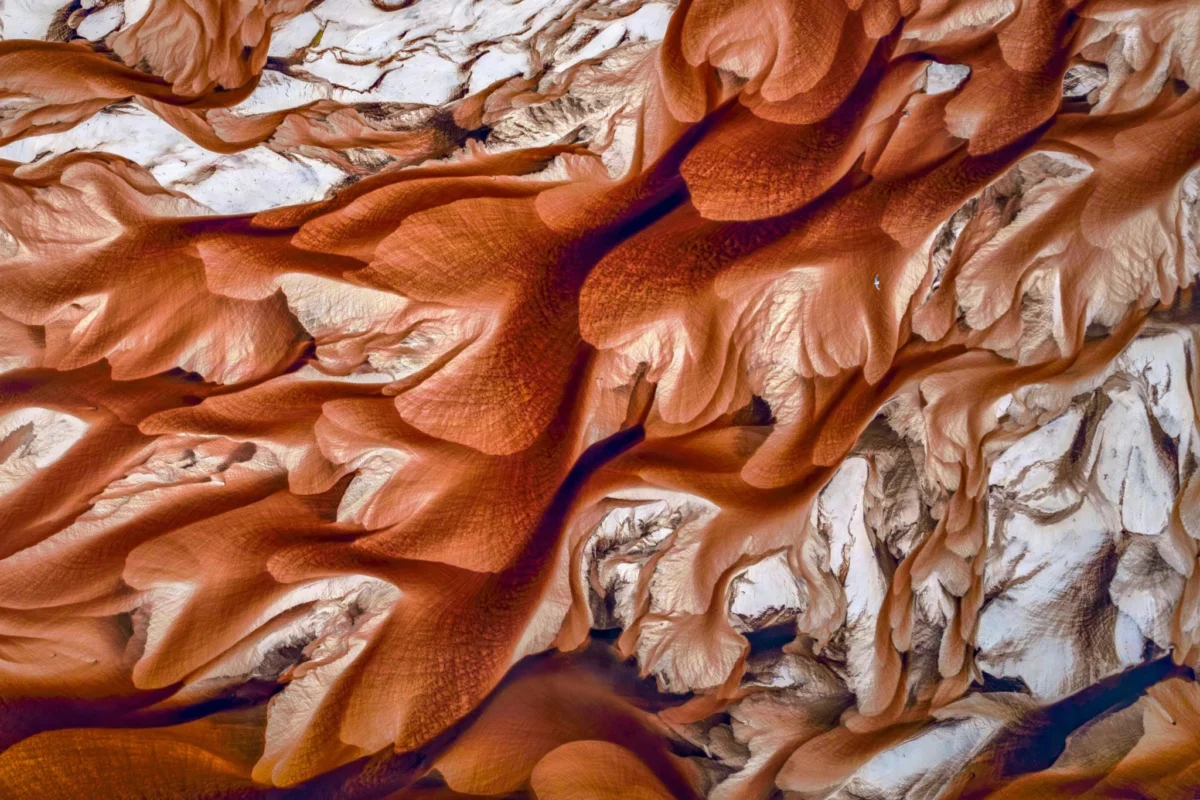
"Keeping the drone low enough to pick up on the faintest details while still filling the frame with the full expanse of the mural below, I allowed my lens to roam freely over the terrain," Nicklen describes, emphasizing the precise control and creative freedom afforded by the technology. This approach allows for a nuanced depiction of the landscape, revealing the subtle textures of the sand, the delicate patterns formed by wind erosion, and the vibrant hues of the lagoons.
The constant interplay of wind and light on the dunes creates a perpetually evolving canvas. Nicklen notes how "every shift in the wind swept the everchanging canvas in a new direction, toppling delicate sandy peaks and stirring the glassy, blue-green waters." The refractive properties of the water, colored by tannins from decomposing plant matter, create a mesmerizing palette of reds, deep browns, and rusts that bleed into the landscape. The Black River, a significant artery within the park, is particularly striking, its dark waters carving a sinuous path through the dunes before merging with the Parnaíba River. The visual impact is so profound that Nicklen found it "almost too beautiful to look at directly," a testament to its raw, untamed aesthetic.
A Timeless Human Fascination with Nature’s Art
The desire to capture and interpret the beauty of the natural world is a deeply ingrained aspect of human history. Nicklen draws a parallel between his photographic endeavors and the earliest expressions of human creativity. He references the prehistoric cave paintings of Chauvet Cave in France, dating back approximately 30,000 years, which depict animals with remarkable detail and artistry. Throughout millennia, artists across diverse cultures and eras, from the Upper Paleolithic to the Renaissance and beyond, have dedicated their lives to studying and replicating the intricacies of nature.

This enduring pursuit reflects a fundamental human impulse to understand, connect with, and preserve the natural world. The challenge, as Nicklen observes, lies in the inherent limitations of any medium to fully translate the complexity and depth of natural phenomena. "Even with the advanced technology of my digital camera, I still feel that I can never quite do her beauty justice," he admits. The question of how a static image can encapsulate the "full depth of something as vast as our planet and as minuscule as the structure of a cell’s nucleus" remains a central artistic and philosophical inquiry.
Ecological Significance and Conservation Concerns
Lençóis Maranhenses National Park is not merely a visual spectacle; it is a vital ecosystem with unique ecological characteristics. The park’s designation as a World Heritage Site by UNESCO in 2014 underscores its global importance and the need for its preservation. The dynamic interplay between the dunes, the seasonal lagoons, and the surrounding vegetation supports a specific array of flora and fauna adapted to these conditions.
The lagoons, though ephemeral, are crucial breeding grounds for various fish species, some of which can survive the dry season by burrowing into the mud. The cerrado and forest areas surrounding the dunes provide habitats for a diverse range of terrestrial animals, including mammals, birds, and reptiles. The park’s coastal proximity also means it plays a role in migratory bird patterns and marine life interactions.
However, the very factors that make Lençóis Maranhenses so unique also render it vulnerable. Climate change poses a significant threat, potentially altering rainfall patterns and thus the formation and duration of the lagoons. Increased human activity, including tourism and agricultural expansion in surrounding areas, can also exert pressure on the delicate ecosystem through habitat degradation, pollution, and water resource management issues.
Background and Chronology:
- Formation of the Dunes: The dunes of Lençóis Maranhenses are formed by windblown sand originating from the Parnaíba River delta. Over millennia, prevailing winds have transported vast quantities of sand inland, creating the characteristic undulating landscape.
- Rainfall Dynamics: The distinct wet and dry seasons in northeastern Brazil are critical to the park’s ecology. The annual rainfall, primarily concentrated between January and June, replenishes the interdune basins, forming the iconic lagoons.
- Human Habitation: Indigenous communities have inhabited the region for centuries, developing sustainable practices to coexist with the environment. Traditional fishing practices remain a vital part of life for communities along the coast.
- National Park Establishment: Lençóis Maranhenses was established as a National Park in 1981 to protect its unique natural heritage.
- UNESCO World Heritage Status: In 2014, the park was inscribed as a UNESCO World Heritage Site, recognizing its outstanding universal value and emphasizing the need for international cooperation in its conservation.
Broader Implications and the Future of Conservation Photography
Nicklen’s work in Lençóis Maranhenses exemplifies the power of contemporary photography to illuminate the beauty and fragility of our planet. By utilizing advanced technologies like drones, photographers can offer perspectives that were previously inaccessible, fostering a deeper appreciation for the complexity and scale of natural wonders. This enhanced visual storytelling is crucial for raising awareness and galvanizing support for conservation efforts.
The implications of such artistic endeavors extend beyond aesthetic appreciation. They serve as a visual record of landscapes that are increasingly under threat from environmental changes and human impact. By documenting these places in their current state, photographers contribute valuable data for scientific research and conservation planning. Furthermore, by connecting with audiences on an emotional level, these images can inspire a sense of responsibility and a commitment to protecting these invaluable natural assets for future generations.
The quote by Vincent van Gogh, "…and then, I have nature and art and poetry, and if that is not enough, what is enough?" resonates deeply with the experience of witnessing a place like Lençóis Maranhenses. It speaks to the profound solace and inspiration that the natural world, when coupled with artistic expression, can provide. For Nicklen, and for countless others who engage with the planet’s wonders, the endeavor to "capture nature’s artistry" is not merely a profession or a hobby, but a lifelong privilege and a crucial mission. The ongoing effort to translate the ephemeral beauty of ecosystems like Lençóis Maranhenses into tangible forms of art and documentation is essential for fostering a global consciousness of our shared environmental heritage and the urgent need to preserve it.