The allure of national parks as wedding venues has surged in recent years, with Yellowstone and its counterparts witnessing a significant uptick in couples choosing these iconic landscapes for their nuptials. This trend, potentially influenced by popular culture, the centennial celebrations of national parks, and post-pandemic travel preferences, presents both unique opportunities and challenges for photographers specializing in wedding and elopement services. Heather Woolery, a photographer with extensive experience in this niche, shares her insights into the burgeoning field of national park wedding and elopement photography, outlining the considerations and benefits for professionals contemplating its inclusion in their offerings.

The Rise of National Park Weddings
Over the past five years, a noticeable increase in couples opting for national parks as wedding and elopement destinations has been observed. This phenomenon is multifaceted. The hit television series "Yellowstone," with its dramatic portrayal of the American West, has undoubtedly amplified interest in the park’s rugged beauty. Furthermore, the 150th anniversary of the National Park Service in 2016 likely sparked renewed appreciation for these protected natural areas. A significant contributing factor, however, appears to be the residual impact of the COVID-19 pandemic. During periods of lockdown and restricted travel, national parks like Yellowstone experienced record-breaking visitation rates once they were permitted to reopen, showcasing their appeal as accessible and breathtaking natural escapes.
With 63 national parks scattered across the United States, each offering distinct vistas, unique environmental characteristics, and varying levels of accessibility through paved pathways, the options for couples are vast. These parks provide an unparalleled backdrop for a wedding, blending the majesty of nature with the intimacy of a personal celebration. For photographers, this growing trend signifies a potential new market, but one that requires a specialized approach and a deep understanding of park regulations and logistics.

Navigating the Nuances of National Park Photography
Heather Woolery’s journey into national park wedding and elopement photography began in 2018 with a micro-wedding in Joshua Tree National Park. Since then, she has documented celebrations in eleven different national parks, with Yellowstone emerging as a particularly popular choice. Her personal connection to Yellowstone, having visited since childhood, provides a unique perspective as she now captures couples’ most significant moments within its expansive and often remote landscapes.
The process of photographing weddings in such locations is far more involved than a standard venue booking. Woolery emphasizes the importance of meticulous preparation, including creating detailed maps of potential ceremony and photography spots within parks like Yellowstone. This involves noting the time of day, expected crowd levels, and seasonal variations to ensure optimal photographic conditions and a seamless experience for the couple. This level of detail allows photographers to serve their clients on a much deeper level, moving beyond mere documentation to active participation in crafting a memorable event.

Unlike traditional wedding venues that often provide comprehensive planning services, officiants, and preferred vendor lists, national parks operate under a different paradigm. Couples seeking to marry in these natural settings must navigate a more complex planning process, which often extends to securing necessary permits, arranging transportation, and coordinating experiences. This is where elopement photographers can play a crucial role, acting as invaluable resources and guides for their clients.
The Photographer’s Role: Beyond Documentation
While photographers are typically not wedding planners, their expertise becomes indispensable when it comes to national park weddings and elopements. Woolery highlights that this niche is still relatively new, and many couples struggle with the intricate details of park regulations, logistical challenges, and the overall coordination required to bring their vision to life. Photographers who are well-versed in specific national parks, or who possess strong research and organizational skills, can significantly enhance the client experience. They can assist with understanding park rules, identifying suitable locations, and even recommending vendors who are familiar with park operations.

For instance, Yellowstone National Park has specific permit requirements for events. Historically, photographers needed a Commercial Use Authorization (CUA), a process that was both extensive and costly. However, the park has recently streamlined this, now requiring couples to obtain a Special Use Permit (SUP) for elopements, which conveniently also serves as the photographer’s permit. This shift in policy reflects a growing recognition of the importance of these events while attempting to simplify the process for participants.
The popularity of Yellowstone, as one of the most visited national parks in the United States, necessitates careful planning to avoid the throngs of tourists that can populate iconic spots like Old Faithful, Grand Prismatic, and Mammoth Hot Springs. Photographers must be adept at identifying less-crowded times and alternative locations to ensure an intimate and picturesque setting for their clients. This might involve scheduling ceremonies during off-peak hours, exploring less-trafficked areas of the park, or leveraging the unique beauty of different seasons.

The Pros and Cons of National Park Wedding Photography
The decision to incorporate national park wedding and elopement photography into a professional’s service offerings requires a careful evaluation of its advantages and disadvantages.
Potential Advantages:

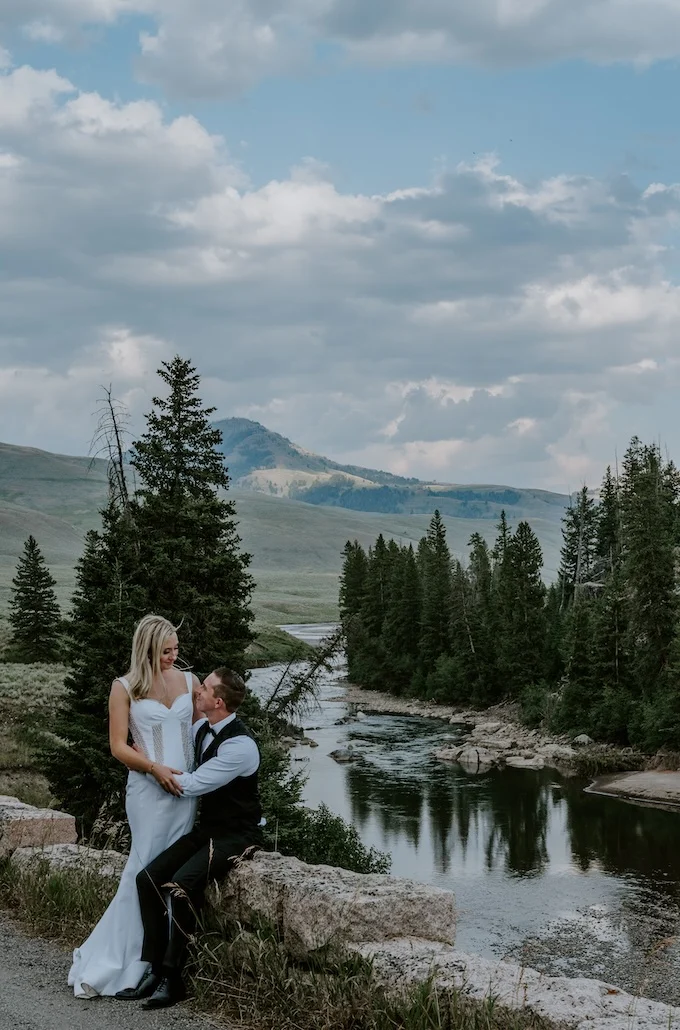
- Unique and Stunning Backdrops: National parks offer unparalleled natural beauty, providing couples with breathtaking and memorable settings for their wedding photos that are virtually impossible to replicate elsewhere. This includes dramatic landscapes, diverse flora and fauna, and a sense of awe-inspiring scale.
- Growing Market Demand: As evidenced by the increasing popularity of these venues, there is a burgeoning market for photographers specializing in national park weddings. This trend indicates a strong demand from couples seeking an alternative to traditional wedding venues.
- Opportunity for Deeper Client Connection: The intricate planning required for national park weddings often fosters a closer working relationship between the photographer and the couple. Photographers become integral to the planning process, building trust and rapport.
- Personal and Creative Fulfillment: For photographers who appreciate nature and adventure, documenting weddings in these environments can be incredibly rewarding, offering opportunities for creative expression and personal satisfaction.
- Potential for Increased Revenue: While requiring more effort, specialized services can often command higher fees, reflecting the unique skills and logistical management involved.
Potential Challenges:
- Complex Permitting and Regulations: Each national park has its own set of rules, permit requirements, and fees, which can be extensive and vary significantly. Staying abreast of these regulations for each park can be time-consuming and requires diligent research.
- Logistical Hurdles: National parks can present significant logistical challenges, including limited accessibility to certain areas, unpredictable weather conditions, the need for specialized transportation (e.g., four-wheel drive vehicles), and the absence of typical amenities like power or restrooms in remote locations.
- Crowd Management: Popular national parks can be extremely crowded, especially during peak tourist seasons. Photographers must develop strategies to work around or mitigate the presence of large numbers of visitors to ensure an intimate wedding experience.
- Weather Dependency: Outdoor weddings are always subject to weather, but in national parks, the elements can be more extreme and unpredictable, ranging from sudden storms and high winds to intense heat or cold. This requires flexibility and contingency planning.
- Limited Infrastructure: Unlike established wedding venues, national parks may lack essential infrastructure such as onsite catering, dedicated reception spaces, or readily available vendors familiar with park operations. Photographers may need to assist couples in sourcing and coordinating these elements.
- Physical Demands: Photographing in national parks often involves hiking, navigating uneven terrain, and working in challenging environmental conditions, which can be physically demanding for the photographer.
Analyzing the Implications for the Photography Industry
The rise of national park weddings suggests a broader shift in wedding trends, with couples increasingly prioritizing unique experiences and natural beauty over conventional, opulent celebrations. This trend has several implications for the photography industry:

- Specialization: Photographers who can authentically document these events, understanding the nuances of light, landscape, and logistics within national parks, will find a distinct advantage. This encourages specialization and the development of niche expertise.
- Business Acumen: Beyond photographic skill, successful national park wedding photographers must possess strong business acumen. This includes proficiency in permit applications, contract negotiation for specialized services, and robust client communication to manage expectations regarding the unique challenges of park venues.
- Ethical Considerations: Photographers play a role in educating couples about responsible tourism and minimizing their impact on the delicate ecosystems of national parks. Adhering to park regulations and promoting Leave No Trace principles are paramount.
- Marketing and Outreach: Effectively marketing services to couples seeking national park weddings requires targeted strategies. This might involve collaborating with park-adjacent vendors, utilizing social media platforms with relevant hashtags, and showcasing a portfolio that highlights the unique aesthetic of these locations.
Ultimately, the decision to pursue national park wedding and elopement photography is a strategic one. While it demands a higher level of preparation, adaptability, and specialized knowledge, the rewards can be substantial. The opportunity to capture love stories against the backdrop of some of America’s most awe-inspiring natural wonders offers a deeply fulfilling and potentially lucrative path for dedicated photographers. The ability to guide couples through the complexities of planning a wedding in these protected areas, transforming potential obstacles into seamless, unforgettable experiences, is a testament to the evolving role of the wedding photographer in the modern era.
Heather Woolery, a Northwest-based photojournalist renowned for her earthy, nostalgic style in documenting weddings and elopements globally, both digitally and on film, is actively creating a series of digital guides for engaged couples set to launch in early 2025. Her extensive experience in diverse natural settings, including numerous national parks, positions her as a valuable voice in this growing niche. Her work, available on platforms like Instagram, YouTube, Patreon, and Pinterest, exemplifies the artistic and logistical mastery required for successful national park wedding photography.

The broader implications of this trend are also evident in the evolving landscape of wedding photography education. Courses and workshops focusing on destination elopements, adventure photography, and the business of niche wedding services are gaining traction. This indicates a industry-wide recognition of the demand for specialized skills and a willingness to adapt to changing client preferences. As more couples seek intimate, experience-driven weddings, the role of the photographer will continue to expand, encompassing not just image-making but also advisory and logistical support, particularly in challenging and unique environments like national parks.