Raja Ampat, an archipelago renowned globally as the ultimate destination for underwater photography and marine biodiversity, continues to captivate explorers and conservationists alike. Located off the northwest tip of the Bird’s Head Peninsula in West Papua, Indonesia, this remote region presents an extraordinary spectacle of pristine jungle-covered islands, vibrant coral reefs, and an unparalleled abundance of marine wildlife, often described as more diverse than one could fully appreciate in a lifetime.
Geographical and Ecological Significance
Often referred to as "The Last Paradise," Raja Ampat is an intricate archipelago comprising over 1,500 islands, cays, and shoals, surrounding four main islands: Waigeo, Batanta, Salawati, and Misool. Its strategic position at the heart of the Coral Triangle—the global epicenter of marine biodiversity—underpins its exceptional ecological importance. This vital marine region is reported to harbor over 75% of the world’s known coral species, an astonishing figure that solidifies its status as a critical ecosystem. Beyond corals, Raja Ampat boasts an impressive repertoire of over 1,000 species of fish, 540 distinct strains of coral, and 700 types of mollusks. This incredible diversity extends to larger marine fauna, including various shark species (such as the endemic wobbegong shark), schooling manta rays, dugongs, and even saltwater crocodiles, making it an undisputed mecca for scuba diving and underwater photography. The sheer volume and variety of marine life promise an experience that truly "blows the salt-covered mind out of the water."

The Journey to Paradise: Planning Your Expedition
Reaching this vibrant corner of the Earth, however, is an adventure in itself, reflecting its pristine and relatively untouched nature. For international travelers, the journey typically involves multiple flights, often with lengthy layovers, followed by domestic connections to Sorong, West Papua. From Sorong, the final leg to the main entry point of Waisai (on Waigeo Island) usually entails a slow and often steamy two-hour ferry ride, sometimes culminating in a pothole-peppered car journey to the chosen starting point.

Upon arrival in Waisai, travelers have several options for exploring the vast archipelago. Day trips to neighboring island dive sites offer flexibility for shorter visits. Alternatively, for a more comprehensive exploration, liveaboards are widely regarded as the superior choice. These floating hotels allow divers and photographers to cover significant ground across the expansive region, accessing remote and untouched sites that are otherwise challenging to reach. The inclusion of Misool in a liveaboard itinerary is particularly coveted, as this southern region is celebrated for its thriving ecosystem, where biodiversity is reportedly improving rather than declining, a testament to effective local conservation efforts. For those seeking a more relaxed pace after intensive diving, choosing an island homestay allows for decompression and access to pristine house reefs, offering continuous opportunities for photography and immersion in local island life.
Photography Opportunities and Essential Gear

Raja Ampat offers a diverse palette for underwater photographers, catering to a wide range of interests and specializations. The region’s incredibly majestic reef systems, flourishing with unimaginable size and vibrant colors, provide a natural masterpiece ideal for wide-angle photography. These expansive coral cosmoses set the perfect scene for capturing schooling fish (such as barracuda and batfish), majestic manta rays, wobbegong sharks, and various species of sea turtles. A wide-angle lens, such as a 16-35mm, is highly recommended for these shots, although opportunities for Close Focus Wide Angle (CFWA) photography are also abundant, allowing for dramatic perspectives of large subjects against their intricate coral backdrops.
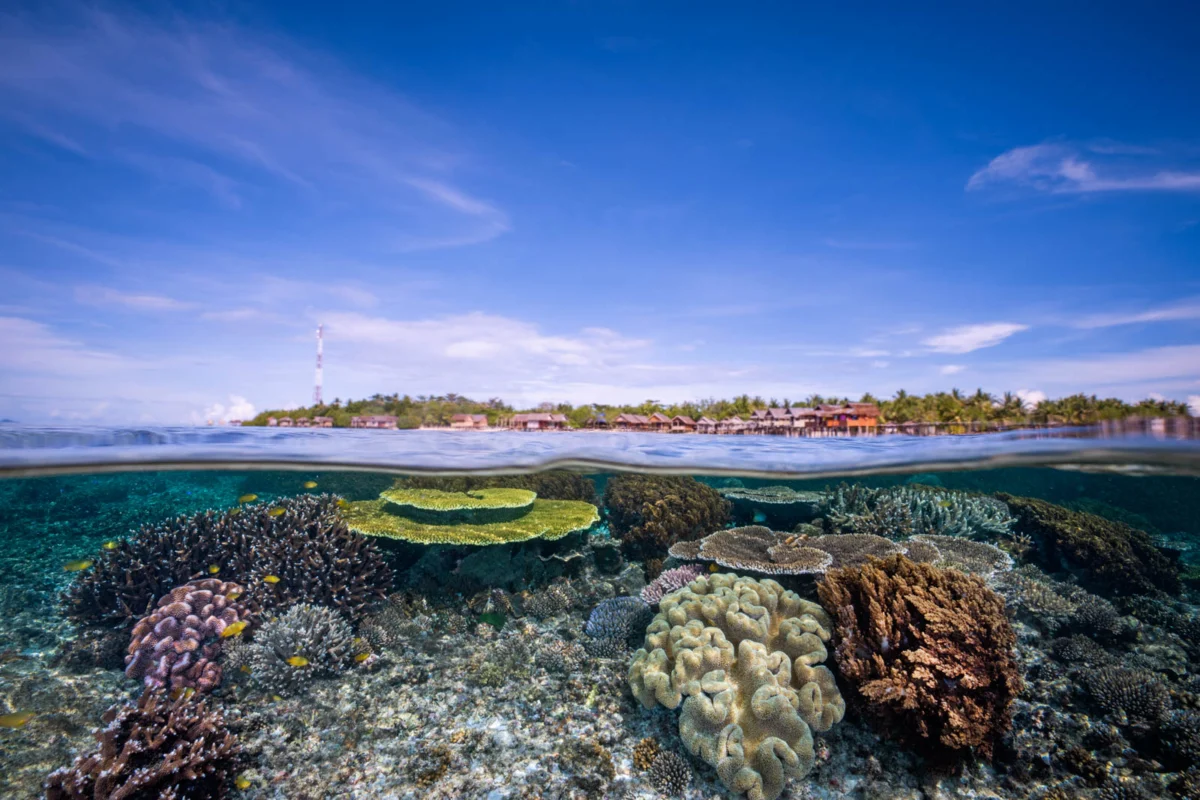
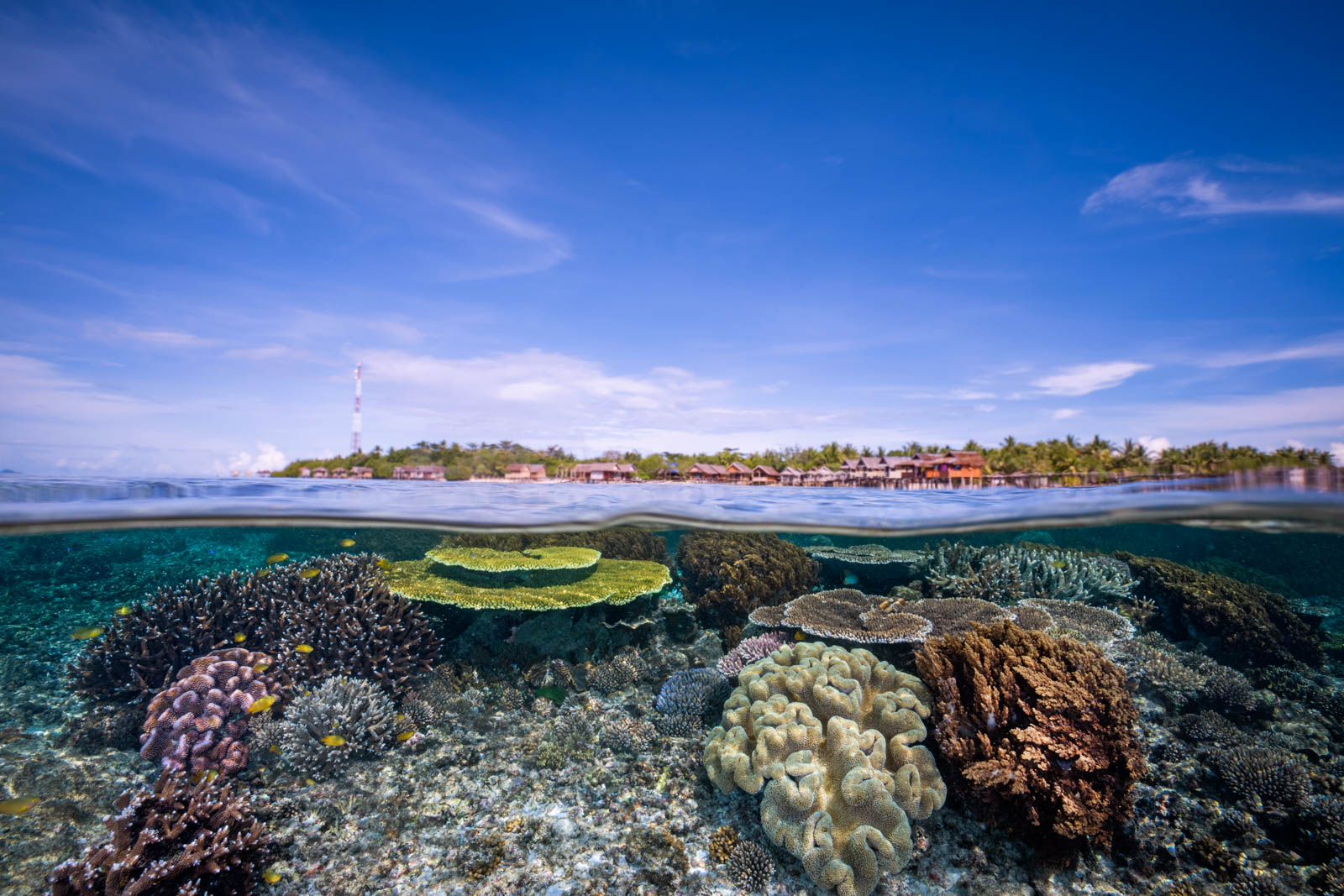
Beyond the grand reefscapes, Raja Ampat is also an ideal location for stunning split shots, capturing both the underwater world and the breathtaking topside scenery. Many island house reefs offer easy access to calm, shallow waters, perfect for experimenting with this technique. Selecting a homestay with a pristine house reef ensures 24-hour access to an almost choreographed coral backdrop, maximizing time in the water to capture the perfect split shot, especially during the region’s breathtaking sunrises and sunsets.

However, a significant draw to Raja Ampat, particularly for dedicated enthusiasts, is its unparalleled macro life. The cracks and crevices of these vibrant reef systems hide a fascinating array of "weird and wonderful critters." For macro photography, a mid-range macro lens like a 60mm is a good starting point, but packing a lens with more magnification, such as a 90mm or 120mm, is essential for capturing the truly tiny subjects. An external diopter is also highly recommended for extreme close-ups of the minutest creatures. Photographers can expect multiple encounters with pygmy pipehorses, mantis shrimps, leaf scorpionfish, various frogfish, diverse species of cephalopods (including different octopus and cuttlefish), ghost pipefish, eels, blennies, and a multitude of soft coral denizens. Engaging with dive guides before each descent is crucial to ascertain expected sightings and select the appropriate camera setup for optimal results.
Navigating the Challenges: Currents and Visibility

The very elements that contribute to Raja Ampat’s rich diversity also present its primary challenges for underwater photographers: nutrient-rich waters and strong currents. While these conditions fuel the immense marine life, they can sometimes lead to less-than-desirable visibility. Capturing expansive wide-angle images can become challenging, necessitating meticulous strobe positioning to minimize backscatter and enhance clarity.
These nutrient-rich waters are a direct result of the incredibly intricate system of strong currents that flow through the Dampier Strait and other channels. While these currents are a primary contributing factor to the masses of marine life, they can be a significant burden when handling heavy underwater photography equipment. Divers must be prepared for dives where the primary objective is to hold on for dear life, seeking shelter behind any available boulder. If a dive guide indicates "strong" currents before a dive, photographers are often advised to consider leaving their cameras behind, as managing heavy gear in powerful currents can compromise safety and lead to missed photographic opportunities, not to mention potential damage to expensive equipment. It is paramount to ensure cameras are securely attached at all times, and reliable camera insurance is a wise investment for any expedition to such dynamic environments.

Premier Dive Sites for Photographers
Several dive sites stand out as exceptional for underwater photography:

-
Melissa’s Garden: A dream for coral enthusiasts, this wide-angle site immerses divers in vast mountains of coral plates stretching endlessly. Its elegant topography provides a perfect canvas for wide-angle shots of schooling batfish, barracuda, snappers, lionfish, and angelfish. The health and scale of the coral here are truly awe-inspiring.
-
Batu Rufus: This hidden gem features a crystal-clear emerald lagoon nestled amidst towering limestone formations near the Fam Islands. The dive begins on the outer slopes, where encounters with mantas and sharks are possible. However, the true photographic magic unfolds in the shallow lagoon. A large swim-through, lined with coral fans and majestic rock structures, leads into a natural pool of wonders with startling visibility. Here, photographers can spend hours in just 5 meters of water, capturing flourishing reef systems with natural light. The site is also perfect for stunning split shots, incorporating the dramatic limestone formations.

-
Cape Kri: Perhaps the most famous dive site in Raja Ampat, Cape Kri once held the world record for the highest number of fish species spotted on a single dive. Its immense biodiversity offers overwhelming choices for marine life photography. Given its popularity, divers often have the chance to visit multiple times, allowing for both wide-angle lens dives (capturing schooling barracuda, turtles, mantas, and pelagics) and dedicated macro dives. The sloping reefs extend to 40 meters, while the strong intersecting currents ensure a constant flow of nutrients and marine activity. The site is saturated with exotic tiny critters, including the elusive pygmy seahorse, often found camouflaged in Muricella gorgonians. Octopus, flatworms, nudibranchs, and various shrimps also populate this vibrant ecosystem.
-
Manta Ridge: Situated between Mansuar and Airborei Islands, Manta Ridge is a well-known hotspot for schooling manta rays. While encounters can be a hit-or-miss experience depending on tidal conditions and luck, favorable conditions can lead to exhilarating moments where mantas glide from every direction. Divers must, however, remain acutely aware of the incredibly strong and often unpredictable currents, including potentially dangerous down currents, prioritizing safety and responsible diving practices.

-
Citrus Ridge: Located near the Gam Islands, Citrus Ridge is celebrated as one of the most colorful reef systems in the region, making it an ideal canvas for wide-angle photography. However, this T-shaped dive site truly shines as a biodiversity hotspot for macro life. Photographers can engage in "underwater detective work," peering into every rock and crevice to discover rare bottom dwellers. The vibrant reef system provides a stunning natural backdrop for these tiny subjects. Beyond macro, the site also offers opportunities for photographing wobbegongs, sharks, turtles, and schooling pelagics.
Conclusion and Broader Implications

The photographic possibilities in Raja Ampat are virtually endless, driven by an unparalleled diversity of marine life that continually mesmerizes devoted ocean lovers. The immersion in "true island life," characterized by perfectly manicured reefs, an abundance of ocean creatures, and infinite archipelago structures visible during surface intervals, contributes to an unforgettable experience. The primary challenge for photographers often lies in the difficult choice between focusing on wide-angle majestic reefscapes or the intricate world of macro critters, as both offer equally compelling opportunities. However, committing to a chosen setup and accepting the inherent trade-offs is part of the Raja Ampat experience.
Beyond its appeal to photographers, Raja Ampat’s significance extends to its critical role in global marine conservation. Local communities, supported by international non-governmental organizations and the Indonesian government, are actively involved in protecting these fragile underwater ecosystems. Strict regulations on fishing, a burgeoning eco-tourism industry, and community-based conservation initiatives are crucial in safeguarding this biodiversity hotspot from threats like illegal fishing, plastic pollution, and unsustainable development. Visitors play a vital role in this by adhering to responsible tourism practices, respecting the marine environment, and supporting local conservation efforts. As "The Last Paradise," Raja Ampat represents a beacon of hope for marine conservation and a testament to the Earth’s enduring natural wonders, offering profound experiences for those willing to undertake the journey and embrace its challenges.