Macro wildlife photography stands as a uniquely captivating and profoundly rewarding discipline within the vast realm of photographic pursuits, offering enthusiasts an unparalleled opportunity to delve into the intricate details of the natural world often invisible to the naked eye. By meticulously focusing on subjects of diminutive scale, photographers not only uncover hidden complexities and textures but also craft compelling visual narratives of creatures and phenomena that largely remain unseen by the general populace. While the traditional allure of vibrant insects and delicate flora often dominates this genre, a growing movement within the photographic community advocates for an expansion of focus, urging practitioners to explore a diverse array of overlooked subjects that promise equally stunning, if not more unique, imagery. This exploration extends from the textured scales of reptiles and the fine structures of bird feathers to the intricate eyes of small mammals, the kaleidoscopic forms of marine invertebrates, and the architectural elegance of fungi, proving that a world of extraordinary beauty lies just beyond the conventional gaze.
The fascination with capturing minute details is not a recent phenomenon. Early forms of macro photography emerged with advancements in microscopy and lens technology in the late 19th and early 20th centuries, initially serving scientific documentation. However, it was with the advent of accessible cameras and specialized lenses in the mid-20th century that macro photography began to transition into a popular hobby, allowing amateur naturalists and artists to explore the miniature world. Digital photography, in particular, democratized the field further, eliminating the cost of film and enabling instant review and experimentation, which drastically accelerated the learning curve for aspiring macro photographers. This technological evolution has played a crucial role in empowering a wider audience to engage with the micro-details of wildlife, transforming what was once a niche scientific tool into a widespread artistic and educational endeavor.
The Unseen World: Expanding the Macro Subject Palette
While the intricate compound eyes of a fly or the delicate unfurling of a new blossom are undeniably photogenic, the article posits that a wealth of equally, if not more, intriguing subjects awaits discovery. The natural world teems with life forms and structures that, when magnified, reveal breathtaking patterns, colors, and behaviors.
-
Reptiles and Amphibians: A Study in Texture and Form
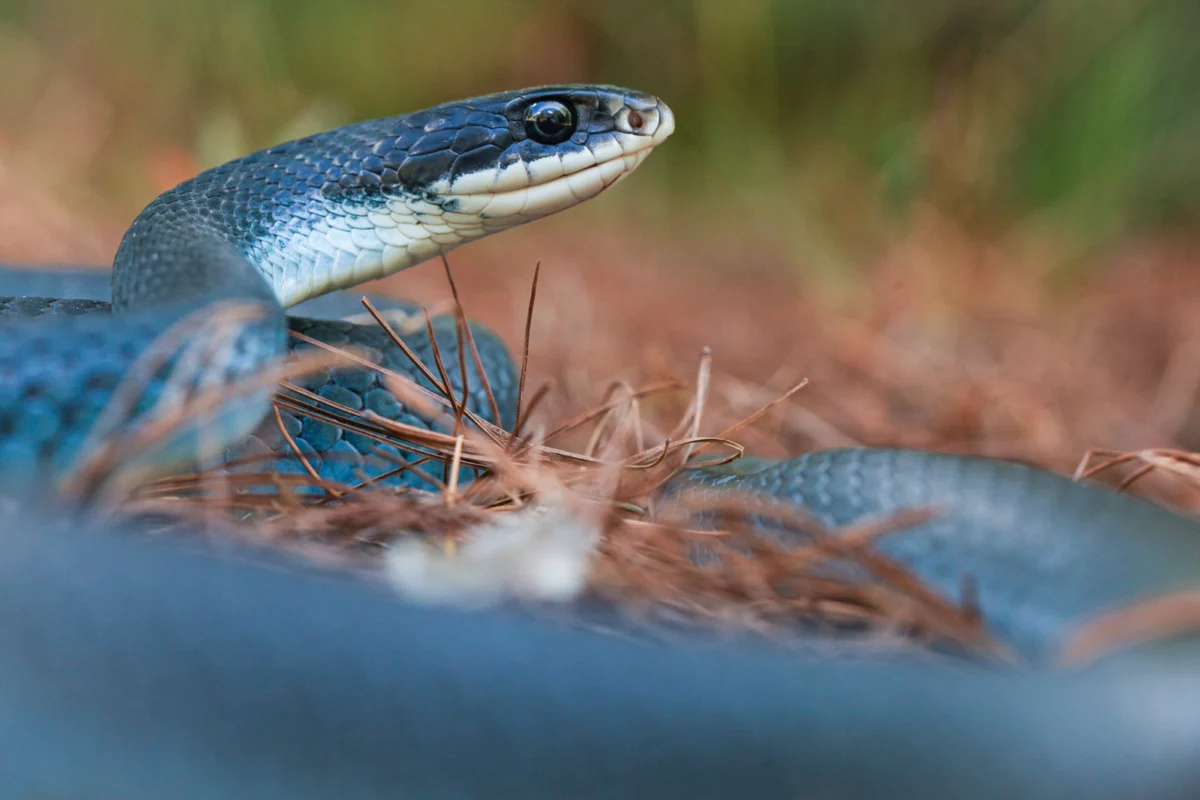
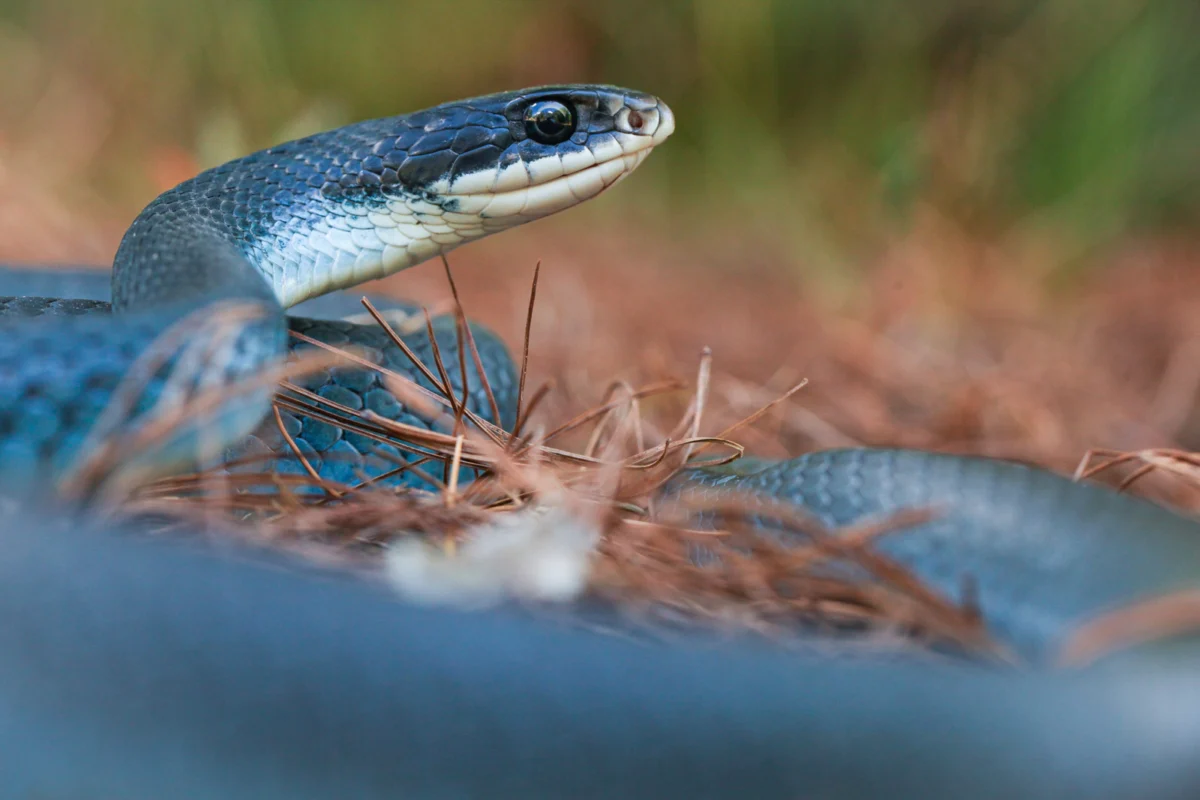
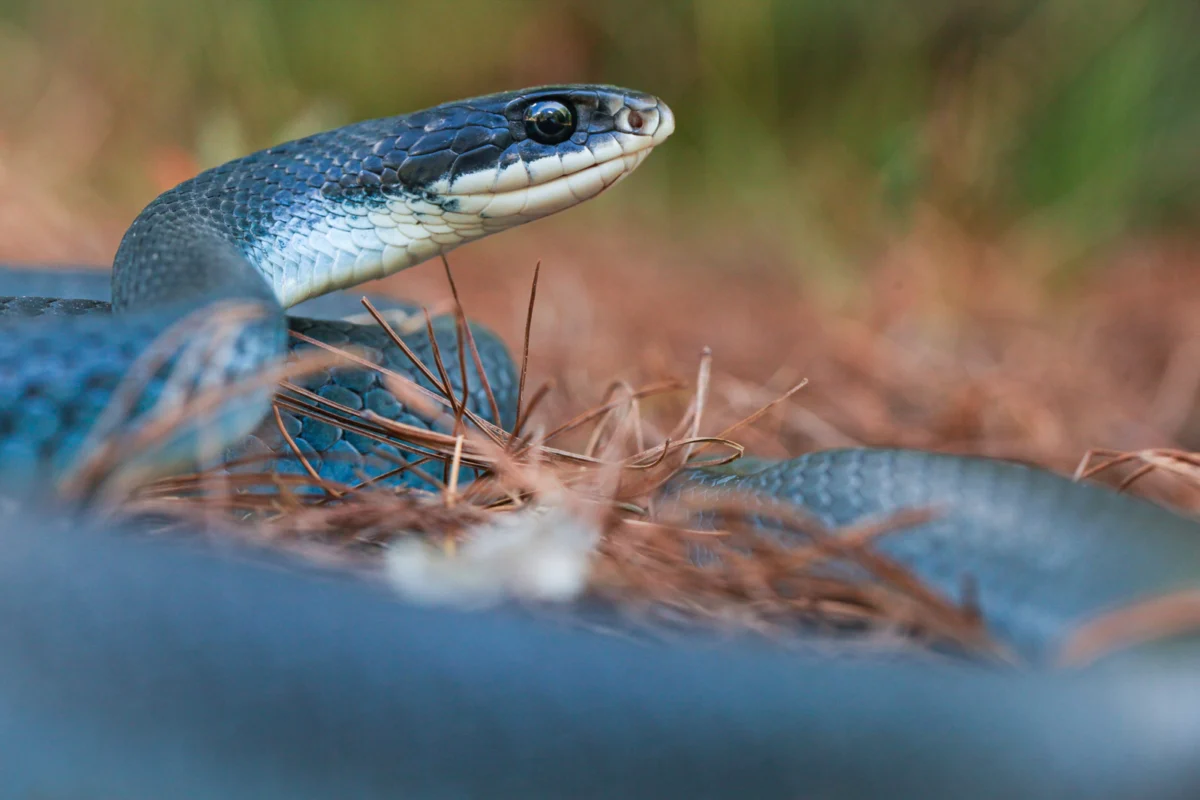
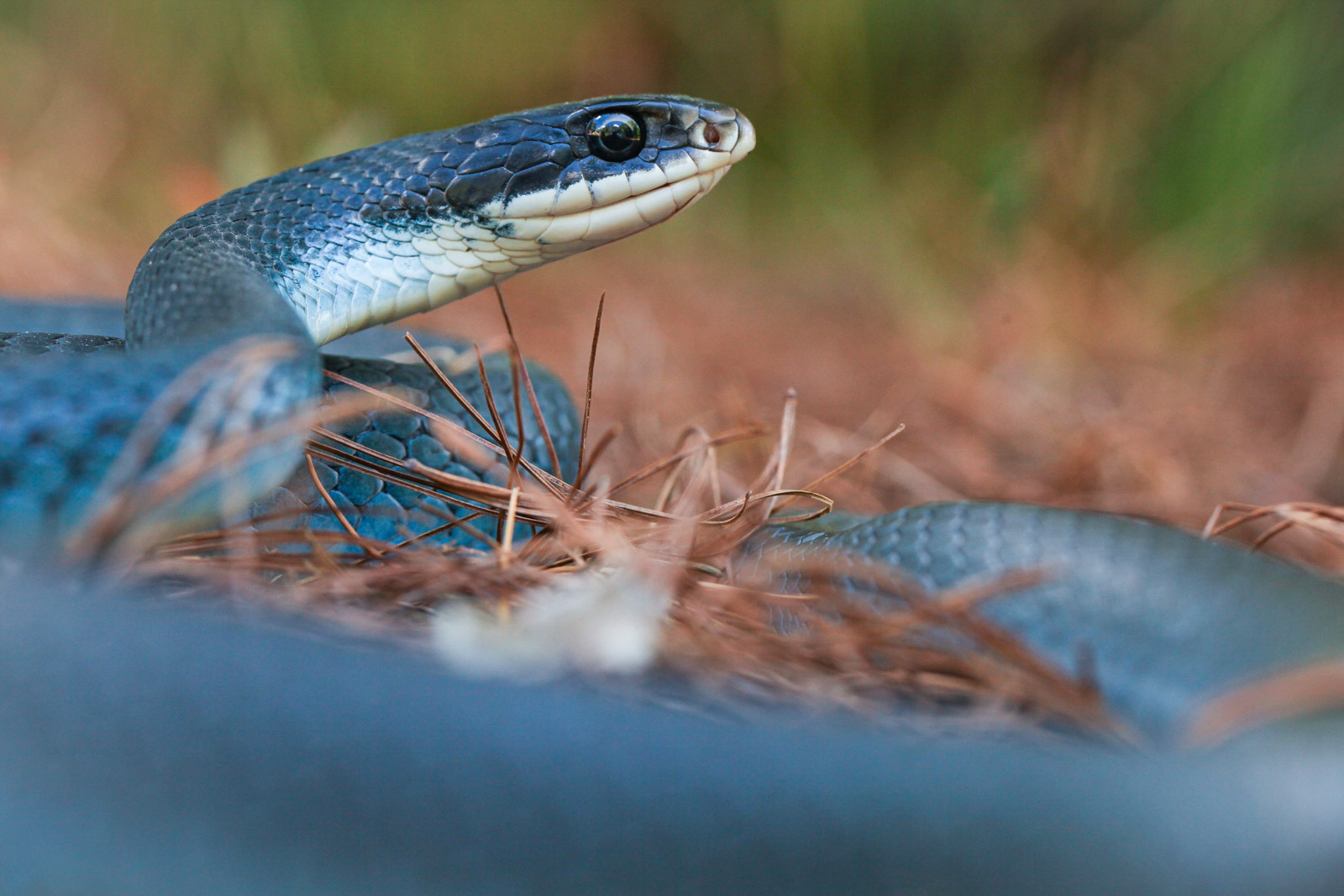
Snakes, lizards, and various amphibians, often characterized by their cold-blooded nature and unique integumentary systems, present an extraordinary canvas for macro investigation. Their skin, whether scaled, granular, or smooth, is a mosaic of textures and patterns. Macro lenses can accentuate the iridescent quality of a snake’s scales, the subtle bumps on a toad’s skin, or the delicate translucence of a tree frog’s digits. Experts in herpetology note that such close-up images can contribute significantly to public awareness regarding the diversity and beauty of these often-misunderstood creatures, fostering appreciation rather than fear. For instance, the intricate dermal patterns of a gecko’s footpads, enabling its gravity-defying adhesion, become a marvel of natural engineering under macro magnification.
-
Feathered Finesse: The Micro-Details of Birds
While bird photography typically involves long telephoto lenses to capture subjects from a distance, macro opportunities exist in examining individual elements. Feathers, talons, and beaks, though seemingly simple from afar, possess complex structures that yield unique views. A macro shot of a bird’s feather can reveal the intricate interlocking barbules that give it strength and aerodynamic properties, or the subtle gradients of color and texture that contribute to its camouflage or display. The fine details of a raptor’s talon or the unique ridges on a hummingbird’s beak offer a different perspective on avian anatomy and adaptation. Conservationists highlight that detailed images of plumage can also aid in identifying species, assessing health, and even tracking individual birds through unique feather patterns. -
Mammalian Miniatures: Unveiling Intricate Features
Capturing mammals in macro poses a challenge due to their often skittish nature and larger size. However, the article encourages focusing on specific, often-overlooked features. The fine hairs of a mammal’s fur, the intricate details of its whiskers (vibrissae), the depth and character of its eyes, or the unique textures of paw pads can all become compelling macro subjects. Imagine the intricate swirls of fur on a dormouse’s back, the delicate capillaries visible in a bat’s wing membrane, or the expressive micro-expressions around the eyes of a small rodent. These intimate portraits can foster a deeper connection with even the smallest members of the mammalian kingdom, revealing their hidden complexities. -
Subaquatic Spectacles: Macro Wonders of Marine Life
The underwater world represents an entire frontier for macro photography, largely unexplored by terrestrial photographers. With appropriate underwater housing and lighting, a kaleidoscope of marine life becomes accessible. From the vibrant, alien forms of nudibranchs (sea slugs) to the intricate structures of corals and the delicate appendages of crustaceans, marine macro photography unveils a world of unparalleled color, texture, and bizarre beauty. Marine biologists frequently utilize macro photography to document new species, observe symbiotic relationships, and monitor the health of coral reefs, underscoring its scientific value. The sheer diversity of form and function in marine invertebrates offers endless opportunities for captivating imagery that few people ever witness firsthand.
-
Fungal Fantasies: Static Beauty in Mycology
Perhaps the most accessible yet overlooked subjects are fungi. Stationary and abundant in many environments, fungi boast an astonishing array of unique surfaces, textures, and architectural forms. Macro lenses can transform a humble mushroom into an otherworldly sculpture, highlighting the delicate gills, the velvety texture of its cap, or the intricate patterns of its stalk. Beyond their aesthetic appeal, macro images of fungi can illustrate their crucial role as decomposers in forest ecosystems, providing a visual link to their ecological significance. Their static nature also allows for more deliberate composition and lighting, making them an ideal subject for honing macro techniques.
Mastering the Tools: Essential Macro Photography Gear
Achieving high-quality macro wildlife photographs demands not only an eye for detail but also the right equipment. The foundational tools include a macro-capable lens and effective lighting solutions.

-
Specialized Lenses and Magnification
A true macro lens is designed to achieve a magnification ratio of at least 1:1, meaning the subject is projected onto the camera’s sensor at its actual size. Some lenses offer even greater magnification (e.g., 2:1 or 5:1). Macro lenses come in various focal lengths (e.g., 60mm, 100mm, 180mm), each offering different working distances. Shorter focal lengths require closer proximity to the subject, which can be challenging with skittish wildlife, while longer focal lengths provide more working distance, reducing the likelihood of disturbing the subject. For photographers new to the hobby or on a budget, extension tubes (which increase the lens-to-sensor distance) or close-up filters (diopters that screw onto the front of a lens) offer cost-effective ways to achieve magnification, though often with some compromise in image quality or working distance. -
Illuminating the Microcosm: Advanced Lighting Techniques
Adequate and controlled lighting is paramount in macro photography, where small apertures are often used to maximize depth of field, leading to darker scenes. A dedicated flash unit, coupled with a diffuser, is frequently indispensable. While built-in camera flashes can be used, their fixed position often results in harsh, unflattering light. Off-camera flashes or specialized macro flashes (such as ring flashes or twin flashes) provide greater control over light direction and intensity. A diffuser, which softens and spreads the light, is crucial for preventing harsh shadows and hot spots, creating a more natural and appealing illumination. Common diffusers range from simple homemade solutions (e.g., translucent plastic sheets) to professional softboxes designed specifically for macro photography. The ability to manipulate light allows photographers to emphasize textures, create dramatic effects, and reveal details that would otherwise be lost.
Precision and Patience: Core Macro Photography Techniques

Beyond the gear, successful macro wildlife photography relies heavily on mastering specific techniques and adopting a disciplined approach.
-
Achieving Stability and Sharpness
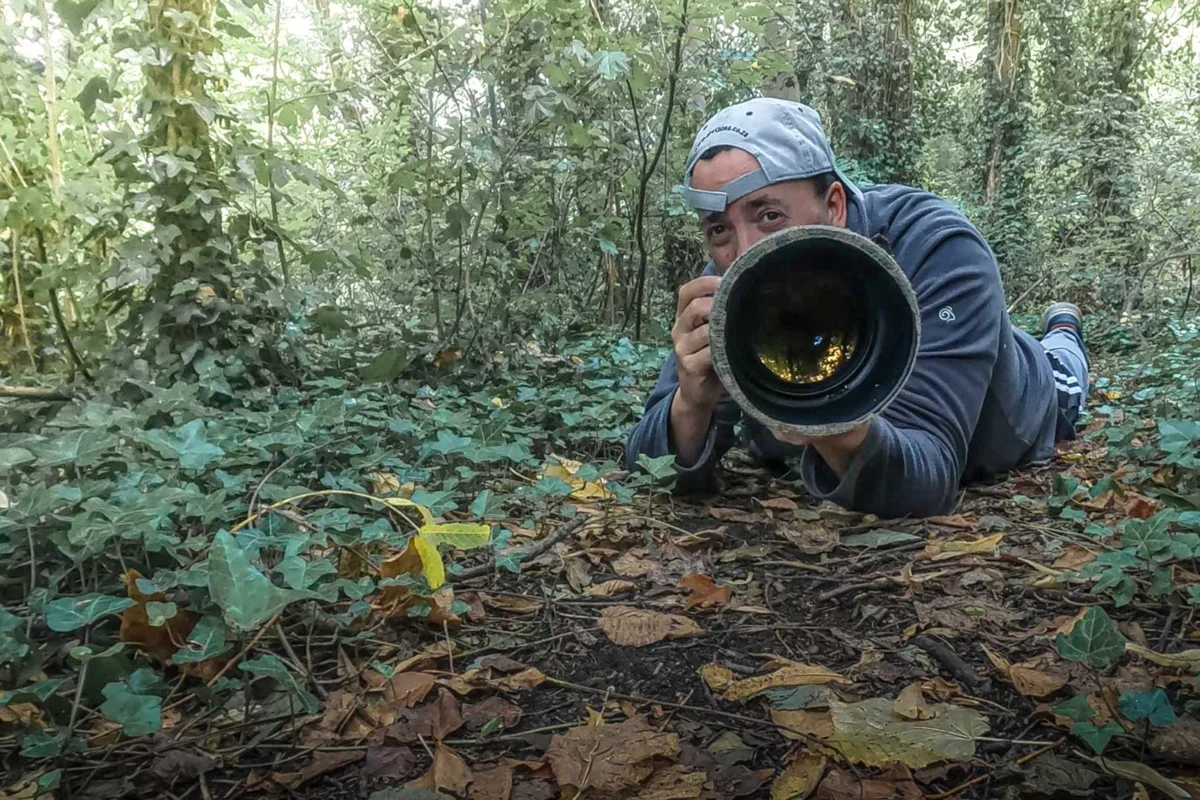
For mobile subjects, handheld shooting is often necessary. Photographers typically brace their body, use a fast shutter speed (often enabled by flash), and employ a stable two-hand grip on the camera. For ground-dwelling subjects, a beanbag or small towel can provide a versatile and quick-to-deploy stabilization platform, allowing for low-angle shots. While tripods are invaluable for static subjects and focus stacking, their use can be cumbersome when pursuing active wildlife. The critical importance of stability stems from the extremely shallow depth of field inherent in macro photography, where even the slightest movement can result in a blurry image. -
Focusing for Depth: From Single Shot to Stacking
Selecting the right focusing mode is crucial. While some cameras offer advanced AI focus modes that track subjects, many macro photographers prefer "one shot" autofocus for precise control or, more commonly, manual focus for absolute accuracy, especially at high magnifications. The general rule of thumb is to focus on the most important detail, typically the eye of an animal, to draw the viewer’s gaze. Given the inherently shallow depth of field at macro magnifications, achieving sharpness across the entire subject can be challenging. This is where focus stacking comes into play: taking multiple images at slightly different focus points and then combining them in post-processing to create a single image with extended depth of field. A starting aperture of f/11 is often recommended for macro work, providing a balance between depth of field and minimizing diffraction.
-
Exposure Control and RAW Workflow
Understanding the interplay of aperture, shutter speed, and ISO is vital. In macro, flash often becomes the primary light source, allowing for lower ISOs and faster shutter speeds to freeze motion and ensure sharpness. Shooting in RAW format is a non-negotiable best practice. RAW files retain significantly more image data than JPEGs, offering far greater flexibility in post-processing to correct exposure, white balance, and retrieve details from highlights and shadows. This is particularly important in dynamic wildlife encounters where optimal settings might be compromised in the heat of the moment, allowing for critical adjustments later.
Ethical Imperatives in Wildlife Macro Photography
The pursuit of stunning macro images must always be tempered by an unwavering commitment to ethical practice. The welfare of the subject—plant or animal—must be the paramount consideration.

-
Prioritizing Animal Welfare and Minimizing Disturbance
The most accomplished wildlife photographers capture breathtaking images without causing any distress or harm to their subjects. This requires patience, stealth, and a deep understanding of animal behavior. Moving subjects, altering their environment (e.g., breaking branches, removing leaves), or using bait can constitute unethical practices that stress animals and disrupt ecosystems. Practicing techniques at home with inanimate objects can hone a photographer’s skills, making them more efficient and less intrusive in the field. This minimizes the time spent disturbing a wild subject, allowing for quick capture and retreat. -
Informed Practice and Conservation Impact
Before venturing into any natural environment, photographers should undertake thorough research. This includes understanding local wildlife regulations, identifying protected species, and being aware of any venomous or poisonous creatures. Knowledge about an animal’s natural behavior, habitat, and vulnerabilities ensures a respectful and safe interaction for both photographer and subject. The ethical choices made by photographers set a crucial example for others and contribute directly to conservation efforts. By minimizing disturbance and respecting wildlife, macro photographers can become advocates for the small, fragile ecosystems they document, fostering a greater appreciation and understanding of biodiversity. This contributes to the broader goal of conservation, ensuring that these incredible subjects remain for future generations.
The Broader Canvas: Impact and Future of Macro Wildlife Photography

Macro wildlife photography transcends mere hobbyism; it serves as a powerful tool for scientific discovery, public engagement, and artistic expression.
-
Scientific Contributions and Public Engagement
High-resolution macro images provide invaluable data for entomologists, botanists, and marine biologists, aiding in species identification, behavioral studies, and ecological research. For instance, detailed photographs of insect morphology can help identify subspecies or document anatomical variations. Furthermore, by bringing the unseen world into sharp focus, macro photography plays a vital role in public education and conservation advocacy. It ignites curiosity, highlights the incredible biodiversity around us, and encourages a deeper appreciation for the intricate web of life, from the largest mammals to the smallest fungi. -
The Art of the Unseen
Beyond its scientific utility, macro photography is a profound form of artistic expression. It transforms ordinary subjects into extraordinary works of art, revealing abstract patterns, vibrant colors, and compelling compositions. The interplay of light, shadow, and extreme detail creates images that challenge perception and invite contemplation, pushing the boundaries of what is considered beautiful or visually engaging. This artistic dimension allows photographers to imbue their images with emotion and narrative, fostering a unique connection between the viewer and the microscopic world.
In conclusion, the enduring popularity of macro photography on social media and among hobbyists is a testament to its unique ability to unveil the hidden qualities of often-overlooked subjects. It offers a transformative experience, not just for those who view the photographs, but for the photographers themselves, who develop a heightened awareness and appreciation for the smaller side of wildlife. Whether it’s the intricate venation of a butterfly’s wing, the mesmerizing patterns of a snake’s scales, or the surprisingly human-like dexterity captured in a monkey’s hand, macro investigation is consistently a journey of discovery. For those eager to unlock the secrets of the miniature world, armed with the right gear, honed techniques, and an unwavering ethical compass, the vast and captivating realm of macro wildlife photography awaits.