The esteemed "From Amateur to Professional" interview series, curated by Nature TTL, continues its mission to illuminate the transformative journeys of established nature photographers. This initiative aims to provide invaluable insights, showcasing the evolution of photographic practices, the progression of iconic images, and the strategic transitions that define a professional career in the competitive realm of nature photography. Through candid discussions, the series offers aspiring photographers a roadmap, detailing the initial sparks of passion, the hurdles overcome, and the relentless dedication required to carve a niche in this challenging yet profoundly rewarding field.
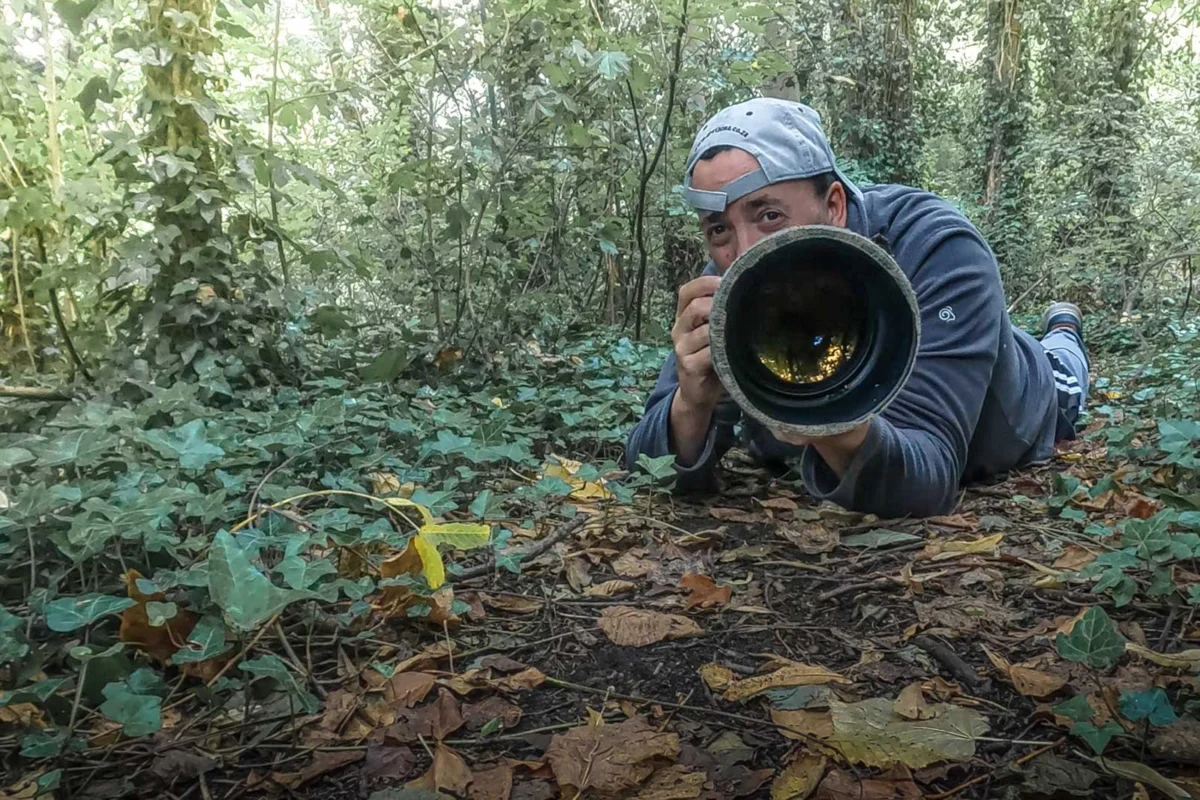
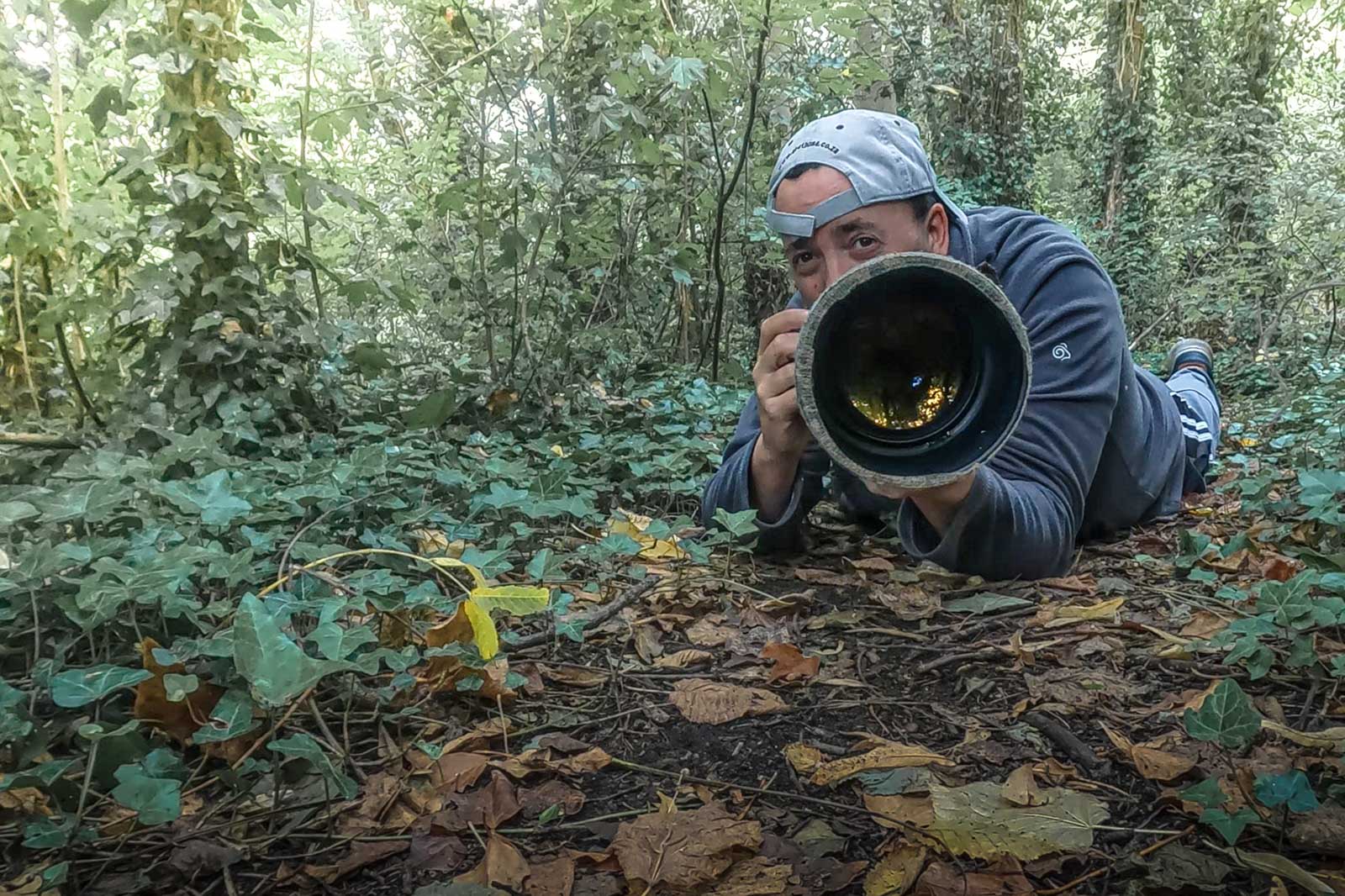
This installment features Victor Soares, a South African-born wildlife photographer whose nearly two decades of unwavering dedication have culminated in a distinguished career. Now based in the United Kingdom, Soares is renowned for leading immersive photography tours across Europe and Africa, sharing his deep-seated love for the natural world with fellow enthusiasts. His extensive body of work has garnered widespread recognition, earning accolades and publication in some of the world’s most prestigious photographic publications and associations, solidifying his status as a leading voice in contemporary wildlife photography.
The Genesis of a Passion: Early Life and Digital Dawn
Soares’s enduring fascination with nature and wildlife was kindled in the rich, biodiverse landscapes of his native South Africa. Growing up amidst such natural splendor, the wilderness became more than just a backdrop; it was a cherished sanctuary, an escape from the complexities of the world. He recalls a particular fondness for birds, South Africa’s avian diversity offering an endless source of entertainment and intrigue. Countless hours were spent observing these creatures through binoculars, or meticulously attempting to approach the myriad species that populated his surroundings. This foundational connection to wildlife predated his photographic pursuits, establishing a profound respect and understanding for his subjects that would later define his artistic approach.
The serendipitous entry into wildlife photography arrived in 2004, coinciding with the burgeoning era of digital photography. Soares acquired his first DSLR, a Canon 300D, initially with the modest intention of documenting holiday memories. At the time, the Canon 300D represented a significant leap in photographic accessibility, offering advanced technical capabilities at a relatively affordable price point, making digital capture available to a wider audience than ever before. This camera, while basic by today’s standards, was revolutionary, democratizing photography and allowing instant feedback that film could not provide.

A pivotal moment occurred after a trip to Kruger National Park. Soares visited a local photo lab to process his images. The owner, Johan Combrink, a wildlife photography enthusiast himself, had adorned his shop with striking images of various species. As Combrink returned Soares’s holiday snaps with a customary "nice pictures" comment, Soares found himself blurting out a desire to capture images "like that," gesturing towards a particularly arresting photograph of a Cattle Egret. Combrink’s unexpected response—an invitation to return the following day for a personal tutorial—marked the true beginning of Soares’s photographic journey.
This impromptu mentorship proved invaluable. Soares dedicated countless days in Combrink’s shop, meticulously learning the intricacies of camera techniques and post-processing. Combrink’s guidance extended beyond technical instruction, offering motivational support through the inevitable "dark times" of creative frustration. This act of generosity, a mentor sharing his knowledge without expectation of recompense, remains a cornerstone of Soares’s gratitude. This early mentorship highlights a critical aspect of creative development: the profound impact of experienced guidance in shaping an emerging talent, providing both technical skills and the psychological fortitude needed to persevere.
From Nascent Attempts to Artistic Expression: A Visual Evolution

Soares vividly recalls his very first photograph with the Canon 300D—a blurry, distant, and poorly lit image of a Cormorant in flight. While ambitious, it underscored the steep learning curve inherent in wildlife photography. This particular image no longer exists, as in 2007, upon receiving a Canon Rebel XT as a Christmas gift from a friend, Soares made a conscious decision to "start fresh," archiving or deleting his earlier, less refined work. This act symbolized a commitment to a new phase of learning and improvement, leaving behind the initial trials for a more focused pursuit of quality.
During a New Year’s trip to Kruger Park with his then-girlfriend (now wife) in 2007, Soares captured one of the first images with his new camera that he genuinely liked: a Steenbok. Reflecting on this image today, Soares offers a nuanced critique that reveals his growth as a photographer. While he appreciated capturing the animal in focus and in decent light, he now identifies several areas for improvement. The image suffered from cropped feet, an unoptimized aperture of f/8, and was shot in Aperture Priority (Av) mode—a setting he now largely eschews in favor of Manual mode for greater control. The limitations of early digital cameras also meant a cautious approach to ISO, rarely daring beyond 400 due to concerns about image noise. This self-assessment underscores a significant evolution in his technical understanding and artistic intent, moving beyond merely "capturing" an animal to meticulously crafting an image.
The Power of an Image: A Yawning Fox and Childhood Fantasies

Among his extensive portfolio, a photograph of a yawning fox stands out as one of Soares’s all-time favorites. This image encapsulates not only technical mastery but also a profound personal connection. His move to the UK in 2016, and subsequently to London in 2018, sparked a new fascination with urban wildlife, particularly foxes, which had only featured in fairytales during his South African upbringing. Having only rarely seen or photographed them, every sighting became an event.
His pursuit led him to a small park in Sutton, London, where a population of five foxes, including a notably friendly individual, allowed for close observation. It was this particular fox that gifted Soares the iconic moment. After jumping a small hedge and settling into a bed of leaves, the fox surprisingly emitted a huge yawn just as Soares positioned himself. The immediate viewing on his camera’s back screen hinted at the magic, but it was upon review on a larger screen that the full glory of the image revealed itself. The shot captured the ethereal detail of her cold breath, the rich, glorious hues of autumn foliage, and the intricate structure of her teeth mid-yawn. The shallow depth of field perfectly isolated the subject, rendering a beautifully thrown-out background. Every element—her pose, position, and inherent grace—aligned to create a truly exceptional image. For Soares, this photograph was more than just a successful capture; it was the realization of a childhood fantasy, bringing the mythical red fox into tangible, breathtaking reality.
Revisiting Familiar Haunts with a Refined Perspective

Soares’s photographic journey has been marked by a continuous cycle of revisiting and re-evaluating, particularly with the landscapes and wildlife of Africa. While his current UK residency limits his visits to African game parks, each return is imbued with a heightened sense of appreciation and a more evolved photographic approach. His early years in South Africa were instrumental in learning the foundational aspects of safari photography—shooting from a vehicle, identifying promising scenes, and anticipating animal behavior.
Now, his approach is far more deliberate and nuanced. He meticulously considers the sun’s direction, the quality of light, potential background distractions, and optimal shooting angles. He has developed a deeper understanding of animal behavior, recognizing subtle cues that precede action and how these interactions influence other species. Each safari becomes a masterclass, reinforcing the principle that in wildlife photography, anticipation and refined technique are paramount. This iterative process of returning to familiar environments with a broadened perspective allows for continuous learning and the capture of increasingly sophisticated images.
Beyond African safaris, Soares dedicates significant time to the annual deer rut in the UK. What began as an appreciation for the spectacle—the bellowing stags and occasional clashes—has evolved into a quest for unique artistic expressions. He now seeks specific environmental conditions, such as cold mornings that create dramatic "bellow steam," or the way autumn light filters through the trees, creating painterly effects. He also focuses on the nuanced interactions between females, though the stags undeniably remain the primary draw. This demonstrates a progression from broad observation to a focused pursuit of specific, evocative moments, a hallmark of professional development. Furthermore, he actively seeks to photograph the "less favored" fallow deer, recognizing the intense, photographically compelling nature of their rutting battles.

The Leap to Professionalism: A Catalyst for Change
The aspiration to become a professional photographer had long simmered in Soares’s subconscious, but the practical realities of the industry, particularly the often-modest financial returns compared to his engineering career, kept it at bay. It is a widely acknowledged truth that many photographers pursue the profession as an extension of a hobby, rarely achieving the financial stability of other fields. As an engineer, Soares found his primary profession offered significantly better remuneration, making the "jump" to full-time photography a daunting prospect. Despite entering competitions with varying degrees of success, his focus and time were never fully dedicated to photography.
The initial steps towards professionalization began in 2023, when Soares started leading photography trips and teaching in his spare time, driven by keen interest from others. While these endeavors generated some income, it remained incomparable to his engineering salary. However, a significant, unforeseen catalyst emerged in early 2024. A company-wide decision to reduce staff led to Soares’s position being made redundant. While initially a difficult blow, this event unexpectedly presented the long-awaited opportunity to fully immerse himself in wildlife photography. Crucially, this transition was underpinned by the unwavering support of his wife, whom he credits as his "biggest fan and strongest supporter." Thus, in 2024, Soares officially embarked on his journey as a full-time professional wildlife photographer, transforming a career setback into a profound new beginning.

Turning Points and the Validation of Craft
Soares reflects that his career wasn’t defined by a single "eureka" moment but rather by a series of cumulative turning points. His upbringing in South Africa, surrounded by wild nature, provided an inherent advantage, offering unparalleled access to subjects that many in other parts of the world could only dream of. The thrill of photographing a leopard, for instance, remains as potent today as it was years ago, each sighting through his viewfinder a magical experience.
A particularly significant milestone arrived in 2012 when one of his images reached the final round of the prestigious Natural History Museum’s Photography Awards, then known as the Veolia Environmental Awards. This competition, renowned globally, receives tens of thousands of entries annually (over 48,000 in 2012), making the achievement of reaching the final stages an extraordinary validation of his skill and artistic vision. This moment instilled a crucial sense of self-belief, a powerful internal affirmation that he "might be good enough." Although the image did not progress to be displayed at the NHM, it remains one of his proudest turning points, a moment recalled with profound fondness. He vividly remembers the excitement of receiving the email, immediately calling his wife in celebration, only to be calmly reminded by the organizers to "just read the email" when he frantically sought next steps. This anecdote perfectly captures the raw emotion and tangible impact of such recognition on an aspiring professional.

An Evolving Workflow: From Capture to Artistic Rendering
Soares’s photographic process has undergone continuous evolution over the years, marked by a penchant for experimentation. While some changes have been subtle, others have been more significant, reflecting his commitment to growth and adaptation. He actively seeks inspiration from the work of other photographers, embracing modern techniques and diverse styles. The most profound shifts, he notes, have occurred in how he captures and processes his images.
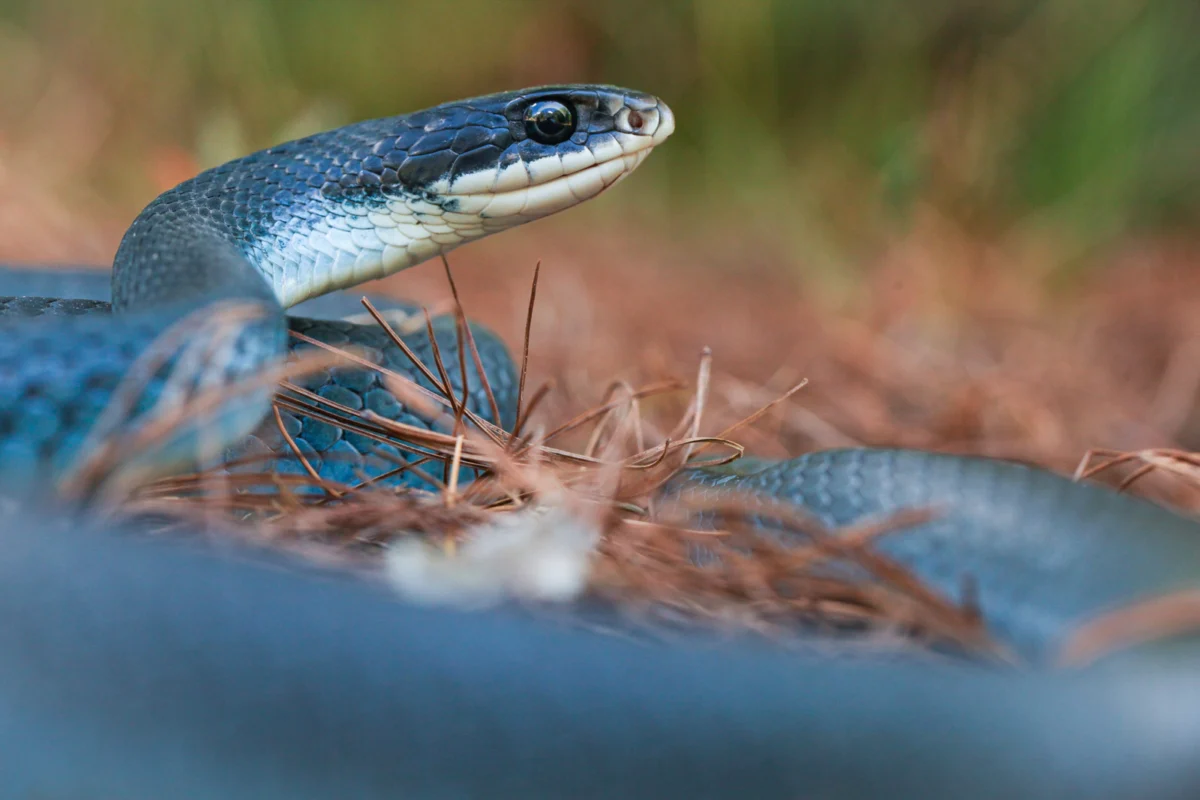
He particularly favors a low-down perspective, often getting as close to the ground as possible, combined with a very shallow depth of field. This technique, while often necessitating investment in "expensive glass," is considered a worthwhile endeavor, as the results are consistently phenomenal. His perennial favorite lens, the 300mm f/2.8, epitomizes this philosophy, delivering exceptional image quality. His focus is not merely on achieving front-to-back sharpness but on ensuring the primary point of interest is impeccably in focus, allowing it to powerfully stand out against a beautifully blurred background.

Beyond technical precision, Soares strives to imbue his images with emotion. He believes that portraying a creature’s inner state—be it calm, anger, fear, cunning, eagerness, desperation, or resolve—adds a crucial layer of reality and depth. While easier to achieve with mammals, this artistic objective guides his approach to all subjects, elevating his photographs beyond mere documentation to compelling narrative.
The Enduring Challenge: Sustaining Motivation and Embracing Growth
Soares identifies his biggest challenge, particularly in the nascent stages of his career, as the struggle to maintain motivation. Being constantly exposed to the impressive work of established photographers can be daunting, fostering feelings of inadequacy. It is easy, he admits, to fall into the trap of believing one will "never be as good as your heroes and role models." He has since learned that these role models are placed on pedestals by oneself, serving as aspirational figures whose perceived superiority fuels continuous striving. The crucial takeaway, he emphasizes, is to "keep going," even when self-doubt creeps in.

His current challenge, though not explicitly stated as distinct from his past one, revolves around the continuous mental fortitude required to navigate a demanding creative career. He advocates for perseverance, urging aspiring photographers not to shy away from criticism. In an age of instant gratification and pervasive social media, the pressures of family, work, and societal expectations can make sustained creative pursuit seem impossible. Yet, Soares insists on the importance of enjoying the process and journey, viewing it as a path without a finite destination, and embracing constant learning.
Timeless Wisdom: Patience as the Photographer’s Virtue
When asked for a single piece of advice he would offer his younger self, Soares’s answer is unequivocal: "be patient." This wisdom addresses a pervasive contemporary demand for immediate results, often at the expense of foundational learning. In any journey, particularly in today’s fast-paced world, there is an inherent pressure to constantly be "one step ahead," often neglecting reflection on current progress or the mastery of essentials.

Soares candidly admits to falling into this trap, initially measuring his progress by new camera features rather than by his intrinsic photographic abilities. He recounts believing that a higher frames-per-second rate meant he was quicker, or more focus points equated to better focus, without first possessing the underlying skills to fully leverage these technological advancements. He acknowledges that while ambition is vital for progress, it can also lead to immense frustration when desired results are not immediately apparent.
Today, enriched by age and experience, Soares approaches his craft with far greater patience. He observes that photography has advanced at an astonishing pace, with new features constantly emerging, often overshadowing the timeless importance of mastering the fundamentals. His advice is clear: "Be patient. Take time to learn the art and basics of photography – they will endure much more than any feature ever will."
This principle of patience extends directly to wildlife photography itself. Many of the most impactful images are born from hours of patient observation and waiting for the opportune moment. The action-packed, impressive photographs frequently seen are often the culmination of prolonged dedication in the field. Patience, in both skill acquisition and fieldwork, is therefore not merely a virtue but a critical strategic imperative for success in nature photography.

A Lifelong Journey of Learning and Sharing
With nearly two decades dedicated to photography, Soares emphasizes that his learning journey remains ongoing. He actively seeks knowledge from diverse sources: remaining a member of a camera club to gain insights from peers, consistently reading articles and magazines for news, tips, and techniques, and regularly shooting with other photographers to benefit from their unique approaches and perspectives. This commitment to continuous learning underscores the dynamic nature of the field and the importance of humility and openness.
His concluding advice is a powerful call to action for aspiring photographers: "Don’t be afraid to ‘put yourself out there’." He urges photographers to showcase their work, to welcome criticism and comments, and to view all feedback—both positive and negative—as invaluable opportunities for reflection, growth, and development. In a world where creative endeavors can be intensely personal, Soares champions the courage to share, learn, and evolve, solidifying his legacy not just as a master photographer, but also as a generous mentor and an inspiring figure in the global nature photography community.