The vast, undulating expanse of Lençóis Maranhenses National Park, a jewel of northeastern Brazil, has captivated the photographic eye of veteran nature documentarian Paul Nicklen, transforming what was intended as a brief stopover en route to Patagonia into an extended, soul-stirring exploration. This 600-square-mile natural wonder, recently designated a UNESCO World Heritage Site, presents a breathtaking mosaic of interlacing river systems, ephemeral crystal lagoons, and seemingly endless stretches of pristine white sand dunes, all shimmering under the intense equatorial sun. Nicklen’s experience underscores the park’s unique ecological character and its profound artistic inspiration, prompting a deeper examination of its natural processes, conservation status, and broader implications for understanding delicate ecosystems.
A Landscape of Contrasts: The Unique Ecosystem of Lençóis Maranhenses
Located in the state of Maranhão, approximately 250 kilometers (155 miles) east of São Luís, Lençóis Maranhenses National Park is an unparalleled geographical anomaly. The park is characterized by vast fields of towering white sand dunes, sculpted by wind into ever-shifting forms. During the rainy season, typically from January to June, these dunes become dotted with thousands of freshwater lagoons, their waters ranging in color from the deepest sapphire to vibrant turquoise and emerald green, creating a surreal, otherworldly landscape. These lagoons are temporary, their existence dependent on the annual rainfall and the unique hydrogeology of the region. As the dry season progresses, the lagoons gradually recede, leaving behind the parched, undulating sand.
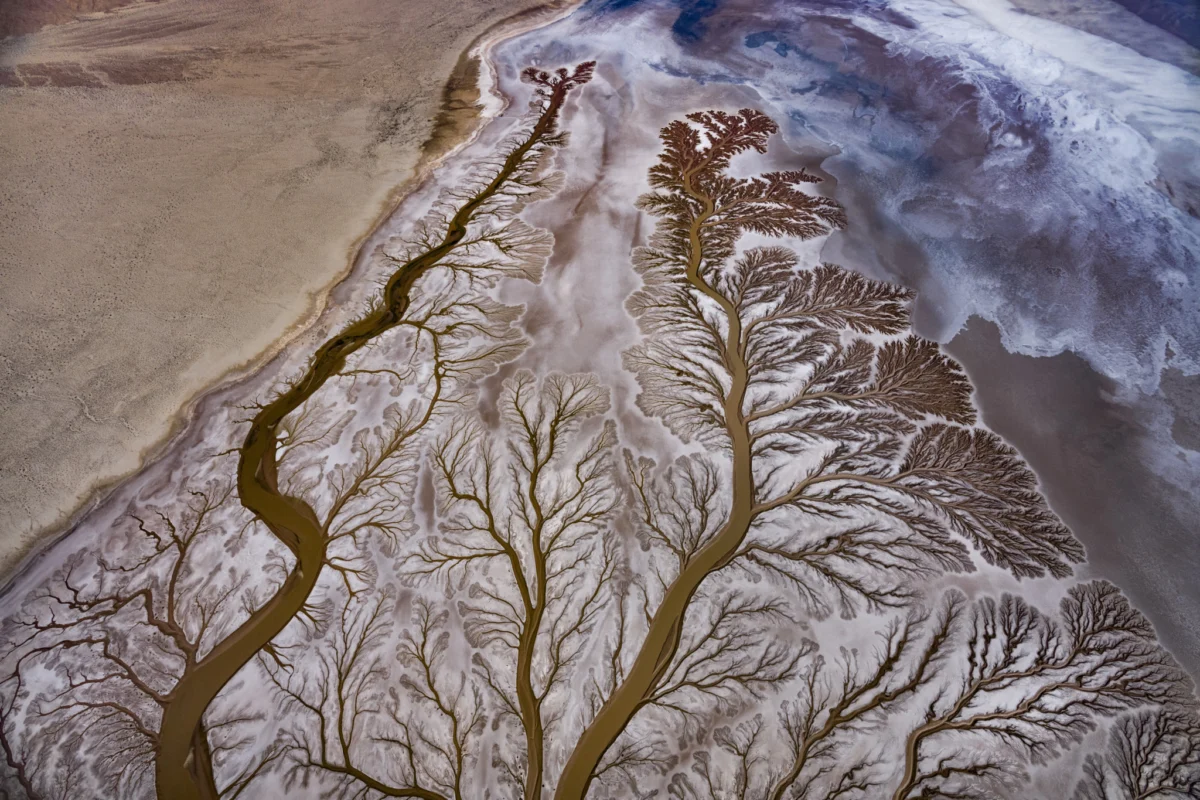
The park’s eastern border is defined by over 40 miles of coastline, interspersed with small, traditional fishing villages that have long been sustained by the bounty of the Atlantic Ocean. Winding, tannin-colored river systems, originating from the inland plateau and carrying leached organic matter from decaying vegetation, snake their way through the white dunes, their dark waters creating a striking contrast against the pale sand before eventually merging with the Parnaíba River and flowing into the sea. To the west, the landscape transitions from this unique desert-wetland mosaic to the typical Brazilian biome of cerrado (tropical savanna), characterized by grasslands and scattered trees, before eventually giving way to agricultural lands.
The Aerial Perspective: Unveiling Nature’s Grand Design
Overwhelmed by the sheer scale and dynamic beauty of the park, Nicklen felt compelled to capture its grandeur from a perspective that could encompass its vastness. Historically, aerial photography of such remote and expansive natural areas often involved the use of cramped ultralight aircraft or Cessnas, sometimes with doors removed for unobstructed views. However, the advent of drone technology, or Unmanned Aerial Vehicles (UAVs), has revolutionized creative possibilities, offering unprecedented access and flexibility.
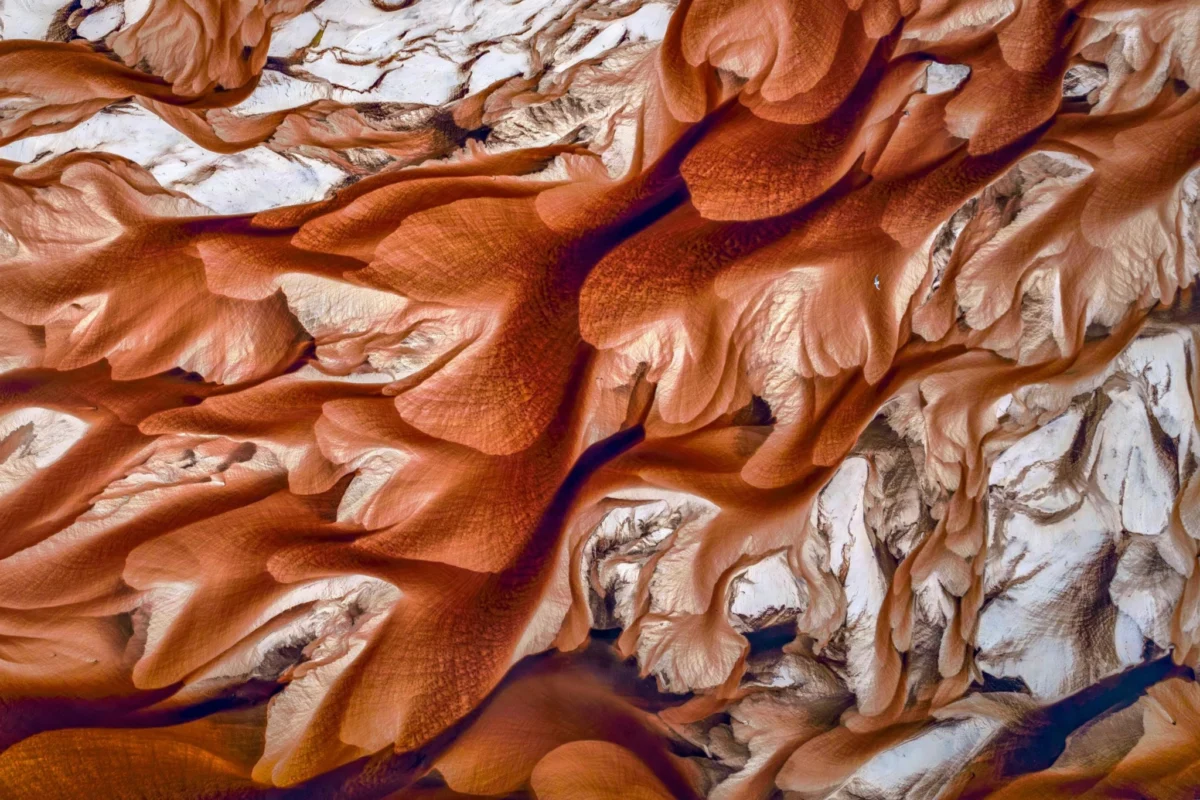
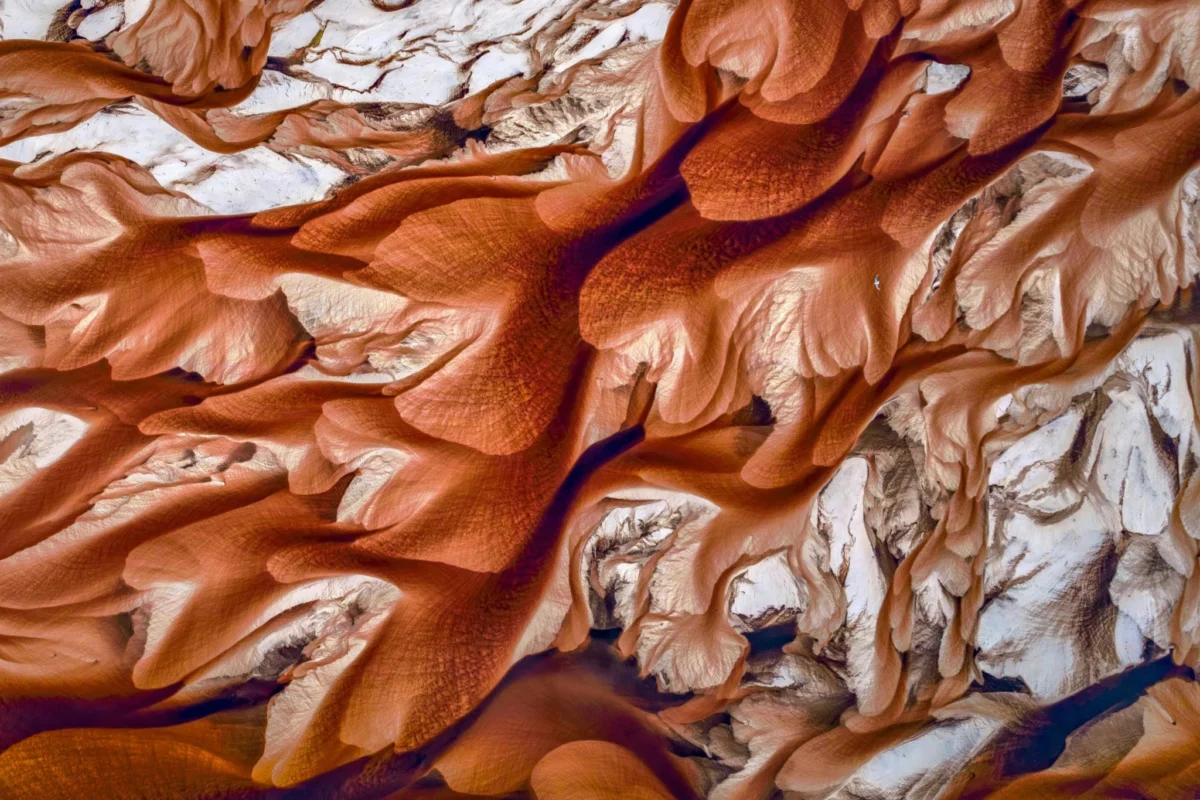
Nicklen utilized drones to capture the park’s intricate details while simultaneously conveying its immense scope. By maintaining a carefully calibrated altitude, he was able to highlight the subtle textures of the sand, the delicate patterns formed by wind erosion, and the vibrant hues of the lagoons, all while framing the entire tableau stretching to the horizon. The constantly shifting winds played a crucial role in shaping the landscape, toppling sand peaks and stirring the glassy waters, creating a perpetually evolving canvas. The refracted light across the terrain, particularly the deep reds, browns, and rust tones derived from the tannins in the water, added layers of complexity and visual depth to the images. The Black River, a prominent feature of the coastal lowlands, was observed weaving like a colossal serpent through the dunes, its inky waters a testament to the organic processes at play. Nicklen’s description of feeling "dizzy from the effort of trying to frame it" speaks to the profound visual impact of the park’s complex and ever-changing patterns.
Historical and Artistic Reverence for Nature’s Artistry
The human impulse to replicate and interpret the natural world is as old as civilization itself. Ancient cave paintings, such as those found in the Chauvet Cave in France, dating back approximately 30,000 years to the Aurignacian period, provide early evidence of humanity’s fascination with depicting the fauna and landscapes around them. Throughout history, artists from various epochs and cultures, from the Upper Paleolithic to the Renaissance and beyond, have dedicated their lives to the meticulous study of nature’s forms, textures, and compositions. They have strived to capture the essence of the natural world, whether it be the intricate musculature of an animal, the subtle play of light on a mountain range, or the delicate structure of a single leaf.

Even with the advanced capabilities of modern digital photography, Nicklen expresses a sentiment shared by many artists and scientists: the inherent difficulty in fully translating the profound beauty and complexity of nature into a tangible medium. He poses the rhetorical question of how a single image can truly capture the "full depth of something as vast as our planet and as minuscule as the structure of a cell’s nucleus." This reflection underscores the profound respect and awe that the natural world inspires, acknowledging that while art and photography can serve as powerful tools for observation, documentation, and inspiration, they may never fully replicate the immersive, multi-sensory experience of direct engagement with nature. The pursuit of capturing this ephemeral beauty, however, is described as "the greatest privilege of my life to try."
Conservation and Ecological Significance
Lençóis Maranhenses National Park, established in 1981, spans an area of approximately 1,500 square kilometers (580 square miles). Its designation as a World Heritage Site by UNESCO in 2023 recognizes its "outstanding universal value" and highlights its critical importance for global biodiversity and natural heritage. The park’s unique environment is a delicate balance of geological processes and climatic conditions. The seasonal lagoons are vital temporary habitats for various species of fish, amphibians, and invertebrates that can survive the dry periods by entering a state of estivation within the sand. These ephemeral water bodies also serve as crucial resting and feeding grounds for migratory birds.
The park’s ecological integrity is influenced by several factors, including rainfall patterns, wind erosion, and the health of the surrounding cerrado and coastal ecosystems. Climate change poses a significant threat, with potential alterations in rainfall patterns that could impact the formation and duration of the lagoons. Overdevelopment and unregulated tourism can also place pressure on the fragile dune systems and water resources.
Background and Chronology of Recognition
The unique landscape of Lençóis Maranhenses has been recognized for its exceptional natural beauty for decades. Initial conservation efforts led to the establishment of the National Park in the early 1980s. The process of seeking international recognition, culminating in the UNESCO World Heritage status, involved extensive scientific documentation, environmental impact assessments, and advocacy by Brazilian authorities and international conservation organizations. The UNESCO designation signifies a global commitment to protecting the site’s outstanding universal value for present and future generations. This recognition is expected to bolster conservation efforts and promote sustainable tourism practices within the park and its surrounding areas.
Broader Impact and Implications
The artistic documentation of Lençóis Maranhenses National Park, as exemplified by Paul Nicklen’s work, serves multiple crucial functions. Firstly, it raises global awareness of this extraordinary natural wonder, inspiring appreciation for its unique beauty and ecological significance. Secondly, compelling visual narratives can galvanize public support for conservation initiatives and advocate for stronger environmental protection policies. The park’s status as a World Heritage Site is a testament to the global community’s recognition of its intrinsic value and the collective responsibility to safeguard such irreplaceable natural assets.
The ongoing study of Lençóis Maranhenses also contributes to our understanding of desert environments and their hydrological dynamics. The seasonal formation of large freshwater bodies in a seemingly arid landscape challenges conventional notions of desert ecosystems and offers valuable insights into how life adapts to extreme and fluctuating conditions. Furthermore, the park’s rich cultural heritage, tied to the traditional fishing communities that inhabit its periphery, adds another layer of significance, highlighting the interconnectedness of human communities and their natural environment. The economic benefits derived from responsible ecotourism can provide livelihoods for local populations, incentivizing conservation efforts and fostering a sense of stewardship for the natural resources.
The journey of Paul Nicklen through Lençóis Maranhenses underscores a timeless truth: that nature, in its most sublime forms, is an inexhaustible source of inspiration and a profound teacher. His artistic endeavor, amplified by the technological advancements of drone photography, allows us to glimpse a world of ethereal beauty and ecological complexity, reminding us of the imperative to protect these natural treasures for the enrichment of all. The park stands as a powerful symbol of Earth’s creative capacity and a stark reminder of the fragility of such wonders in the face of environmental challenges.