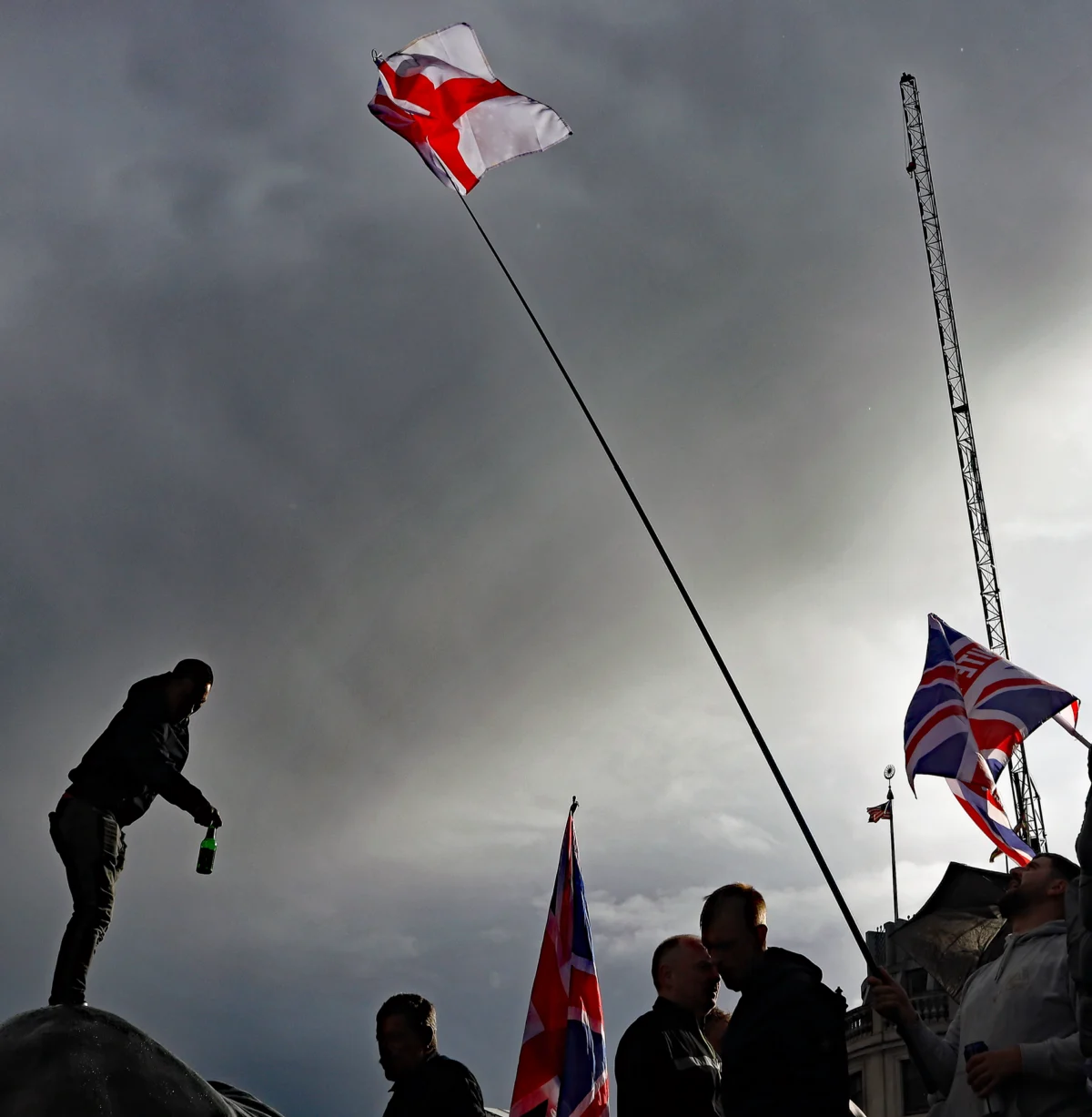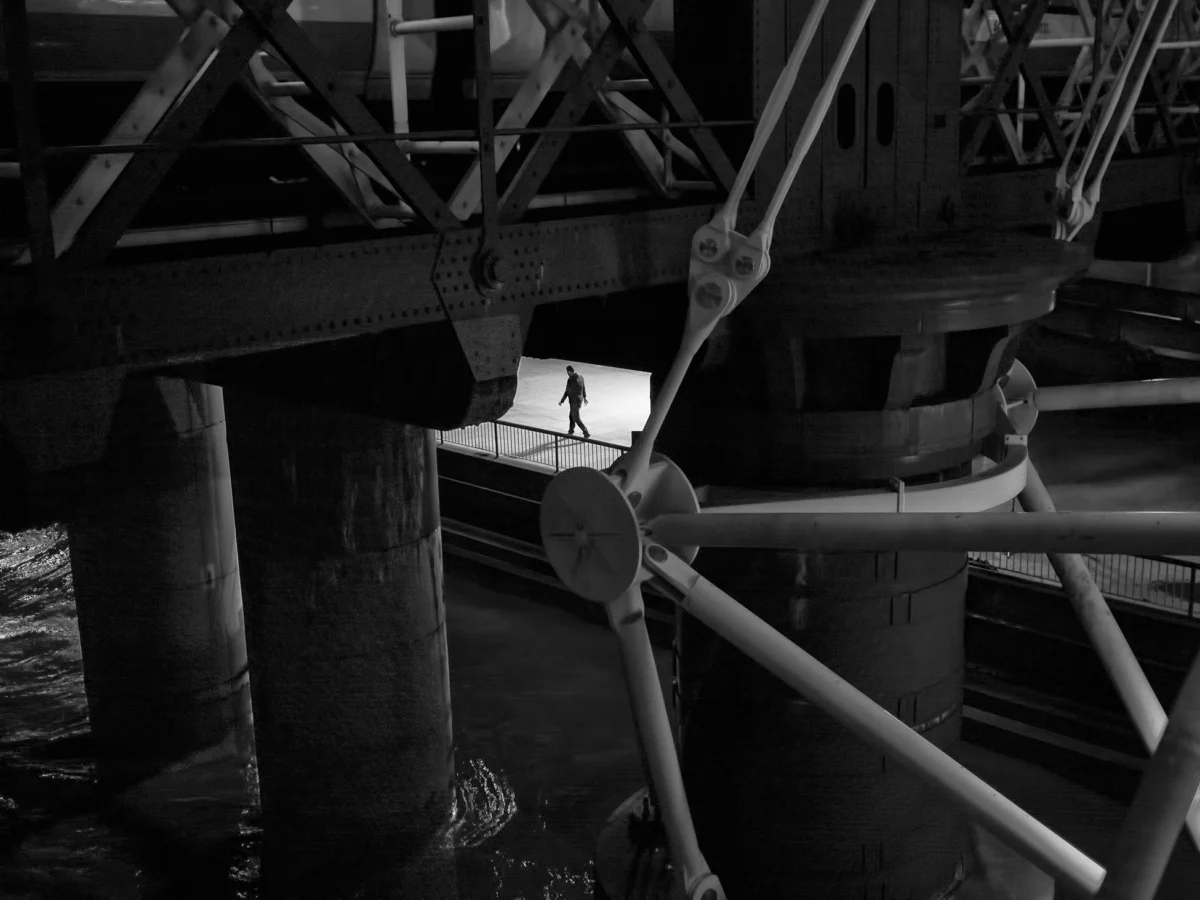
The integration of music into visual media, particularly photography, has become a pervasive trend, largely propelled by the dynamic nature of social media platforms. While this fusion offers new avenues for expression and engagement, it also sparks a critical discussion about its impact on the inherent artistic merit and interpretative freedom of still imagery, especially within the nuanced genre of street photography. This phenomenon, widely popularized by platforms like Instagram, prompts a deeper examination of whether adding an auditory layer enhances or detracts from the visual narrative, and for whom.
The Rise of Auditory Augmentation in Visual Content
The practice of overlaying music onto still images, particularly in the context of social media sharing, has seen a significant surge in recent years. Platforms that prioritize short-form, engaging content have naturally gravitated towards multimedia presentations. Instagram, in particular, has been instrumental in popularizing this trend. The platform’s features, allowing users to easily add licensed music tracks to their posts and Stories, have made it accessible for millions to incorporate an auditory dimension into their visual storytelling. This shift reflects a broader evolution in digital content consumption, where multi-sensory experiences are increasingly favored.
The origins of pairing visuals with sound are, of course, deeply rooted in cinematic history. Filmmakers have long understood the power of music to shape mood, convey emotion, and drive narrative. The transition of this principle to static images on social media represents an adaptation of established artistic techniques to a new digital landscape. The goal is often to condense the impact of a visual piece, making it more immediate and resonant within the fast-paced scrolling environment characteristic of many online feeds.
Arguments for Musical Integration in Street Photography
Proponents of adding music to street photography often highlight its capacity to amplify emotional resonance and establish a distinct personal voice. Music possesses an unparalleled ability to instantly evoke a mood, whether it be energetic, melancholic, dramatic, or serene. This auditory cue can act as an immediate emotional anchor, facilitating a more profound connection between the viewer and the photographic content. In a digital space where attention spans are notoriously short, this immediate emotional hook can be the crucial element that prompts a user to pause and engage, rather than simply scroll past.
Furthermore, music is a potent storytelling tool that can transcend the limitations of visual information alone. A carefully chosen soundtrack can imbue a street photograph, or a short video clip featuring street scenes, with a deeper layer of meaning, conveying sentiments that might be difficult to articulate solely through imagery. This is particularly relevant for brands and influencers aiming to reinforce their identity and brand tone, making their content more recognizable and memorable. The strategic use of trending audio can also significantly boost discoverability, as platform algorithms often favor content that incorporates popular or viral music tracks, thereby increasing reach and engagement.
Beyond algorithmic advantages and enhanced engagement, the addition of music can contribute to a sense of humanity and relevance in street photography. The selection of music often reflects the photographer’s personal taste, cultural influences, and individual personality. This act of curation can foster stronger connections between creators and their audiences, as viewers begin to associate specific sounds with the photographer’s aesthetic and worldview. Whether it’s a cherished favorite song, a currently popular tune, or a subtle instrumental piece, music can inject depth and dynamism into social media posts, transforming them from passively observed content into an actively felt experience. The argument can even be made that a viewer’s fondness for the accompanying music might subconsciously influence their perception of the photograph, potentially increasing the likelihood of an interaction, such as a "like."

The Enduring Power of the Unaccompanied Photograph
Conversely, a robust counter-argument posits that a truly compelling photograph, particularly within the genre of street photography, does not require the addition of music to convey its message or impact. The inherent strength of a great photograph lies in its stillness, its self-contained narrative, and its ability to communicate directly from the photographer’s vision to the viewer’s perception. Elements such as masterful composition, evocative lighting, striking use of color, and the capture of profound emotion, humor, or ambiguity can speak volumes without any external augmentation.
When a street photograph achieves a certain level of artistic merit, it invites the viewer into a space of contemplation and personal interpretation. The image becomes a catalyst for introspection, allowing individuals to project their own experiences, memories, and emotions onto the scene. The addition of music, in this view, can be disruptive, potentially imposing a specific emotional direction or narrative that the original photograph did not intend, thereby diluting its quiet, intrinsic impact.
Moreover, the absence of sound in photography leaves ample room for the viewer’s imagination to flourish. Without auditory cues, viewers are encouraged to construct their own soundtracks, drawing from their personal histories and internal states. This process of projection can lead to a more deeply personal and varied interpretative experience. Music, by contrast, can be prescriptive, telling the audience how to feel and thus narrowing the scope of interpretation rather than broadening it. In this context, silence becomes an integral component of the storytelling, preserving the photograph’s inherent ambiguity and allowing for a richer, more individual engagement.
The timeless quality of strong photography is another key consideration. A powerful image can transcend temporal trends and cultural shifts, remaining relevant and impactful across different platforms, contexts, and eras. Music, on the other hand, is often tied to specific trends and can quickly become dated, potentially diminishing the longevity and perceived timelessness of the visual work. Relying solely on visual strength demonstrates a confidence in the photographic craft itself and a respect for the viewer’s capacity to engage with the image on its own terms. Ultimately, the argument is that music should serve as an enhancement, not a crutch. When a photograph is already rich in emotion and visually complete, the addition of music becomes an optional stylistic choice rather than a necessary component, and the image has already fulfilled its primary purpose.
The Nuanced Impact of Music on Perceived Meaning
The effect of viewing a street photograph with and without added music can significantly alter its perceived meaning and context. Music functions as an emotional interpreter, capable of intensifying specific feelings, suggesting a narrative arc, or framing the image in a particular light. When a soundtrack is present, a photograph might acquire a more cinematic or dramatic quality, subtly guiding the viewer toward a predetermined interpretation. While this can undeniably amplify emotional impact and immediacy, it also has the potential to limit the spectrum of meanings that a viewer might otherwise discover independently.
In the absence of music, a photograph relies entirely on its visual constituents – the interplay of composition, subject matter, light, and expression. This reliance on visual elements is often the very essence of what street photographers strive to achieve: capturing authentic moments and inherent narratives through purely visual means. This lack of auditory guidance allows for a more open-ended experience. Viewers are empowered to bring their own emotional baggage, personal memories, and subjective assumptions to the image, fostering a more intimate and diverse interpretative landscape. The meaning derived becomes less prescribed and more reflective, often unfolding in a quiet, contemplative, and profound manner.
The question of whether music enhances or diminishes the impact of a photograph is largely dependent on the artist’s intent. If the primary goal is to craft a specific narrative or establish a particular mood, music can serve as a powerful enhancer, adding context and immediacy. However, if the objective is to preserve ambiguity, achieve a sense of timelessness, or highlight the inherent purity of the visual composition, music may inadvertently dilute the photograph’s independent voice and its capacity for multiple readings.

Ultimately, music does not merely add to a photograph; it fundamentally reshapes how it is perceived, felt, and understood. It is an active agent in the interpretative process, capable of both enriching and constraining the viewer’s experience.
Historical Context and Contemporary Practices
A review of the work of many seminal street photographers reveals a consistent reliance on the power of the unadorned image. Masters such as Joel Meyerowitz, Martin Parr, Robert Frank, Vivian Maier, Bruce Gilden, Henri Cartier-Bresson, and Elliott Erwitt, whose photographic legacies are celebrated globally, primarily presented their work without any accompanying musical elements. Their images are appreciated for their intrinsic visual qualities, their ability to capture the zeitgeist of their times, and their profound insights into the human condition, all conveyed through the medium of still photography alone.
The contemporary widespread adoption of music in visual content, particularly on social media, marks a departure from these established traditions. This shift is not necessarily a qualitative judgment on the artistic merit of either approach but rather a reflection of evolving media consumption habits and platform functionalities. The accessibility of music libraries on platforms like Instagram and TikTok has democratized the process, enabling a broader range of creators to experiment with multi-sensory presentations.
The Subjective Nature of Artistic Choice
At its core, the decision to incorporate music into street photography, or any visual art form, remains a deeply personal and subjective one. There is no universally correct or incorrect approach. What one viewer finds enhances an image, another might find distracting. This subjectivity is inherent in the appreciation of art, where individual perspectives, cultural backgrounds, and personal experiences shape our responses.
The context in which art is presented also plays a significant role. For instance, the experience of viewing art in a traditional gallery setting, characterized by quiet contemplation and direct visual engagement, differs vastly from consuming content on a mobile device while navigating a busy digital environment. Photography galleries typically do not feature ambient music, preserving the integrity of the visual experience and allowing for individual interpretation.
For some creators, the experiment with adding music to their street photography may lead to a reassessment of their artistic direction. As evidenced by the sentiment that "I for one, having added music to a few Street Photography Photos, Will NOT do it again," the experience can be illuminating, reinforcing a preference for the unmediated power of the visual image. This personal evolution is a testament to the ongoing dialogue surrounding artistic expression and the evolving relationship between creators, their work, and their audiences in the digital age. The conversation around music in street photography is not about declaring one method superior but about understanding the diverse ways in which visual narratives can be constructed and experienced.