The life and unparalleled legacy of Roy Blakey (1930-2024), a figure whose trajectory from professional ice skater to pioneering photographer was as remarkable as it was unique, are meticulously chronicled in the new documentary film, "Uncle Roy." Directed by his niece and mentee, Keri Pickett, an acclaimed director, cinematographer, and photographer in her own right, the film offers an intimate portrait of a man who consistently defied convention and pursued his artistic passions with unwavering conviction. Premiering this week at the prestigious Thessaloniki International Documentary Festival in Greece, "Uncle Roy" not only celebrates Blakey’s diverse contributions but also serves as a poignant testament to the power of mentorship and the enduring pursuit of dreams.
An Unconventional Path to Artistic Mastery
Roy Blakey’s journey was anything but ordinary. Born in 1930, his early life in small-town Enid, Oklahoma, offered little hint of the global stages he would one day grace, first as an ice skater and later through the lens of his camera. The mid-20th century American landscape, particularly in rural areas, often steered young men towards more traditional careers. However, Blakey’s destiny was irrevocably altered in the 1940s when he encountered a film starring the legendary three-time Olympic champion Sonja Henie. Her grace and artistry on ice captivated the young Blakey, igniting a fervent dream: he, too, would become an ice skater.
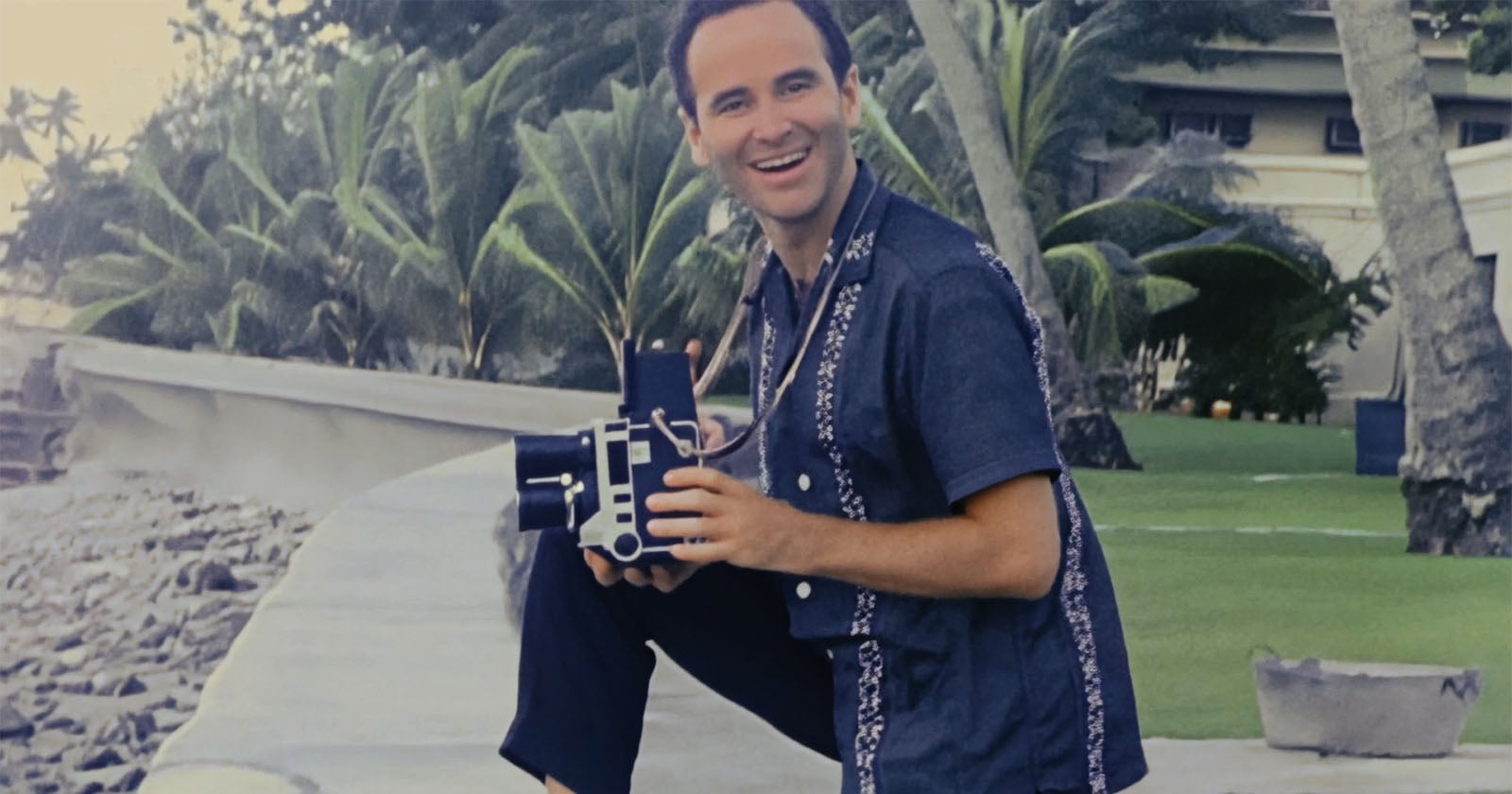
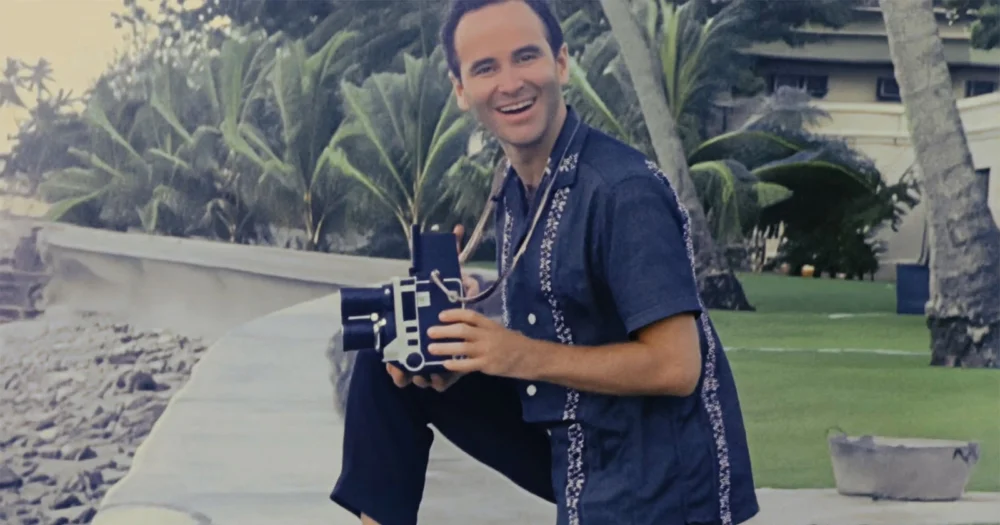
This aspiration faced immediate practical hurdles. Enid, Oklahoma, possessed no ice rinks, a significant impediment for an aspiring figure skater. Undeterred, Blakey adapted, honing his skills on roller skates before embarking on weekly bus trips to Wichita, Kansas, to access proper ice for lessons. This early demonstration of perseverance foreshadowed a life defined by dedication to his artistic calling. Despite parental expectations for a collegiate education, Blakey made a pivotal decision in 1948, communicating his resolve to forgo university and embrace a professional skating career through a letter to his parents. This courageous declaration, as he recounted in a 2005 interview with Fantastic Man, laid out a blueprint for his future that would remarkably materialize in its entirety. "Everything I said I wanted to do in that letter came true. I got into show business, I travelled around the world, I did everything, never realizing I’d really set those goals so early on," Blakey reflected, highlighting the profound clarity of his youthful ambition.
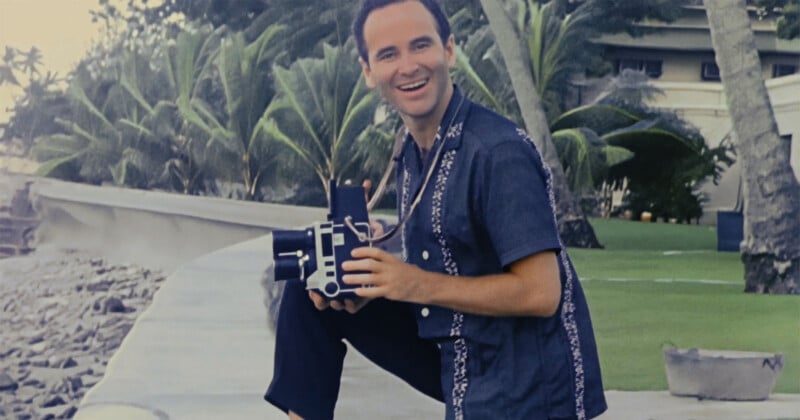
His immediate plans, however, were momentarily interrupted by national service. Shortly after sending that decisive letter, Blakey was drafted into the U.S. Army, a common rite of passage for young American men of his generation. Upon completing his military obligations, he finally plunged into the world of professional ice skating, realizing the first major phase of his childhood dream. He toured globally with skating troupes, performing for diverse audiences and immersing himself in the vibrant, transient world of show business. It was during this period, while traveling through Germany, that Blakey’s second great passion began to take root. He acquired a camera, initially using it to capture portraits of his fellow performers, documenting the camaraderie and unique lifestyle of the touring ensemble. His photographic curiosity deepened during a stop in Japan, where he purchased a Nikon camera, which would become his preferred instrument, a testament to its burgeoning reputation for precision and reliability among professionals.
The Transition to Photography: New York City and a New Identity
As the rigors and financial limitations of a professional skating career began to wear on him, Blakey recognized the opportunity for a new creative outlet. He decided to pivot from performance to photography, seeking a more stable, yet equally artistic, professional path. Initially contemplating Hollywood, the epicenter of film and entertainment, Blakey ultimately chose New York City, a hub of artistic innovation, commercial enterprise, and burgeoning cultural movements. Here, he established his photography studio, embarking on a career that would solidify his status as a significant figure in 20th-century American photography.
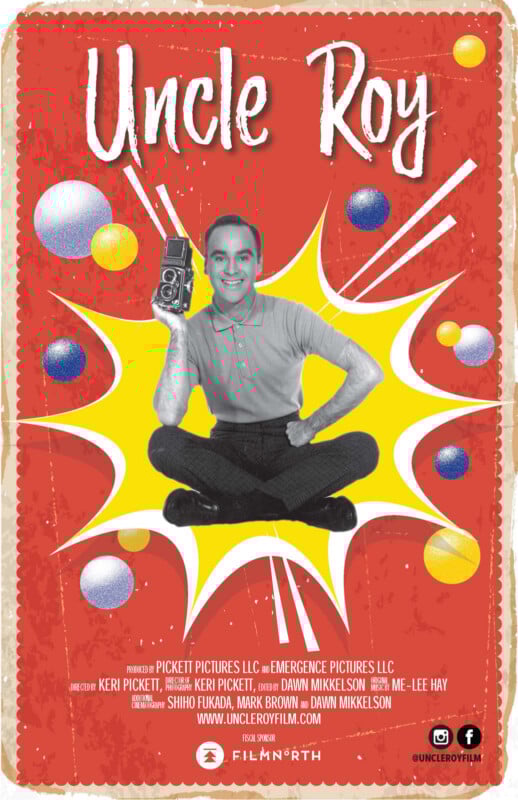
Blakey’s approach to photography was largely instinctive, a quality he openly acknowledged. "I didn’t know much about the technical side of photography. I still really don’t, in fact. My father would know all about how a camera worked but not me. But I can take a picture and my father couldn’t. You know what I mean? It’s instinctive. So that’s what I’ve done ever since, take pictures," he stated over two decades ago. This philosophy underscored his belief in the inherent artistic eye over mere technical proficiency, a perspective that resonated deeply with his creative output. His portfolio spanned commercial work, demonstrating a keen understanding of composition and client needs, but it was his nude male portraiture that truly distinguished him, positioning him as a "forefather of gay photography."
A Forefather of Gay Photography and Archival Visionary
The mid-to-late 20th century was a challenging era for LGBTQ+ individuals and artists. Openly gay identity was often stigmatized, and explicit depictions of male intimacy or sensuality were rare, often relegated to underground circles or seen as transgressive. In this context, Blakey’s work in nude male portraiture was groundbreaking. He approached his subjects with an aesthetic sensibility that celebrated the male form, imbuing his images with dignity, artistry, and an undeniable sensuality. His work contributed significantly to the visual language of gay identity and desire, providing a vital, affirming counter-narrative in an often-repressive society. Through his lens, he helped normalize and elevate a genre that was, for decades, marginalized, thus paving the way for future generations of queer artists. His photographs were not merely technical exercises but deeply personal explorations that captured vulnerability, strength, and beauty, solidifying his pioneering role.
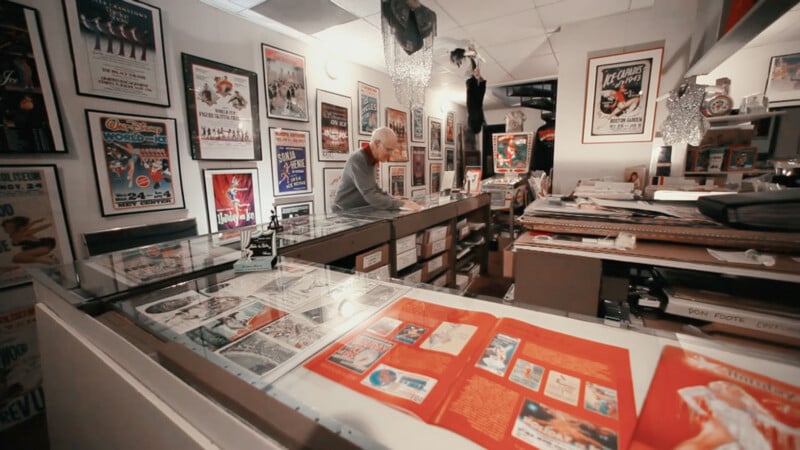
Beyond his photographic achievements, Blakey harbored another extraordinary passion: collecting. His fascination with the theatrical world of ice skating, which had shaped his early career, evolved into a monumental archival endeavor. He amassed what became recognized as the world’s largest archive of theatrical ice-skating memorabilia, a staggering collection comprising approximately 44,000 items. This vast collection, which included programs, costumes, photographs, skates, and personal correspondence, represented a comprehensive historical record of an entire performing art form. Such specialized archives are crucial for preserving cultural heritage, offering invaluable resources for historians, researchers, and enthusiasts alike. Blakey’s dedication to this collection underscored his profound appreciation for artistry in all its forms, demonstrating a commitment to documenting and preserving the history of a niche yet significant cultural phenomenon. The eventual fate and accessibility of such a vast private collection often become a subject of great interest to institutions and scholars, ensuring its long-term preservation and public access.
Mentorship, Caregiving, and the Birth of "Uncle Roy"
The narrative of Roy Blakey’s life took another significant turn with the arrival of his niece, Keri Pickett, in New York City. Pickett, like her uncle decades before, had arrived in the city to pursue her own dream of becoming a professional photographer. This shared ambition forged an immediate and profound bond between them. Blakey became Pickett’s mentor, guiding her through the intricate world of professional photography, sharing his insights, and fostering her artistic development. Their relationship blossomed into an exceptionally close partnership, marked by mutual respect and shared creative vision.
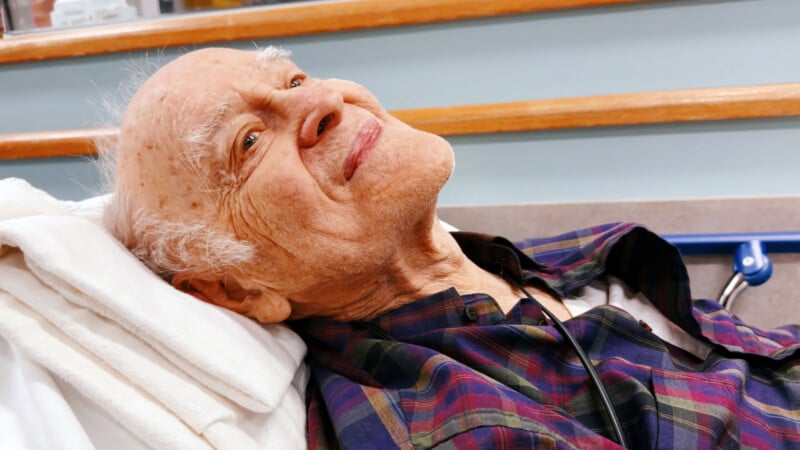
Years later, a medical crisis led Pickett to relocate to Minneapolis. Blakey, demonstrating the depth of their bond, followed her, and together they established a photography studio, continuing their collaboration and shared artistic journey. As Blakey entered his final years, grappling with the challenges of dementia, Pickett transitioned from mentee and partner to his devoted caregiver. This period, marked by both love and immense difficulty, became the genesis of "Uncle Roy." Recognizing the urgency of preserving her uncle’s extraordinary life and vast legacy, Pickett took on the monumental task of documenting his story. This was not merely an act of biographical record-keeping but a profound labor of love, an attempt to capture the essence of a man whose life was a tapestry of art, performance, and unwavering individuality, before the encroaching shadows of dementia obscured his memories.
The documentary, "Uncle Roy," is thus more than just a film; it is a deeply personal tribute, a culmination of a lifetime of shared experiences and a niece’s dedication to honoring her uncle. Pickett’s unique position as both his mentee and caregiver provided unparalleled access and insight, allowing her to portray Blakey with a rare blend of intimacy and journalistic integrity. The film meticulously traces Blakey’s life, from his humble beginnings in Oklahoma to his dazzling career as an ice skater, his global travels, his passionate collecting, and finally, his transformative career as a photographer. It highlights how art, theatre, and performance were the enduring threads weaving through every phase of his existence, whether performing for global audiences or crafting influential photographic images.
The Documentary: A Tribute to an Unconventional Life
"Uncle Roy" is structured to reveal the layers of Blakey’s identity and contributions. It delves into the genesis of his skating dream, the meticulous collection of ice-skating memorabilia, and his groundbreaking work in photography. Pickett’s directorial approach, informed by her own photographic sensibilities, likely employs a rich visual language, incorporating archival footage, Blakey’s extensive photographic oeuvre, and intimate interviews to paint a comprehensive picture. The film implicitly explores several key themes: the courage to pursue unconventional dreams, the evolution of artistic identity across different mediums, the significance of mentorship, and the poignant reality of aging and memory loss.
The film’s exploration of Blakey’s life as a "forefather of gay photography" is particularly significant. It provides vital historical context for LGBTQ+ artistic expression and the challenges and triumphs faced by pioneering artists in the mid-20th century. By showcasing his work, the documentary helps solidify his place in the canon of photographic history and contributes to the ongoing conversation about representation and identity in art. Moreover, the film’s narrative arc—from a child’s dream to an accomplished artist’s legacy—serves as an inspiring message about the enduring power of human aspiration. Pickett has openly stated that "Uncle Roy" documents her "beautiful last years" with her beloved uncle, framing the film not just as a biographical account but as a deeply personal homage to a man who lived authentically and inspired those around him.
Festival Premiere and Broader Impact
The premiere of "Uncle Roy" at the Thessaloniki International Documentary Festival in Greece marks a significant milestone. The Thessaloniki Festival is renowned for its focus on thought-provoking and artistically ambitious documentaries, making it an ideal platform for a film of this nature. Its selection for such a festival suggests critical recognition of the film’s artistic merit, its compelling narrative, and its cultural importance. For audiences, the documentary offers a rare opportunity to engage with the life of an extraordinary individual whose impact stretched across multiple artistic disciplines and social spheres.
The broader implications of "Uncle Roy" extend beyond merely celebrating one man’s life. It serves as a powerful reminder of the importance of preserving artistic legacies, particularly those that challenged societal norms or existed outside mainstream recognition. Documentaries like "Uncle Roy" play a crucial role in bringing these stories to a wider audience, ensuring that the contributions of artists like Roy Blakey are not forgotten. The film also underscores the invaluable role of mentorship in fostering new talent and the profound bond that can form between artists across generations. In an era increasingly grappling with questions of identity, memory, and the digital preservation of history, "Uncle Roy" offers a timely and deeply human perspective on how one individual’s unique vision can leave an indelible mark on the world.
A Legacy Illuminated
Roy Blakey’s life was a vibrant tapestry woven with threads of performance, art, travel, and an insatiable curiosity. From a young boy in Oklahoma dreaming of ice to a seasoned photographer capturing the human form with unparalleled sensitivity, he lived a life that was, in his own words, incredibly lucky and deeply fulfilling. His contributions to photography, particularly his pioneering work in nude male portraiture, helped shape the visual culture of the LGBTQ+ community, while his meticulous archival work preserved a unique slice of theatrical history. Through Keri Pickett’s dedicated lens, "Uncle Roy" ensures that this rich and multifaceted legacy will continue to inspire and resonate, reminding us all of the profound beauty in chasing one’s dreams, no matter how unconventional they may seem. The film stands as a poignant tribute not only to a beloved uncle but to the universal human spirit of creativity, resilience, and the enduring power of art to illuminate and transform lives.