The intersection of disciplined creative practice and technical mastery has found a renewed focal point in the contemporary analog photography movement, as evidenced by a recent project documenting the coastal architecture of Northern England. In a strategic move to combat creative stagnation and technical burnout, Cumbrian photographer Ryan Galea has initiated a year-long photographic survey titled the One Shot Project, utilizing large format 4×5 equipment to capture the stark landscapes of the Solway Firth. The project, which commenced in January 2026, serves as a rigorous exploration of the limitations and advantages of traditional film processes in an increasingly digital landscape.
The Architectural and Geographical Context of the Solway Firth
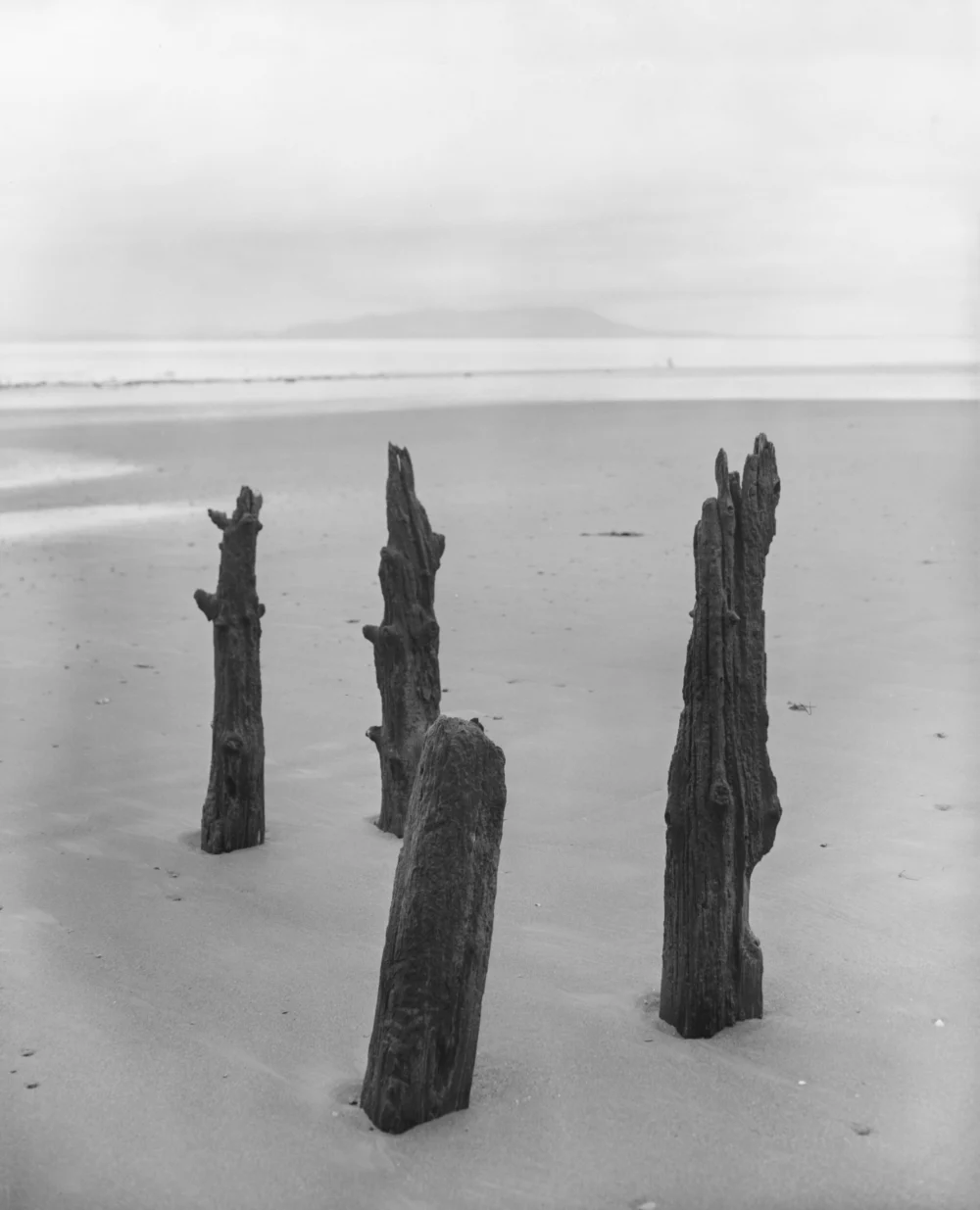
The primary subject of the project’s inaugural exposure is an aging wooden structure situated on the shoreline of the Solway Firth, an estuary that forms part of the border between England and Scotland. This region is characterized by its dramatic tidal shifts and the presence of the Solway Coast Area of Outstanding Natural Beauty (AONB). The specific location on the West coast of Cumbria offers a vantage point looking across the water toward Criffel, a prominent hill in Dumfries and Galloway, Scotland.
The Solway Firth is notorious for its treacherous tides and shifting sands, which have historically presented significant challenges for both maritime navigation and landscape documentation. For a photographer utilizing large format equipment, these environmental factors necessitate precise timing. The structure in question—a relic of the region’s maritime or agricultural past—remains submerged or inaccessible during high tide. The successful capture of the frame required a confluence of low tide conditions and sufficient ambient light, a combination that proved elusive during the early weeks of the year.
Technical Specifications and Equipment Methodology
The project utilizes a bespoke "franken-camera," a term used in the photographic community to describe a device assembled from disparate components of various systems. In this instance, Galea utilized parts from an Arca Swiss large format system. Arca Swiss, a manufacturer renowned for its modular and high-precision monorail cameras, provides a platform that allows for extreme control over perspective and depth of field through "movements"—the tilting, swinging, and shifting of the front and rear standards.
Large format photography, specifically the 4×5 inch format, offers a resolution and tonal range that significantly exceeds that of standard 35mm or medium format film. Each sheet of film is handled individually, a process that demands a high degree of intentionality. The January exposure was captured on Ilford FP4 Plus, a medium-speed black-and-white film known for its exceptionally fine grain and high acutance.
Technical data for the exposure included:
- Aperture: f/16, chosen to balance depth of field with the diffraction limits of the lens.
- Shutter Speed: 1/15th of a second.
- Film Stock: Ilford FP4+ (ISO 125).
- Developer: Ilford DD-X, a liquid concentrate developer designed to optimize the film’s speed while maintaining a fine grain structure and smooth tonal transitions.
Chronology of the Project and Seasonal Challenges
The inception of the One Shot Project followed a period of creative "burnout" during the winter of 2025. This phenomenon is frequently cited among outdoor photographers in the United Kingdom, where short daylight hours and persistent inclement weather can hinder consistent production.
The timeline of the January shoot reflects the logistical hurdles inherent in landscape photography:
- Late 2025: Onset of creative stagnation and equipment maintenance issues.
- January 1, 2026: Implementation of the resolution to expose one 4×5 sheet per month to ensure artistic consistency.
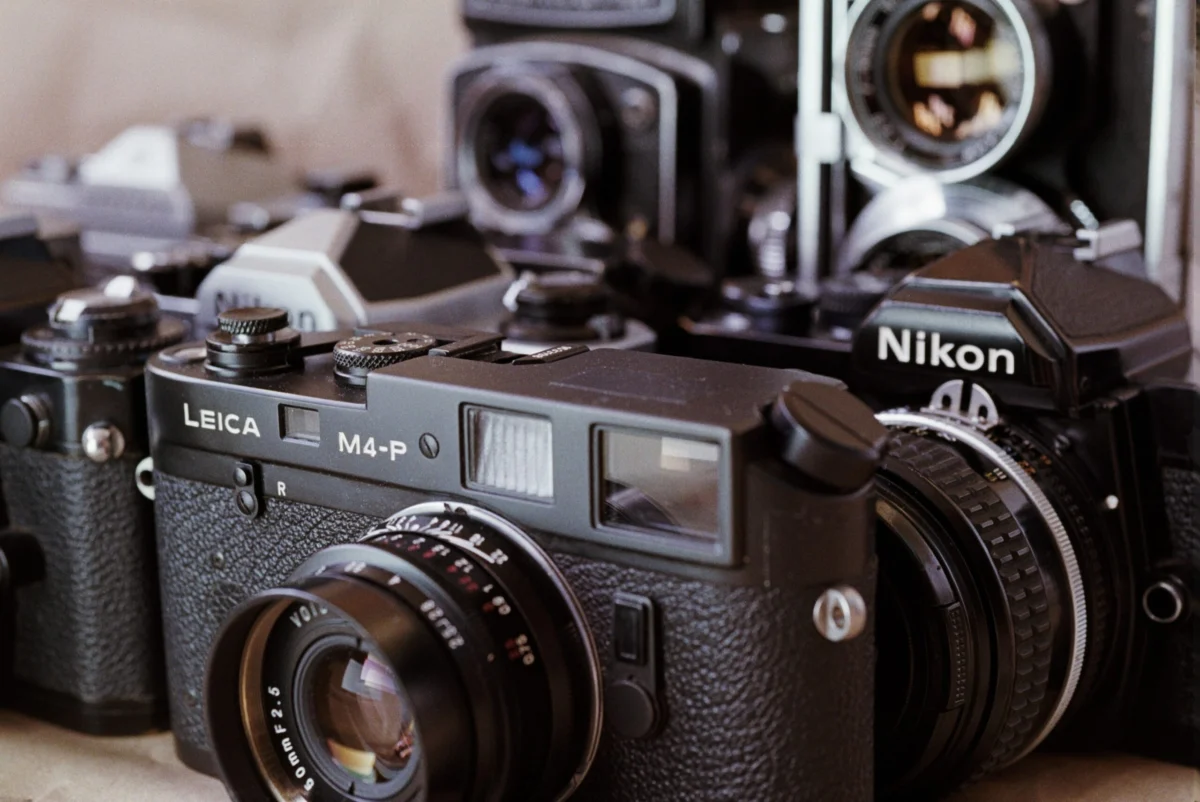
- Mid-January 2026: Maintenance of primary equipment. Galea’s Leica M4-P, a classic rangefinder, was sent for a comprehensive overhaul and prism re-silvering, a process with an estimated four-to-five-month lead time. This temporary loss of a primary tool served as the catalyst for re-engaging with large format systems.
- January 1–30, 2026: Persistent British winter weather conditions prevented outdoor shooting.
- January 31, 2026: The final day of the month provided the necessary tidal window. The shoot was executed during a low-tide phase, allowing for the planned framing of the wooden structure against the distant Scottish horizon.
Supporting Data: The Resurgence of Large Format Analog Systems
The decision to utilize 4×5 film reflects a broader trend within the photographic industry. According to market analysis from organizations like the Film Photography Project and reports from Harman Technology (the parent company of Ilford Photo), there has been a sustained interest in large format film despite the dominance of high-resolution digital sensors.
Data suggests that the "slow photography" movement is driven by a desire for a tactile, meditative process. Unlike digital photography, where a practitioner might take hundreds of images in a single session, large format requires minutes or even hours to set up a single frame. The "One Shot" constraint adopted by Galea amplifies this discipline, placing a premium on pre-visualization and technical accuracy, as there is no immediate feedback loop via an LCD screen.
The cost-per-shot in large format is also a significant factor. With the price of 4×5 sheets, chemistry, and processing rising, the financial stakes of each shutter release contribute to a more deliberate approach. This economic reality serves as a built-in deterrent against "spray and pray" tactics common in digital workflows.
Analysis of the Photographic Process and Professional Implications
The professional community often views such personal projects as essential for maintaining technical proficiency. The use of Arca Swiss components suggests a focus on architectural precision. Large format cameras allow the photographer to correct for "keystoning"—the visual distortion where parallel lines appear to converge—by adjusting the camera’s bellows and standards. This is particularly relevant when photographing structures like the one on the Solway Firth, where maintaining the vertical integrity of the wooden pilings is crucial for a balanced composition.
Furthermore, the environmental challenges of the Cumbrian coast in winter underscore the importance of specialized gear. Galea noted the utility of specialized photography gloves, which are designed to provide thermal protection while allowing the tactile sensitivity required to manipulate the small dials and levers of a 4×5 camera. In sub-zero or near-freezing temperatures, the physical difficulty of operating metal camera equipment can lead to errors in exposure or focus if the operator is not properly equipped.
Broader Impact on the Analog Photography Community
Galea’s project contributes to a growing body of work that documents the British coastline using traditional methods. By sharing the technical details and the "story behind the shot," practitioners foster a community of knowledge-sharing that is vital for the survival of analog techniques.
The project also highlights the psychological benefits of structured creative goals. By setting a "one shot per month" rule, the photographer creates a manageable framework that encourages persistence without the overwhelming pressure of daily production. This methodology is increasingly recommended by creative professionals as a way to navigate periods of low motivation or external stressors, such as poor weather or equipment failure.
The transition into February has already presented new challenges, with the photographer indicating a technical failure in the subsequent month’s attempt. This transparency regarding failure is a hallmark of the modern analog community, where the complexity of the process—from loading film holders in total darkness to calculating bellows extension factors—makes errors a common and educational part of the journey.
Conclusion and Future Outlook
As the One Shot Project continues through 2026, it stands as a testament to the enduring relevance of large format film in the 21st century. The documentation of the Solway Firth’s aging structures provides not only a visual record of the Cumbrian landscape but also a case study in the disciplined application of photographic science.
The project’s success will ultimately be measured by its ability to maintain consistency over the twelve-month period. For now, the January image of the Solway Firth remains a successful realization of a long-planned vision, capturing the quiet, rugged beauty of the Anglo-Scottish border through the lens of a "franken-camera" and the patience of a dedicated practitioner. The ongoing results of this project can be monitored through Galea’s professional portfolio and digital presence, providing a roadmap for others seeking to bridge the gap between amateur burnout and professional-grade consistency.