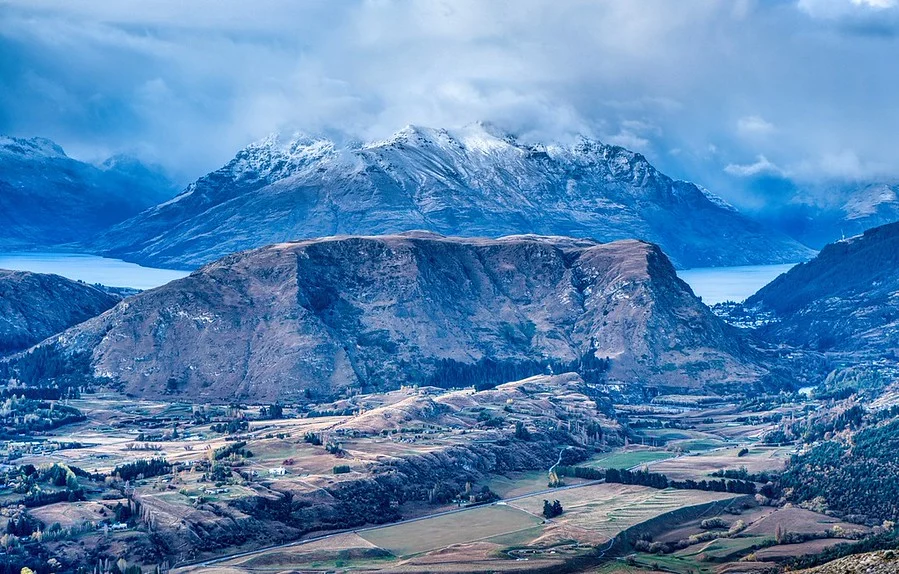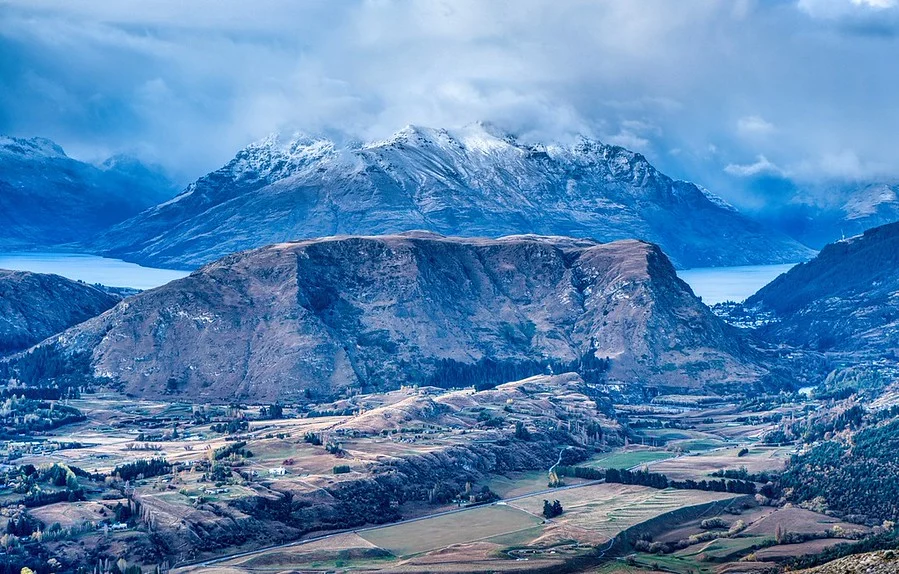
The approaching spring season signals a significant transition in the mountainous landscape, marking the gradual disappearance of winter’s snow cover and ushering in a period of renewal. This visual phenomenon, captured in a striking photograph, offers a familiar perspective as one mountain range recedes into the distance, giving way to another. The image, titled "Mountain Layers," serves as a poignant reminder of the cyclical nature of the seasons and the dynamic beauty of alpine environments. As temperatures rise and daylight hours lengthen, the stark white expanses that have characterized the terrain for months will begin to yield to the emerging greens and browns of the burgeoning spring flora. This annual shift is not merely an aesthetic change; it carries substantial ecological and societal implications, influencing everything from water resources to recreational activities and the very ecosystems that depend on these seasonal transformations.
The Visual Narrative: A Study in Depth and Transition
The photograph itself, described as a "familiar view from one range to another," emphasizes the layered topography characteristic of mountainous regions. The receding snow on the foreground and mid-ground mountains, contrasted with potentially snow-capped peaks in the distance, creates a sense of depth and scale. This visual layering is a common feature of many major mountain ranges worldwide, from the Himalayas and the Andes to the Rockies and the Alps. The transition from snow-laden slopes to emerging vegetation is a direct indicator of altitude and temperature gradients, a fundamental aspect of mountain climatology. The statement that "it’s heading into spring here now (in reverse season land) so not long until all signs of snow are gone" suggests a location in the Southern Hemisphere, where spring occurs during the Northern Hemisphere’s autumn. This geographical context is crucial for understanding the specific timing and characteristics of the seasonal change. For instance, in regions like New Zealand or parts of South America, the melting of snow in spring can trigger significant hydrological events.
Understanding the "Reverse Season Land" Context
The phrase "reverse season land" immediately places the observation in the Southern Hemisphere. This is a critical piece of information that anchors the narrative to a specific geographical and temporal reality. For example, if the photograph was taken in the Andes of Patagonia, spring typically begins in September and extends through November. During this period, the snowpack accumulated over the winter months (June-August) begins its annual melt. This meltwater is a vital source for downstream rivers and ecosystems. The rate of melting is influenced by factors such as the depth of the snowpack, solar radiation intensity, and prevailing temperatures. Data from meteorological stations in such regions would reveal a clear upward trend in average daily temperatures from September onwards, directly correlating with the visual evidence of snowmelt.
Ecological Ramifications of Spring Thaw
The disappearance of snow cover is far more than a visual transformation; it is a catalyst for profound ecological shifts. As the snow melts, it saturates the soil, providing much-needed moisture for plant life to emerge and grow. Alpine meadows, dormant under their snowy blanket, burst into bloom, supporting a diverse array of plant and insect species. This resurgence of vegetation is critical for herbivores, which rely on the fresh growth for sustenance after a lean winter. The timing of the snowmelt can have cascading effects throughout the food web. For example, if the melt is unusually early due to warmer temperatures, it could lead to a mismatch between the emergence of plant life and the breeding cycles of certain animals that depend on those specific plants. Conversely, a late or slow melt could delay the onset of the growing season, impacting the availability of food resources.
Hydrological Significance: A Crucial Water Source
The snowpack in mountainous regions acts as a natural reservoir, storing vast quantities of water that are gradually released throughout the spring and summer months as it melts. This meltwater is a primary source of freshwater for millions of people and countless ecosystems downstream. Rivers and streams that originate in mountains are fed by this snowmelt, supporting agriculture, providing drinking water, and sustaining aquatic life. The volume and rate of snowmelt are thus critical factors in water resource management. For example, in regions like the western United States, which rely heavily on snowpack from the Rocky Mountains, annual forecasts of snow water equivalent (SWE) are closely monitored by water managers. These forecasts help predict water availability for the upcoming dry season, informing decisions about irrigation, reservoir management, and potential drought mitigation strategies. A premature or accelerated melt can lead to a surplus of water in the spring, followed by shortages later in the summer, while a delayed melt can prolong the period of water scarcity.
Economic and Recreational Impacts
The transition from winter to spring in mountain areas also has significant economic and recreational implications. For ski resorts, the end of the snow season marks the conclusion of their primary operating period. However, as the snow recedes, new opportunities emerge. Hiking trails become accessible, attracting outdoor enthusiasts. Climbing routes, previously impassable due to snow and ice, open up. This shift influences local economies, with businesses that cater to winter sports transitioning to those that support spring and summer outdoor activities. The beauty of the alpine landscape in spring, with its vibrant wildflowers and clear streams, is a major draw for tourism. For instance, regions known for their spring flower displays, such as parts of the Alps or the Sierra Nevada, see a surge in visitors during this period.
Analyzing the "Familiar View": A Commonality in Mountain Landscapes
The description of the photograph as a "familiar view from one range to another" speaks to a universal experience of mountainous terrain. The geological processes that create mountain ranges – tectonic uplift, volcanic activity, and erosion – result in similar topographical features across the globe. This includes the characteristic layering of peaks, valleys, and slopes. The visual progression from foreground to background, with distinct mountain ranges appearing one behind the other, is a common perspective for anyone who has stood in a high mountain environment. This visual familiarity can evoke a sense of awe and connection to the natural world, transcending geographical boundaries. Photographers often seek to capture this sense of depth and scale, using techniques to emphasize the layered nature of the landscape.
The Role of Climate Change
While the photograph captures a natural seasonal transition, it is increasingly important to consider the influence of climate change on these processes. Rising global temperatures can lead to earlier snowmelt, reduced snowpack depth, and shifts in the timing of spring. Scientists have observed a consistent trend of earlier spring onset in many mountainous regions worldwide. Data from organizations like the National Snow and Ice Data Center (NSIDC) in the U.S. or similar bodies in other countries provide evidence of declining snow cover duration and extent in recent decades. These changes have profound implications for water resources, ecosystems, and human activities that depend on predictable snowmelt patterns. For example, studies have documented changes in the phenology of alpine plants, with some species flowering earlier in response to warmer springs. This can disrupt the delicate balance of the ecosystem.
Looking Ahead: Adaptation and Management
The predictable yet variable nature of spring snowmelt necessitates careful planning and adaptation. Water resource managers, agricultural stakeholders, and ecological researchers all need to stay abreast of changing conditions. The development of sophisticated hydrological models, which incorporate data from climate projections, snowpack monitoring, and meteorological observations, is crucial for forecasting water availability and mitigating potential risks. Furthermore, conservation efforts in mountainous regions are increasingly focused on understanding and adapting to the impacts of climate change on biodiversity and ecosystem services. This includes protecting vulnerable species and habitats, restoring degraded areas, and promoting sustainable land management practices. The visual spectacle of mountain layers transitioning from snow to bloom, while beautiful, also serves as a reminder of the ongoing environmental transformations that require our attention and informed action. The familiar view from one range to another is a testament to nature’s enduring cycles, but these cycles are increasingly being influenced by human-induced changes, demanding a deeper understanding and a proactive approach to their management. The seemingly simple image of melting snow is, in reality, a window into complex environmental processes with far-reaching consequences.