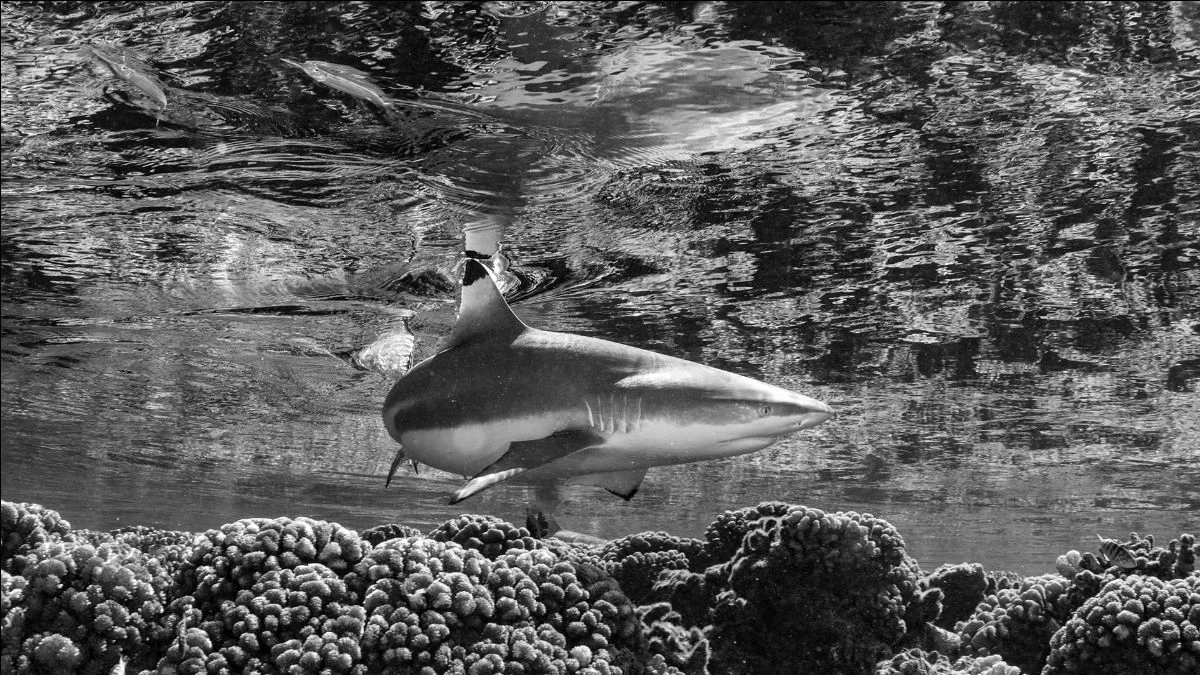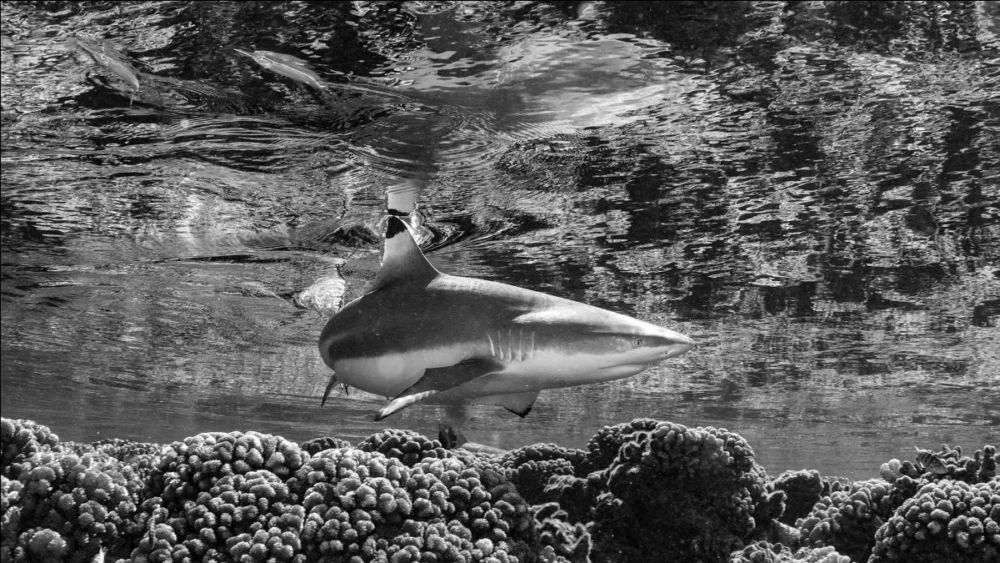
The early morning predawn chill aboard the SeaLegacy 1, a vessel that had become home during the Pacific crossing from Mexico to Tahiti, was punctuated by a palpable sense of anticipation. The crew, myself included, were preparing for what was earmarked as the most significant dive of our expedition. Under the luminous glow of a full moon that painted the night sky with a celestial tapestry, we donned our dive gear, a ritualistic prelude to descending into the inky blackness of the ocean depths. This particular morning, however, held a promise of an unparalleled natural phenomenon, a biological ballet orchestrated by nature itself.
A World Awakens: The Fakarava Atoll’s Annual Gathering
Our destination, the Fakarava atoll, located approximately 700 nautical miles north of Papeete, is a UNESCO Biosphere Reserve renowned for its pristine turquoise lagoons, postcard-perfect beaches, and coral reefs that teem with an astonishing diversity of marine life. For much of the year, this sanctuary provides a relatively peaceful haven for countless species of fish, seabirds, majestic sea turtles, and graceful manta rays. However, as the ocean waters warm during specific months, a dramatic transformation unfolds – the annual aggregation of thousands of resident groupers for their critical spawning event.

This gathering is not a mere coincidence; it is a finely tuned biological imperative. Over several weeks, an increasing number of groupers, the females laden with eggs and the males poised to fertilize them, converge. Their chosen venue is the mouth of the channel connecting the atoll’s vast lagoon to the open sea, an area spanning approximately 10 by 30 nautical miles. The rhythm of the ocean dictates the timing: every six hours, the deep, clear waters of the Pacific surge into the lagoon, followed by an outgoing tide that draws nutrient-rich waters back out to sea. This constant ebb and flow not only aids in flushing nutrients but also creates the ideal conditions for the dispersal of the groupers’ eggs. When the tide reaches its zenith, coinciding with the full moon, the stage is perfectly set for the commencement of this vital reproductive cycle.
The Apex Predators’ Feast: Sharks as Integral Players
Following in the wake of this immense piscine congregation are the ocean’s apex predators: sharks. Witnessing this event is akin to observing a natural, albeit primal, congregation of hundreds of sharks, moving with a coordinated purpose reminiscent of organized convoys patrolling the reef systems. They are not merely opportunistic scavengers; their presence is inextricably linked to the health and equilibrium of this complex ecosystem.
A Front-Row Seat to Nature’s Drama
Our expedition team had strategically positioned ourselves at the atoll’s edge, securing the clearest vantage point. As we descended along the dramatic drop-off at the channel’s mouth, the initial sight was awe-inspiring. Thousands of groupers were scattered across the coral heads, their presence a testament to the successful conservation efforts that have preserved this area. These fish, masters of camouflage, relied on their natural coloration to blend seamlessly with their surroundings, a defense mechanism against the ever-present threat of predation. Their large eyes, like vigilant sentinels, slowly tracked the movements of the patrolling sharks.

The serene underwater tableau was periodically shattered by the resonant sound of a crunch echoing through the depths. This signal would invariably trigger a dramatic shift in the environment, as the water became a swirling vortex of activity, populated by hundreds of sharks engaged in their predatory pursuits. This dynamic interplay between predator and prey is a fundamental aspect of the marine food web, ensuring that energy is efficiently transferred and that populations are kept in check.
The Climax: A Frenzy of Reproduction and Survival
At approximately 100 feet below the surface, the culmination of the groupers’ journey began. The females initiated the release of their eggs, and the surrounding waters transformed into a maelstrom of reproductive activity. With each ascent of a female to deliver a cloud of eggs, a throng of males would surge forward, their milt clouding the water in a synchronized effort to fertilize the precious cargo. This collective surge was a signal for thousands of groupers to join the fray, a race against time to perpetuate the cycle of life before succumbing to the swift descent of the predatory sharks. It was a spectacle of raw, untamed nature, a testament to the intricate dance between survival and procreation. The event, though fleeting, left an indelible mark, a profound and humbling experience that underscored the sheer power and beauty of the natural world.
Understanding the Ecosystemic Equilibrium
The intense and seemingly chaotic nature of these vital natural cycles can often be unsettling to human observers, leading to questions about their ultimate purpose. However, beneath the surface of this apparent disarray lies an intricate web of interdependence, honed over millennia. Each minute detail, from the subtle mottling of a grouper’s scales to the fate of each individual egg – whether fertilized and contributing to the next generation or consumed by another organism – plays a crucial role in maintaining the delicate balance of the ecosystem.

Predators, often perceived solely as agents of destruction, are in fact indispensable components of this equilibrium. Sharks, for instance, fulfill a critical function by distributing essential nutrients across the reef system. Their predation helps to regulate prey populations, preventing overgrazing of coral reefs and maintaining the health of fish stocks. This ecological role is not a modern adaptation but a process that has shaped marine environments for eons, long before human intervention.
A Call to Conservation: Living Because of Wildlife
The notion of "learning to live with" sharks and other wildlife is a mischaracterization of our relationship with the natural world. We do not merely coexist; we thrive because of them. Their existence and the vital roles they play within our oceans have been fundamental to the planet’s ecological health for millennia, predating human fishing practices and our impact on marine ecosystems.
The photographs captured during this expedition, including the striking image titled "Prism and Blues," aim to encapsulate the profound wonder, the inherent drama, and the exquisite beauty of places like Fakarava. The hope is that by sharing these visceral experiences, we can galvanize support for local conservation initiatives. Protecting these wild and vital ecosystems is not just an environmental imperative; it is an investment in the future of our planet and the continued health of the oceans that sustain us all. The work undertaken by organizations like SeaLegacy, and the dedication of individuals like Paul Nicklen, are crucial in fostering a deeper understanding and appreciation for the intricate connections that bind all life on Earth. The ongoing commitment to research, education, and advocacy is paramount to ensuring that these natural wonders endure for generations to come.