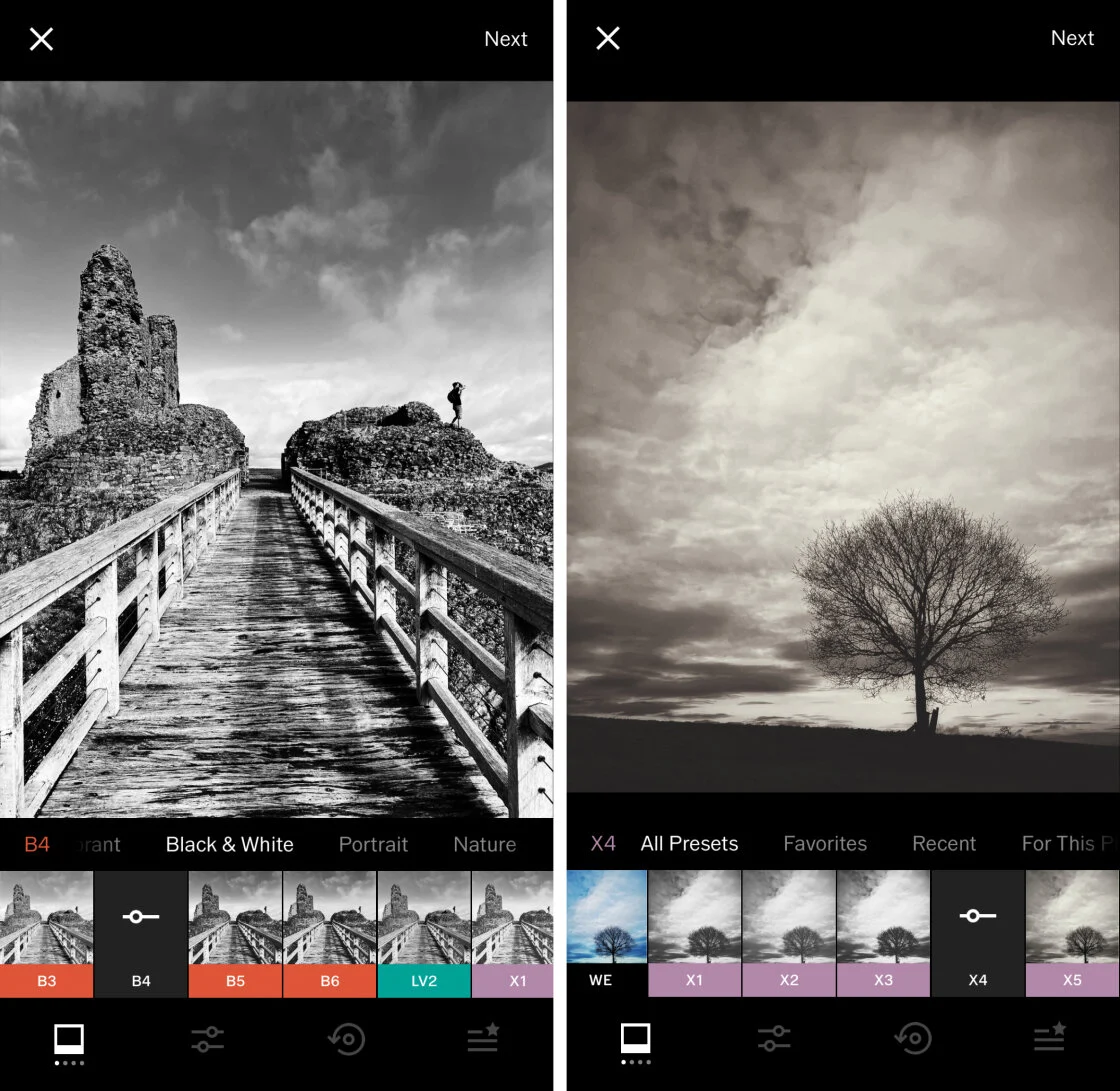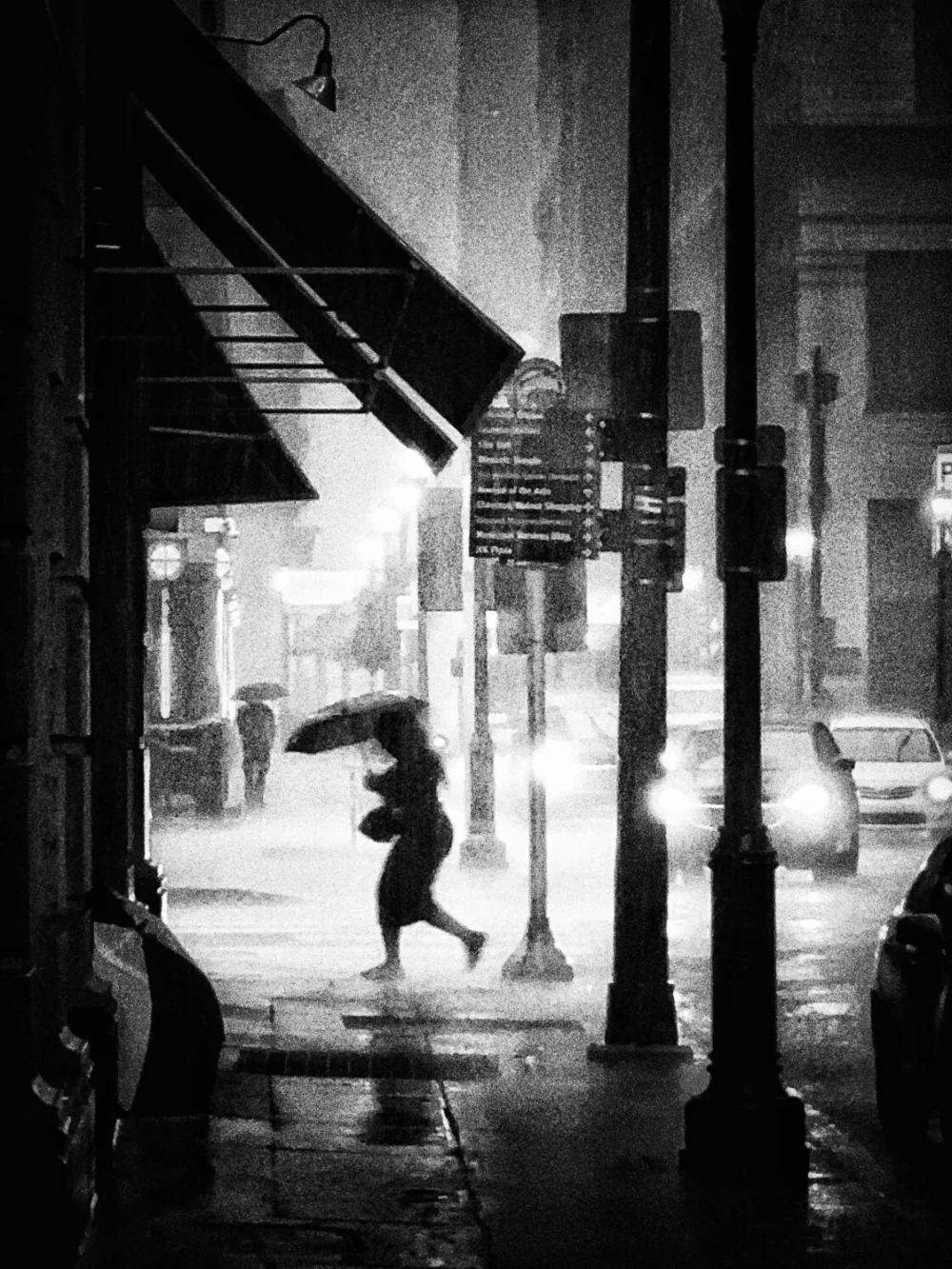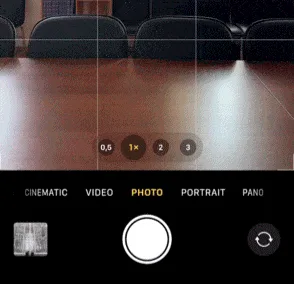
The landscape of modern photography has undergone a seismic shift over the last decade, transitioning from the heavy gear of traditional DSLRs to the sophisticated, pocket-sized technology of the smartphone. As of 2024, industry data indicates that over 90% of all photographs taken globally are captured on mobile devices, with the iPhone leading the vanguard in the "iPhoneography" movement. This democratization of the medium has particularly revitalized the genre of street photography, where discretion and portability are paramount. Black and white street photography, a sub-genre rooted in the legacy of masters like Henri Cartier-Bresson and Vivian Maier, remains a cornerstone of visual storytelling. By stripping away the distraction of color, photographers are forced to rely on the fundamental building blocks of art: light, shadow, and composition. For the modern urban documentarian, mastering the iPhone’s specific capabilities is the key to producing high-contrast, emotionally resonant monochrome imagery.
The Technical Shift: Real-Time Monochrome Visualization
A fundamental error made by novice mobile photographers is shooting in standard color and relying entirely on post-processing to create a black and white image. Professional methodology suggests a shift toward real-time monochrome visualization. The iPhone’s Camera app includes a "Noir" filter that allows users to view the world in grayscale before the shutter is even pressed. This is a critical psychological and technical step; by viewing the scene in black and white through the viewfinder, the photographer can instantly identify whether a scene has the necessary tonal range to succeed.
Technically, these filters are non-destructive. Apple’s software architecture ensures that the original color data is preserved, allowing for a reversion to color in the Photos app if necessary. However, the primary benefit remains the ability to see "luminance" rather than "hue." In a city environment, vibrant colors—such as a red bus or a neon sign—can distract from the structural integrity of a composition. When these colors are neutralized into shades of gray, the interplay of light and shadow becomes the dominant narrative.
Minimalism and the Psychology of Negative Space
In an era of visual overstimulation, minimalist photography has emerged as a powerful counter-narrative. The most effective black and white street photos often feature a singular subject surrounded by "negative space"—areas of the frame that are intentionally left empty. This technique focuses the viewer’s attention and creates a sense of isolation or scale that is often lost in crowded, multi-chromatic frames.
Finding negative space in a dense urban environment requires strategic scouting. Urban planners often design squares, parks, and large cultural plazas that provide the "open canvas" necessary for this style. Data from digital mapping services like Google Maps can be used by photographers to identify these locations beforehand. The strategy involves finding a clean background and waiting—a practice often called "fishing"—for a single human subject to enter the frame. By positioning the subject centrally or following the Rule of Thirds, the photographer can utilize the vast emptiness to emphasize the human condition within the architectural expanse.
Structural Geometry: Harnessing Leading Lines
Leading lines are a foundational element of classical composition that translate exceptionally well to the digital mobile format. These are literal or implied lines that guide the viewer’s eye from the foreground toward the subject or a vanishing point in the distance. The urban landscape is a reservoir of such lines: bridges, road markings, tunnels, and fences provide a natural framework for the image.
To maximize the visual impact of leading lines on an iPhone, photographers are encouraged to shoot from corners or low angles. This perspective adds depth to a two-dimensional image, creating a 3D effect that draws the observer into the scene. Architectural features like spiral staircases offer a unique opportunity for "curved" leading lines. Capturing these from a high vantage point looking down creates a rhythmic, hypnotic quality that is a staple of professional architectural street photography.
Rhythmic Patterns and Architectural Facades
Modern architecture is defined by repetition. From the windows of a skyscraper to the pillars of a colonnade, patterns offer a sense of order and rhythm that is visually satisfying. In black and white, these patterns become even more pronounced as the absence of color highlights the mathematical precision of the structures.
Photographers can utilize these patterns to create "texture" in their images. A symmetrical composition, where the pattern is centered and fills the frame, can create a sense of monumental scale. Conversely, introducing a human subject into a repetitive pattern creates a "break" in the rhythm, providing a focal point that tells a story of the individual versus the machine or the institution. Digital tools like Instagram’s "Explore" feature or architectural databases can help photographers locate specific buildings with unique facades prior to a shoot.
Temporal Precision: Framing and Burst Mode
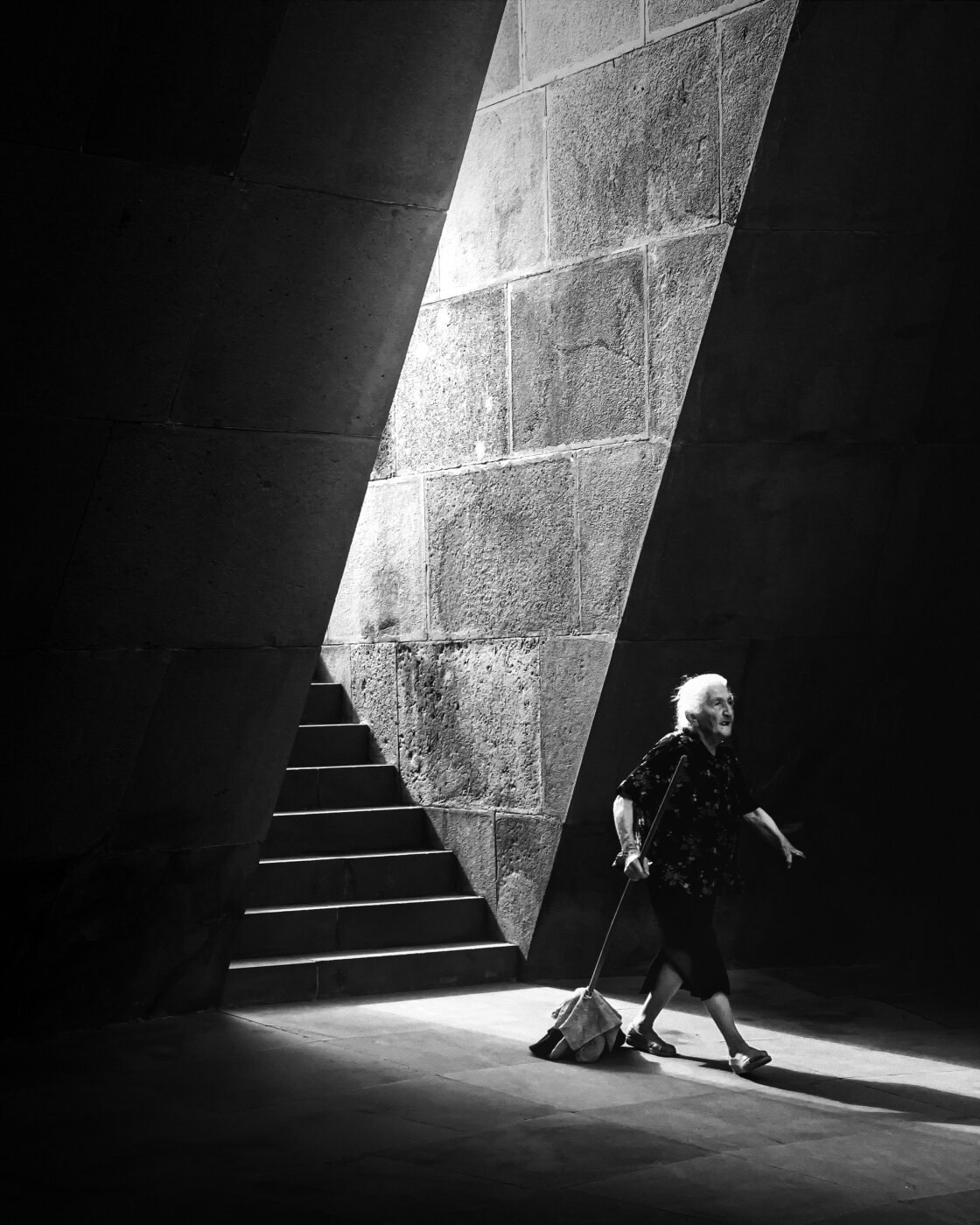
One of the most significant challenges in street photography is the "decisive moment"—the split second where a subject’s pose, the light, and the background align perfectly. To capture this with an iPhone, photographers utilize "framing" combined with "Burst Mode." Framing involves using architectural elements like archways, windows, or doorways to create a "frame within a frame." This technique adds layers to the image and isolates the subject.
Once the frame is established, the photographer must wait for the subject. Apple’s Burst Mode—activated by dragging the shutter button to the left—captures a rapid series of images. This allows the photographer to select the frame where the subject’s gait or posture is most aesthetically pleasing. In the context of street photography, where subjects are in motion, this technology mitigates the shutter lag often associated with older mobile devices.
High-Contrast Dynamics: Silhouettes and Light Placement
Black and white photography is inherently about the struggle between light and dark. Silhouettes represent the extreme end of this spectrum. By shooting toward a light source—such as the sun during the "golden hour" or a brightly lit shop window—the photographer can reduce the subject to a dark, featureless outline. This adds a layer of mystery and anonymity to the work, elevating a candid street snap into a piece of fine art.
To achieve a perfect silhouette on an iPhone, manual exposure adjustment is necessary. After tapping the screen to set the focus on the brightest part of the scene, the user should swipe down to lower the exposure. This ensures that the highlights remain detailed while the shadows are pushed into deep black. This technique is particularly effective during sunrise or sunset when the low angle of the sun creates long, dramatic shadows that stretch across the pavement.
Shadow Dynamics and Urban Drama
Shadows are not merely the absence of light; in street photography, they are subjects in their own right. On days with harsh, direct sunlight, the shadows cast by buildings and people can create abstract shapes that redefine the urban space. These long shadows can act as leading lines or create a sense of foreboding and drama.
The "Golden Hour"—the period shortly after sunrise or before sunset—is the optimal time for shadow photography. The low angle of the light elongates forms, creating a distorted reality that is highly effective in monochrome. Photographers often include their own shadows in the frame, a meta-commentary on the act of observation that has been explored by photographers for decades.
The Digital Darkroom: Post-Processing and Ethical Cleanup
The final stage of the photography workflow is post-processing. While the iPhone’s native Photos app offers robust tools for adjusting contrast, highlights, and shadows, professional-grade apps like Adobe Lightroom provide more granular control. In black and white photography, increasing contrast is the most common adjustment, as it makes the whites "pop" and the blacks appear "inkier."
A controversial but increasingly common practice in mobile street photography is the removal of distracting elements. Modern AI-driven "healing" tools allow photographers to remove trash, signs, or photobombers that clutter a minimalist composition. While purists argue that street photography should remain unedited, the artistic branch of the genre prioritizes the final visual impact. The goal is to "clean up" the image to ensure that nothing distracts from the primary subject and the intended emotional resonance.
Market Implications and the Future of Mobile Art
The rise of high-quality mobile photography has significant implications for the art market and professional journalism. Major news outlets now frequently publish images captured on iPhones, and galleries around the world have begun hosting exhibitions dedicated to mobile art. The portability of the iPhone allows photographers like Maksim Kyshtymov, who transitioned from DSLRs to mobile, to blend into environments where a large camera would be intrusive.
This "invisibility" is the street photographer’s greatest asset. It allows for the capture of authentic, unposed moments that define the human experience. As sensor technology and AI processing continue to evolve, the gap between mobile devices and professional cameras continues to narrow. The principles of black and white street photography—patience, observation, and an eye for geometry—remain timeless, but the tools used to capture them are more accessible than ever before. For the aspiring photographer, the best camera is indeed the one that is always in their pocket, provided they have the technical knowledge to harness its full potential.