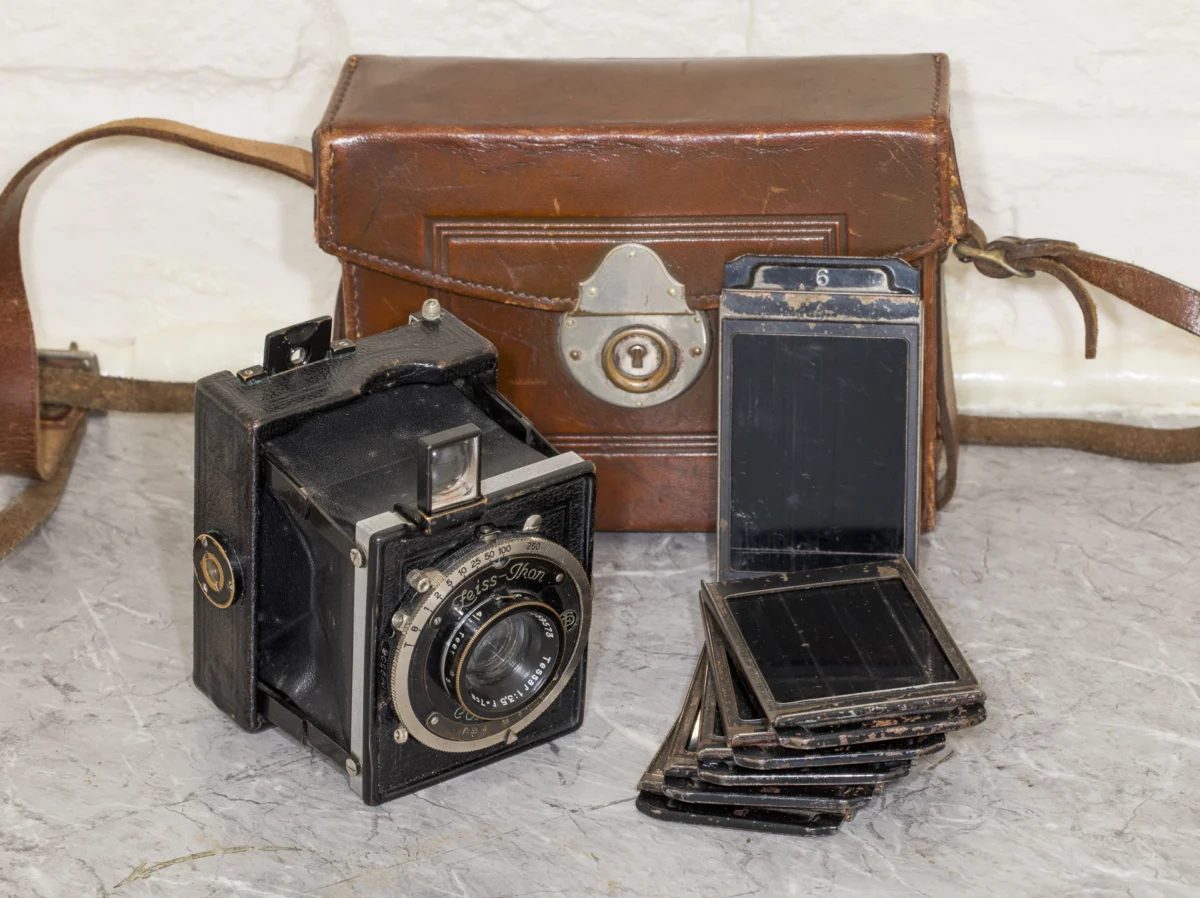
The discovery of a 1930 Zeiss Ikon 342 Bébé in a blind auction lot has sparked a rigorous technical undertaking to restore the functionality of one of the early 20th century’s most precision-engineered miniature plate cameras. Found among a collection of unseen equipment from a local auction house, the Bébé represents a pivotal era in photographic history, marking the transition between the bulky plate cameras of the Victorian age and the portable, high-fidelity instruments that would define professional photography until the digital revolution. The successful deployment of this 96-year-old machine requires not merely mechanical restoration but the re-engineering of obsolete film-holding systems and the construction of bespoke darkroom facilities to accommodate a format that has been out of commercial production for nearly a century.
Historical Context: The Legacy of Zeiss Ikon and ICA
The Zeiss Ikon 342 Bébé is a direct descendant of the design lineage established by ICA (Internationale Camera Actiengesellschaft), a firm that was instrumental in the 1926 merger that formed the Zeiss Ikon conglomerate. This merger, headquartered in Dresden, brought together four major photographic entities: Contessa-Nettel, Ernemann, Goerz, and ICA. The Bébé series was retained in the new company’s catalog due to its reputation for robust construction and optical excellence.
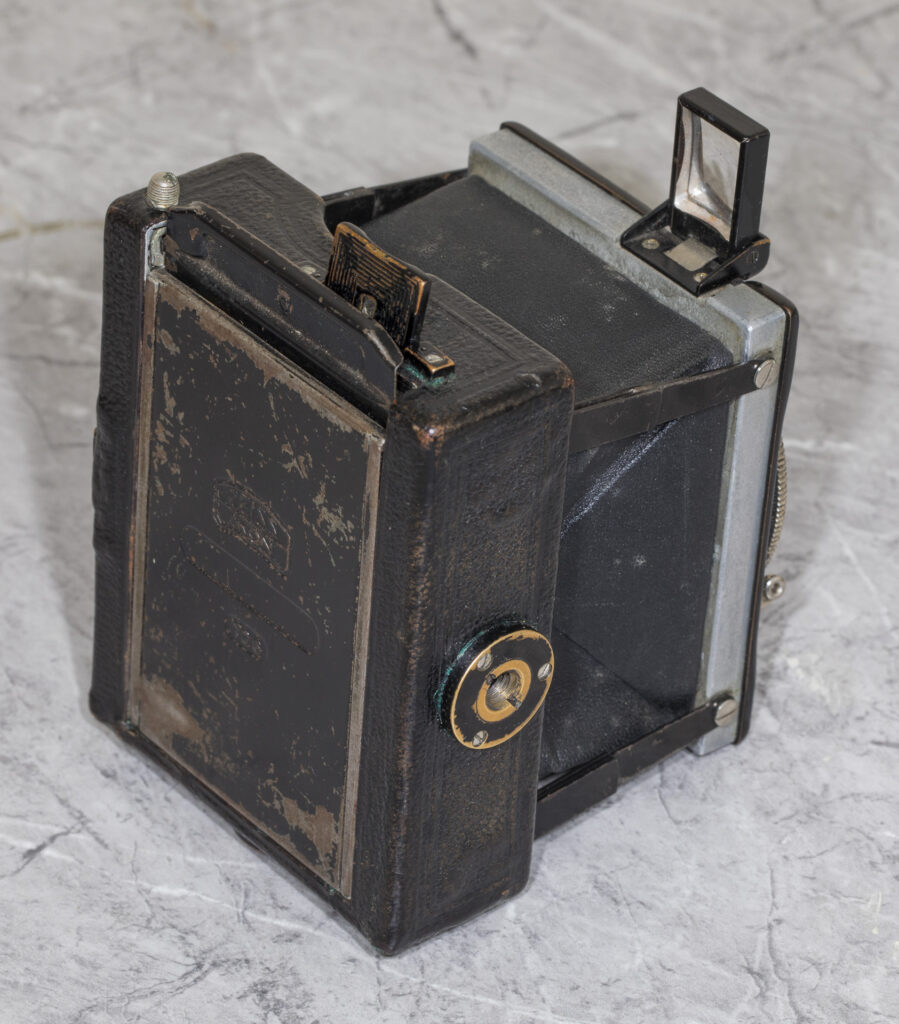
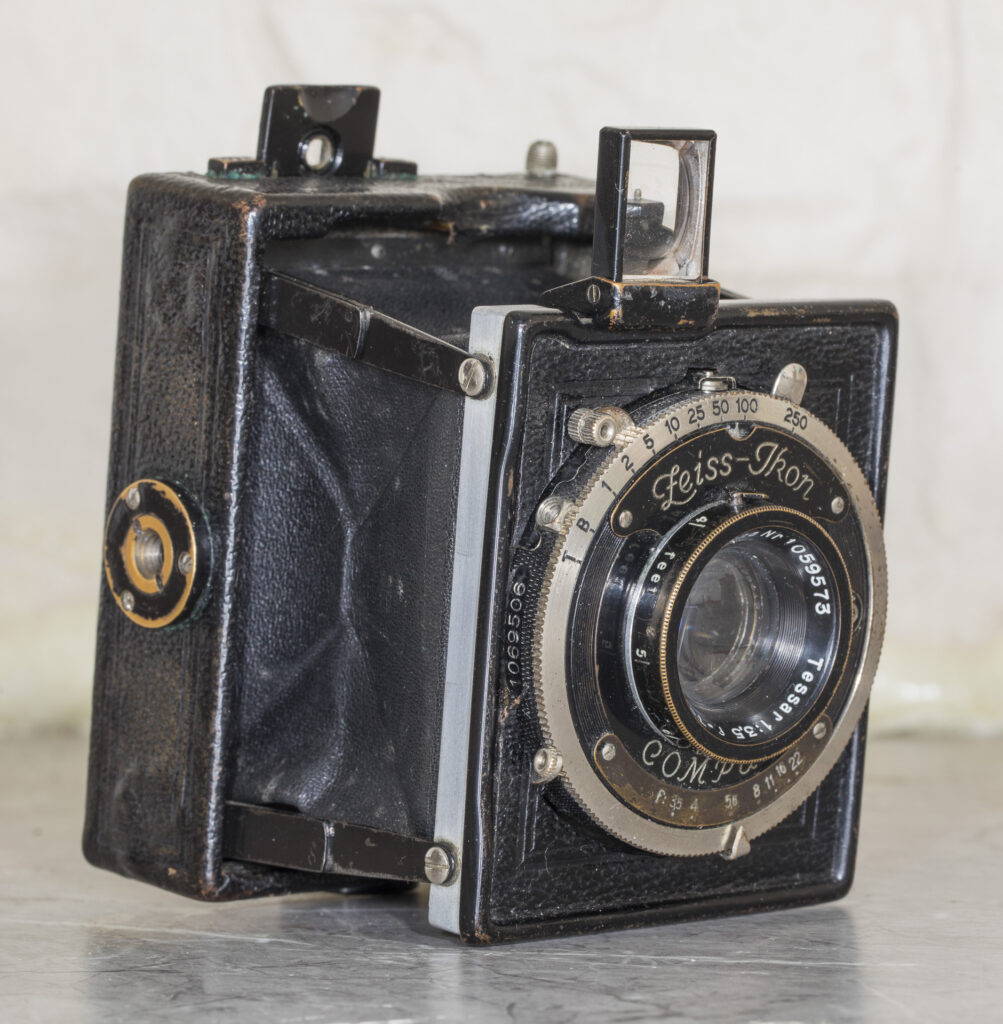
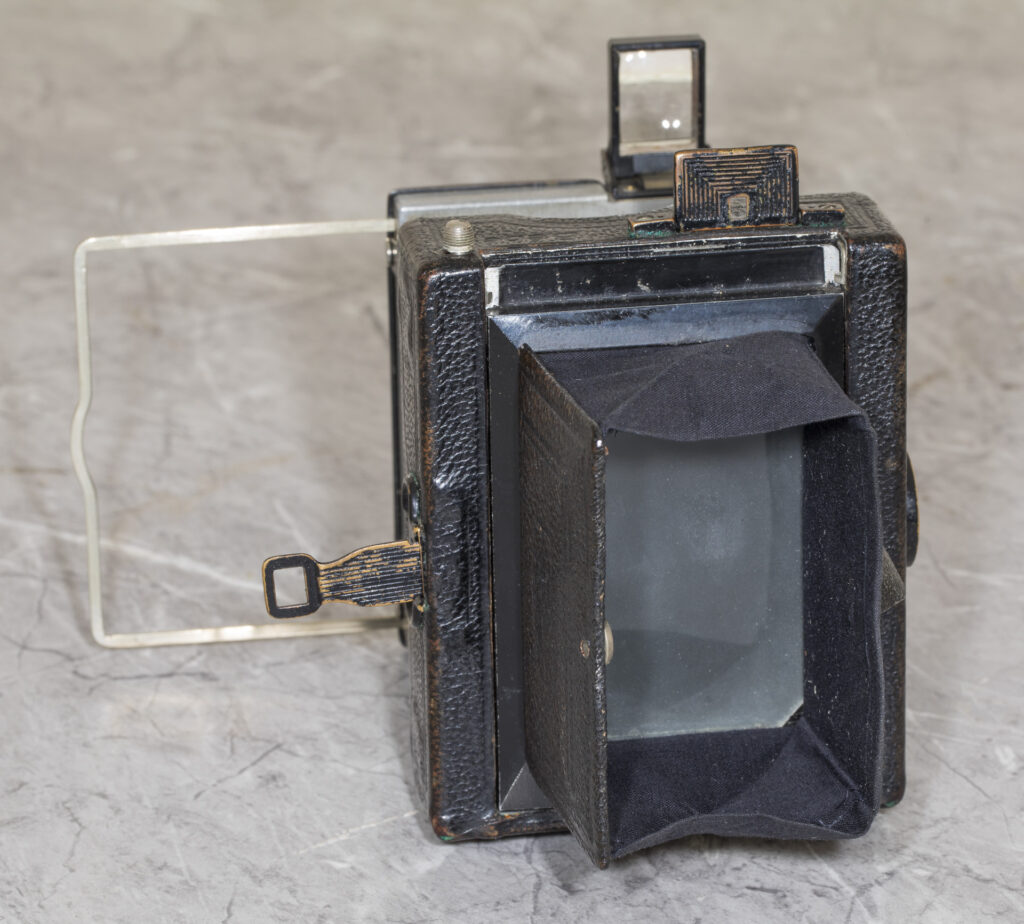
Produced in three primary sizes—6.5×9 cm, 6×6 cm, and the 6×4.5 cm variant found in this recent discovery—the Bébé was marketed as a "strut-folding" camera. This design utilizes a system of four metal struts to lock the lens board into a rigid, parallel position relative to the focal plane, offering greater stability than the leather bellows found on typical folding cameras of the period. The 1930 model features a rim-set Compur shutter, manufactured by Friedrich Deckel of Munich, and an f/3.5 7cm Tessar lens. The Tessar, designed by Paul Rudolph in 1902, is often referred to as the "Eagle Eye" of photography due to its four-element, three-group construction that provides high resolution and minimal distortion, even by modern standards.
Technical Specifications and Optical Systems
The 342 Bébé is equipped with multiple framing and focusing systems, reflecting the transitional nature of 1930s photographic technology. While the camera includes a ground glass focusing back for precision work, its small dimensions—approximately 6×4.5 cm—render the screen difficult to use without high-power magnification. Consequently, the camera offers two external viewfinders: a folding reverse-Galilean optical finder and a wire "sports" finder.
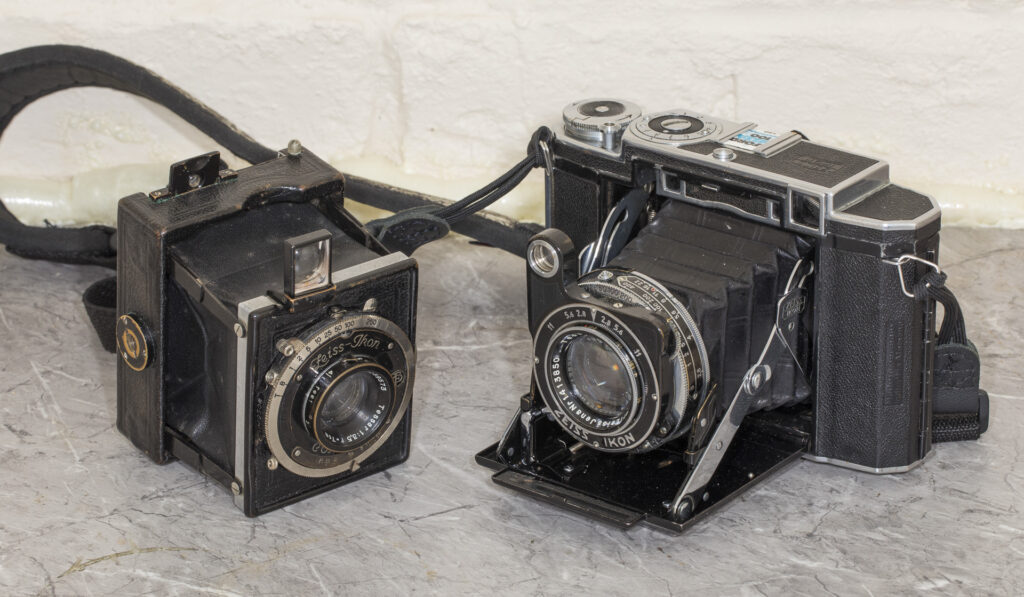
Technical analysis suggests that the folding optical finder provides the most reliable parallax correction for handheld use. Furthermore, the ergonomic placement of the shutter release allows for greater stability when the camera is braced against the user’s face, a technique that compensates for the lack of modern vibration reduction. The compact nature of the Bébé, which is smaller than many contemporary medium-format folding cameras like the Certo Dollina, places it in a unique category. Despite its diminutive size, its reliance on single-exposure glass plates or film packs classifies it technically as a miniature large-format camera.
The Obsolescence Hurdle: Engineering a Modern Film Solution
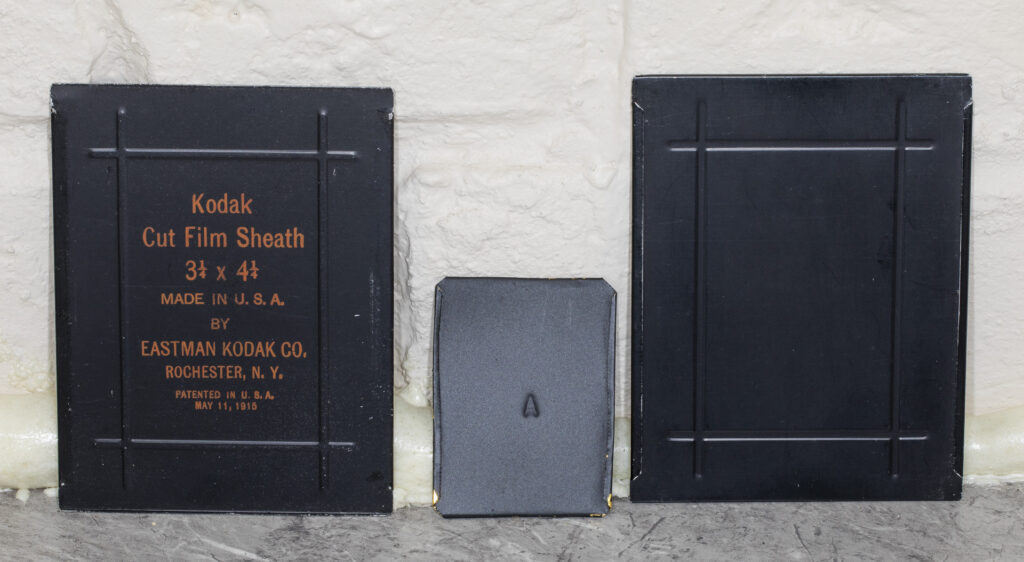
The primary obstacle to utilizing the Zeiss Ikon 342 Bébé in the 21st century is the total absence of 6×4.5 cm glass plates or film packs. Unlike larger plate formats (such as 4×5 inches), which still see niche production, the 6×4.5 cm plate is an abandoned standard. The Bébé utilizes a proprietary mounting system where a flange on the plate holder slots into the camera body and clips at the top, a design that is incompatible with the more common "slide-in" holders found in other European cameras of the era.
To bring the camera back into service, a multi-stage engineering project was initiated:
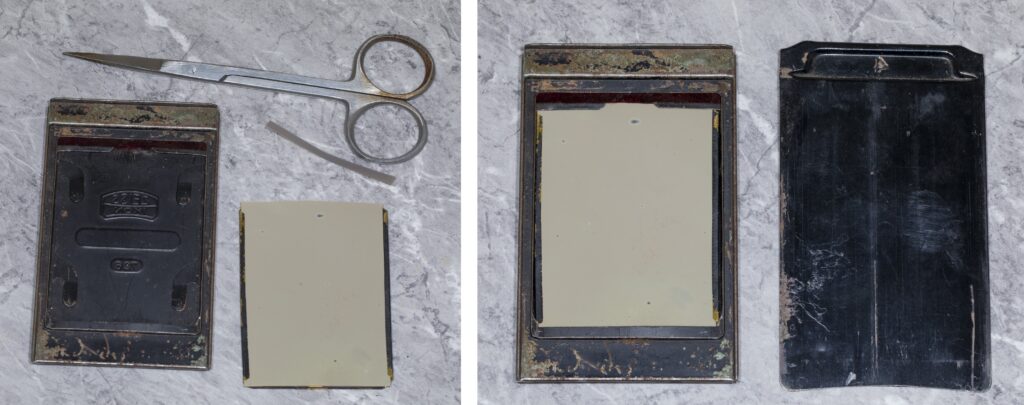
- Material Selection: Glass plates were deemed impractical for initial testing due to the complexity of hand-coating emulsions. Instead, the decision was made to adapt modern sheet film.
- The Sheath Problem: Historically, "cut film sheaths" allowed photographers to use sheet film in plate holders. These thin metal inserts mimic the thickness of a glass plate. Because 6×4.5 cm sheaths have not been manufactured for over 70 years, bespoke versions had to be fabricated from 0.12 mm brass sheet.
- Film Plane Alignment: A critical technical challenge in using sheaths is the focal shift. The film emulsion sits slightly behind where the glass plate emulsion would be. This requires the lens to be stopped down (typically to f/8 or smaller) to utilize depth of field to mask any focus inaccuracies.
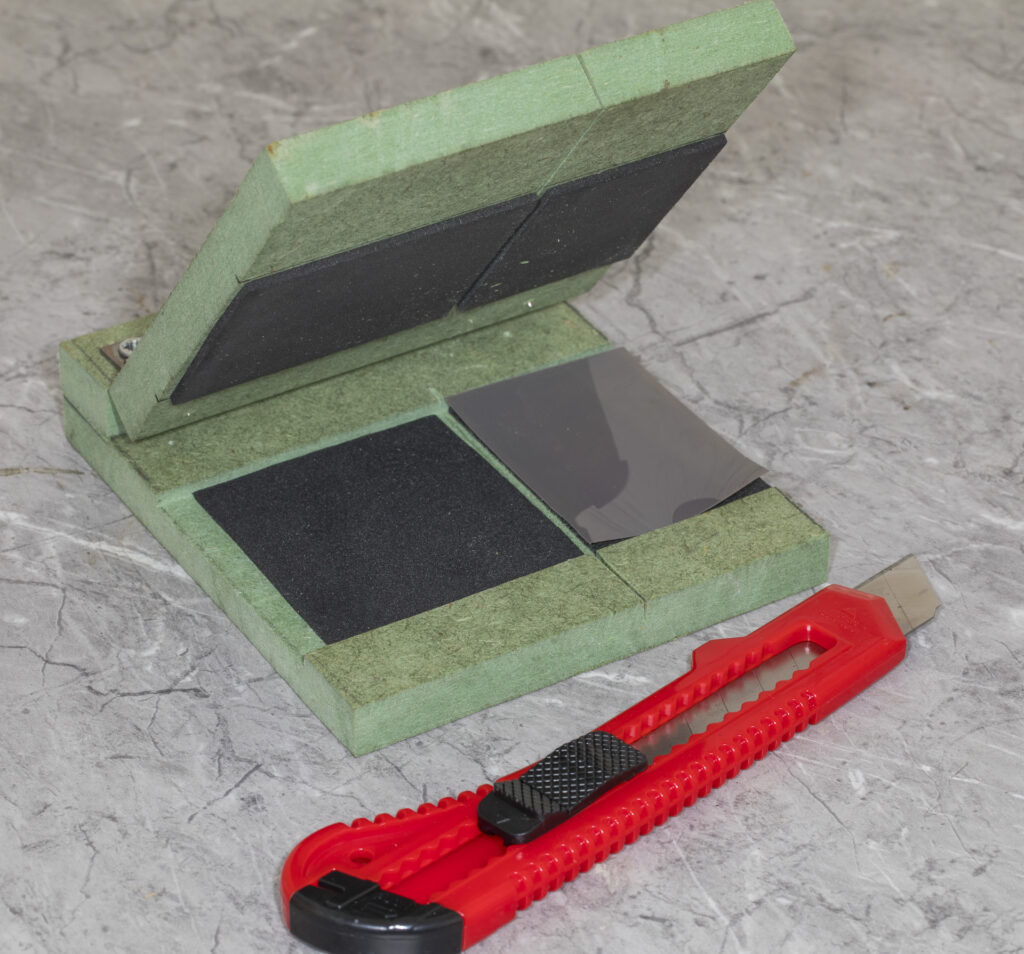
- Format Adaptation: Modern 120-roll film was selected as the donor material. By cutting the film across the roll into 43mm strips, a size nearly identical to the original 6×4.5 cm plate (59x44mm) can be achieved.
Chronology of the Restoration and Testing Phase
The process of returning the Bébé to the field spanned several months, involving the construction of specialized infrastructure and precision tools.
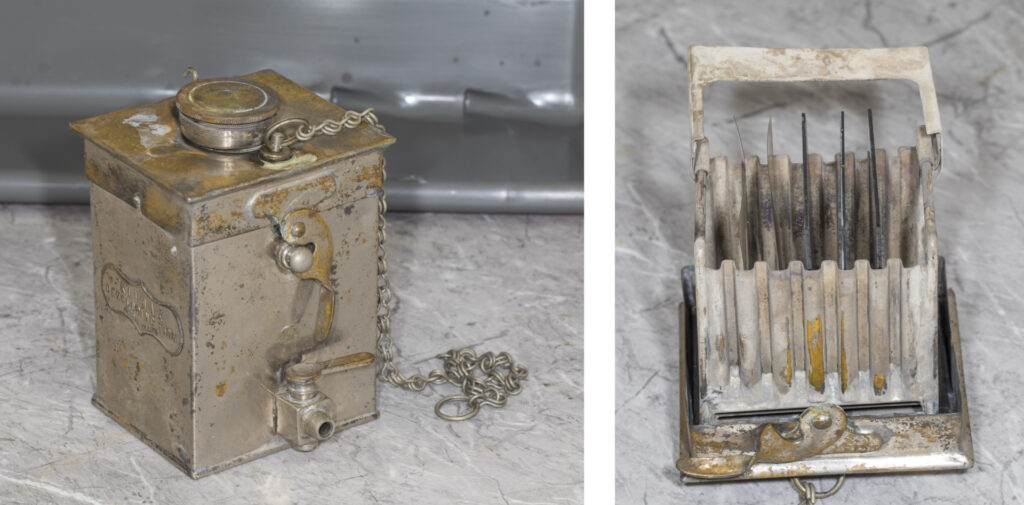
- Infrastructure Development: Given the need to handle small, sensitive pieces of film, a dedicated darkroom was required. A derelict shed was converted into a light-tight laboratory. Due to the handling requirements of the film, orthochromatic film (Ilford Ortho Plus) was chosen. Orthochromatic emulsions are insensitive to red light, allowing the photographer to cut and load the film under a red safelight rather than in total darkness.
- Precision Cutting: A custom cutting jig was engineered to ensure that 120-roll film could be sliced into 43mm sections with a margin of error of less than 0.5mm. This jig utilizes light-seal foam to hold the film flat while a blade is guided through a precision slot.
- The Development Solution: Developing individual pieces of 43mm film presents a significant risk of uneven chemical processing. The discovery of a vintage "Butchers Klimax" developing tank—specifically designed for 6×4.5 cm plates—provided the final piece of the technical puzzle. This 1920s-era tank allows for the simultaneous development of multiple film pieces in a vertical rack, though it requires manual modification of the drainage process to ensure even development across the emulsion.
Field Results and Qualitative Analysis
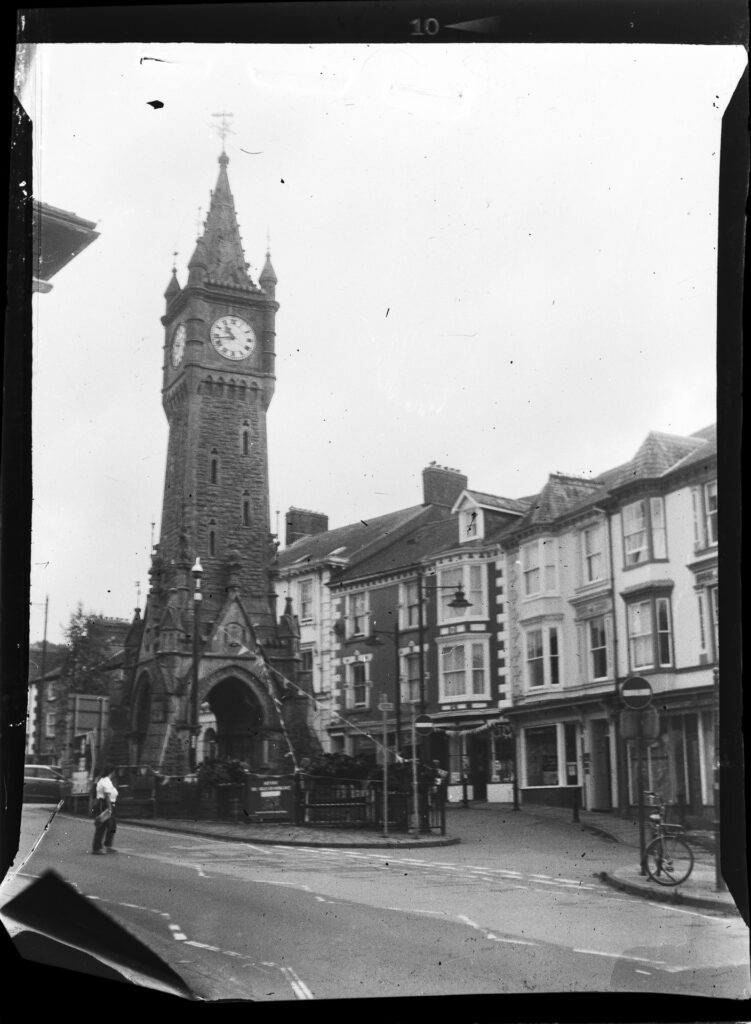
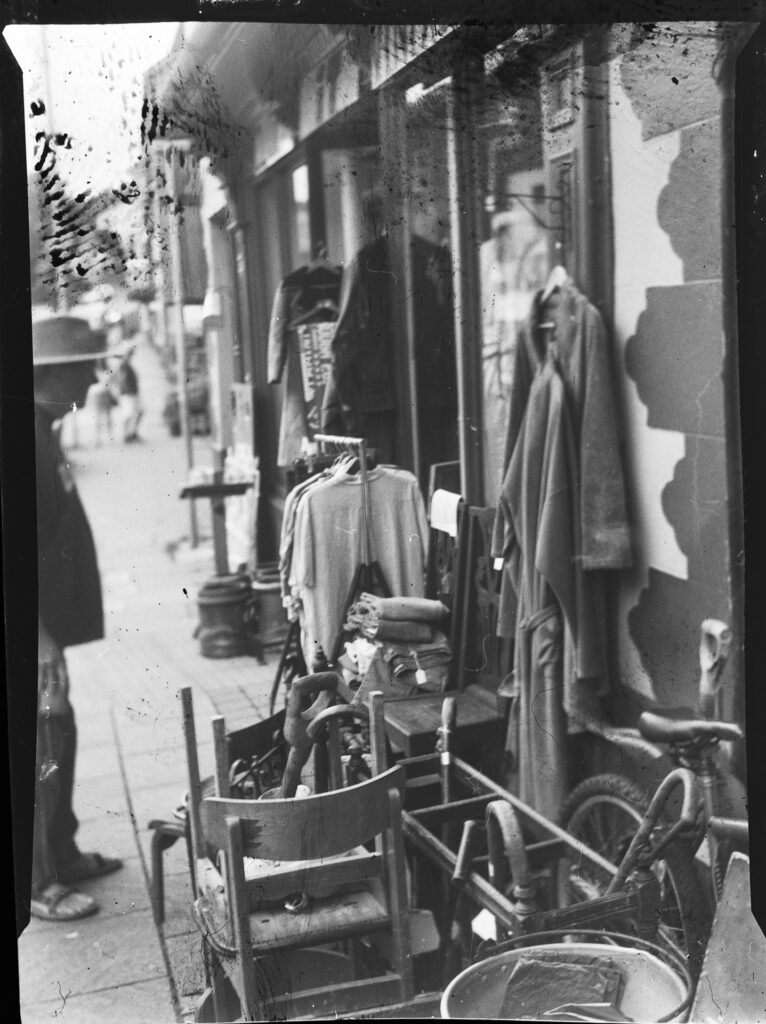
Initial field tests conducted in various environments, including the rural landscape of Machynlleth, Wales, have validated the mechanical integrity of the 1930 Zeiss Ikon. The first three exposures yielded successful negatives, proving that the DIY brass sheaths and the adapted 120 film were capable of maintaining sufficient flatness during exposure.
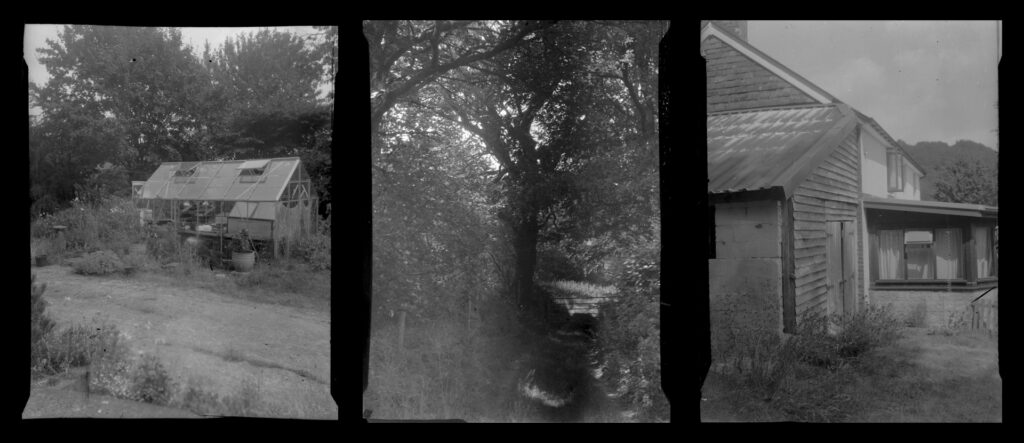
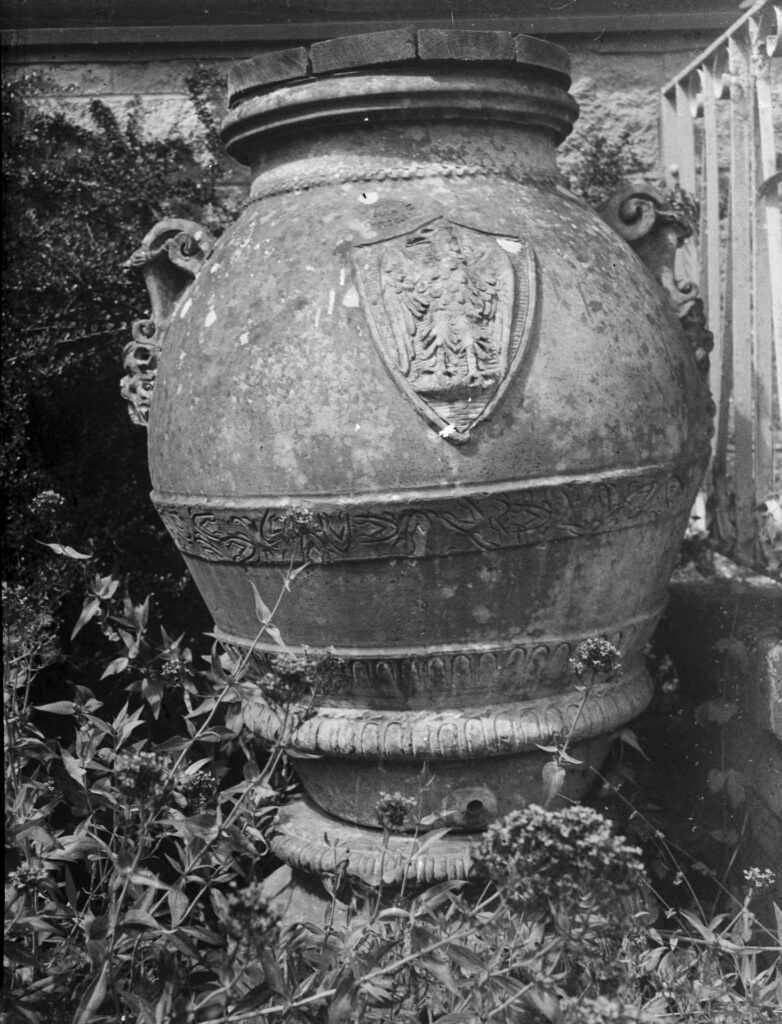
The resulting images exhibit a distinct aesthetic characterized by high central sharpness—a hallmark of the Tessar lens—and a "vintage" texture caused by the physical handling of small film segments. The presence of dust, minor scratches, and fingerprints is an inherent byproduct of the manual loading and development process. However, from a technical standpoint, the negatives demonstrate that the Compur shutter remains accurate and the bellows are light-tight after nearly a century of storage.

Broader Impact and Implications for the Analog Movement
The successful revival of the Zeiss Ikon 342 Bébé reflects a growing trend within the global photography community toward "Slow Photography" and the preservation of mechanical heritage. Market data suggests a rising valuation for pre-war German cameras, not merely as shelf ornaments but as functional tools for artists seeking alternatives to the perfection of digital sensors.
Industry analysts note that projects of this nature contribute to the "democratization of obsolescence." By documenting the fabrication of film sheaths and the adaptation of modern emulsions, enthusiasts are creating a roadmap for the continued use of thousands of high-quality vintage cameras that would otherwise be relegated to museums.
Furthermore, the project highlights the sustainability of mechanical engineering. Unlike modern electronic cameras, which are often rendered unrepairable by the failure of a single proprietary microchip, the Zeiss Ikon Bébé can be maintained with basic metallurgy and a fundamental understanding of optics. The camera’s ability to produce high-resolution images in 2026 using the same mechanical principles it employed in 1930 serves as a powerful testament to the durability of early 20th-century industrial design.
As the practitioner moves toward experimenting with hand-poured glass plates and different sheet film stocks, the Bébé stands as a bridge between the chemical origins of the medium and its future as a specialized art form. The project concludes that while the process is labor-intensive and technically demanding, the reward is a unique photographic output that carries the physical and optical signature of history.