The digital age has ushered in an unprecedented era of image creation, with billions of photographs captured daily. This explosion of visual content has, paradoxically, led to a heightened focus on defining and categorizing photographic genres. Among these, street photography has become a frequent subject of intense online debate, with photographers and enthusiasts alike grappling with its precise boundaries. However, this persistent quest for rigid definitions, while perhaps stemming from a desire for clarity in an increasingly complex visual landscape, may be inadvertently stifling the very creativity it seeks to understand. The fundamental issue, argue many within the photography community, is not a lack of defined rules, but rather a need for more compelling and original photographic work.
The proliferation of digital cameras and smartphones has democratized photography to an extent unimaginable just a few decades ago. Estimates suggest that over five billion photographs are now taken every single day. This sheer volume makes the task of distinguishing between genres like street, landscape, portrait, or abstract photography a formidable one. While attempts to delineate these categories can offer a framework for discussion and learning, they also carry significant risks. A primary concern is that an overemphasis on strict adherence to predefined rules can lead to a homogenization of photographic output. Photographers, eager to fit their work into established boxes, may begin to replicate familiar tropes and visual clichés, resulting in images that are technically competent but creatively stagnant.
This trend towards formulaic street photography has been cited as a significant impediment to attracting a broader commercial audience, particularly for contemporary interpretations of the genre. The visual landscape of online platforms is often dominated by recurring motifs: the solitary figure under an umbrella navigating a rain-slicked street, the archetypal elderly gentleman in a fedora silhouetted against a dramatic play of light and shadow, or young individuals posing before vibrant graffiti backdrops. These images, while sometimes aesthetically pleasing, tend to represent a predictable aesthetic, a visual shorthand that has become overused. The irony is palpable: a genre historically celebrated for its spontaneity and ability to capture the unexpected has, in many instances, become remarkably predictable.
The phenomenon of rigid genre definitions in street photography echoes similar patterns observed in other creative fields. For instance, the Oprah Book Club, while successful in promoting reading, inadvertently fostered a predictable formula for authors seeking inclusion. This led to a wave of "Oprah novels" that, while popular, often adhered to a similar narrative structure and thematic content, potentially limiting artistic experimentation. Similarly, when street photography becomes beholden to a strict checklist of acceptable elements, it can foster a "backward" approach to creativity. Instead of creating photographs and allowing the work to define itself, photographers may begin to tailor their images to meet external criteria, prioritizing compliance over authentic expression. This can lead to a stifling of artistic innovation. The experience of judging street photography competitions, some observers note, has become increasingly disheartening, with a significant portion of entries feeling derivative, as if captured by the same individual adhering to a singular, prescribed vision.
Ultimately, the core of street photography, or any compelling photographic endeavor, lies in the power of the image itself. A photograph that resonates with viewers, provokes thought, or offers a unique perspective is, in itself, a success. The persistent questioning of whether a street photograph "needs" a person or an urban landscape, while a valid point of discussion, often leads to unproductive debates and numerous exceptions. These questions are perhaps best viewed as prompts for contemplation rather than definitive problems requiring immutable solutions.
Consider the complexities that arise when attempting to impose strict boundaries. If a street photograph must feature an urban landscape, does this implicitly exclude photographers working in rural or remote settings? Such a stipulation would unfairly marginalize a vast array of photographic talent. Martin Parr’s iconic photographs, often set in seaside resorts, are widely considered exemplary street photography, yet they don’t strictly adhere to a traditional urban context. Similarly, William Eggleston’s renowned photograph of a tricycle, devoid of any human presence or a distinctly urban backdrop, is nonetheless embraced within the street photography canon. These examples highlight the inherent limitations of attempting to confine a dynamic genre within rigid parameters.
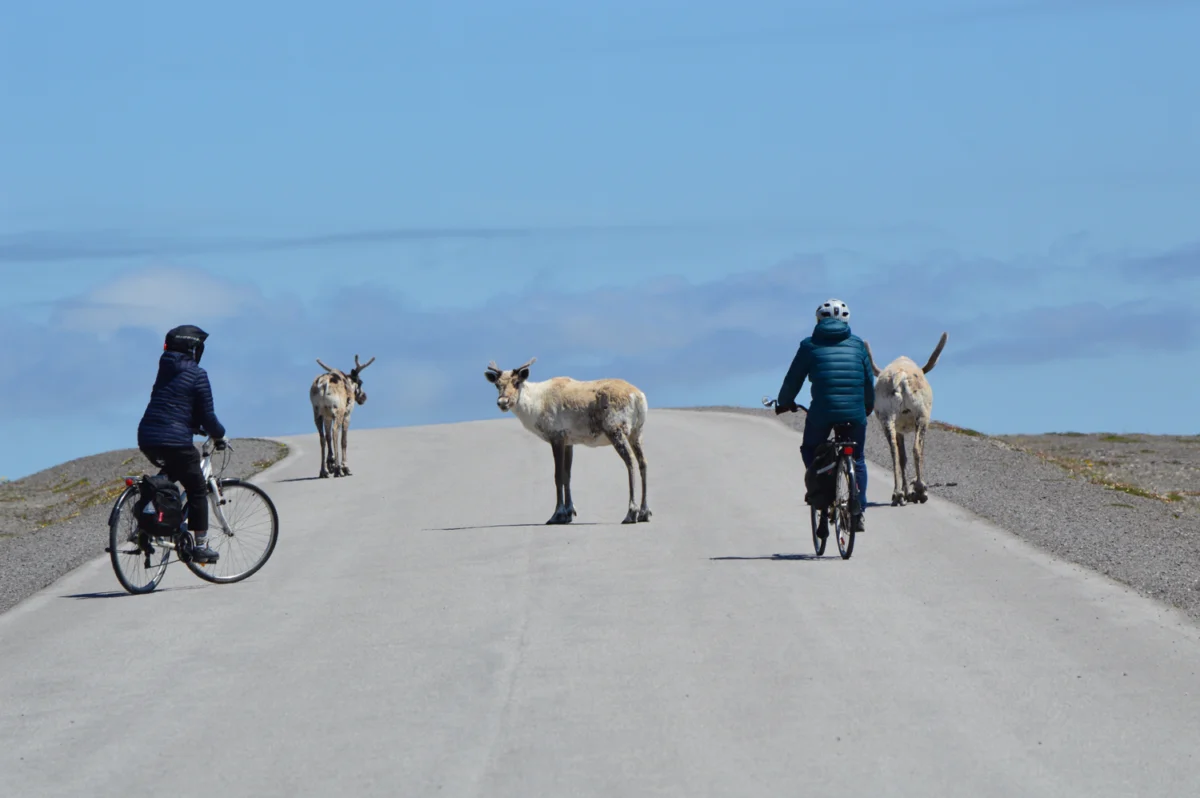
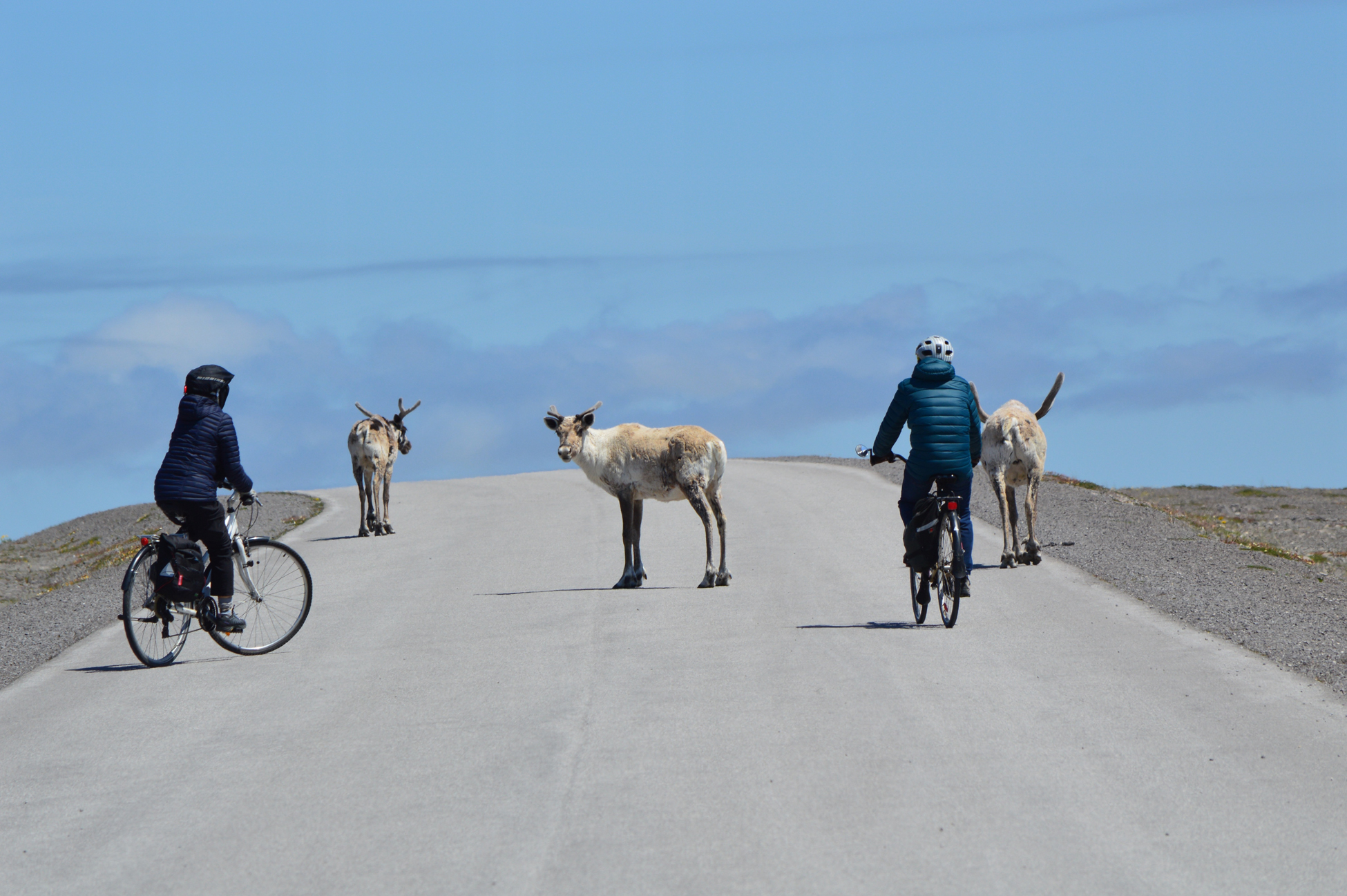
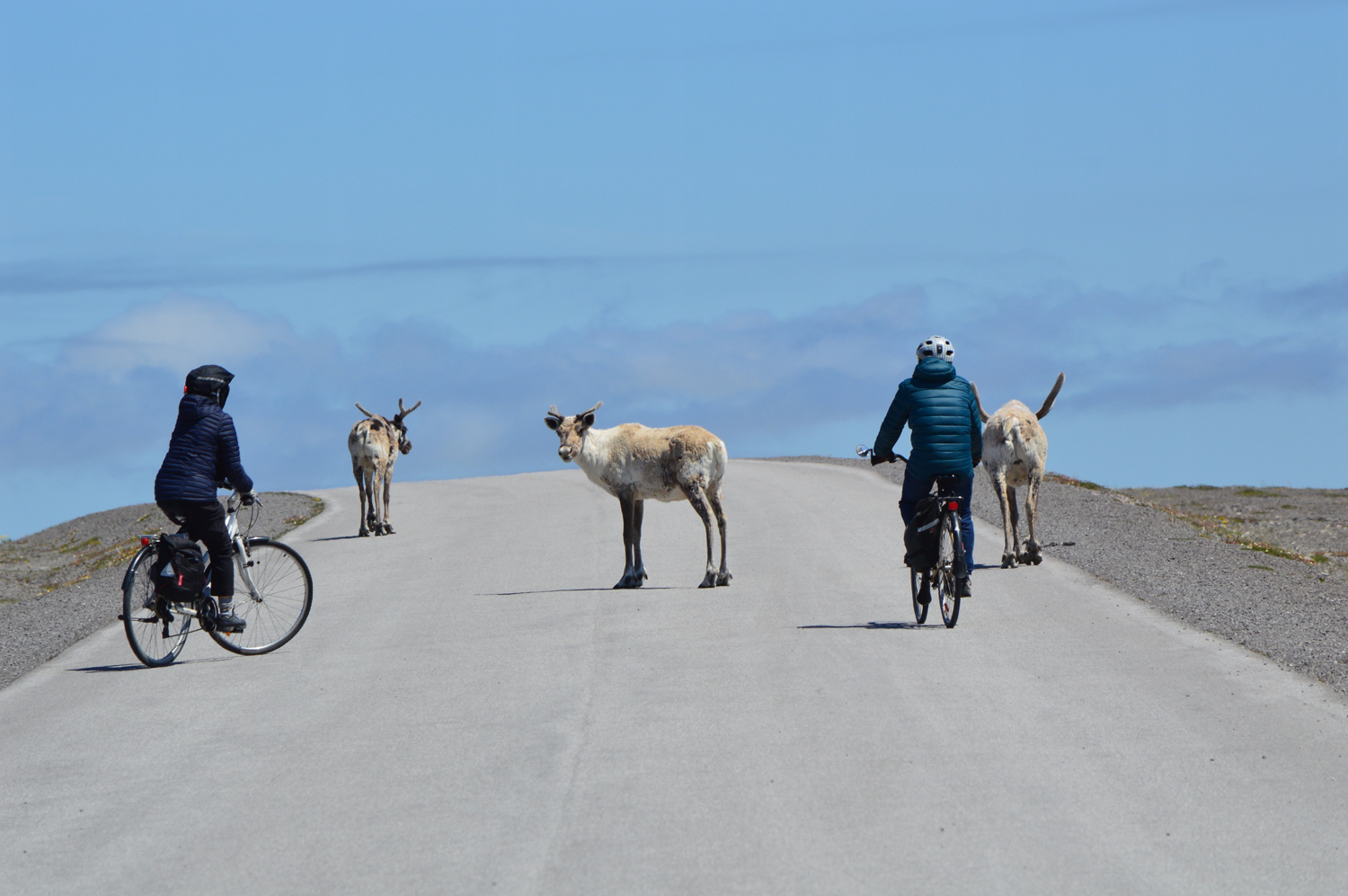
A poignant illustration of this ambiguity was recently provided by a photograph captured by Susan N. Sweet, a Canadian painter and the aunt of this article’s author, Michael Ernest Sweet. Taken in Newfoundland during the summer, the image, while open to interpretation regarding its genre classification, served as a catalyst for a deeper examination of what constitutes street photography. Regardless of its definitive label, the photograph possesses a compelling quality that invites engagement.
This brings forth a more fundamental question: does street photography even need to exist as a distinct genre? The author’s perspective, increasingly shared by others, is that a photograph should be allowed to speak for itself, unburdened by pre-existing categorical expectations. In this view, photographs should be appreciated for their inherent qualities—their ability to captivate, challenge, or alter one’s perception—rather than their adherence to a specific genre.
The principle that great works create genres, rather than the other way around, holds considerable weight in the art world. While genres serve a practical purpose in organizing and understanding artistic output across disciplines like music, cinema, and painting, they should not dictate the creative process itself. The argument here is not for the complete abandonment of categorization, but for a more expansive and inclusive understanding of what can be considered street photography.
The focus, it is suggested, should shift away from the pursuit of social media algorithms and the labels they favor, and towards a more direct engagement with the subject matter before the lens. Photographers should be afforded the freedom to create first, and to categorize later, or perhaps not at all. A photograph that profoundly impacts the viewer, whether through its aesthetic beauty, intellectual stimulation, or emotional resonance, is a successful photograph. In many cases, the inherent quality of a "good photograph" is sufficient in itself.
The danger lies in the moment a definition transforms into a prescriptive checklist. Such a shift inevitably leads to a decline in genuine creativity. When communities dedicate an inordinate amount of time to debating definitions, the valuable energy and focus that could be directed towards producing memorable and impactful work is diverted. History, it is often observed, celebrates artists who push boundaries and redefine conventions, not those who meticulously follow established rules. The legacy of innovation is built by those who inspire others to rewrite the rulebooks, not by those who simply adhere to them. Ultimately, genres tend to emerge and solidify in the wake of significant artistic achievements, rather than preceding them. The enduring power of a photograph lies in its ability to transcend labels and connect with audiences on a deeper, more personal level.