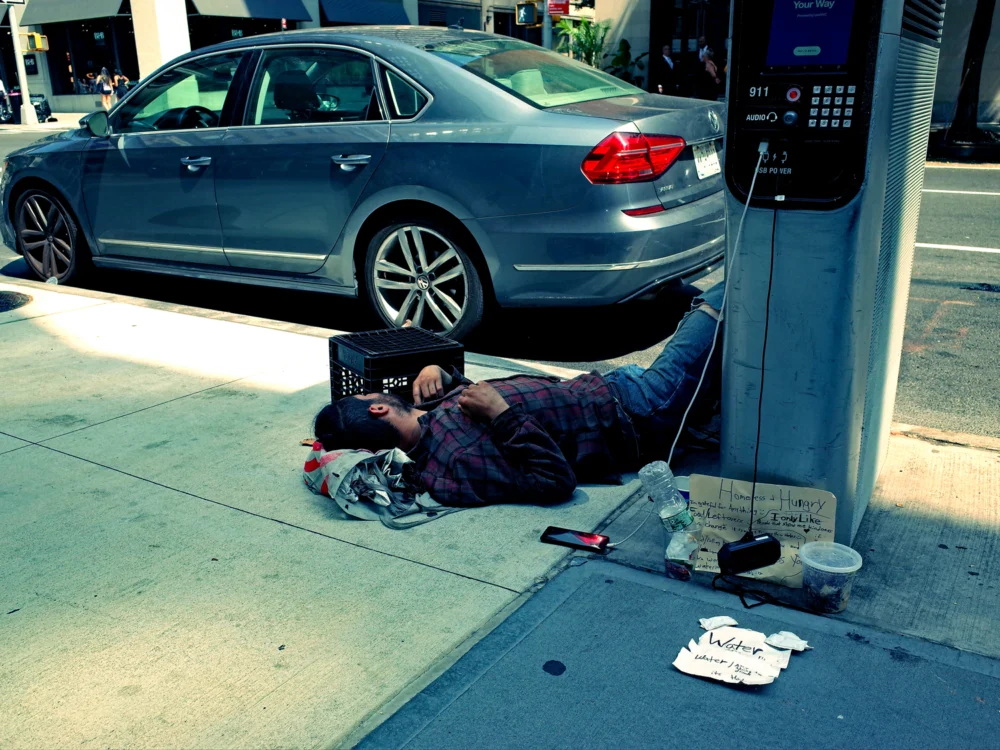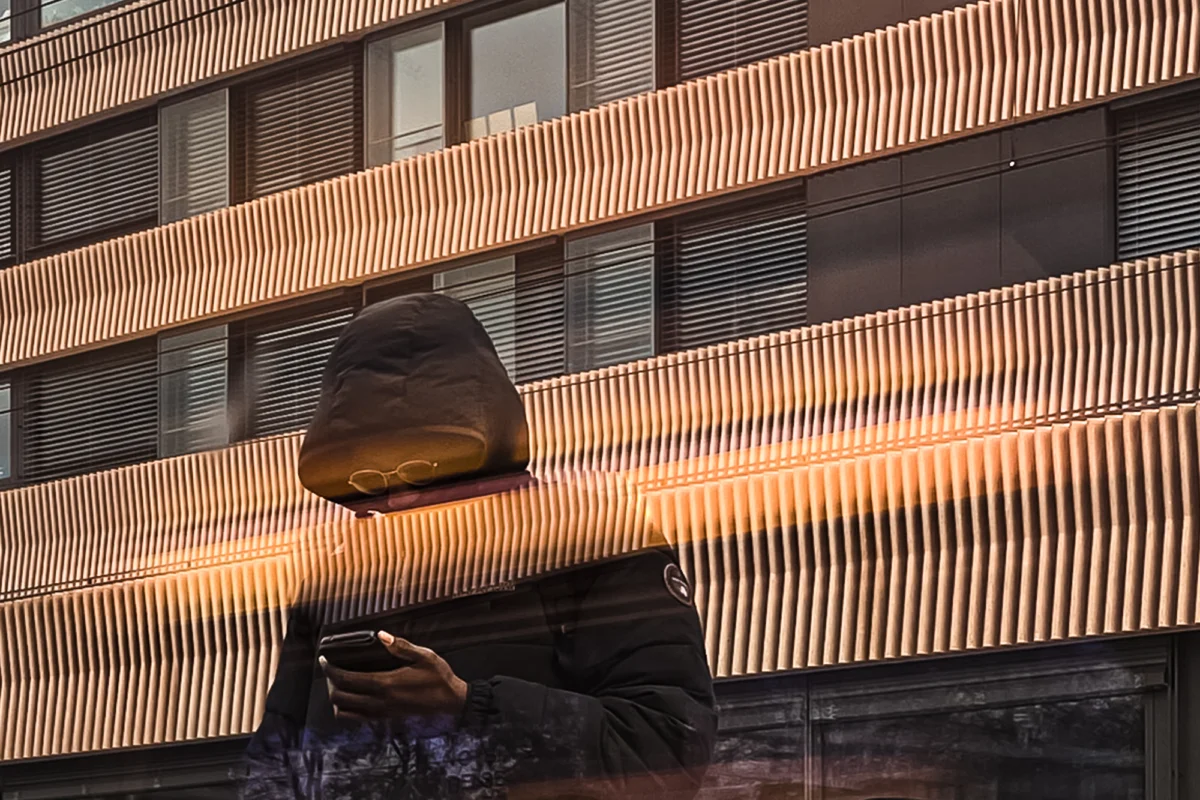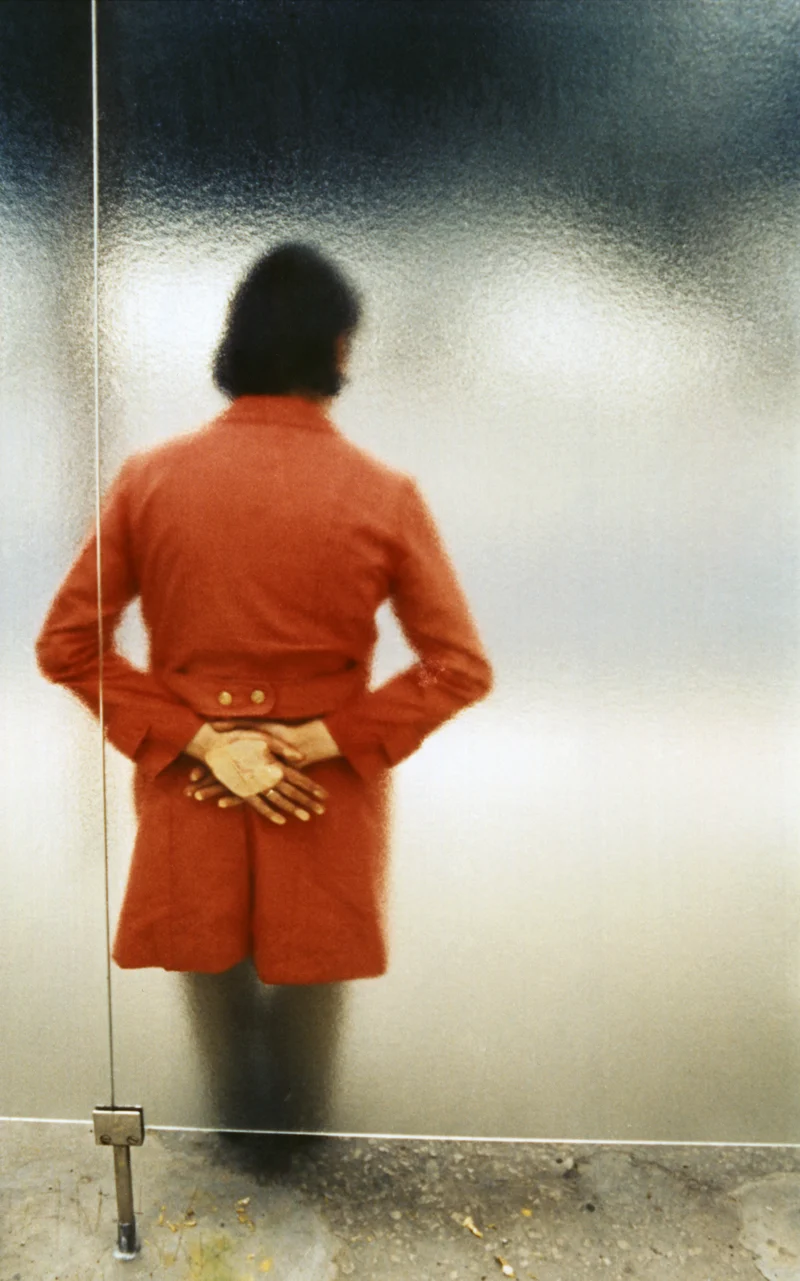
The enduring dialogue between Impressionism and street photography reveals a shared visual language, forged by technological innovation, a departure from academic tradition, and a profound fascination with the ephemeral nature of light and everyday life. This exploration delves into the historical parallels between these two seemingly disparate artistic movements, highlighting how advancements in technology, a shifting societal focus, and a redefinition of artistic subject matter allowed both painters and photographers to capture the pulse of their respective eras with unprecedented immediacy.
The Dawn of a New Era: Technological Catalysts
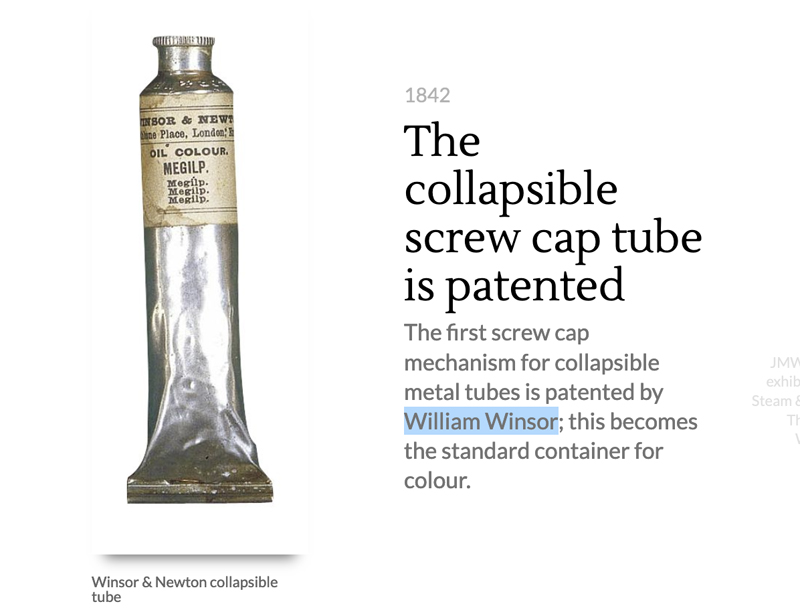
The genesis of both Impressionism and modern street photography can be traced back to pivotal technological advancements that liberated artists from the constraints of their studios and traditional methodologies. For the Impressionists, the invention of the collapsible paint tube in 1841 by John Goffe Rand was a watershed moment. Prior to this, artists meticulously prepared their own oil paints, a laborious process that limited their mobility and palette. The advent of pre-mixed, portable paints, readily manufactured by companies like Winsor & Newton and Lefranc & Bourgeois, allowed painters to venture outdoors—"en plein air"—and directly engage with the ever-changing nuances of natural light. This newfound freedom was instrumental in their ability to capture fleeting moments and transient atmospheric conditions.
A comparable revolution occurred in the nascent field of photography. For decades, photographers were tethered to darkrooms due to the cumbersome wet plate process, which required immediate chemical preparation of glass plates before exposure. This process was time-consuming and chemically intensive, demanding a significant degree of technical expertise. The introduction of ready-made dry glass plates, and later flexible celluloid film, mirrored the impact of the paint tube. It democratized photography, making it more accessible and portable. A monumental leap forward came in 1924 with Leitz’s introduction of the reloadable film cassette alongside the first practical 35mm camera. This innovation dramatically reduced the bulk and complexity of photographic equipment, paving the way for photographers to become mobile observers of the urban landscape.
A Departure from Academia: Redefining Artistic Education
The emergence of both Impressionism and street photography was also characterized by a significant divergence from established academic art institutions. Many of the leading Impressionist painters, including Claude Monet, Pierre-Auguste Renoir, and Camille Pissarro, consciously distanced themselves from the rigid doctrines of art academies. While most received some form of artistic training through private ateliers or apprenticeships, their groundbreaking styles were largely developed outside the official academic system. Edgar Degas, though an exception for completing formal training, was part of a cohort that prioritized personal vision and experimentation over prescribed techniques.
This pattern of self-directed learning and innovation is strikingly mirrored in the history of street photography. Influential figures such as Henri Cartier-Bresson, William Klein, Garry Winogrand, and Vivian Maier were often largely self-taught or pursued their artistic development through independent study and mentorship, rather than formal photographic degrees. Ed van der Elsken, a prominent Dutch street photographer, attended various art schools and technical courses but never obtained a formal diploma. His learning was deeply rooted in practical experience, including working in the renowned Magnum Photos laboratory. This shared characteristic suggests that artistic breakthroughs often flourish when creators are empowered to forge their own paths, unburdened by conventional dogma.

The Canvas of Everyday Life: A Revolution in Subject Matter
Perhaps the most profound parallel between Impressionism and street photography lies in their radical redefinition of subject matter. The Impressionists eschewed grand historical narratives, mythological scenes, and formal portraits of the elite, turning their gaze instead to the vibrant tapestry of everyday life. Streets, cafes, theaters, parks, factories, and the bustling metropolises of the late 19th century became their chosen arenas. Their innovative style, characterized by loose brushstrokes and an emphasis on capturing fleeting moments, transformed these mundane scenes into compelling artistic statements.
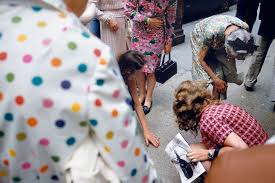
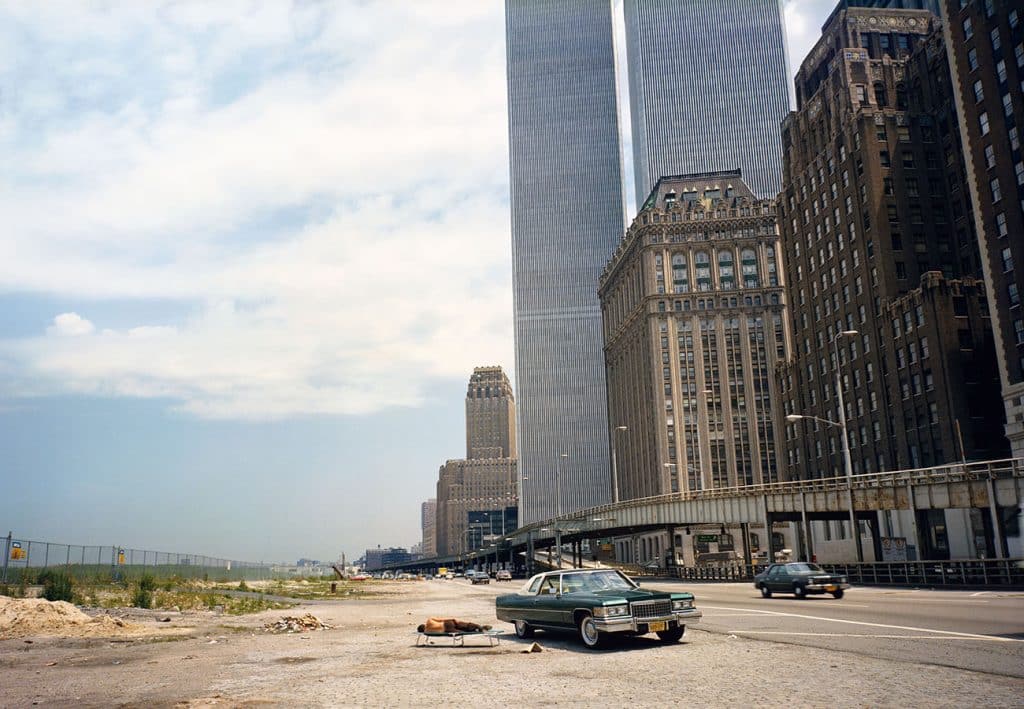
Similarly, the first generation of street photographers, including Helen Levitt, Fred Herzog, Saul Leiter, and William Eggleston, elevated the ordinary to the extraordinary. They found artistic merit in children at play, parked cars, shop windows, neon signs, and the myriad of fleeting interactions that constitute urban existence. Photographers like Stephen Shore even pushed the boundaries further, finding profound visual interest in hotel rooms, bathrooms, and meals. This shared inclination to find beauty and meaning in the commonplace underscores a fundamental shift in artistic perception: that the rhythm of daily life, the anonymous passerby, and the transient urban spectacle are as worthy of artistic attention as any grand historical event.
The Play of Light and Shadow: Capturing the Ephemeral
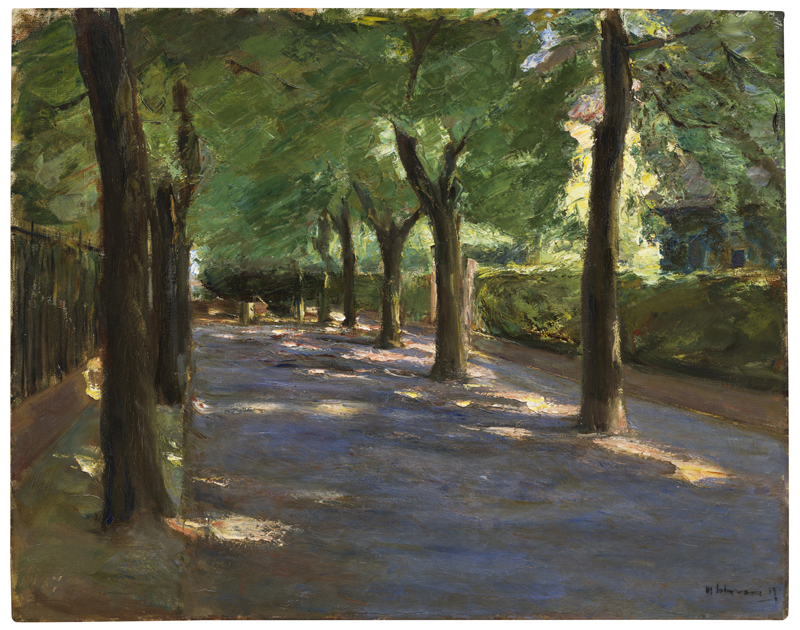
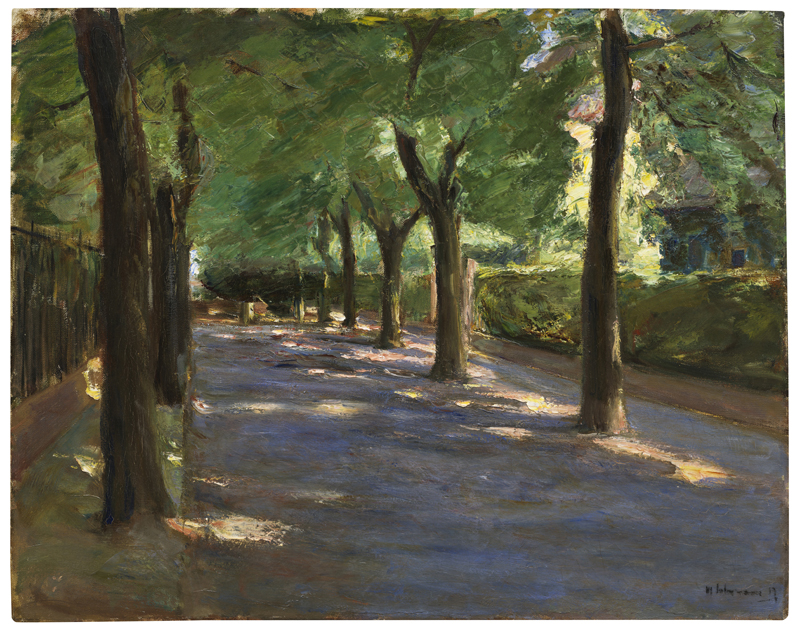
The very essence of light became a central preoccupation for both Impressionists and street photographers. As the author Michiel van Mens observes, the Impressionists made "light itself the subject of their paintings." This fascination is vividly illustrated in works like Max Liebermann’s "Die Colombierstraße in Wannsee" (1917), where the dappled sunlight filtering through foliage transforms a simple country road into a poetic scene. The interplay of light and shadow was not merely descriptive but emotive, imbuing the scenes with atmosphere and depth. Paradoxically, it is through the embrace of darkness that light gains its most potent visibility.
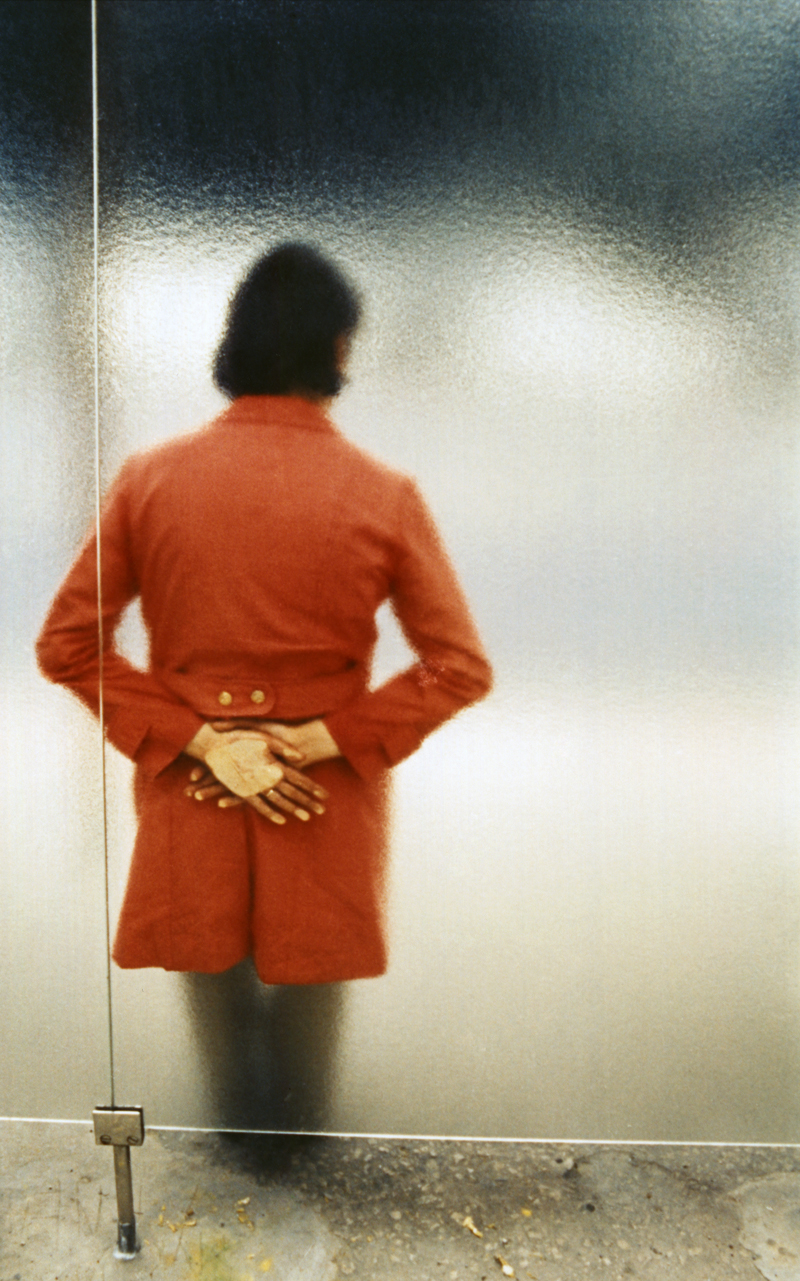
This same profound understanding of light and its relationship to shadow resonates deeply within street photography. Photographers such as Helen Levitt, Mitch Epstein, and Saul Leiter masterfully employed contrast, color, and shadow to evoke mood and emotion. They recognized that a specific quality of light could elevate an ordinary street corner into a compelling visual experience. Later photographers like Alex Webb and Philip-Lorca diCorcia continued to explore this dialogue, demonstrating how light itself could become a leading character in their visual narratives. For both movements, light transcended its utilitarian role as an illuminator, becoming a powerful creative force that shaped perception and interpretation.
Color as a Language: Challenging the Monochromatic Norm
The embrace of color also marks a significant point of convergence. Historically, painters’ palettes were constrained by the availability of pigments, often leading to regional variations in color use. The advent of industrially produced pigments dramatically expanded the Impressionists’ color spectrum. They enthusiastically incorporated new hues, notably violet, not just for representation but as a tool to depict light, atmosphere, and shadow, creating a sense of luminosity and depth.
A parallel evolution occurred in photography with the rise of color photography. While black-and-white was long considered the standard for serious artistic expression, photographers like Helen Levitt, Saul Leiter, Mitch Epstein, and William Eggleston deliberately embraced color. Eggleston’s pioneering work with the dye-transfer process, producing photographs with exceptionally rich and saturated colors, exemplified this new potential. Despite initial skepticism and association with commercial applications, these photographers, much like the Impressionists before them, demonstrated that color was not merely descriptive but a powerful interpretive tool capable of shaping mood and conveying subjective experience. Their use of color challenged conventions and ultimately redefined the visual language of photography.
Reception and Recognition: From Ridicule to Reverence
The historical reception of both Impressionism and street photography reveals a similar trajectory from initial criticism and dismissal to eventual widespread acclaim. The term "Impressionist" was initially coined by critic Louis Leroy as a derisive label, suggesting that the paintings were unfinished sketches lacking substance. However, the artists embraced the term, and it ultimately became synonymous with one of art history’s most influential movements.
A comparable pattern emerged in street photography. William Eggleston’s groundbreaking 1976 solo exhibition at the Museum of Modern Art was met with disbelief and criticism, with some dismissing his work as mere "snapshots." Many color photographers, and those focusing on everyday life, struggled for recognition and exhibition opportunities, often resorting to informal slide shows to share their work. Over time, however, the perceived flaws—the "impressionistic" quality or the "snapshot" aesthetic—were re-evaluated as the hallmarks of innovation. What was once dismissed as careless or incomplete is now widely recognized as groundbreaking, influential, and artistically significant. This historical pattern underscores the often-delayed recognition of artistic movements that challenge established norms.
Broader Implications and Enduring Legacy
The parallels between Impressionism and street photography extend beyond their shared artistic characteristics to their broader impact on society and art. Both movements, propelled by technological innovation and a willingness to break from tradition, fundamentally altered how reality was perceived and represented. They democratized art, bringing it from the hallowed halls of academia and studios into the public sphere, making it more accessible and relatable.
The lessons learned from these movements continue to inform contemporary art. As Michiel van Mens suggests, today’s street photographers are "colorists of everyday life," shaping viewer perception through deliberate use of color and light. The influence of technology persists, with digital tools offering new avenues for post-processing and expressive manipulation, mirroring the Impressionists’ experimentation with newly available pigments. The history of both Impressionism and street photography serves as a potent reminder that artistic progress often thrives at the intersection of curiosity and technological advancement, encouraging artists to embrace new possibilities and explore familiar subjects through unfamiliar lenses. The legacy of these movements lies not only in their iconic artworks but also in their enduring testament to the transformative power of human observation and artistic innovation.