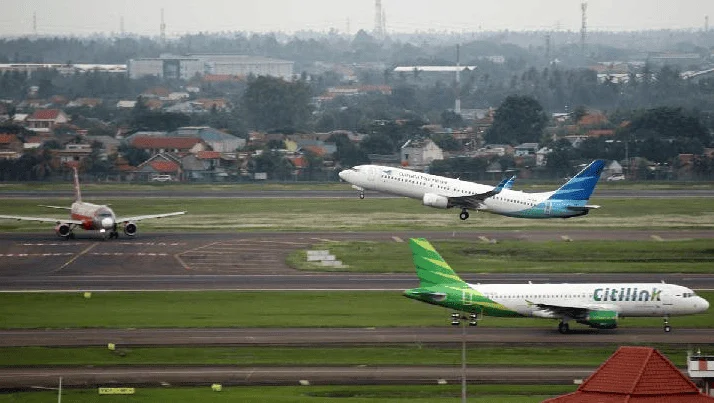
Overview of the 2025 Eid Flight Surge
The 2025 Lebaran season is expected to witness a substantial increase in flight frequencies compared to previous years. Following a period of steady recovery in the post-pandemic era, the demand for air travel has returned to, and in some sectors exceeded, historical norms. The prediction of March 22 and March 28 as the peak dates is based on a complex analysis of holiday calendars, school breaks, and the traditional patterns of civil servant and private sector leave.
During these peak windows, major airports across the Indonesian archipelago will operate at near-maximum capacity. The concentration of travel on these specific dates is driven by the desire of many travelers to maximize their holiday time, ensuring they arrive in their ancestral villages well before the Eid prayers and return just in time for the resumption of the work week. This concentrated demand places immense pressure on air traffic control, ground handling services, and terminal facilities.
Chronology and Timeline of the Peak Periods
The timeline for the 2025 Lebaran aviation operations is divided into two distinct phases: the "Arus Mudik" (outbound flow) and the "Arus Balik" (return flow).
March 22, 2025: The Outbound Peak
This date is identified as the primary peak for departures. As the beginning of the collective leave period approaches, travelers from major urban centers—primarily Jakarta, Surabaya, and Medan—will begin their journeys to regional provinces. Aviation analysts anticipate that the morning and late-evening slots on March 22 will be the most heavily congested, as passengers seek to avoid the heat of the day and maximize their first weekend of the holiday season.
March 28, 2025: The Return Peak
Conversely, March 28 is projected to be the busiest day for return flights. Following the conclusion of the Eid festivities, a massive wave of passengers will return to the metropolitan areas to resume their professional duties. This "Arus Balik" is often more concentrated than the outbound flow, as the window for returning to work is typically narrower than the window for departing, leading to a higher density of aircraft movements within a 24-hour period.
Operational Readiness at Soekarno-Hatta International Airport
As the primary aviation hub for Indonesia, Soekarno-Hatta International Airport (CGK) in Tangerang is the focal point of the 2025 preparations. Current estimates suggest that the airport will handle upwards of 23,000 aircraft movements during the peak Lebaran period. To put this in perspective, this represents a significant increase over daily averages, requiring the airport to utilize all three of its runways with maximum efficiency.
Angkasa Pura II, the state-owned operator of the airport, has signaled that it will implement several strategic measures to maintain operational integrity. These include:
- Terminal Rebalancing: Adjusting the distribution of domestic and international flights across Terminals 1, 2, and 3 to prevent any single terminal from becoming overwhelmed.
- Enhanced Ground Handling: Increasing the number of baggage handlers and gate agents to ensure that aircraft turnaround times remain within strict limits, preventing a "domino effect" of delays.
- Slot Management: Working closely with AirNav Indonesia to optimize take-off and landing slots, ensuring that the high volume of "extra flights" does not compromise safety or cause excessive holding patterns in the air.
The Role of Airlines and the Provision of Extra Flights
To accommodate the surge in passenger numbers, Indonesian carriers including Garuda Indonesia, Citilink, Lion Air, Batik Air, and Super Air Jet are expected to deploy their entire active fleets. A critical component of the strategy for Puncak Pergerakan Pesawat Lebaran 2025 is the approval of "extra flights"—additional flight frequencies scheduled outside of the regular seasonal timetable.
Airlines must apply for these slots weeks in advance, allowing the Ministry of Transportation to verify that there is sufficient airspace capacity and airport staffing to handle the added load. Beyond increasing frequency, airlines are also encouraged to utilize wide-body aircraft on high-demand routes, such as Jakarta-Surabaya and Jakarta-Denpasar, to transport more passengers per movement, thereby maximizing the utility of each available slot.
Safety, Security, and Health Protocols
In a period of such high density, safety and security remain the paramount concerns for aviation authorities. The Ministry of Transportation typically mandates a "ramp check" for all aircraft participating in the Lebaran transport season. These rigorous inspections ensure that every plane is airworthy and that maintenance schedules are strictly followed despite the high utilization rates.
Security at airports will be bolstered through the deployment of additional aviation security (Avsec) personnel, supported by the Indonesian National Police (Polri) and the Indonesian National Armed Forces (TNI). This heightened security presence is designed to manage large crowds, prevent unauthorized access to restricted areas, and provide a rapid response to any incidents.
Furthermore, while the acute phase of the global pandemic has passed, health monitoring remains a subtle but important part of the protocol. Thermal scanners and the availability of medical posts within terminals will ensure that the massive movement of people does not become a catalyst for public health issues.
Factors Driving the 2025 Travel Surge
Several socio-economic factors contribute to the anticipated scale of the 2025 Lebaran flight peak.
- Government Facilitation: The Indonesian government has historically taken an active role in managing Mudik, including regulating ticket price ceilings (Tarif Batas Atas) to keep air travel accessible while ensuring airlines remain viable.
- Economic Recovery: As the national economy continues to strengthen, more households have the disposable income required to choose air travel over slower land or sea alternatives.
- Infrastructure Improvements: The modernization of regional airports has made air travel a more viable option for reaching remote parts of the country, shifting the burden away from traditional bus and rail networks.
- Corporate Policy: The synchronization of collective leave (Cuti Bersama) by the government provides a clear window for families to plan their travels, leading to the sharp peaks on March 22 and 28.
Technological Integration and Passenger Experience
To mitigate the stress of traveling during the Puncak Pergerakan Pesawat Lebaran 2025, airports are increasingly turning to digital solutions. The implementation of biometric boarding, mobile check-in kiosks, and real-time flight tracking via dedicated apps is expected to significantly reduce queue times.
At Soekarno-Hatta, the "Airport Operation Control Center" (AOCC) will serve as the brain of the operation, using big data and AI-driven analytics to predict bottlenecks before they occur. This allows airport managers to reallocate staff to busy security checkpoints or immigration counters in real-time, maintaining a smooth flow of passengers even during the highest peaks of March 22 and 28.
Guidance for Travelers Navigating the Peak Season
For those planning to be part of the Puncak Pergerakan Pesawat Lebaran 2025, preparation is the key to a successful journey. Aviation experts and airline representatives recommend several best practices:
- Early Booking: With demand peaking on specific dates, ticket availability diminishes rapidly. Booking months in advance not only secures a seat but often results in more favorable pricing.
- Digital Check-In: Passengers are urged to use airline apps to check in 24 hours before their flight, allowing them to bypass long counters and proceed directly to baggage drop or security.
- Arrival Lead Time: During the peak dates of March 22 and 28, the standard two-hour arrival window may be insufficient. Travelers are advised to arrive at the airport at least three to four hours before domestic departures to account for traffic congestion on airport access roads and longer queues within the terminal.
- Baggage Awareness: Adhering strictly to weight limits and avoiding prohibited items can significantly speed up the security screening process for everyone.
Broader Impact and Economic Implications
The success of the Lebaran aviation operation is often seen as a barometer for the health of Indonesia’s transportation sector. A smooth Puncak Pergerakan Pesawat Lebaran 2025 will signal to international investors and tourism partners that Indonesia possesses a resilient and capable logistics infrastructure.
Economically, the surge in flights provides a vital boost to the aviation industry, which faces high operational costs. The revenue generated during this period often supports the maintenance of less profitable routes throughout the rest of the year. Additionally, the influx of travelers to regional areas stimulates local economies, as urban wealth is distributed to rural provinces through holiday spending on hospitality, food, and local services.
Conclusion
The Puncak Pergerakan Pesawat Lebaran 2025 represents more than just a logistical challenge; it is a testament to the vibrancy of Indonesian culture and the critical role of the aviation industry in connecting a vast archipelagic nation. The anticipated peaks on March 22 and March 28 will test the limits of technology, personnel, and infrastructure. However, through the diligent preparation of airport authorities, the strategic planning of airlines, and the cooperation of the traveling public, the 2025 Eid season is poised to be a milestone in Indonesian transportation history. As the nation looks toward these dates, the focus remains steadfast on safety, efficiency, and the spirit of "Mudik," ensuring that every passenger reaches their destination to celebrate with their loved ones.